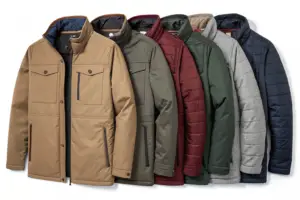
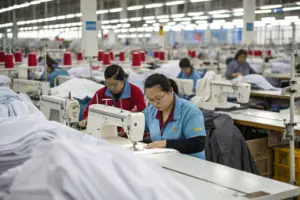
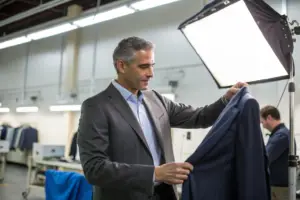
As the owner of Fumao Clothing, I've had this exact conversation with hundreds of American apparel brands. The question of whether 150 pieces is feasible for custom apparel comes down to one word: strategy. While many factories automatically say no to custom orders under 300 pieces, I've developed specific approaches that make 150-piece custom orders not just possible, but profitable for both manufacturer and brand.
Yes, a 150 piece MOQ is possible for custom apparel when you employ strategic approaches around fabric selection, design complexity, production timing, and partnership building. The key is understanding which elements of customization drive costs and minimizing those that have the greatest impact on manufacturing efficiency.
Many brands assume "custom" means every element must be uniquely developed, but the most successful 150-piece orders carefully balance customization with manufacturing practicality. Let me share the exact framework we use to make these smaller custom orders work for both parties.
What type of customization works for 150-piece orders?
Not all customization is created equal when it comes to smaller quantity production. Understanding which custom elements are feasible at 150 pieces versus which require larger quantities is the first step toward making your order manufacturable.
For 150-piece orders, focus customization on design elements rather than materials: unique pattern shapes, distinctive construction details, and special trims work better than custom-developed fabrics or specialized dyeing. This approach maintains uniqueness while respecting production economics.
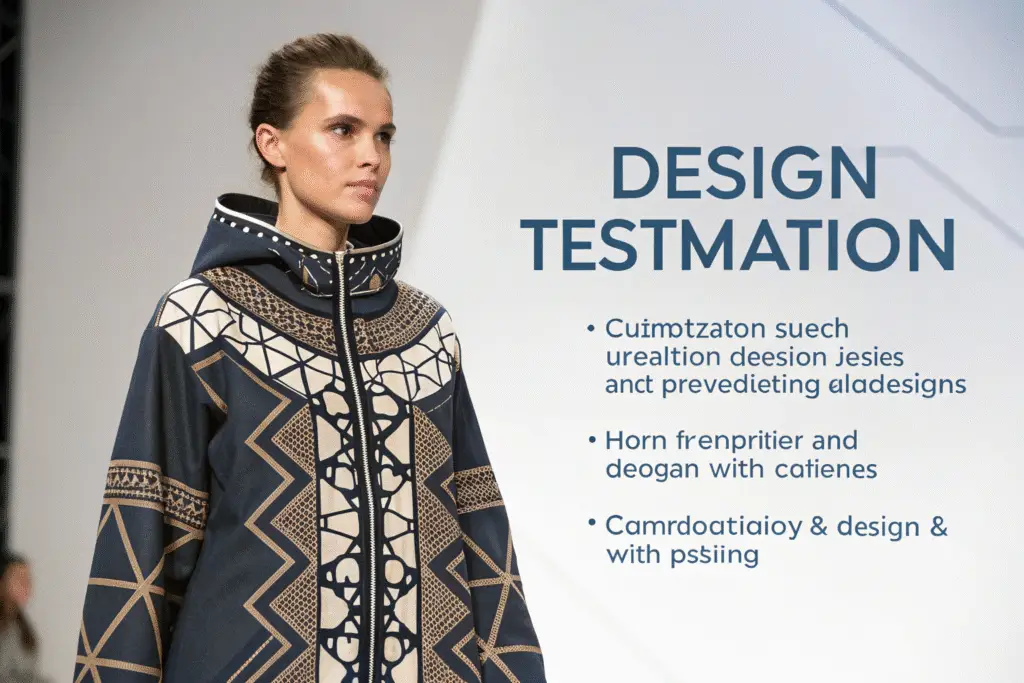
Why do design customizations work better than material customizations?
Design customizations like unique silhouettes, special seam treatments, and distinctive hardware applications typically involve one-time setup costs that can be amortized across your 150 pieces. Material customizations, however, often involve minimums that far exceed 150-piece requirements.
We recently produced a 150-piece order for a brand that wanted a truly unique blazer silhouette. The custom pattern work added $400 to their setup costs, but spread across 150 units, this represented only $2.67 per piece. Had they requested custom-developed fabric instead, the mill minimums would have required ordering enough material for 500+ units, making their custom apparel order economically unfeasible at 150 pieces.
How can strategic trim customization make 150 pieces viable?
Custom trims and hardware can create distinctive products without triggering high minimums, provided you select from existing manufacturer options or work with trim suppliers who accommodate smaller quantities. The key is avoiding completely custom-developed trim components.
A Los Angeles-based brand created a signature look using our existing zipper options with custom pulls they sourced separately. This approach allowed them to achieve their custom design vision while keeping within their 150-piece quantity. By understanding which customization elements drive minimums and which don't, they created distinctive apparel without exceeding their production target.
What cost structure should you expect for 150-piece custom orders?
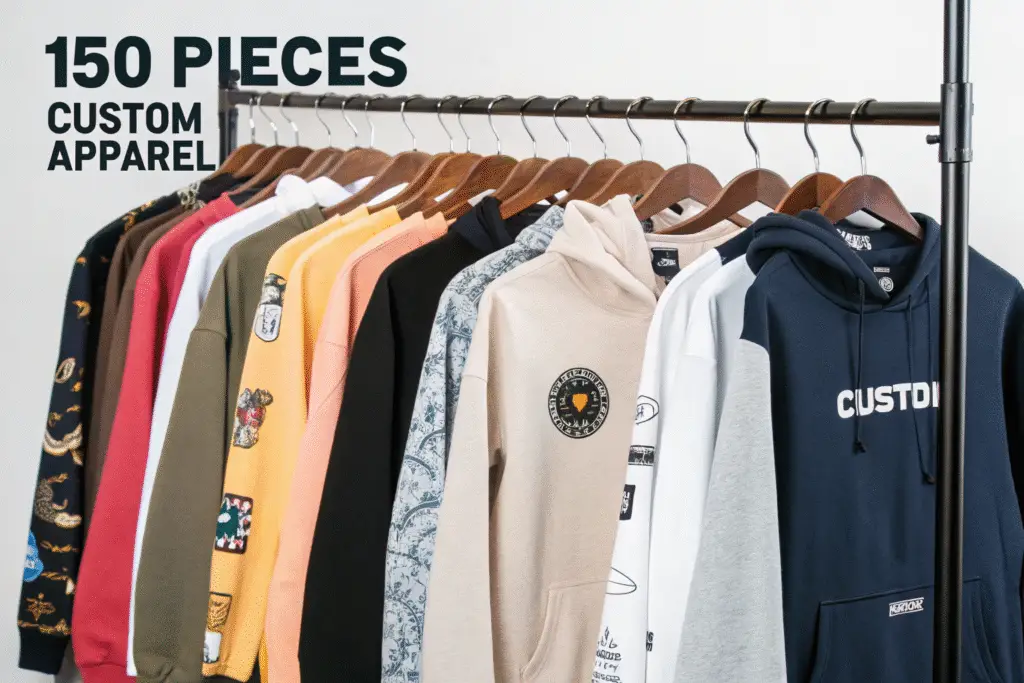
Custom apparel at 150 pieces carries a different cost structure than either standard apparel or larger custom orders. Understanding these cost drivers helps you budget appropriately and make informed decisions about where to invest your customization budget.
Expect 150-piece custom orders to cost 40-60% more per unit than 500-piece standard orders, with setup costs representing 20-30% of your total investment. This cost structure reflects the economic reality of spreading fixed customization costs across fewer units.
How do setup costs impact 150-piece pricing?
Custom apparel requires significant one-time setup costs including pattern making, sample development, and production line configuration. At 150 pieces, these fixed costs represent a substantial portion of your per-unit price compared to larger orders.
We provide transparent cost breakdowns showing clients exactly how their money is allocated. For a recent 150-piece custom dress order, the $1,200 pattern and sample development cost represented $8 per unit. At 500 units, this same setup cost would be only $2.40 per unit. Understanding this math helps brands make strategic decisions about their customization investments.
Why does production efficiency decrease with custom orders?
Custom apparel typically involves slower production speeds, additional quality checks, and more complex manufacturing processes. At 150 pieces, the efficiency loss is more significant because production lines achieve peak efficiency at higher quantities.
Our factory tracks production efficiency across all orders, and we've observed that custom orders at 150 pieces typically operate at 60-70% of the efficiency of standard styles at 500 pieces. This reality is reflected in the per-unit cost but is often worth the trade-off for brands seeking distinctive products in manageable quantities.
Which production strategies make 150-piece custom orders feasible?
Successfully producing custom apparel at 150 pieces requires specific manufacturing strategies that optimize for smaller quantities while maintaining quality and design integrity. The most successful approaches involve strategic planning and partnership thinking.
Feasible 150-piece custom production requires fabric consolidation across styles, strategic production timing, simplified construction where possible, and a partnership approach with your manufacturer. These strategies help balance customization with manufacturing efficiency.
How does fabric consolidation enable smaller custom orders?
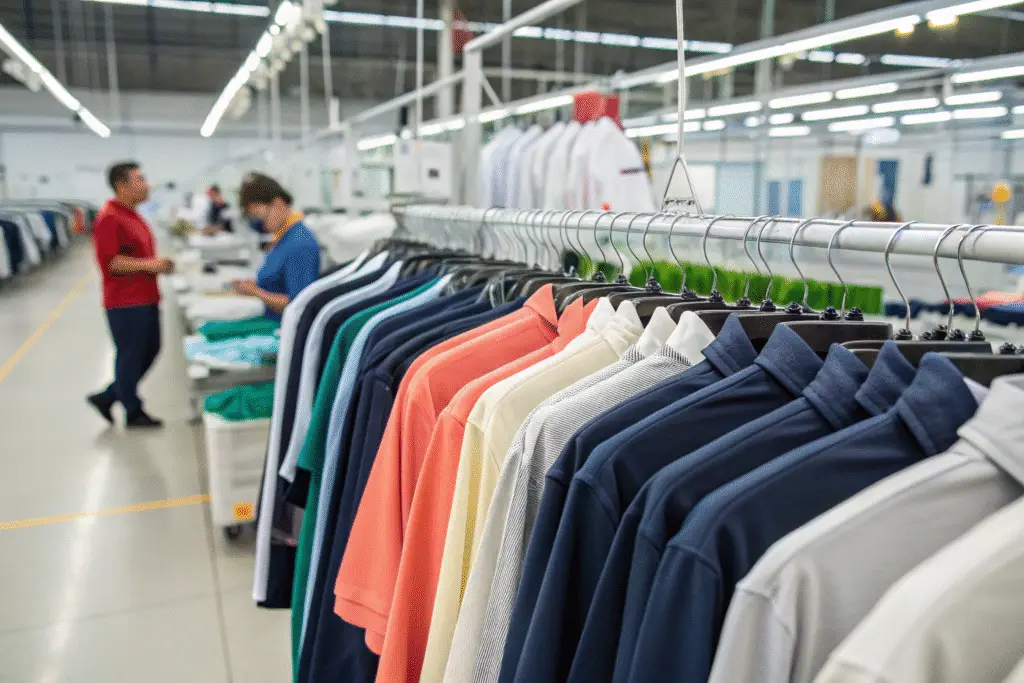
Using the same custom fabric across multiple styles effectively increases your fabric quantity without changing your per-style MOQ. This approach makes custom materials feasible by aggregating demand across your collection rather than individual styles.
We worked with a brand that developed a custom fabric but wanted to produce three different styles at 150 pieces each. By using the same custom textile across all styles, they effectively created a 450-piece fabric order that met mill minimums while maintaining their per-style quantity target. This strategic approach made their custom vision achievable within their business constraints.
Can production timing affect custom order feasibility?
Scheduling 150-piece custom orders during traditionally slower production periods can significantly improve their feasibility. Manufacturers are often more flexible on quantity requirements when production capacity is available and larger orders aren't competing for resources.
A technical apparel brand capitalized on this by scheduling their 150-piece custom order during our summer slow period. The strategic timing not only made their quantity acceptable but also resulted in more attention from our senior production staff, ultimately improving quality and reducing the need for revisions. They now plan their custom development around these flexible production windows.
What are the limitations of 150-piece custom apparel?
While 150-piece custom orders are possible with the right approach, understanding their limitations helps set realistic expectations and prevents frustrating manufacturing experiences. Certain types of customization remain challenging at this quantity level.
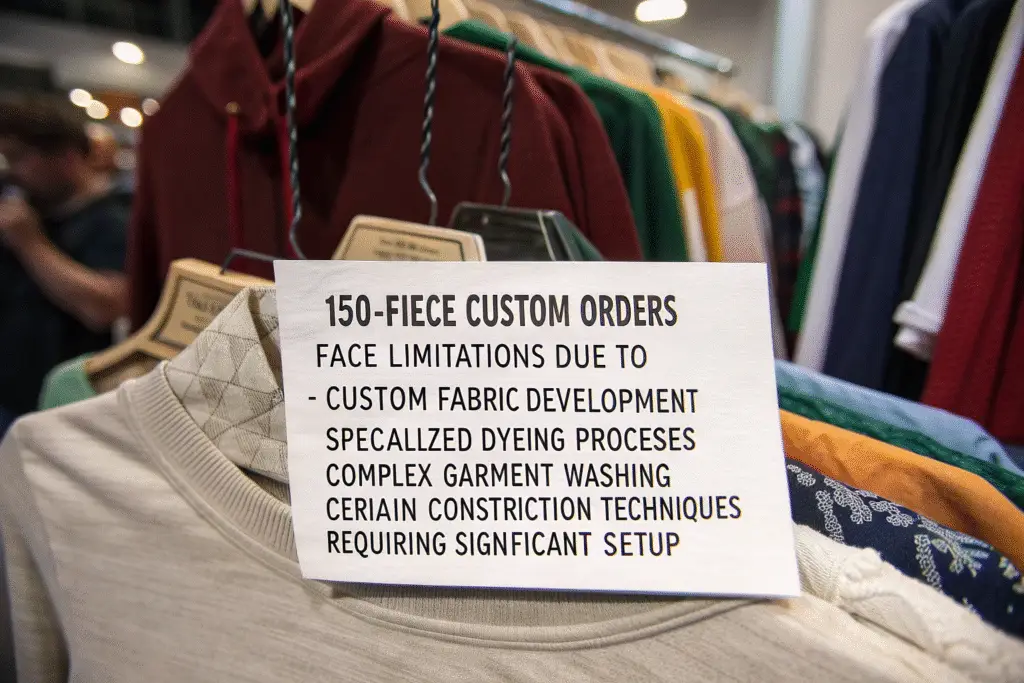
150-piece custom orders face limitations with custom fabric development, specialized dyeing processes, complex garment washing, and certain construction techniques that require significant setup. Recognizing these boundaries helps focus your customization where it will have the most impact.
Why are custom fabrics challenging at 150 pieces?
Fabric mills typically require minimum orders of 500-1,000 yards depending on material type and complexity. For 150 pieces, you might only need 150-300 yards, creating a significant mismatch between your needs and supplier requirements.
We recently guided a brand through this challenge when they wanted a custom-developed jacquard fabric for their 150-piece order. The mill minimum was 800 yards—enough for approximately 400 pieces. By helping them source a stock fabric with similar characteristics and adding customization through construction and trim, they achieved their aesthetic goals while maintaining their target quantity.
How does construction complexity impact 150-piece feasibility?
Extremely complex construction techniques often require specialized equipment setups or slower production speeds that make smaller quantities economically challenging. Simplifying construction in non-visible areas can maintain design impact while improving manufacturability.
A designer learned this when their intricate internal construction required setting up a specialized sewing station for just 150 pieces. The setup time represented 40% of the total production time. By modifying the construction approach to use more standard techniques for hidden elements, they maintained their design integrity while making their 150-piece order feasible and more cost-effective.
How can you build a case for 150-piece custom production?
Approaching manufacturers with a well-prepared case significantly increases your chances of finding partners willing to accommodate 150-piece custom orders. The most successful presentations demonstrate understanding of manufacturing economics while showing your brand's potential.
Build your case with professional tech packs, realistic growth projections, flexible timing, reasonable customization requests, and demonstrated industry knowledge. This approach shows manufacturers you're a serious partner worth accommodating.
What information convinces manufacturers to accept 150-piece custom orders?
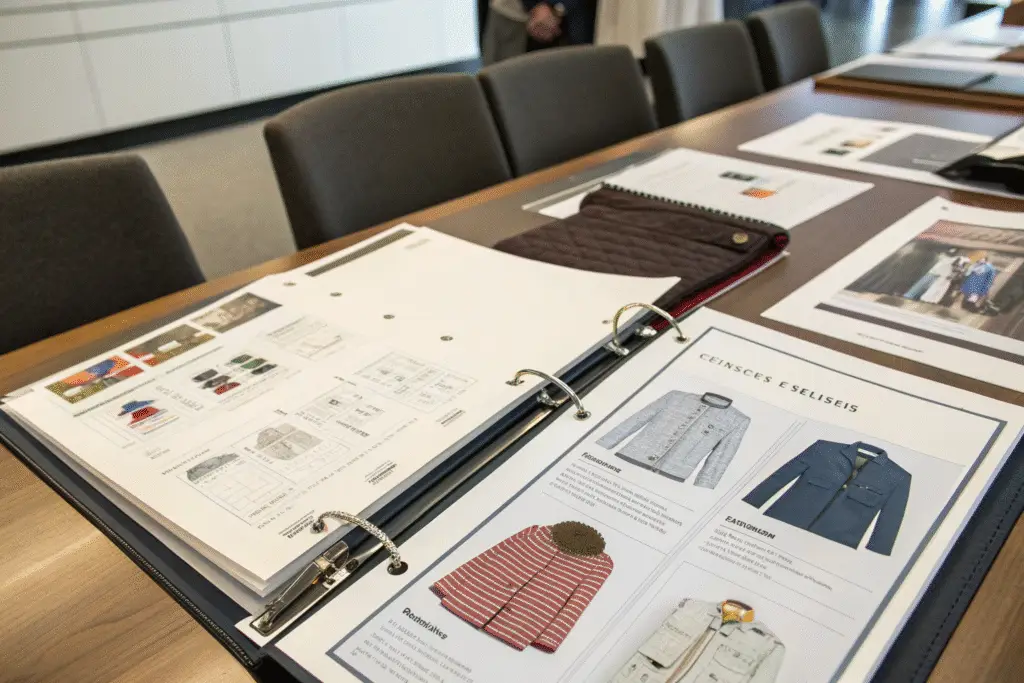
Manufacturers respond positively to brands that present complete technical packages, clear business plans, and realistic customization requests. Showing that you've done your homework and understand production constraints makes accommodation more likely.
We recently accepted a 150-piece custom order from a brand that provided professional tech packs, detailed fit specifications, and a realistic production timeline. Their preparation reduced our risk and demonstrated they were serious partners. This professionalism, combined with their flexible approach to customization, made their 150-piece request feasible.
How important is flexibility in customization requests?
The more flexible you are on customization elements that drive high minimums, the more likely manufacturers will accommodate your quantity needs. Willingness to compromise on fabric, dyeing, or certain construction techniques significantly improves your chances.
A activewear brand secured their 150-piece custom order by being flexible on their fabric sourcing. They provided three acceptable material options, allowing us to select the one with the most feasible minimums. This flexibility, combined with their firm commitment on design elements that mattered most to their brand, created a workable compromise that satisfied both parties.
Conclusion
A 150-piece MOQ for custom apparel is absolutely achievable with the right strategy, realistic expectations, and partnership approach. The brands that succeed at this quantity level understand which customization elements deliver the most impact for their customers while respecting manufacturing realities.
By focusing customization on design rather than materials, being strategic about production timing, and building strong manufacturer relationships, you can create distinctive custom apparel at 150 pieces that supports your brand vision without excessive inventory risk.
If you're exploring 150-piece custom apparel production, we'd be happy to discuss specific strategies for your collection. Contact our Business Director, Elaine, at elaine@fumaoclothing.com to explore how we can make your custom vision achievable within practical manufacturing constraints.