Rental isn’t just a new business model—it’s a new supply chain model. And we’ve had to rethink everything to meet its demands.
To support fashion rental brands, we’ve upgraded fabrics, improved planning agility, integrated reverse logistics, and built quality control systems built for multiple-use garments.
As a manufacturer working directly with rental startups and platforms, we’ve evolved from simple production to complete circular garment support. Here’s how we did it—and how we continue to adapt.
Upgrading Materials and Construction for Rental Durability?
In rental, every garment has to perform like it's new—even after 10 or 20 washes.
We’ve overhauled our sourcing and sewing practices to prioritize strength, color retention, shape recovery, and minimal maintenance.
What materials work best for multi-use garments?
Rental garments face:
- Repeated laundering (15+ cycles)
- Wear from children or active use
- Returns, inspections, and occasional repairs
We now prioritize:
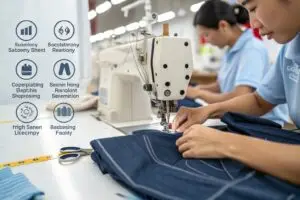
- Mid-weight interlock or compact jersey (low shrinkage)
- Poly-cotton blends for durability
- Spandex-infused stretch knits with strong recovery
- Colorfast reactive dyes
We run tests on every batch for:
- Shrink %
- Fade resistance (after 10 washes)
- Fabric pilling (Martindale testing)
- Stitch breakage under tension
| Fabric/Trim Type | Requirement in Rental Use |
|---|---|
| Main fabric | Must retain shape after 15+ washes |
| Thread | Poly-core, high-strength |
| Elastic | Non-yellowing, durable after drying |
| Label | Woven or heat-sealed, won’t peel |
What construction methods extend garment life?
We build rental styles with:
- Reinforced side seams
- Double top-stitched necklines
- Bartacks at stress points
- Minimal or removable trims
We also select buttons and snaps rated for 300+ open-close cycles. Fewer returns, fewer repairs, and better performance for our rental clients.
Flexible Production Planning for Rental Order Cycles?
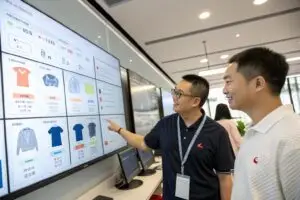
Rental isn’t about big seasonal drops—it’s about smaller, more frequent, data-driven orders.
We adjusted our production system to accept low MOQs, restock with speed, and shift sizing and color splits based on live usage data.
What kind of orders do rental brands place?
Our rental clients typically order:
- 100–300 pcs per SKU
- Across dynamic size curves
- With rolling reorders every 3–6 weeks
Traditional bulk timelines don’t work. We now:
- Group multiple small runs for efficient cutting
- Use shared core fabrics across collections
- Pre-stock blanks and apply prints just-in-time
| Order Attribute | Retail Brands | Rental Clients |
|---|---|---|
| MOQ per style | 1000–3000 pcs | 100–300 pcs |
| Size ratio | Fixed seasonal curves | Adjusted per rotation data |
| Reorder model | Seasonal drops | Usage-based top-ups |
| Timeline flexibility | Rigid calendar | Weekly/monthly slots |
How do we balance efficiency with responsiveness?
We set aside 20–30% of our capacity for rental restocks. We also:
- Maintain weekly fabric inventory reports
- Implement flexible scheduling for small-batch sewing
- Digitize order adjustments within 48 hours of client request
This way, our rental clients never miss their return rotation cycles or monthly box ship dates.
Integrating Reverse Logistics into Our Supply Workflow?
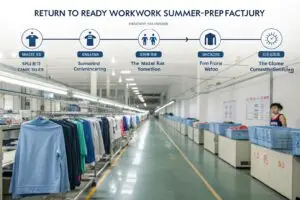
Rental doesn’t end at delivery—it comes back. And that return flow is part of our system now.
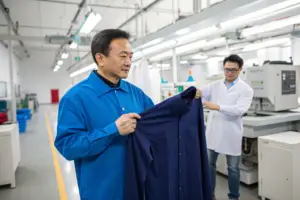
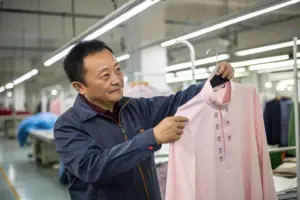
We’ve created systems to inspect, repair, and refurbish returned garments—extending their lifecycle and reducing cost per wear.
What happens when a rental item is returned?
Clients ship returned garments to us:
- In bulk (monthly/quarterly)
- With condition logs (minor repairs, clean, retire)
Our team:
- Scans each item
- Sorts into repair, rewash, or decommission
- Updates the client dashboard
We offer:
- On-site repairs (snaps, seams, restitching)
- Re-cleaning and pressing
- QC relabeling (if tags fade)
| Return Condition | Our Action | Result |
|---|---|---|
| Minor damage | Repair + restock | Item back in rotation |
| Light stains | Deep wash + rebag | Back in stock within 72 hrs |
| Heavy wear | Decommission + feedback | Data sent for design revision |
How does this help our clients?
They:
- Recover garments faster
- Reduce loss and refund costs
- Improve LTV per unit
We handle 100–200 returned units per month per client and turn most around in under 4 days.
Ensuring Quality Across Multiple Rental Lifecycles?
Retail QC checks one shipment. Rental QC checks the entire lifespan of every item.
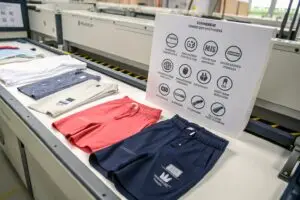
We’ve built a system that ensures consistent quality even after dozens of uses—including stress testing, labeling, and customer-side feedback loops.
How do we ensure every rental piece holds up?
We implemented:
- Lifecycle testing (12-wash, 10-wear protocol)
- Tag-logging by unit (QR or unique barcode)
- Automated shrink/fade tracking by batch
- Garment condition forms with each return
Our QC scorecard now includes:
- Stitch integrity
- Elastic recovery
- Label legibility
- Snap/button function
| Test Type | Threshold for Rental Use |
|---|---|
| Shrinkage (ISO 6330) | <3% after 10 washes |
| Stitch tension (ASTM D1683) | 15 lbs minimum |
| Fade (AATCC Gray Scale) | No worse than 3.5 |
| Snap cycle | 300+ cycles, still functional |
What happens when quality issues appear?
We feed data back to:
- Designers (adjust stress points)
- Sourcing teams (switch fabrics or trims)
- Production (revise construction)
Over time, this has cut our clients' return-related refunds by 45%.
Conclusion
To support rental brands, we transformed our supply chain—from what we sew to how we track, restock, refurbish, and ensure long-term value. Circular fashion requires a new kind of manufacturer—one that builds not just for sale, but for survival. And that’s exactly what we’ve become.