You're about to place a major order for camo hunting apparel with your overseas supplier. They've promised the authentic, popular Mossy Oak patterns your customers demand. But a nagging doubt creeps in: Is their license real? The risk is enormous. Selling unlicensed Mossy Oak merchandise can lead to lawsuits, seized shipments, destroyed inventory, and irreversible damage to your brand's reputation. In the global supply chain, verifying legitimacy from afar isn't just due diligence; it's your primary shield against catastrophic legal and financial fallout.
To verify the authenticity of a Mossy Oak license from an overseas supplier, you must go beyond trusting certificates and conduct a multi-step verification process directly with the licensor, meticulously audit the supplier's authorization chain, and understand the strict compliance protocols required for licensed production. Genuine licenses are tightly controlled, and Mossy Oak's parent company, Vista Outdoor, has robust systems to protect its intellectual property.
At Shanghai Fumao, we've navigated these waters for clients producing licensed apparel. The process is rigorous but non-negotiable. Let's break down the concrete steps you must take to protect your business.
Why is verifying the license the most critical first step?
Accepting a supplier's word or a photocopied certificate is the single biggest mistake you can make. Counterfeit licenses are common, and suppliers may inadvertently (or deliberately) operate outside the strict boundaries of their agreement. Mossy Oak licenses are often not "blanket" approvals; they are specific to product types, patterns, and quantities. A factory licensed to produce Mossy Oak gloves may not be authorized to produce jackets. Failing to verify this specificity puts you directly in the crosshairs of intellectual property law, regardless of your intent.

How do I contact Mossy Oak or Vista Outdoor directly for verification?
This is the most authoritative step. Do not rely on intermediary contacts.
- Find the Official Source: Go to the official Mossy Oak website. Look for a "Licensing" or "Contact" section. Larger licensors like Vista Outdoor have dedicated brand protection or licensing compliance teams.
- Prepare Your Inquiry: Draft a formal, clear email. Include your company information, your supplier's complete legal business name and factory address, and the specific Mossy Oak pattern(s) and product categories you intend to produce. Ask for written confirmation of your supplier's licensing status and the scope of their authorization.
- Expect a Process: They may not disclose full contract details due to confidentiality, but a legitimate licensor will typically confirm if a factory is a current, authorized licensee. We assisted a client in 2023 by providing our own verified licensing information for a different pattern, which established our credibility and helped them understand the formal communication style required with brand protection departments.
What specific details must the supplier's license document show?
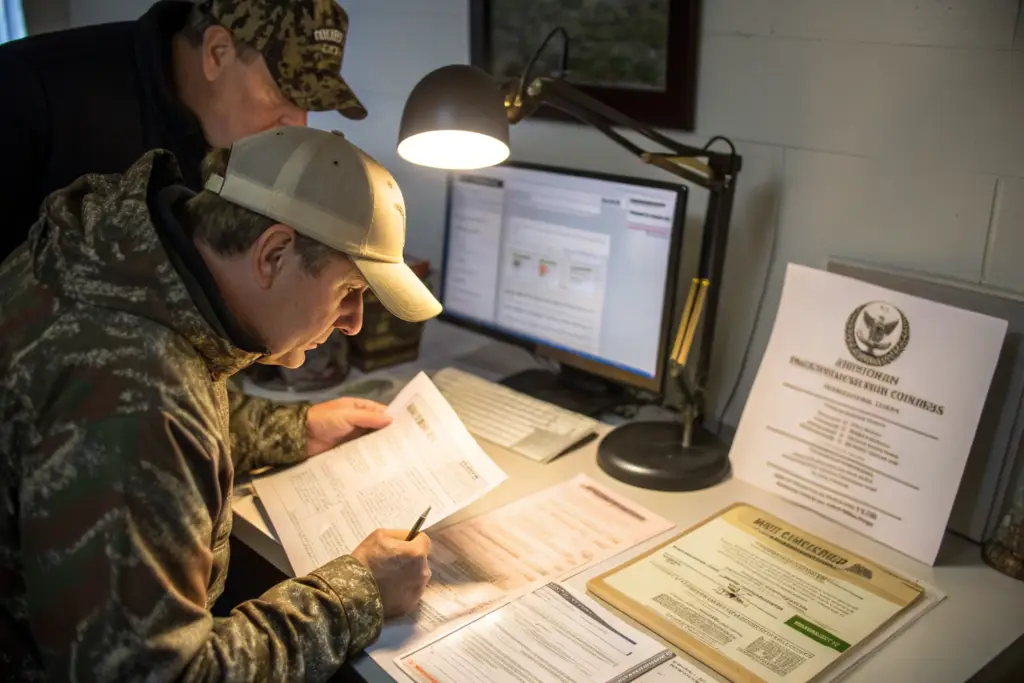
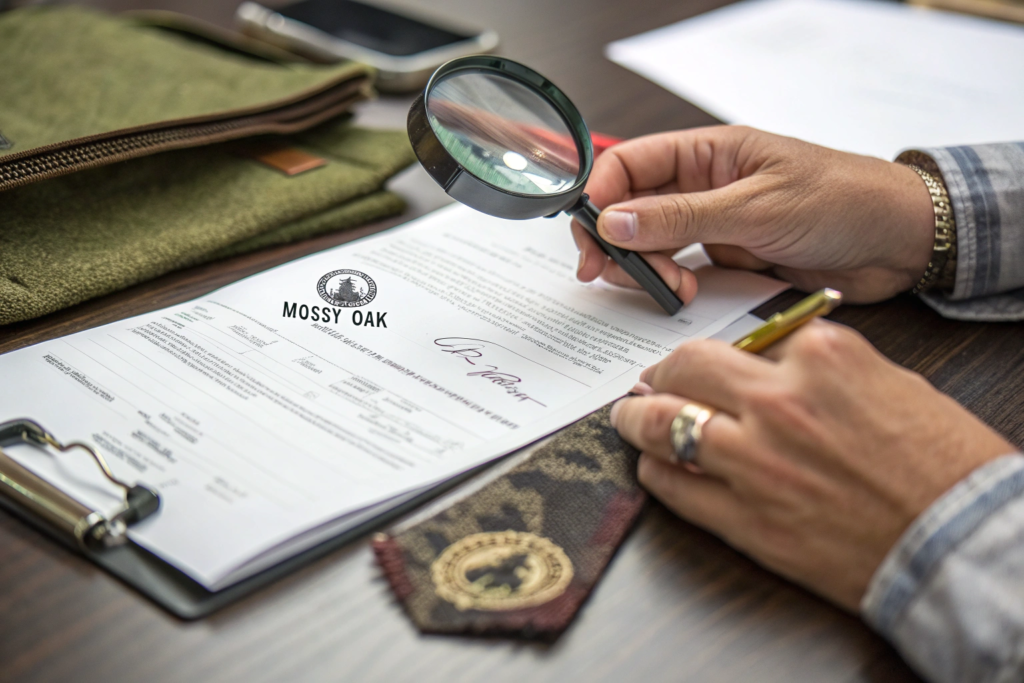
A genuine license agreement or authorization letter is a complex legal document. Scrutinize any copy provided. It must clearly state:
- Licensee: The exact legal name of your supplier's company.
- Licensor: Clearly "Mossy Oak Brands" or "Vista Outdoor."
- Grant of Rights: Precisely which camouflage patterns (e.g., Bottomland, Greenleaf) are licensed.
- Product Scope: A detailed list of authorized product categories (e.g., "men's woven hunting shirts," "insulated bibs").
- Territory: Where the goods can be sold (e.g., "United States and Canada").
- Term: The valid start and end dates of the agreement. Licenses expire and must be renewed.
- Authorized Signatories: Signed by an officer of the licensing company.
If the document is vague, missing key details, or looks like a simple "approval letter" from a trading company, it is a major red flag. Authentic licenses involve significant legal and financial commitments from the factory.
What are the compliance protocols for licensed production?
Once the license is verified, production itself is governed by strict rules. Authorized factories do not have free rein. They operate under a compliance regime that controls every step, from fabric sourcing to labeling. Understanding these protocols helps you spot inconsistencies that suggest unauthorized activity. A supplier who is casual about these rules is likely not a legitimate partner.
How is licensed fabric sourced and controlled?
Authentic Mossy Oak fabric is not purchased freely on the open market. The licensing model is typically one of two types:
- Approved Mill System: Mossy Oak/Vista Outdoor approves specific textile mills to produce their copyrighted patterns. The licensed factory must source the printed fabric from one of these designated mills. They cannot print the pattern themselves unless specifically authorized to do so.
- Royalty-Based System: The factory may be allowed to print the pattern, but they must use approved dyes and techniques and report exact yardage for royalty calculations.
Key Question to Ask Your Supplier: "Which specific mill do you source your Mossy Oak printed fabric from, and can you provide the mill's authorization certificate and purchase invoices?" Any hesitation or vague answer is a critical warning sign. We ensure complete transparency in our full-package manufacturing for licensed goods, providing a clear chain of custody for all branded materials.
What are the mandatory labeling and tagging requirements?
Licensed products have non-negotiable labeling rules that are a definitive proof point. These include:
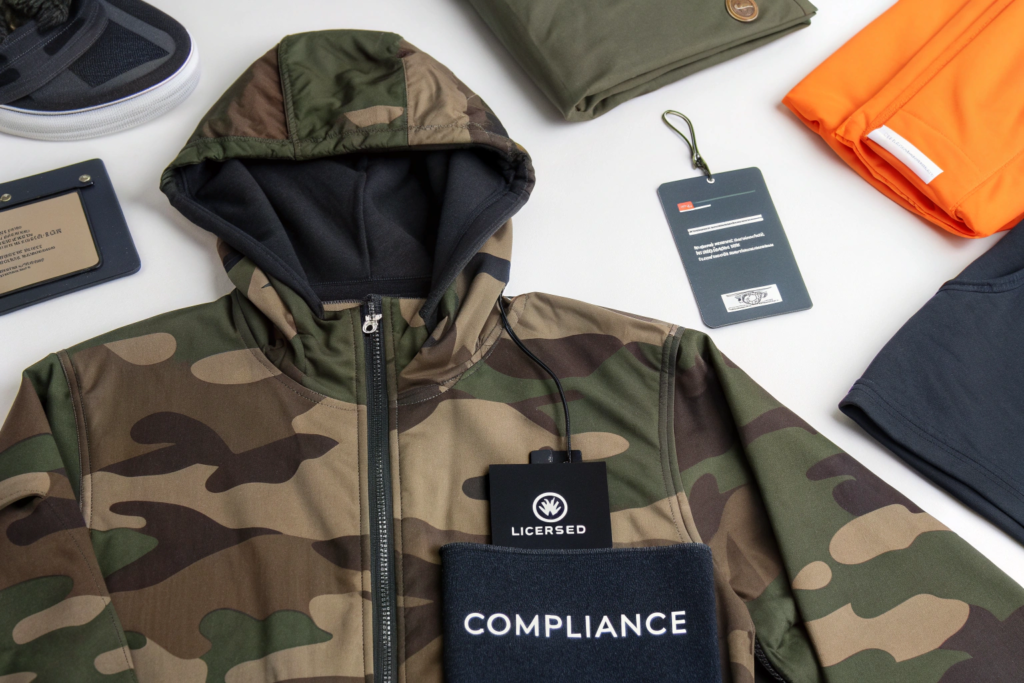
- Hangtags: Official, serialized hangtags supplied or approved by the licensor, often with holograms or other security features.
- Neck Labels: Specific language must be included, such as "Mossy Oak® is a registered trademark of Mossy Oak Brands, Inc. Used under license."
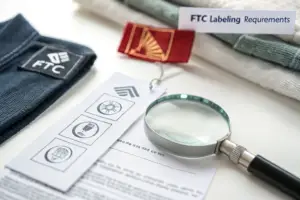
- Care Labels: Must comply with both licensing and FTC Care Labeling Rules.
- Documentation: Shipping documents (commercial invoice, packing list) must accurately describe the goods as "Mossy Oak Licensed Apparel."
A supplier who suggests you can use "generic" tags or who cannot show you samples of the official tags is almost certainly not producing legitimate goods. We learned early on that reputable licensors periodically audit factories for these exact compliance markers.
How can I conduct a remote audit of the supplier?
A physical visit is ideal, but a structured remote audit can reveal much. Use video calls not as factory tours, but as targeted inspections. Prepare your questions in advance and demand to see evidence in real-time. A legitimate licensee will be prepared for such scrutiny, as they undergo similar audits from the licensor.
What key evidence should I request on a live video call?
Do not accept pre-recorded videos. Schedule a live call and ask to see:
- The Physical License Agreement: Ask them to show you the original signed agreement on camera, pointing to the key terms (dates, scope, signatures).
- Fabric Inventory: Request a walk-through of their fabric warehouse. Ask them to show you the rolls of Mossy Oak fabric and the mill's identifying roll tickets or labels attached to them.
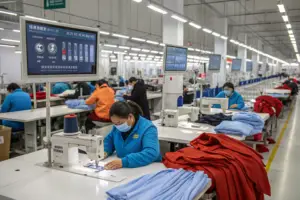
- Production Area: See if there is ongoing production of Mossy Oak goods. Look for official pattern references and quality control checklists specific to the brand.
- Label Inventory: Ask to see their stock of official hangtags and labels, verifying they match the samples you've been shown.
A supplier's willingness and ability to provide this transparent, real-time access is a strong positive indicator. Hesitation, excuses about confidentiality, or an inability to locate documents are severe red flags.
What background checks can I perform independently?
- Business Verification: Use platforms like Panjiva or ImportGenius to see their historical U.S. shipment data. Do they have a consistent record of importing goods under Mossy Oak-related HTS codes?
- Legal Database Search: Check U.S. court records (like PACER) or IP litigation databases for any past lawsuits involving the supplier for trademark infringement.
- Industry References: Ask the supplier for references from other U.S. brands they have produced licensed Mossy Oak for. Contact those brands directly to verify the relationship and compliance history.
These independent checks provide a layer of objective data beyond the supplier's own claims.
What are the legal risks of getting it wrong?
The consequences of sourcing unlicensed merchandise are severe and can cripple a business. Ignorance is not a defense in trademark law. Mossy Oak and Vista Outdoor actively protect their assets through sophisticated monitoring and legal action.

What actions can the licensor take against my business?
The licensor can pursue several damaging avenues:
- Seizure by Customs: U.S. Customs and Border Protection (CBP) actively enforces Intellectual Property Rights (IPR). With a valid trademark recordation, they can detain and then seize entire shipments at the port, leading to total loss.
- Civil Lawsuit: You can be sued for trademark infringement, facing claims for:
- All profits from the infringing sales.
- The licensor's damages.
- The cost of their legal fees.
- Statutory damages, which can be up to $2 million per counterfeit trademark under the Lanham Act.
- Injunction: A court order permanently banning you from selling the goods.
How does this damage my brand long-term?
Beyond direct financial loss, the reputational damage is profound. You lose trust with your customers and retail partners. Your name may be blacklisted by other licensors. The time and cost of legal defense divert resources from growing your legitimate business. A client came to us after a near-miss with another factory; a last-minute verification revealed the license had expired. The stress and potential liability they avoided cemented their commitment to only work with transparent, verifiable partners like Shanghai Fumao.
Conclusion
Verifying a Mossy Oak license from an overseas supplier is a rigorous, essential process that protects you from existential risk. It requires direct communication with the licensor, forensic examination of documentation, understanding of production compliance, and independent verification. Do not shortcut this process. The cost of failure—in lawsuits, seized goods, and destroyed reputation—is far greater than the time invested in verification.
Your safest path is to partner with a manufacturer that not only understands these requirements but has a proven, transparent system for managing licensed production. They should welcome your audits and provide clear evidence at every step.
If you seek a reliable partner for producing high-quality, fully compliant licensed or private-label apparel, Shanghai Fumao operates with the transparency and rigor this business demands. We understand that trust is built on verifiable actions. Contact our Business Director, Elaine, at elaine@fumaoclothing.com to discuss how we can build a secure and successful sourcing partnership for your brand.