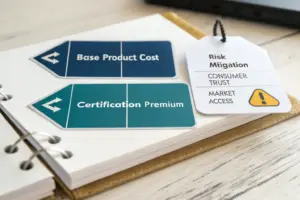
You plan to start production with a new apparel supplier. The kick-off meeting is scheduled. But have you verified their certifications? A certificate can look convincing on paper. Its authenticity matters greatly. Overlooking this step risks quality issues and delayed shipments. It might even create legal problems. This process is essential. It forms your first defense.
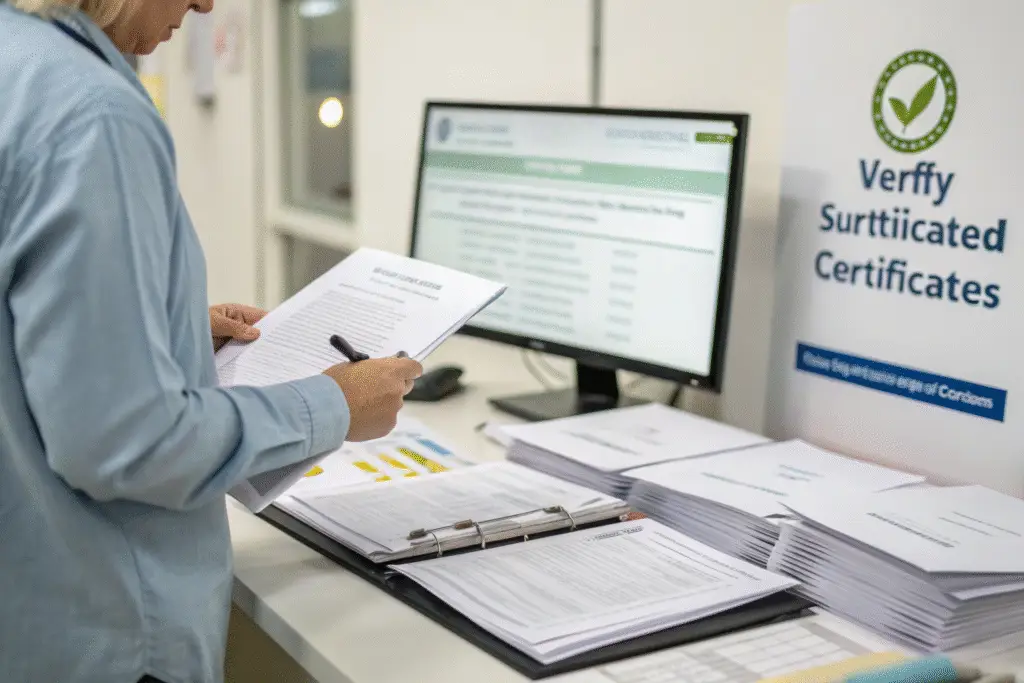
Verifying supplier certificates before production ensures product quality and ethical manufacturing. It also secures on-time delivery. Check documents like BSCI and OEKO-TEX directly with issuing bodies. Do not rely only on supplier copies. This proactive approach reduces risk. It builds a trustworthy partnership foundation.
Many brand owners ignore this step. They trust their initial judgment. They feel pressure from tight schedules. This trust often leads to high costs. Let us show you how to check your partner's credentials properly. You can turn a weakness into a supply chain strength.
How to check BSCI audit report authenticity?
A BSCI report proves social compliance. How can you confirm its validity? Some suppliers might alter documents. They present these as ethical manufacturing proof. Without verification, you might support poor labor practices.
Authentication protects your brand reputation. You must confirm the audit actually happened. You need to see the real results. The BSCI system offers specific tools for this.
What is the BSCI platform and how does it work?
The BSCI platform is an online system. The amfori organization manages it. It lets members share audit reports. They can monitor business partners' social performance. Factories undergo BSCI audits. The results go into this platform.
Buyers can request platform access. Use the amfori website. Then search for your supplier. Use their unique business partner number. View the official audit report. See the grade and audit date. Check for any problems. This direct access prevents fraud. It stops outdated paper reports.
Why should you cross-reference the business partner number?
The business partner number is unique. Your supplier must give you this number. Always check paper reports against the online platform. We had a client find a discrepancy. A supplier used an old report from a different factory. The certificate seemed genuine. The numbers did not match.
This simple check prevented a big compliance issue. Always ensure the number matches your actual factory. This is vital for reliable garment production.
What are the red flags in OEKO-TEX certification?
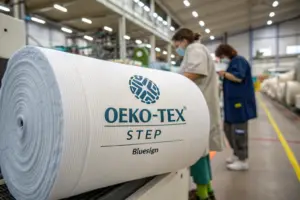
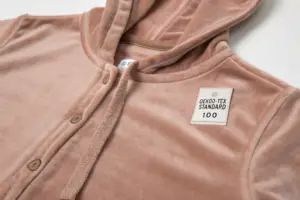
OEKO-TEX certification means textile safety. Not all certificates are equal. Some suppliers use expired or fake certificates. Others misapply them. Knowing warning signs protects you from harmful materials.
Common red flags include expired dates. Certificate numbers might not match the product. A real OEKO-TEX Standard 100 certificate is for specific products. It lists tested textile articles.
How to use the OEKO-TEX certificate check online?
The OEKO-TEX association provides a free database. You can verify any certificate. You need the certificate number or company name. Visit the official OEKO-TEX website. Find the "Certificate Check" tool. Enter your supplier's number.
The database shows the company name. It lists certified products. It gives issue and expiry dates. An missing number is a major red flag. A name mismatch is also concerning. We always do this for our fabric suppliers. It ensures your custom clothing materials are safe.
Why is a scope mismatch a critical issue?
A scope mismatch means the certificate is for a different product. A supplier may show a polyester certificate for cotton blends. This is a serious problem. OEKO-TEX certification is specific. It depends on textile composition.
The official certificate lists exact articles. It specifies product classes. You must check your product is on that valid certificate. Using a certificate outside its scope is invalid. It risks your brand selling non-compliant goods.
How to verify ISO 9001 certification for a garment factory?
ISO 9001 certification shows a quality management system. For clothing makers, this should mean consistent quality. It should ensure reliable processes. But the certificate alone does not guarantee this.
You must check its legitimacy. You must confirm its scope. A real ISO 9001 certificate comes from an accredited body. First, identify the issuing body. Then contact them for confirmation.
What information should a valid ISO 9001 certificate contain?
A valid certificate has clear information. It names the accredited certification body. It shows the company name and address. It defines the scope of certification. It provides issue and expiry dates.
The scope is especially important. It should cover "apparel design and manufacturing" or similar wording. A vague scope may not apply to your needs. Always request the original certificate. Do not accept just a logo on a brochure.
How to contact the certification body for verification?
Contacting the issuer is the best method. Reputable bodies include DNV, BSI, and SGS. They often have online verification databases. Use the certificate's unique number.
If no database exists, email or call them. Provide the certificate number and company name. They will confirm its active status. We do this for every new factory partnership. It confirms their systems meet claimed standards.
Best practices for verifying other key supplier documents?
Other documents also matter. These include business licenses and export permits. Bank information is also important. Checking these establishes legal and financial legitimacy.
A systematic approach prevents future issues. It helps avoid logistics and payment problems. Create a master document checklist. Follow it methodically.
Why is a business license verification essential?
A business license confirms legal registration. It shows the official company name. It provides the business address and scope. You should get a copy from your supplier.
Check the name matches on all documents. Ensure it matches bank accounts too. In China, use government commerce sites for verification. Name mismatches cause serious issues. They affect letters of credit. This is a basic B2B check.
How to confirm export credentials and logistics capability?
For smooth DDP shipping, confirm export credentials. Ask for customs declaration records. Request proof of past exports to your market. This shows experience with import rules.
Discuss their logistics partners. A good clothing manufacturer has established forwarders. They should explain their export documentation process. They must detail customs clearance. This verification affects delivery reliability. It helps prevent missed selling seasons.
Conclusion
Verifying supplier certificates is strategic. It is not just bureaucracy. It invests in your supply chain stability. It protects your brand integrity. Authenticate BSCI, OEKO-TEX, and ISO certificates. Confirm business and export licenses.
This process addresses key pain points. It prevents shipment delays. It avoids quality failures. It replaces uncertainty with confidence. A transparent supplier with credentials is likely transparent in operations. This diligence defines successful long-term partnerships.
Your apparel vision needs a transparent manufacturing partner. We offer verifiable certifications. We have a proven U.S. market track record. We provide full documentation. We welcome your verification checks. Please contact our Business Director, Elaine. Her email is elaine@fumaoclothing.com. Let us help bring your collections to market successfully.