In the whirlwind world of fashion sourcing—let's be real—a single delay, a quality hiccup, can throw your entire season off track. You're not just purchasing fabric; you're investing your brand's entire reputation into that material. Those certificates suppliers hand you? They're supposed to be your safety net. But what if that net is full of holes? The risk, to be perfectly frank, is far too real to ignore.
Protecting your brand starts here—with verifying the very foundation of your supply chain. Falsified certificates... it's an unfortunate open secret in global manufacturing. The result? Shipments rejected. Financial losses piling up. And consumer trust, once broken, is so hard to rebuild. For you, importing from places like China and Vietnam, a rigorous check isn't just a 'good-to-have'—it's your business's essential armor. This guide? It's your actionable playbook.
By the time you finish reading, you'll have a concrete checklist. A way to confidently audit any potential partner. Let's dive into the steps—the critical steps—that separate the truly credible from the rest.
Why Bother Verifying? The Stakes Are Higher Than You Think.
A certificate. It seems so simple, right? Just a piece of paper. But honestly, it's your brand's shield. So many buyers, they just take it at face value—only to get a nasty surprise when it's far too late. The fallout from a fake certificate... it goes way beyond one delayed order. It hits your core operations. Your long-term viability.
Verifying supplier certificates is crucial, personally I think, because it's your direct shield against financial loss, legal trouble, and brand reputation taking a nosedive. Relying on an unverified document? That's just operating on blind trust. When customs holds a shipment—maybe because of a falsified organic claim—or your products fail a safety test due to a fake report... well, you're the one left holding the bag. Proactive verification? It's your first, and honestly, your best, line of defense.

What's the real cost of a fake certificate?
The risks, they're immediate. And they're everywhere. Financially, you could lose the whole investment—a production order that doesn't meet import rules is a total write-off. Legally, you could be on the hook for selling products that don't match their claims—think OEKO-TEX® or that Global Organic Textile Standard (GOTS). Fines, recalls, lawsuits can follow. But the brand damage... that's the killer. Consumer trust, gone overnight. For a business built on rebranding, that trust is everything. Valid textile certifications? Non-negotiable, actually.
How does this verification thing actually secure your supply chain?
A verified certificate. It's a marker. A sign of a supplier who's transparent, who's reliable. It tells you they have processes. That they care about international standards. This verification—it secures your supply chain by giving you consistency. You can be sure, order after order, that every shipment will hold the same quality. The same compliance. No more 'firefighting' over delays or quality fights. It lets you plan your seasons with confidence. It turns a potential risk into a genuine partner.
Which Certifications Actually Matter? Cutting Through the Noise.
The world of textile certifications—it can be a maze. Confusing, to be honest. Not all certificates are created equal, you know. Understanding what each one focuses on—that's the key. It aligns with your brand values. What the market demands.
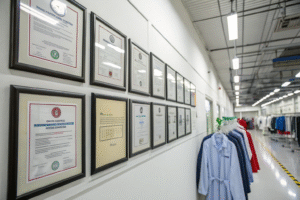
The key certifications? They depend on your product, your brand's soul, really. But the core ones—GOTS for organic, OEKO-TEX® for safety, BCI for better cotton—these are the global benchmarks. The ones retailers and consumers actually trust. A supplier having these shows a commitment to process. It's something you can rely on. A valid GOTS certificate, for instance, assures you that organic cotton in your T-shirts is tracked right from the field.
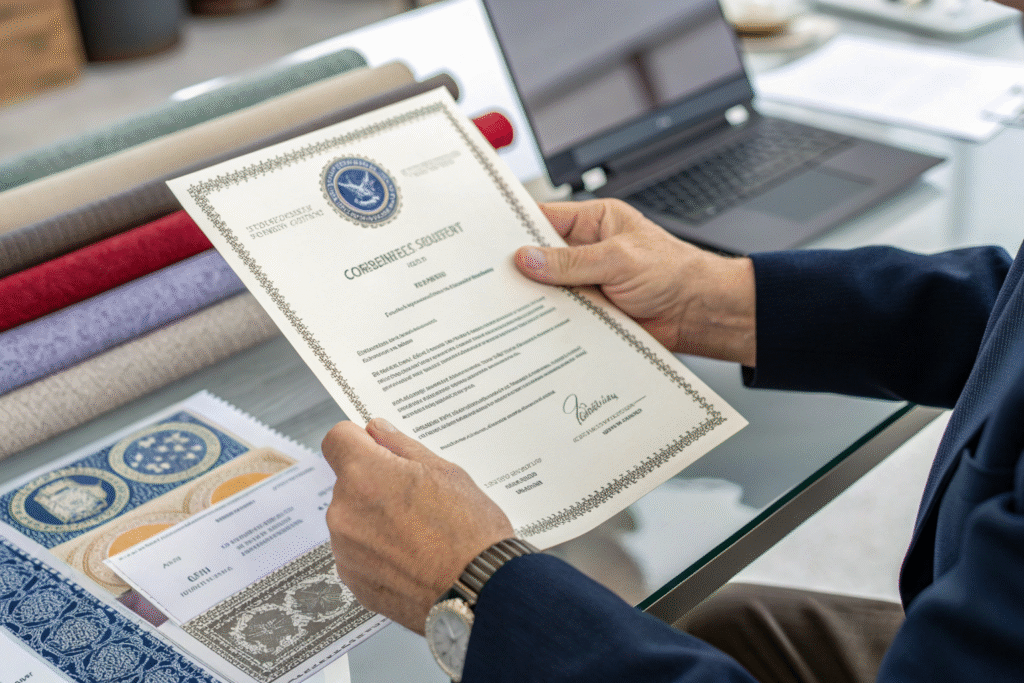
Which ones give you a real guarantee on quality and safety?
For material quality—for consumer safety—the big ones are from OEKO-TEX® Association and Global Organic Textile Standard (GOTS).
| Certification | What It's Really About | Why You Should Care |
|---|---|---|
| OEKO-TEX® STANDARD 100 | Looks for nasty stuff in the final textile. | Basically guarantees your product is safe for skin. Meets tough global rules. |
| Global Organic Textile Standard (GOTS) | Follows the organic fiber from start to finish. | Verifies the organic content. Makes sure the manufacturing is ethical and eco-friendly, too. |
| GRS (Global Recycled Standard) | Tracks the recycled material content. | Backs up your green claims. Appeals to the eco-aware customer. |
These certifications—they're your third-party validation. Proof your products are safe. That they live up to the promises you make.
And what about the ethical side of things?
Beyond just product quality—your brand gets judged on its ethics now. Its footprint. Certifications like B Corp Certification for overall good practices, Fair Trade Certified™ for safe workplaces, Better Cotton Initiative (BCI) for smarter farming—they're vital. These documents show your supplier has a conscience. It protects you from being linked to poor labor practices. A solid social compliance program—it's not a luxury anymore. It's just standard.
The Audit Process, Demystified. Your Step-by-Step Plan.
Knowing what to ask for is one thing. Knowing how to check it? That's the real game. A systematic audit—it takes the guesswork out. Replaces it with confidence. Think of this as your practical toolkit. For due diligence.
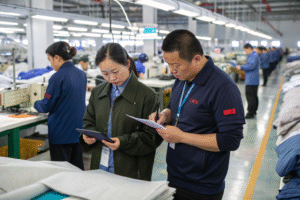
Conducting an audit—a proper one—it's a four-stage process. You request the documents. You scrutinize every detail. You go straight to the source to verify. And you cross-check the scope. This method—it makes sure nothing gets missed. I remember once, early on, we almost partnered with a factory. They had a beautiful OEKO-TEX® certificate. Looked perfect. But it was completely fake. A simple online check—that's all it took to save us from a huge mess.
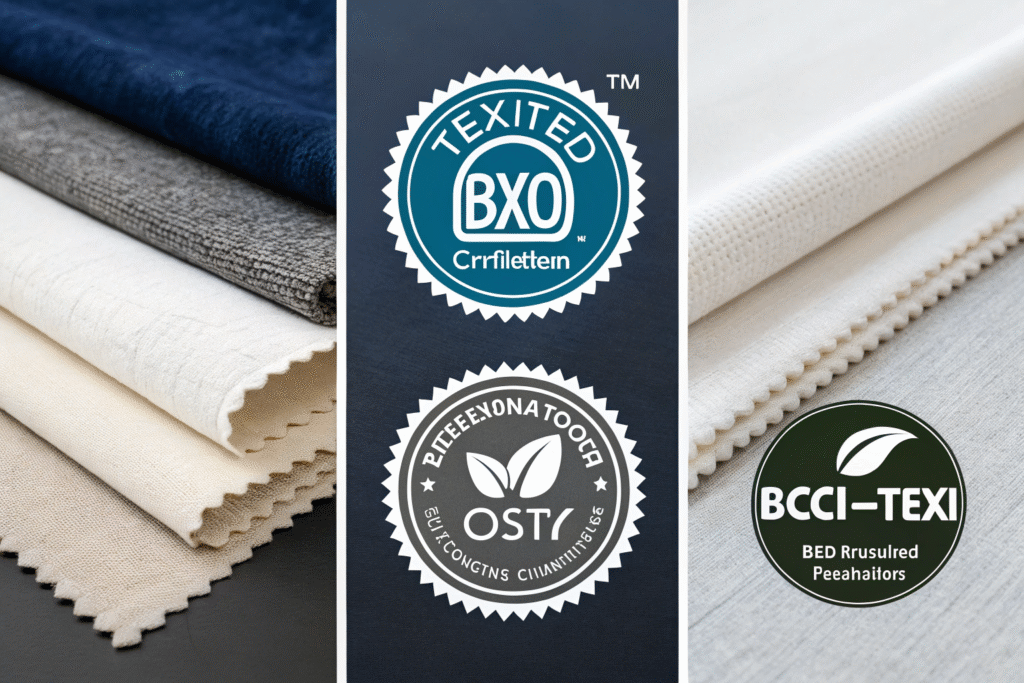
How do you spot the little lies in the document itself?
Start with the basics. The red flags. Check the dates—issue and expiry. Certificates don't last forever. Look for misspellings. Logos that look cheap, pixelated. Text that's blurry. Does the company name and address match your supplier—exactly? Sometimes a parent company is certified, but the specific factory you're using... not so much. And the scope—crucial, this—does it cover your product type? Your materials? A certificate for wovens is no good for knits. No good at all.
Where do you go for the ultimate truth?
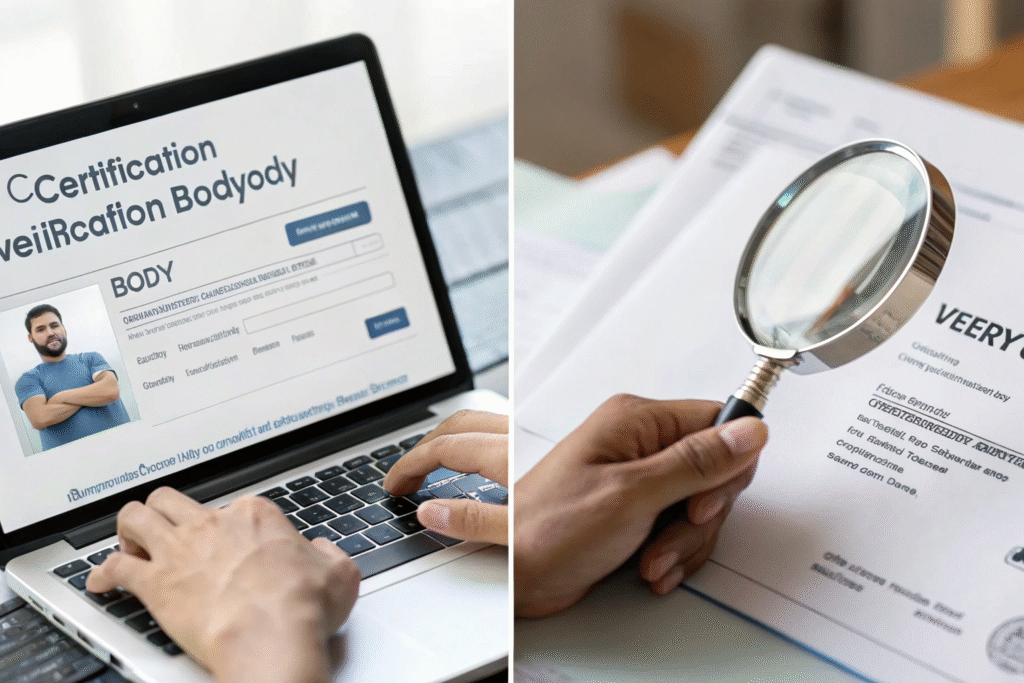
This is the big one. The critical step. Never, ever just trust a PDF. Most reputable bodies—they have online databases. You can check a certificate using its unique number. The supplier's official name.
- OEKO-TEX®: Their official
OEKO-TEX® Certificate Checkportal. It's on their site. - GOTS: The
GOTS Public Database. Find certified entities there. - SEDEX: For social stuff, the
SEDEX Members Ethical Trade Audit (SMETA)database.
Go to the official website. Find their verification tool. Type in the details from your supplier's certificate. If it doesn't match—if it's not found—that's a major red flag. A major one.
Beyond the Audit: Building a Partnership That Lasts.
Finding a verified supplier—it's a win. A big one. But the real value? It's in nurturing that. Growing the partnership. A trustworthy supplier is an asset. A strategic one. The verification—it's just the foundation.
Building a long-term relationship with a verified supplier—it's all about transparency. Shared goals. A commitment to getting better, together. It's about moving past that simple buyer-seller transaction. Once you've confirmed their credentials—through a rigorous audit—you can stop focusing on doubt. Shift your energy to collaboration. To growth. This is where the magic happens. The real efficiency.
Why does all this verification lead to smoother talks?
Verification builds trust. It's that simple. When both sides are working from verified, transparent documents, your conversations start differently. From a place of respect. From facts. You don't need to question the basics—the quality, the ethics. It removes a huge source of friction. Lets you and the supplier's team focus on what matters: product development, design details, logistics. Not fighting over standards. Efficient communication—it just becomes the norm.
And how can a reliable partner fix the delay problem?
A supplier who invests in real certifications—that's a supplier who values process. Integrity. And that mindset, it spreads. To their production planning. Their logistics. They're more likely to have good supply chain management systems. A real history of on-time delivery. Plus, a trusted partner will be upfront about challenges. They'll work with you to avoid risks—maybe suggest a better timeline, book shipping early. This proactive approach—it's the best cure for missed selling seasons. The fear of every business owner.
Conclusion
Verifying your fabric supplier's certificates—it's not admin. It's strategy. Core business strategy. Your main defense against losing money, legal headaches, a damaged brand. Understand the key certifications. Implement a rigorous audit. Use that as a foundation for a strong partnership. You turn a major risk into a real advantage. Makes your supply chain a source of strength. Not stress.
The security of your apparel line—its success—it hinges on your manufacturing partner. Don't leave it to chance. Let us show you what commitment to transparency looks like. To be honest, just reach out. Talk to our Business Director, Elaine, at elaine@fumaoclothing.com. Let's discuss your next project. Experience the confidence that comes with a partner who's fully verified. Dependable, actually.