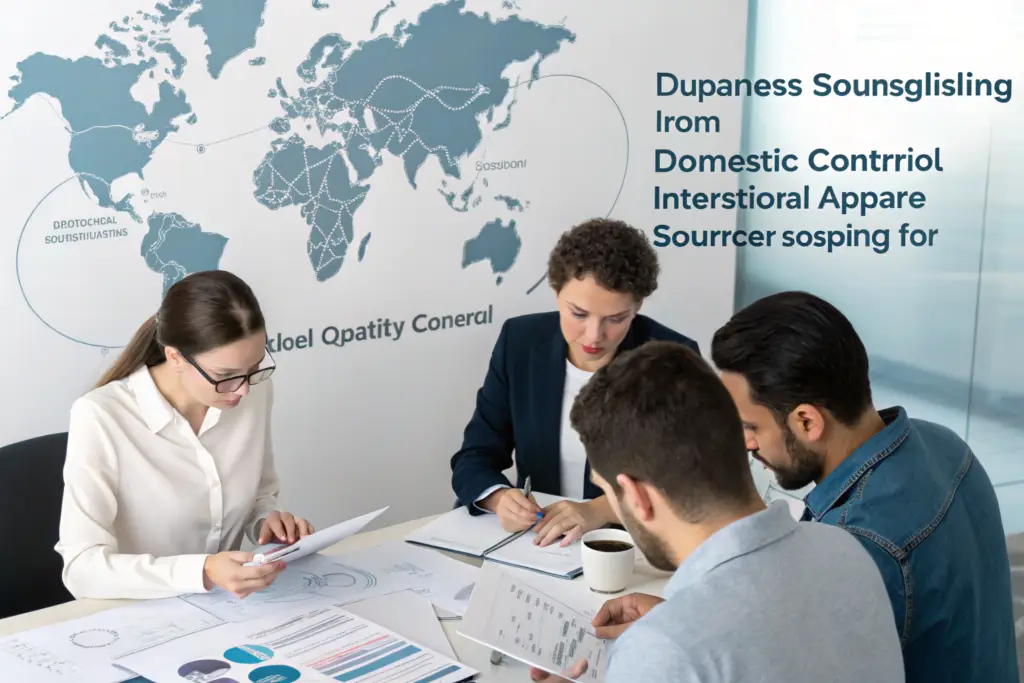
I remember the first American brand that came to us after sourcing domestically for twenty years. The owner was nervous. He had always made his clothes in Los Angeles. He knew his factory owners personally. He could drive over if there was a problem. But his costs were killing him. His competitors were selling at retail prices lower than his wholesale costs. He knew he had to change, but he was terrified of losing control, quality, and relationships. We worked with him step by step. Five years later, he's still with us. His business doubled. His quality improved. And he still talks to his factory owners personally, just from farther away.
Transitioning from domestic to international apparel sourcing requires careful planning, but it's manageable with the right approach. Start with research and education, visit potential partners, begin with a small test order, build systems for communication and quality control, and plan for longer lead times while preserving what works from your domestic experience.
At Shanghai Fumao, we've helped dozens of brands make this transition. Some came to us after bad experiences with other international suppliers. Some came to us as their first international partner. We've seen what works and what doesn't. Let me guide you through the process.
Why do brands make the move to international manufacturing?
The reasons are almost always the same. Cost is the biggest factor. But it's not the only one. Capacity, capability, and focus also drive the decision. Understanding your real reasons helps you choose the right path.
A client from New York came to us because he couldn't find domestic factories willing to make his complex jackets. The few that would were booked months in advance. He needed capacity as much as cost. We gave him both.
What cost savings can I realistically expect?
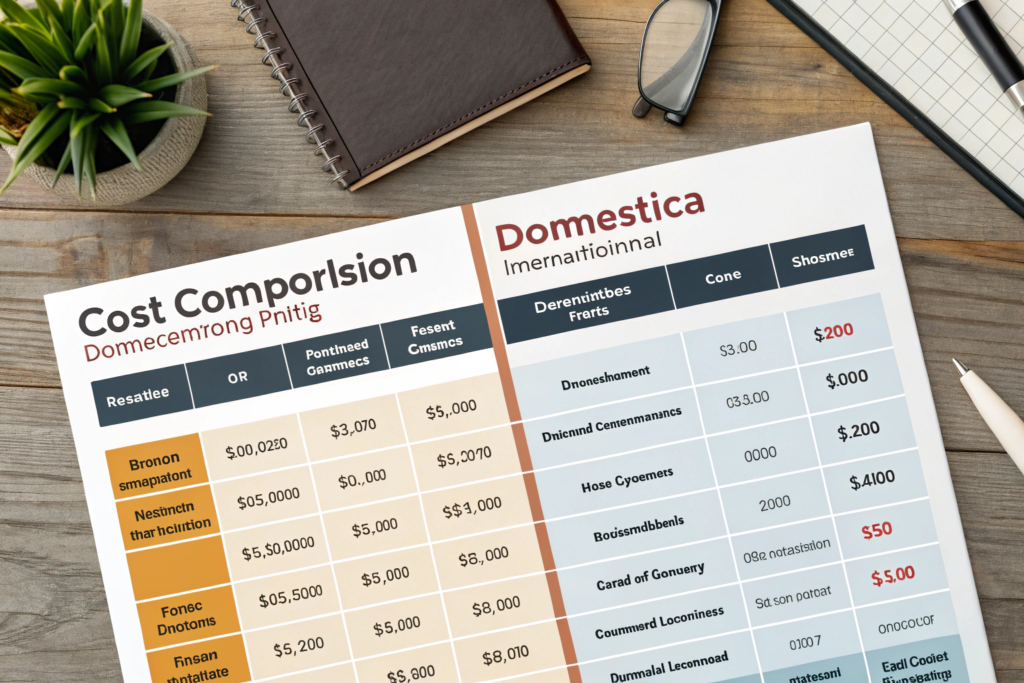
Cost savings vary by product and country, but they're substantial. A simple t-shirt that costs $12 to make in the US might cost $4-5 in China or Vietnam. A complex jacket that costs $80 domestically might cost $25-30 internationally. Labor is the biggest difference. US garment workers earn $15-20 per hour plus benefits. Workers in China earn $3-5 per hour. In Vietnam, it's $2-3. But labor is only part of the story. Fabric, trims, and overhead are also often cheaper. A client from Boston calculated his all-in savings at 45% when he switched to us. That's the difference between losing money and making it. According to McKinsey's apparel sourcing cost comparison, total landed costs from Asia are typically 30-50% lower than domestic US production for comparable quality. The savings are real.
What other benefits come with international sourcing?
Beyond cost, international sourcing offers access to capabilities. Many Asian factories specialize in specific product types. Some are world experts in denim. Others in knits. Others in outerwear. You can find a partner who truly understands your product. International sourcing also offers scale. Domestic factories are often small. They can't handle large orders or rapid growth. International factories can grow with you. A client from Chicago needed to scale from 5,000 pieces to 50,000 pieces in two years. His domestic factory couldn't keep up. We could. According to Forbes' guide to global sourcing, access to specialized capabilities and scalable capacity are often as valuable as cost savings. Think beyond price.
How do I prepare for the transition?
Preparation prevents problems. Don't just call a factory and place an order. That's a recipe for disaster. Take time to learn, plan, and build foundations.
A client from Seattle spent six months preparing before his first international order. He read everything. He talked to other brand owners. He made a list of questions. He visited three factories. His first order went smoothly because he was prepared.

What research should I do before contacting factories?
Start with basic education. Learn how garments are made. Learn the terminology: tech packs, grading, markers, cutting, sewing, finishing. Learn about different fabric types and constructions. Learn about Incoterms and shipping. Then research countries. China offers the most complete supply chain. Vietnam offers competitive pricing for certain products. Bangladesh offers lowest cost for basics. India offers strong in textiles. Each has strengths. A client from Dallas spent a month researching countries before choosing China for his complex outerwear and Vietnam for his basic t-shirts. According to Sourcing Journal's country guides, matching product type to country strengths reduces problems by 50%. Do your homework.
How do I find potential factory partners?
There are many channels. Trade shows in China like Canton Fair or Intertextile let you meet many factories in one place. Online platforms like Alibaba connect you with suppliers, but vet carefully. Industry referrals are best. Ask other brand owners who they use. Join industry groups on LinkedIn or Facebook and ask for recommendations. A client from Miami found us through a referral from another client. He trusted us immediately because someone he trusted vouched for us. According to Just-Style's factory sourcing guide, referrals have a 70% higher success rate than cold contacts. Use your network.
What should I look for in a first international partner?
Your first international partner is crucial. Choose wrong and you'll be discouraged. Choose right and you'll wonder why you waited so long. Look for specific qualities beyond just price.
A client from Atlanta chose his first partner based on price alone. It was a disaster. Late deliveries, poor quality, bad communication. He almost gave up on international sourcing. Then he found us. We weren't the cheapest, but we were reliable. He's been with us for seven years.

What experience should a factory have with US clients?
Look for factories that already work with US brands. They understand US sizing, US quality expectations, and US communication styles. They know about CPSIA, FTC labeling, and customs requirements. They have experience with the challenges of trans-Pacific shipping. Ask how many US clients they have. Ask for references you can call. A client from Boston called three of our US clients before choosing us. He said their feedback was the deciding factor. According to TradeReady's supplier evaluation guide, factories with US experience have 60% fewer compliance problems than those new to the market. Experience matters.
How important is English communication ability?
Very important. You don't need perfect English, but you need clear communication. Can they understand your emails? Can they answer questions clearly? Can they discuss problems without confusion? At Fumao, we have a dedicated English-speaking team for US clients. We know that good communication prevents most problems. A client from Denver once worked with a factory where communication was always fuzzy. Orders were always wrong. He switched to us and suddenly things worked. According to Harvard Business Review's cross-cultural communication research, communication clarity is the strongest predictor of supplier success. If you can't communicate, you can't succeed.
How do I structure my first international order?
Your first order should be a test, not a bet. Structure it to learn without risking too much. Start small, be clear, and build from there.
A client from San Francisco placed a first order for just 300 pieces per style. It was small enough that a mistake wouldn't kill him, but large enough to test real production. He learned so much from that first order. His second order was 1,000 pieces and went smoothly.
Should I start with samples or a small production run?
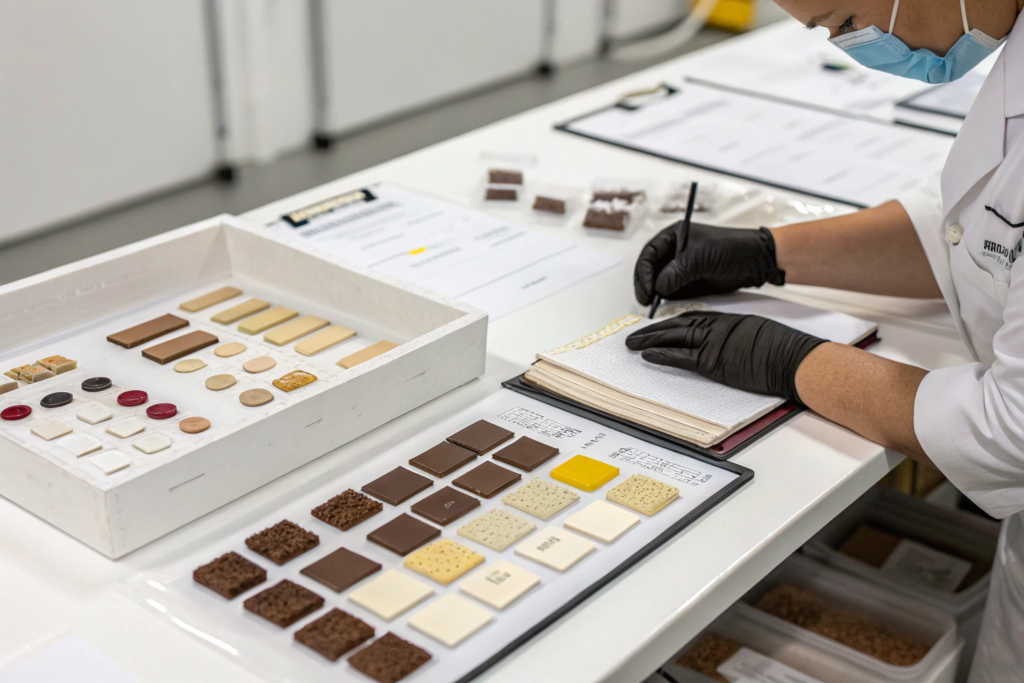
Start with samples. Always. Samples prove that the factory can make your product to your standards. They reveal communication gaps. They let you evaluate quality before committing. After samples are approved, place a small production run. Maybe 200-500 pieces per style. This tests the factory's ability to scale from sample to bulk. It tests their quality control. It tests their shipping. A client from Portland did three sample rounds before his first production order. Each round taught him something. By the time he placed production, he was confident. According to Apparel Resources' first order guide, brands that do multiple sample rounds have 80% fewer production problems than those who rush to production. Sample until you're sure.
What payment terms should I expect?
For first orders, factories typically ask for 30-50% deposit before production and balance before shipment. This is standard. They're taking a risk on a new client. As you build trust, you can negotiate better terms. Some factories offer net 30 after shipment for established clients. Never pay 100% upfront. That's a red flag. At Fumao, we ask 30% deposit for new clients, 50% for orders with special materials. After a year of good relationship, we offer 30/70 with balance after inspection. According to International Trade Administration's payment guide, standard terms protect both sides. Don't ask for terms that make the factory uncomfortable. They'll just build the risk into your price.
How do I manage quality and communication from afar?
Distance changes how you manage production. You can't drive over to check on things. You need systems that give you visibility and control from thousands of miles away.
A client from Chicago does a video call with us every week during production. We walk the line with a tablet. He sees his goods being made. He asks questions. He makes suggestions. He feels present even though he's 7,000 miles away.

What quality control systems should I require?
Require a clear quality control plan. The factory should have in-line inspection during production, not just final inspection. They should use AQL sampling standards. They should provide inspection reports. Consider hiring a third-party inspection company for your first few orders. They'll check the goods before shipment and give you an independent report. A client from Boston uses a third-party inspector for every order, even after years with us. He says the cost is worth the peace of mind. According to Quality Digest's remote QC guide, third-party inspection catches 95% of defects before shipment and reduces returns by 80%. It's cheap insurance.
How often should I communicate during production?
Establish a regular communication schedule. A weekly email or call works well. For critical orders, twice weekly. During sampling, more frequent communication is normal. At Fumao, we send production updates with photos at key milestones: fabric cutting, sewing start, 50% complete, quality control. Clients who stay in regular touch have fewer surprises. A client from Dallas calls every Tuesday at 9am his time, which is 9pm our time. We're always ready. According to Supply Chain Quarterly's communication best practices, regular scheduled communication reduces emergency calls by 70%. Predictable contact builds trust.
How do I adapt my business processes for international sourcing?
International sourcing requires changes to how you run your business. Lead times are longer. Order cycles are different. Cash flow needs adjustment. Planning for these changes makes the transition smoother.
A client from Seattle initially struggled with longer lead times. He was used to ordering and receiving in 3-4 weeks. International sourcing took 10-12 weeks. He had to forecast further ahead. It took a year to adjust, but now his planning is better than ever.

How do I adjust my production calendar?
Add 8-10 weeks to your domestic timeline. Sample approval might take 3-4 weeks. Production might take 4-6 weeks. Shipping takes 3-4 weeks. Total from order to delivery is typically 12-16 weeks. Plan accordingly. Order your next season while you're selling the current one. A client from Denver now orders his spring line in September, not January. It felt strange at first, but now it's routine. According to Journal of Business Logistics' lead time research, brands that plan 4-6 months ahead have 40% fewer stockouts than those who order closer to season. Longer lead times force better planning.
What changes in inventory management are needed?
You'll need more inventory. Longer lead times mean you can't reorder as quickly. You'll need safety stock to cover the gap between orders. This ties up cash but prevents stockouts. Calculate your reorder point based on your new lead time, not your old one. A client from Atlanta initially kept his old inventory levels and ran out of stock repeatedly. He increased his safety stock by 50% and the problem disappeared. According to Inventory Management Review's safety stock calculator, increasing lead time from 4 weeks to 14 weeks requires 2-3 times more safety stock to maintain the same service level. Plan your cash flow accordingly.
Conclusion
Transitioning from domestic to international apparel sourcing is a journey. It requires research, preparation, careful partner selection, and adaptation. But the rewards are substantial: 30-50% cost savings, access to specialized capabilities, and capacity for growth. Start with education. Visit potential partners. Begin with a small test order. Build systems for quality and communication. Adjust your planning and inventory. And choose a partner who will guide you through the process, not just take your order.
At Shanghai Fumao, we've guided dozens of brands through this transition. We understand the fears and the challenges. We've helped clients who were terrified of international sourcing become confident global players. We're not just a factory. We're a bridge to a new way of doing business.
If you're ready to explore international sourcing, let's talk. Contact our Business Director, Elaine, directly at elaine@fumaoclothing.com. Tell her where you are in your journey. She'll be honest about whether we're a good fit. She'll answer your questions. She'll help you take the first step, no pressure. Your global future is waiting.