When a brand invests in OEKO-TEX certification, the real guarantee isn't just the paper certificate—it's the people on the factory floor. A single untrained QC inspector passing a batch with non-compliant thread can void the entire certification, risking your brand's reputation. So, how do you build a human system that is as reliable as the chemical test reports? This is the operational core that separates truly dependable factories from those that just sell certificates.
Training QC teams on OEKO-TEX requires moving beyond theory to embed practical, daily routines. It involves a three-tier system: foundational knowledge of the "why," procedural mastery of segregated workflows and document checks, and empowerment through clear escalation paths. The goal is to make compliance an instinctive part of their inspection checklist, not a separate, abstract concept.
At our factory, we treat this training not as a one-time event but as a continuous culture. Let me walk you through how we build this human firewall.
What Foundational Knowledge Must Every QC Inspector Have?
You cannot inspect what you don't understand. Before an inspector can check for compliance, they must grasp what OEKO-TEX is, what it is not, and why their role is critical. This isn't about making them chemists; it's about giving them context.
Every QC inspector must understand that OEKO-TEX Standard 100 is a product safety standard focused on harmful substances. They must know it is verified by external audits, that it applies to all components in a garment, and that their job is to protect the certificate's integrity by enforcing material and process segregation. They are the final human checkpoint before the product carries your brand's name.
This foundation turns their role from passive checking to active guardianship.

How do you explain the "why" in simple, relatable terms?
We use analogies that connect to daily life and clear consequences:
- Analogy: "Think of OEKO-TEX like a food safety certificate for a restaurant kitchen. Our certificate proves our 'kitchen' is clean. But if one cook uses an expired ingredient, the whole meal fails. You are the head chef checking every ingredient that goes in."
- Consequence Chain: We explain clearly: "If we mix a non-certified button into a certified batch, and it's found in an audit or worse, by the customer, the entire shipment can be rejected. The brand loses money and trust, and our factory loses a client. Your vigilance protects everyone's job."
We make it personal and practical. Last year, we showed our team photos of skin irritation from allergenic dyes, alongside the OEKO-TEX test report that screens for those same dyes. This visual link between their work and real-world impact dramatically increased their attentiveness.
What are the absolute non-negotiable rules they must memorize?
We distill it into three "Golden Rules" printed on lanyards and workstation signs:
- No Mixing: Certified and non-certified materials must never touch the same cart, machine, or bin during a certified run.
- Check the Tag: Every fabric roll, thread cone, and trim box must have a visible, valid OEKO-TEX material identification tag or be from a designated "Certified Only" storage area. No tag, no use.
- Document Trail: Every batch of cut pieces must travel with its batch ticket, which references the OEKO-TEX test report numbers for the fabrics used.
New inspectors are quizzed on these rules daily for their first week. This repetitive reinforcement builds muscle memory.
How to Structure Practical, Hands-On Training Modules?
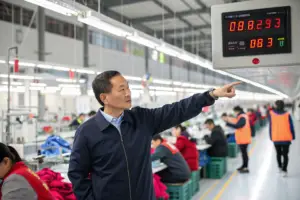
Theory alone fails on the production floor. Training must be hands-on, scenario-based, and conducted in the actual work environment. We run our new QC inspectors through a "Compliance Boot Camp" that mirrors real production challenges.
Practical training is structured around stations that simulate key control points: Raw Material Receiving, In-Process Line Inspection, and Final Random Audit. At each station, trainees must identify intentional errors we have planted, such as a fabric roll without a tag or a cart of certified pieces contaminated with non-certified thread spools.
This method builds confidence and critical thinking, not just rote memorization.

What does the Raw Material Receiving station teach?
At this first checkpoint, trainees learn to be gatekeepers. We set up a receiving dock simulation with:
- Several fabric rolls, some with correct OEKO-TEX tags, some with missing tags, some with expired tags.
- Boxes of buttons and zippers with and without compliance documentation.
- A sample mill test report.
Their task: Using a simple checklist, they must either "Accept," "Quarantine," or "Reject" each item and document the reason. This teaches them to verify the certificate number against our internal Qualified Materials List (QML) and to spot discrepancies. We've found that after this training, errors at the actual receiving dock dropped by over 90%.
How does the In-Process Line Inspection simulation work?
This is the most dynamic training. We set up a mock sewing line with a mix of correct and intentional violations:
- A sewing operator using a thread spool from a non-designated (non-certified) bin.
- A bundle of cut pieces without an attached batch ticket.
- A cleaning rag left on a bundle of certified fabric.
The trainee's task: Walk the line and identify every violation within a time limit. This sharpens their observational skills for "foreign" items in a certified zone. We record their findings and debrief, discussing the potential root cause of each error (e.g., poor housekeeping, unclear signage).
What Role Do Digital Tools and Visual Management Play?
In a fast-paced factory, relying solely on memory is a risk. Digital tools and strong visual cues act as a constant "second set of eyes" for the QC team, reducing cognitive load and preventing fatigue-based errors.
We implement a system of visual management and simple digital checklists. Color-coding (Green = OEKO-TEX), clear zoning (taped floor areas, labeled shelves), and digital job tickets that flag certified orders force compliance into the workflow. QC inspectors use tablet-based checklists that won't let them proceed if a required field (like "Material Tag Verified") is not completed.
This bakes the requirements into the process itself.

Can you give examples of effective visual controls?
- Color-Coded Everything: Green lint-free bags for certified cut parts. Green carts for moving them. Green bobbin cases on sewing machines for certified thread. This makes contamination visually obvious.
- Shadow Boards: For tools and supplies in a certified line area, every item has a outlined spot. A missing thread spool or a pair of scissors from another line is immediately noticeable.
- Andon Lights: If a QC inspector finds a potential contamination or missing document, they can activate a yellow light at the workstation, pausing operations until a supervisor resolves it.
These are not just for QC; they empower every operator to be a first-line defender, creating a culture of collective responsibility.
How do digital checklists improve accuracy and traceability?
We replaced paper checklists with a simple app on rugged tablets. For a certified order, the checklist auto-populates with mandatory OEKO-TEX verification steps. For example:
- At Fabric Spreading: Inspector must scan the barcode on the fabric roll tag. The system verifies it against the QML.
- At Final Audit: Inspector must enter the garment lot number and confirm the Transaction Certificate (TC) draft has been generated.
This data is logged in real-time, creating an immutable digital trail. It also allows us to analyze data for recurring issues. For instance, if we see multiple "missing batch ticket" flags at a specific line, we can retrain that line leader. This data-driven approach was pivotal in passing a major brand's unannounced audit last quarter, as we could instantly pull up the complete digital QC record for the batch they selected.
How to Maintain Knowledge and Handle Non-Conformities?
Training is not a vaccine; it requires boosters. The standards update, staff turnover, and complacency can creep in. A proactive system for ongoing education and a clear, non-punitive protocol for handling mistakes is essential for long-term integrity.
We maintain knowledge through monthly "micro-training" sessions (10-15 minutes) and an annual recertification. To handle non-conformities, we have a clear "Stop, Escalate, Document, Correct" protocol that focuses on fixing the system, not blaming the person. This encourages honesty and rapid reporting of issues, which is far safer than hiding them.
A culture that fears reporting errors is a culture where errors get shipped.

What is included in a monthly micro-training session?
These are brief, focused stand-up meetings at the start of a shift. Topics are based on recent data:
- Case Study: "Last week, we found a non-certified interlining in the certified storage area. How did it get there? How do we prevent it?" (Team discussion leads to a new rule: all interlining deliveries must go directly to QC for verification).
- Standard Update: "OEKO-TEX has added a new restricted substance for this year. This means our new fabric tests will be stricter. Be extra vigilant with any new material approvals."
- Quiz: A quick 3-question quiz on the Golden Rules, with small rewards for perfect scores.
This keeps the knowledge fresh and relevant, directly tied to real factory events.
What is the step-by-step protocol when a QC inspector finds a problem?
The protocol is known to all:
- Stop: Pause further processing of the affected batch if possible.
- Escalate: Immediately notify the line supervisor and the dedicated Compliance Officer.
- Document: The inspector fills a simple non-conformity report on their tablet, taking photos if applicable.
- Correct & Root Cause: The Compliance Officer leads a quick analysis: Is this a one-time error (a stray spool) or a system failure (unclear labeling in the trim store)? They implement the correction and update procedures if needed.
The key is that the inspector who finds and reports the issue is thanked, not blamed. This has been crucial for us. Last year, a vigilant inspector found that a new batch of hangtags, while looking identical, lacked the OEKO-TEX license number on the back. Because she reported it immediately, we caught it before sewing and avoided having to re-tag 2,000 garments.
Conclusion
Training a QC team on OEKO-TEX is about building a human-led, system-supported culture of vigilance. It starts with foundational understanding, is solidified through relentless hands-on practice, is assisted by smart visual and digital tools, and is sustained through continuous learning and a transparent approach to mistakes.
For a brand, the ultimate assurance is knowing your factory has this living, breathing system in place—a system where every team member understands they are the guardians of your brand's promise of safety and quality.
If you are evaluating manufacturing partners, look beyond the certificate. Ask about their training programs, their visual management, and their non-conformity process. At Shanghai Fumao, we open our training records and welcome clients to observe our QC processes because we have built this system not for show, but for reliable, long-term partnership. To see this operational integrity in action for your next golf apparel order, contact our Business Director, Elaine: elaine@fumaoclothing.com.