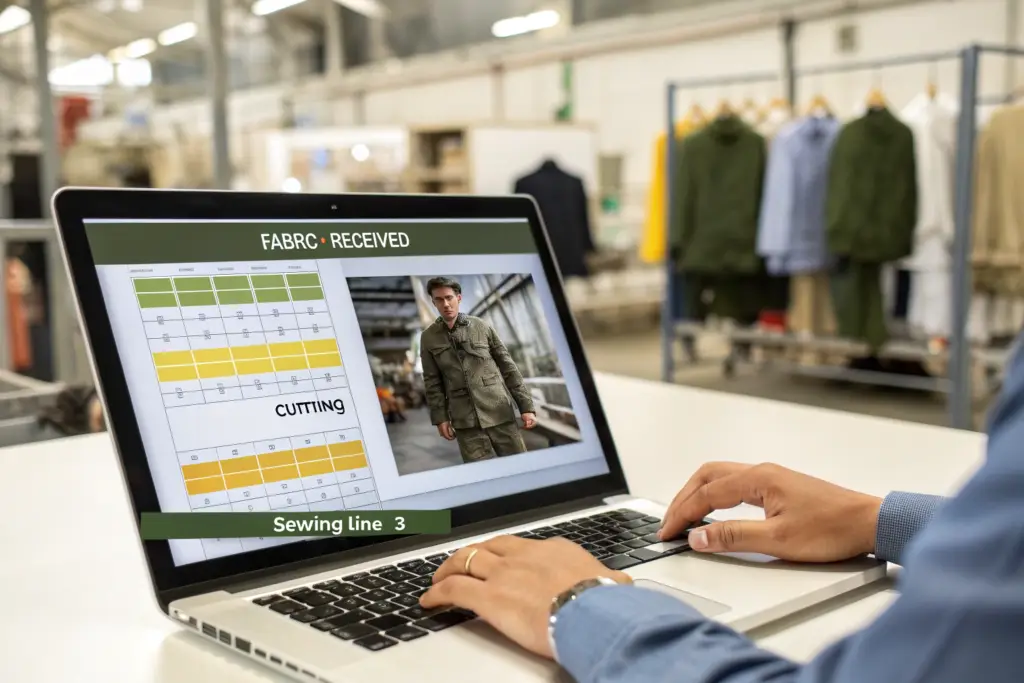
Ordering camo jackets from an overseas factory often feels like sending your design into a black box. You send payment and tech packs, then wait anxiously for weeks, unsure if your order is on schedule, if quality is being maintained, or if problems are brewing. This lack of visibility is a top pain point for brand owners, leading to missed seasons and costly emergencies. But it doesn't have to be this way.
You can effectively track production progress for camo jackets in overseas factories by establishing a structured communication protocol with your supplier before order confirmation, requiring regular visual and data-driven updates at key production milestones, and utilizing independent verification methods for critical stages like fabric sourcing and final inspection.
Effective tracking transforms the opaque into the transparent. It turns your supplier from a distant executor into a accountable partner. For buyers of technical apparel like camo jackets, where details matter and deadlines are tight, a robust tracking system is not a luxury—it's a necessity for business survival. Here is how Shanghai Fumao recommends, and practices, a system that works.
What Are the Key Milestones to Monitor in Production?
Tracking every stitch is impossible, but monitoring critical control points is both feasible and essential. These milestones are the pillars holding up your production schedule. Missing one usually indicates a downstream delay. A professional factory should proactively report on these without you having to ask.
The key milestones to monitor are: 1) Fabric Sourcing and Lab Test Approval, 2) Cutting Date and Piece-Count Verification, 3) Launch of Main Sewing Lines, 4) Completion of Wash/Labeling/Packing (if applicable), and 5) Final Random Inspection and Shipment Booking. Each milestone gates the next phase of production.
Why is Fabric Sourcing the Most Critical Milestone to Track?
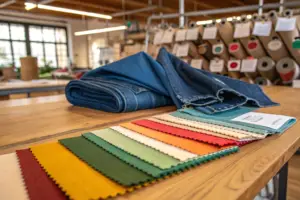
For camo jackets, the fabric is your single biggest lead-time item and quality determinant. Delayed or substandard fabric guarantees a failed order.
- Licensed Camo: If using Realtree or Mossy Oak, track the submission of your license agreement to the mill and the mill's confirmation of production schedule. We once had a client whose previous supplier lied about submitting the paperwork, causing an 8-week delay. At Shanghai Fumao, we provide the mill's official order confirmation and fabric sample within 48 hours of our order placement.
- Lab Testing: Do not just accept a "pass" statement. Request the actual test reports for colorfastness, shrinkage, and waterproofing (if applicable) from a third-party lab like SGS or Intertek. This is your proof against receiving falsified certificates. We embed these reports in your first weekly update.
Tracking here means getting evidence, not just assurances. This step alone can prevent over 50% of potential production disasters.
How Do I Verify Progress After Cutting Starts?
The "cutting" milestone is where your order becomes physical. To verify it, request two things:
- A Video of the Cutting Table: A short clip showing the layered camo fabric being cut, with your order's marker paper on top. This confirms the correct fabric is being used and the job has started.
- Cut Piece Bundle Tickets: Ask for a photo of the bundled cut pieces, each with a ticket noting the style, size, and quantity. This allows you to cross-check the total count before pieces enter the sewing line.
A distributor we work with had a terrible experience: their factory cut the wrong size ratio, and they didn't discover it until final inspection. Our mandatory "Cutting Verification" update, which includes the above, eliminates this risk entirely. It’s a core part of our production tracking system.
What Should a Reliable Factory's Progress Report Include?
A simple "production is going well" email is worthless. A reliable report is a structured data package that provides objective, verifiable evidence of progress. It should answer the what, when, and how clearly.
A reliable factory's progress report must include: 1) A dated status update against the master schedule, 2) High-resolution photos and/or videos from the factory floor specific to your order, 3) Quantitative data (e.g., pieces completed), and 4) A section for any issues encountered and the corrective actions taken.
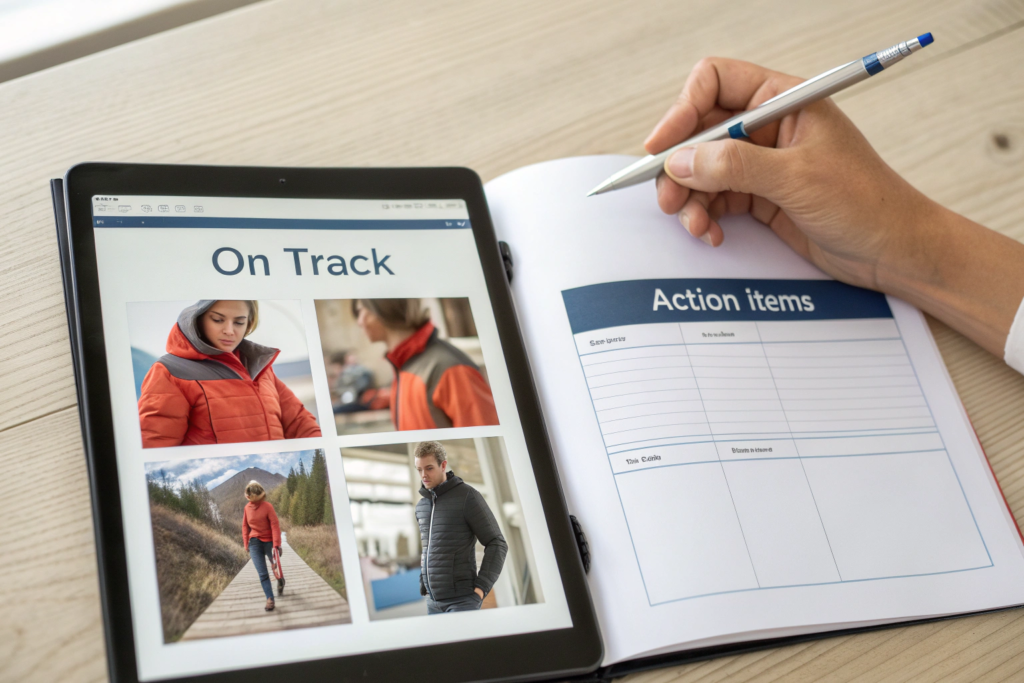
Can You Show Me an Example of an Effective Photo/Video Update?
Absolutely. For a camo jacket order in the sewing stage, an effective visual update would contain:
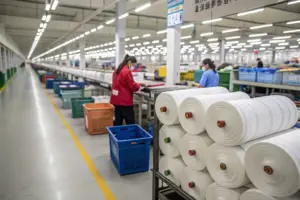
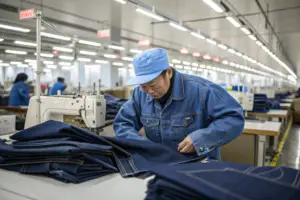
- Photo 1: An overview of the dedicated sewing line for your order, showing multiple units in progress.
- Photo 2: A close-up of a critical construction detail, like the seam-taped shoulder or the attached hood, to confirm spec adherence.
- Video (15-30 seconds): A walk-through showing operators working on different parts of the jacket (e.g., attaching sleeves, setting zippers), with the date and order number written on a whiteboard in the shot.
This approach gives you a "virtual factory tour." Last season, for a client in Colorado, our video update revealed a temporary lighting issue on one line. We flagged it in the report and showed the adjusted lighting the next day, building immense trust. This level of transparency solves the universal pain point of inefficient communication.
What Quantitative Data is Meaningful?
Numbers provide objective truth. Your weekly report should include a simple table like this:
| Stage | Planned Qty (Pcs) | Completed as of [Date] | Completion Rate | Notes |
|---|---|---|---|---|
| Fabric Inspection | 5,000 | 5,000 | 100% | Passed, report #123 attached |
| Cutting | 5,000 | 5,000 | 100% | Video & bundle tickets sent |
| Sewing | 5,000 | 2,850 | 57% | Line 3 & 4 running, on schedule |
| Insulation Quilting | 5,000 | 1,200 | 24% | Sub-process for Line 3 jackets |
| Final Inspection | 5,000 | 0 | 0% | Scheduled for next Friday |
This table instantly shows if production is on pace. A completion rate lagging behind the timeline is a red flag requiring immediate discussion. It moves conversations from "Is it on time?" to "How do we solve this specific delay?"
How Can I Independently Verify the Factory's Reports?
Relying solely on your supplier's self-reporting carries risk. Smart buyers incorporate independent checks at critical junctures. This isn't about mistrust, but about prudent risk management and quality control.
You can independently verify progress by hiring a third-party inspection company for pre-shipment checks, conducting a surprise video call audit of the production line, and using shipping documentation and container tracking as objective progress indicators.
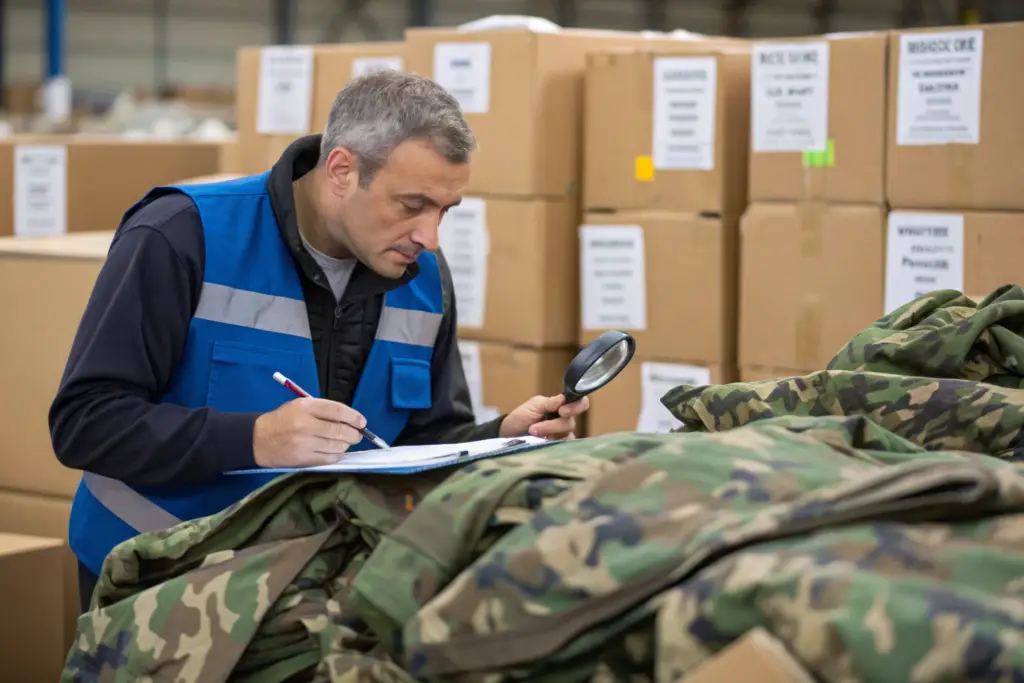
When Should I Hire a Third-Party Inspector?
For bulk orders, a pre-shipment inspection (PSI) is a wise investment. The optimal time is when at least 80% of the order is packed, but before the container is sealed. The inspector will:
- Check a random sample (based on AQL standards) for quality against your approved sample.
- Verify quantity, packing, labeling, and shipping marks.
- Provide a report with pass/fail status and photo evidence.
This is your final safety net. A brand owner we now partner with avoided a catastrophe when their inspector found incorrect care labels sewn into 2,000 jackets at another factory. The factory had to rework all units, but the buyer avoided receiving faulty goods. While we at Shanghai Fumao provide our own rigorous final audit, we welcome and facilitate third-party inspections for our clients' absolute peace of mind.
How Do Shipping Documents Serve as Tracking Tools?
Documents don't lie. The generation of shipping documents is a tangible milestone that proves production is complete.
- Bill of Lading (BL) Draft: Request the draft BL as soon as it's created. It lists the container number, product description, and quantity—proof your goods are ready to ship.
- Container Loading Photos/Videos: Ask for photos of the sealed container with the seal number visible, and a video of the loading process if possible.
- Vessel Tracking: Use the container number or BL number to track the vessel's real-time location on websites like MarineTraffic.
This shifts your tracking from "production" to "logistics." It also provides concrete evidence against which to hold the factory accountable for on-time shipment. Our export & logistics team automatically provides these documents and links to our clients, completing the visibility loop from factory floor to destination port.
Conclusion
Tracking production for camo jackets overseas is not a passive activity of waiting for updates. It is an active management process that you must initiate and structure from the very beginning. By defining clear milestones, demanding evidence-based reporting, and employing independent verification, you pull back the curtain on the manufacturing process.
This proactive approach transforms uncertainty into control, mitigates the risks of delays and quality failures, and builds a partnership based on transparency and data. The right factory will not resist this; they will welcome it as a sign of a professional, long-term partner.
If you are tired of the black box and seek a manufacturing partner for your camo jackets who believes in radical transparency and structured communication, Shanghai Fumao has built its systems for you. Let us show you how clear, consistent tracking can make your next overseas production run your smoothest yet. To discuss implementing a robust tracking protocol for your order, please contact our Business Director Elaine at: elaine@fumaoclothing.com.