Managing communication with garment factories overseas can be a challenge—even for seasoned apparel brands. Misunderstandings due to language barriers, time zone differences, and inconsistent updates often lead to production delays and lost profits.
The key to success lies in setting up clear communication systems, using the right tools, and partnering with a factory that prioritizes transparency and collaboration.
In this article, I’ll break down the steps and tools we use at Fumao Clothing to ensure smooth and effective communication with our global clients, especially those in the U.S.
What Communication Tools Work Best for Factory Coordination?
Choosing the right tools can significantly improve how effectively you communicate with your overseas garment supplier. Traditional emails often fall short—delays, clutter, and misinterpretation are common. Today, smarter systems are required.
For efficient coordination, tools like Slack, Trello, and Google Workspace offer real-time collaboration, reducing confusion and increasing accountability.
Should You Use Project Management Platforms?
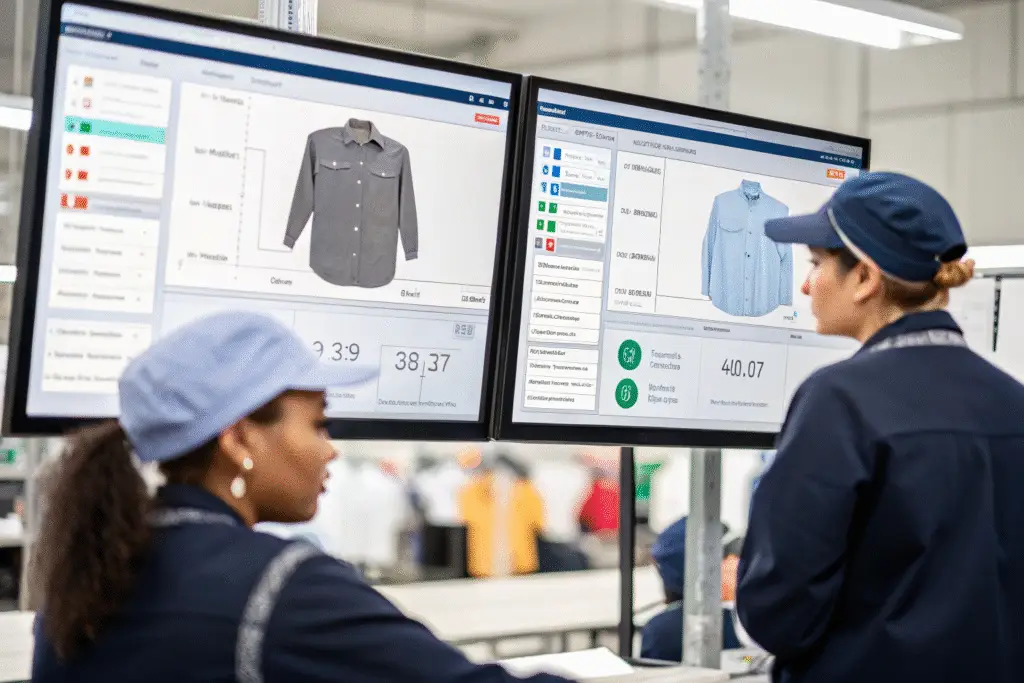
Project management software like Asana or ClickUp allows both your team and the factory team to track production timelines, upload tech packs, and assign responsibilities. Unlike back-and-forth emails, these tools create visibility across all stages of production.
With Fumao, many of our clients prefer using shared folders on Google Drive for sample photos, approval comments, and size specs. It keeps all updates in one place and prevents version control issues.
How Important Are Video Calls and Messaging Apps?
Video calls bridge cultural and language gaps. A quick Zoom or Google Meet session can replace 20 confusing emails. Messaging apps like WeChat or WhatsApp Business help with real-time updates, especially during sampling or QC inspections.
When urgent changes arise, these instant tools speed up decision-making. We encourage buyers to record key video calls for reference during later production stages.
How Can You Prevent Misunderstandings in Technical Specs?
Even the best supplier can't guess what a brand wants without clear specs. Vague tech packs or missing measurements lead to mistakes, delays, and cost overruns.
The secret is to use visual clarity, universal terms, and proactive clarification in your tech packs and sample feedback.

How Detailed Should Tech Packs Be?
A good tech pack includes flat sketches, point-of-measurement (POM) tables, fabric and trim details, colorways, and label placements. Tools like Techpacker help standardize this information across suppliers.
You should also include tolerances and make sure the unit system is consistent—centimeters or inches, not both. We help clients refine their tech packs to align with factory-ready formats.
What’s the Best Way to Handle Fit and Sample Revisions?
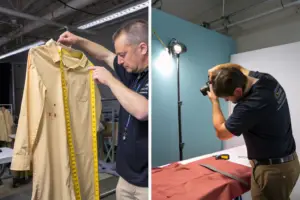
During fit approvals, photos and comments alone aren’t enough. Use annotation tools like Markup Hero or PDF comments to mark issues directly on images. When necessary, send physical samples back with notes attached.
Some brands also record short video clips explaining issues—this makes sure nothing is lost in translation. We accept both formats at Fumao and often reply with matching correction visuals.
How Do Time Zones and Language Barriers Affect Workflow?
Time differences can break momentum, especially when one side waits 12 hours for a reply. Language barriers make this worse, leading to costly misunderstandings.
To overcome these obstacles, schedule overlapping hours and simplify all communications. Use checklists and confirmations.

When Should You Schedule Overlapping Hours?
Try to arrange daily or weekly check-ins during mutually available times. A 30-minute overlap in the morning or evening works wonders. At Fumao, our sales team adjusts working hours to match U.S. time zones during key stages like production launch or QC.
We also create shared calendars to help both teams align on milestone dates and feedback rounds. Tools like World Time Buddy are useful for planning.
How Can You Simplify Cross-Language Communication?
Avoid slang, complex phrases, or idioms. Write in simple, structured English. Use bullet points, clear headers, and label attachments logically (e.g., “PO#1045_Tshirt_SpecSheet.pdf”).
Also, double-confirm critical details like quantities, payment terms, and delivery dates. At Fumao, our bilingual account managers act as a bridge—translating not just language, but expectations.
What Should You Do When Issues Arise Mid-Production?
Problems happen in apparel production. Fabric dye mismatch, stitching flaws, or shipping setbacks can occur. But the difference lies in how fast and clearly the issue is communicated.
When issues arise, speed, honesty, and collaborative problem-solving are crucial. Always document changes.
How to Handle Unexpected Production Delays?
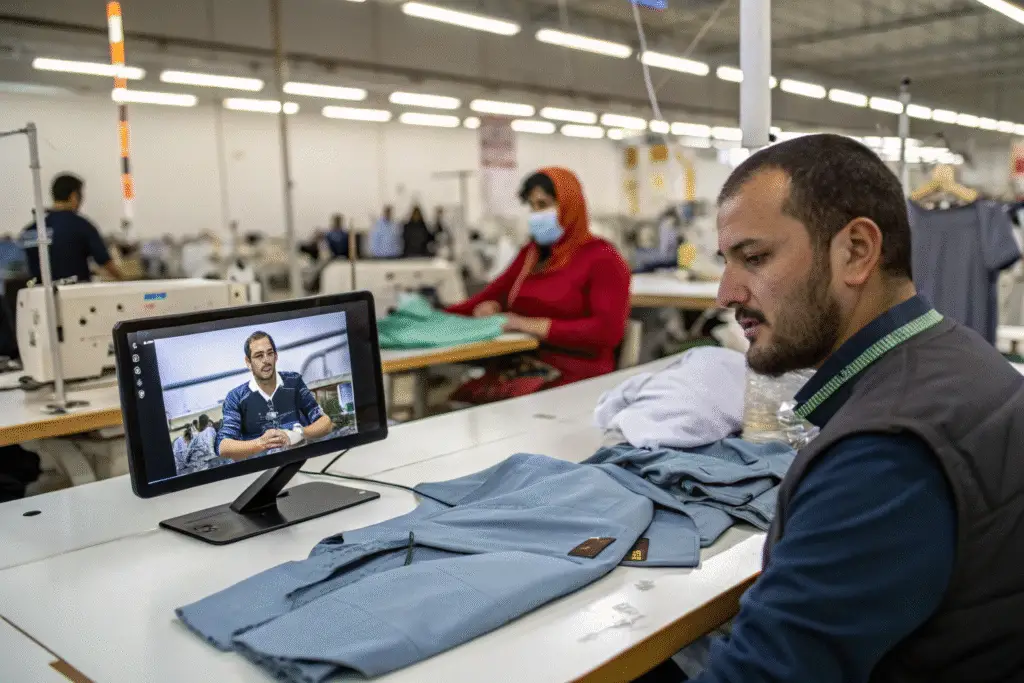
Always ask your supplier to alert you as soon as a delay is anticipated. At Fumao, we immediately notify clients with reasons and revised ETAs. We back this with photos or short videos so clients can assess the situation themselves.
Document the delay through a shared project board or email chain. It ensures that all decisions—like changing fabric or extending deadlines—are tracked transparently.
Should You Accept Substitutions or Adjustments?
Sometimes, a certain fabric or trim becomes unavailable. Instead of panicking, ask for comparable substitutes. Use platforms like Pantone to verify color swatches, or request swatch photos next to your original.
We often suggest alternatives with client approval and document these in both chat and formal production update logs. This avoids disputes or future confusion.
Conclusion
Streamlining communication with overseas garment factories isn’t about being perfect—it’s about being proactive, organized, and transparent. From choosing the right tools to building shared calendars, simplifying language, and maintaining visual clarity in sample revisions, you can dramatically reduce missteps.
At Fumao Clothing, we don’t just manufacture—we collaborate. That’s what makes our partnerships with U.S. brands long-lasting and profitable. If you're tired of language gaps and timeline chaos, it's time to work with a supplier that speaks your language—in more ways than one.