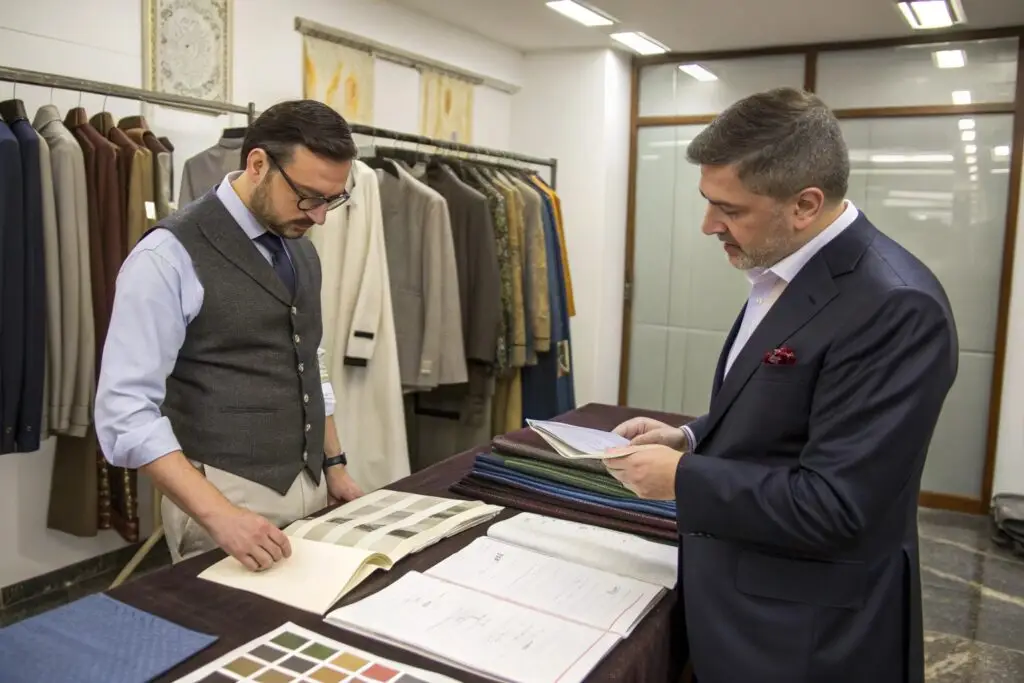
When I began working with clothing factories, I had ideas—but no product to show. Sampling was my first real step into production, and it taught me more than any book ever could.
To start sourcing samples from clothing manufacturers, identify vendors that fit your niche, prepare clear design references, and negotiate a paid sample round before committing to bulk production.
Samples are more than just prototypes—they’re proof of quality, fit, and your ability to bring a brand to life.
How do I partner with a clothing manufacturer?
I used to think partnering meant finding the cheapest factory. I learned it’s more about finding someone who understands your goals and can deliver consistently.
To partner with a clothing manufacturer, start with a sampling project, communicate clearly through tech packs, and build trust through responsiveness, transparency, and fairness.
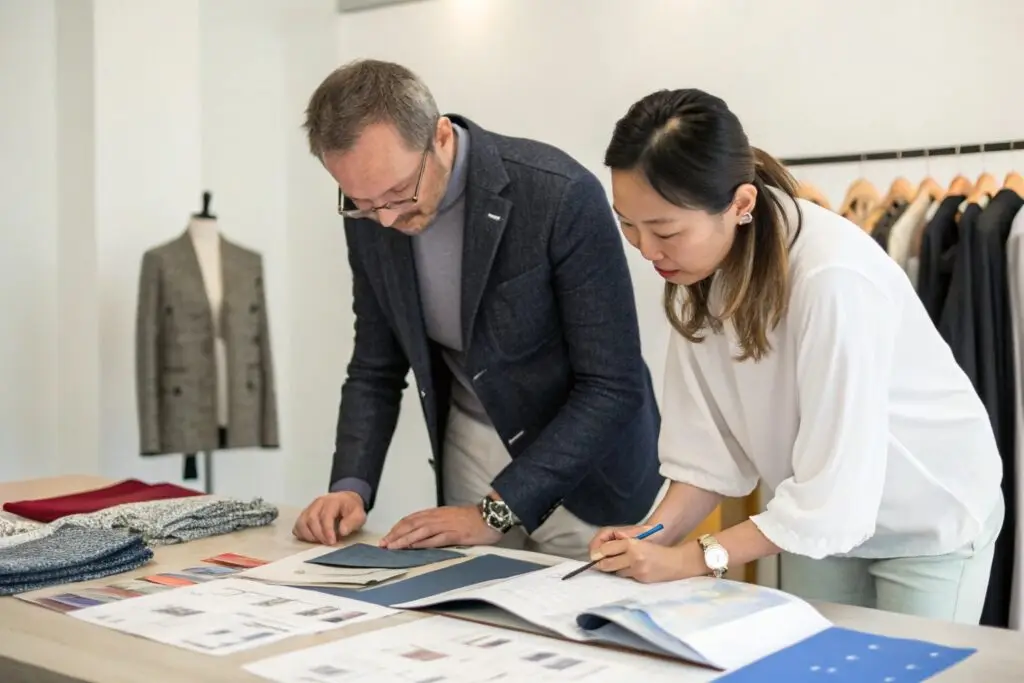
What steps build strong relationships with manufacturers?
| Step | Why It Matters |
|---|---|
| Sample Order1 | Test quality before scaling |
| Clear Tech Pack2 | Prevents misunderstandings |
| Payment Terms Discussion | Builds transparency |
| Communication Channel | WhatsApp or WeChat for fast updates |
| Regular Feedback3 | Helps improve future runs |
You’ll often start with a contact on Alibaba, IndiaMART, or at a trade show. But the real work happens in follow-up and clarity.
What makes a manufacturer want to work with you?
They look for:
- Serious communication
- Realistic timelines
- Respectful negotiation
- Growth potential as a client
When they see you’re professional and consistent, they become more flexible with pricing, timelines, and MOQs.
How long does it take to get clothing samples?
I once rushed a sample order and paid the price in poor fit and fabric mismatch. Now, I give factories time to do it right.
Getting clothing samples typically takes 10 to 21 days, depending on the complexity of the design, availability of fabrics, and manufacturer’s production queue.
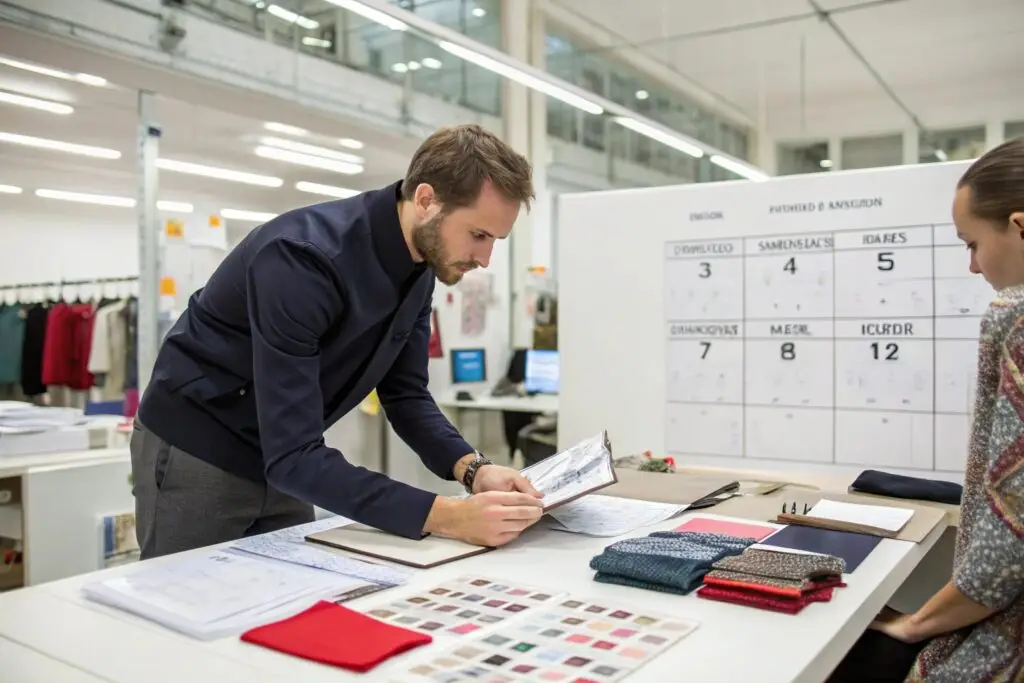
What are the typical sample lead times?
| Sample Type | Average Timeline4 |
|---|---|
| Basic T-shirt | 7–10 days |
| Custom Dress | 14–21 days |
| Fully Detailed Tech Pack | 15–30 days |
| Multiple Variants | Add 3–5 days per variation |
Always buffer an extra 5–7 days for communication gaps or holidays5—especially with overseas vendors.
How can you speed up the sampling process6?
- Provide exact measurements and material specs
- Choose fabrics from the factory’s in-stock library
- Use reference garments to reduce guesswork
- Approve digital mockups before full sampling
Sampling faster is about clarity—not rushing the factory.
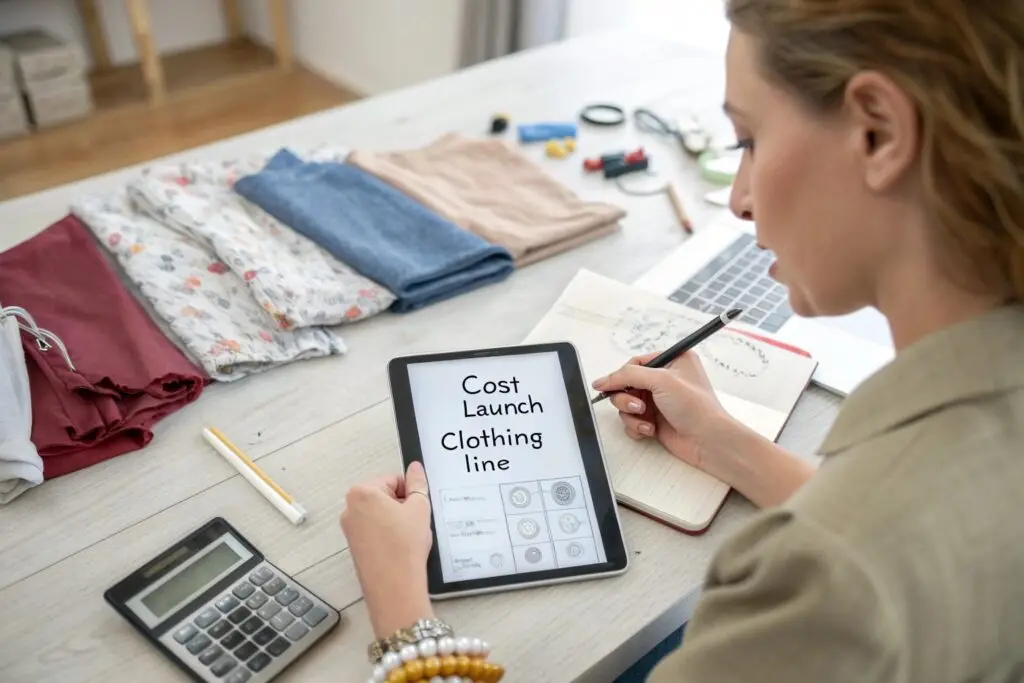
How much does it cost to start a line of clothing?
My first collection cost less than I expected—but only because I started small, sourced smart, and reinvested every rupee into quality.
Starting a clothing line can cost anywhere from $1,500 to $10,000 USD, depending on how many designs you produce, your sourcing region, and how much inventory you launch with.
What are the most important cost categories?
| Category | Typical Range (USD) |
|---|---|
| Product Samples | $200 – $1,000 |
| Initial Inventory7 | $500 – $4,000 |
| Branding & Labels | $100 – $500 |
| Website & Storefront | $200 – $1,000 |
| Packaging & Shipping8 | $150 – $800 |
| Marketing & Photos9 | $300 – $2,000 |
You can lower startup costs by launching with:
- Pre-orders
- Dropshipping or private label
- 3–5 SKUs instead of 10–15
Every dollar should move you closer to market validation.
How do I start a new clothing collection?
A great collection tells a story. But behind the story is planning—fabrics, fit, colors, costs, and supply chain.
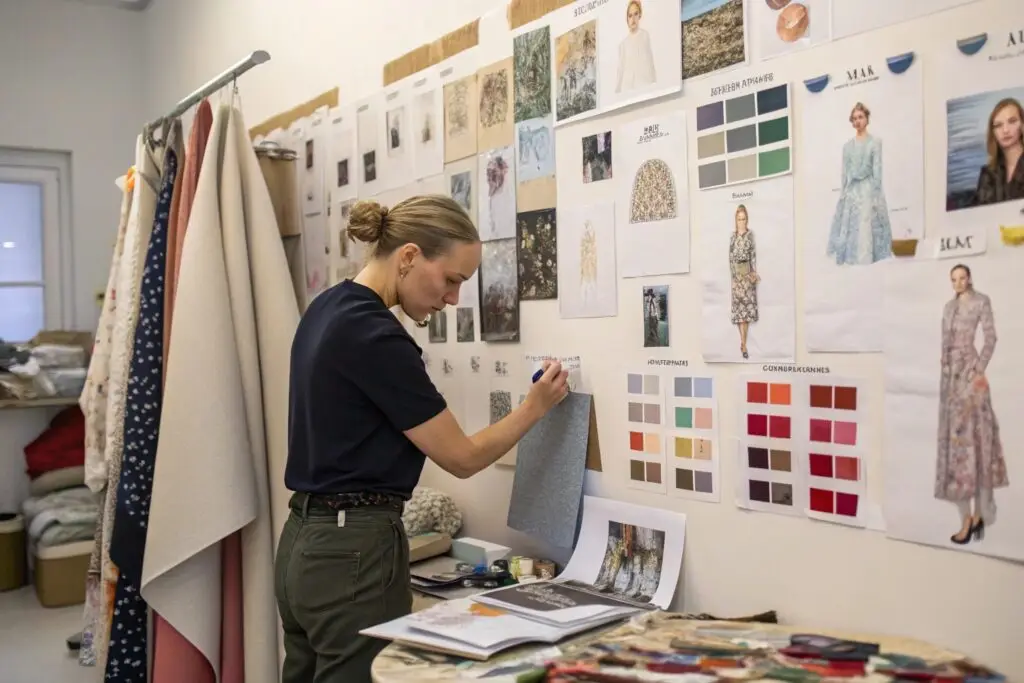
To start a clothing collection, define your concept, sketch 3–6 styles, create tech packs, source fabrics, and begin sampling with manufacturers.
What steps should I follow to launch a collection?
Here’s my framework:
| Step | Purpose |
|---|---|
| Moodboard + Theme10 | Sets the visual tone and seasonality |
| Style Planning | 3–6 looks with mix of silhouettes |
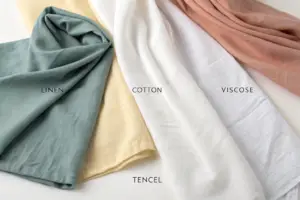
| Fabric Sourcing11 | Choose in-stock fabrics or swatches |
| Sample Development | Confirm fit and finishing |
| Brand Elements | Labels, tags, packaging, copy |
| Photoshoot | Prepares marketing and launch |
| Launch Strategy12 | Drops, pre-orders, or wholesale line |
Good collections feel cohesive but not repetitive. Use one fabric across multiple styles to cut costs and unify the line.
What tools help streamline the process?
- Canva or Adobe Express: Moodboard building
- Clo3D / Illustrator: Digital fashion design
- Google Sheets: Tech pack templates
- Trello / Notion: Task management
Planning well on paper means fewer delays in production.
Conclusion
Sourcing samples is where your clothing business becomes real. Start with clarity, build real partnerships, and focus on quality from day one. The right sample is the start of a great brand.
-
Understanding the significance of a sample order can enhance your negotiation and quality assurance strategies with manufacturers. ↩
-
A clear tech pack is crucial for preventing misunderstandings, ensuring your product meets expectations and specifications. ↩
-
Regular feedback fosters continuous improvement and strengthens your relationship with manufacturers, leading to better outcomes. ↩
-
Understanding the average timeline helps in planning and managing expectations for garment sampling. ↩
-
Learning about the impact of communication and holidays can help in better scheduling and avoiding delays. ↩
-
Exploring methods to expedite sampling can lead to more efficient production and quicker market entry. ↩
-
Understanding initial inventory costs is crucial for budgeting and planning your startup effectively. ↩
-
Packaging and shipping can significantly affect your overall costs; explore best practices to optimize these expenses. ↩
-
Effective marketing is key to startup success; learn how to allocate your budget wisely for maximum impact. ↩
-
Understanding the role of a moodboard can enhance your design process and ensure a cohesive collection. ↩
-
Learn effective fabric sourcing strategies to optimize costs and quality in your collection. ↩
-
Explore various launch strategies to maximize your collection's impact and reach in the market. ↩