You have a vision for a men's wear brand but face the classic startup dilemma: how to begin production without committing to massive minimum order quantities that could sink your business before it starts? The traditional apparel manufacturing model often requires thousands of pieces per style, creating impossible barriers for emerging brands. But what if you could launch your collection with far lower commitments?
Starting a men's wear collection with low MOQ involves strategic approaches including focusing on versatile basics, working with manufacturers offering low minimums, utilizing made-to-order models, selecting fabrics with small minimums, and designing multi-functional pieces. The key is building your initial collection around styles that maximize variety perception while minimizing production commitments, allowing you to test the market without excessive risk. Many successful men's wear brands began with just 3-5 core styles produced in quantities of 50-100 units per color.
A Denver-based entrepreneur launched his menswear brand with just 8 styles and MOQs of 75 pieces per style. By focusing on versatile colors and coordinating pieces, he created the perception of a complete collection while only producing 600 units total. His careful planning allowed him to test market response without overcommitting, and within six months he had the sales data to confidently expand his line. Let's explore practical strategies for launching your men's wear collection with manageable minimums.
What Manufacturing Strategies Enable Low MOQ Production?
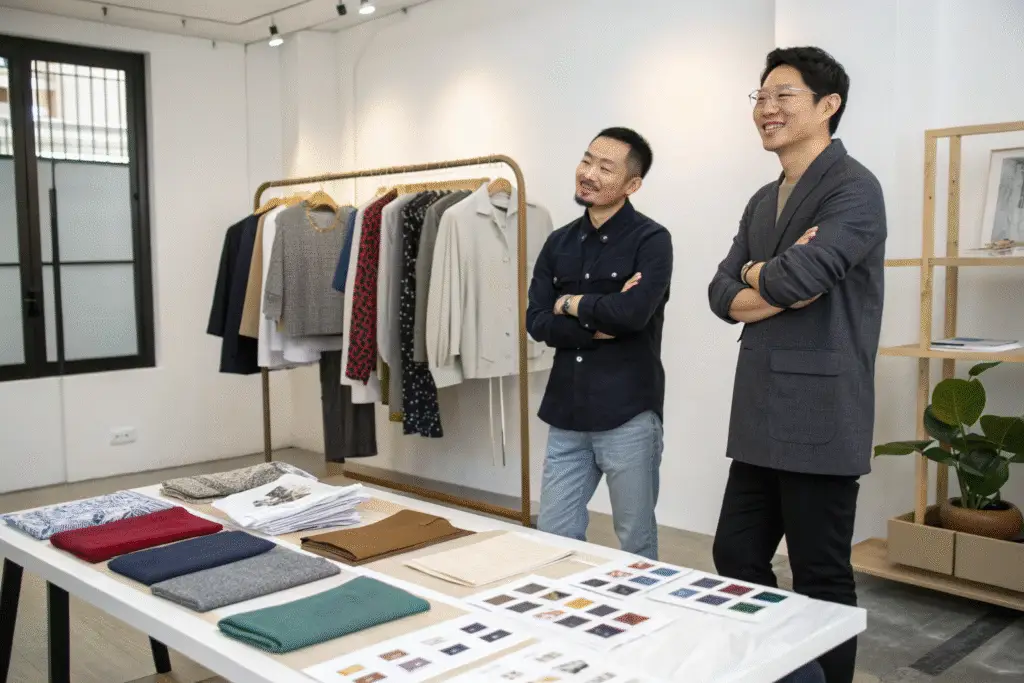
Finding manufacturers willing to work with low minimums is the foundation of launching a small-scale men's wear collection. The approach requires understanding different factory types and their business models.
Effective manufacturing strategies for low MOQ include working with specialized small-batch factories, utilizing domestic production for certain items, combining styles to reach minimums, and developing strong relationships with suppliers who support emerging brands. The right manufacturing partner understands the growth potential of new brands and offers flexible terms that align with startup realities rather than mass production requirements.
Why Do Specialized Small-Batch Factories Exist?
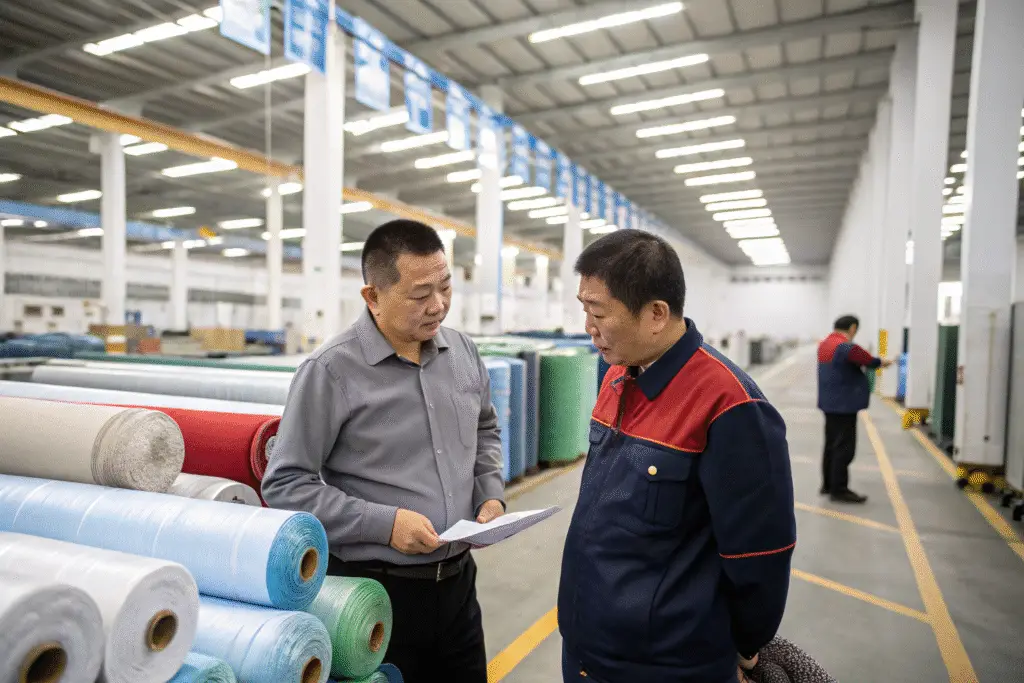
Some manufacturers specifically cater to emerging brands by offering MOQs as low as 50 pieces per style. These factories typically have flexible production lines, multi-skilled workers, and business models built around serving multiple small clients rather than a few large ones. We've developed a small batch program specifically for startups that allows production of 50-100 units per style with slightly higher per-piece costs that are offset by reduced inventory risk. This approach has helped over 30 new men's wear brands launch successfully in the past two years.
How Can Domestic Production Support Low MOQ?
While often more expensive per piece, domestic manufacturing can offer extremely low minimums and faster turnaround, making it ideal for testing designs or producing limited runs. The proximity allows for better quality control and smaller production quantities. A Los Angeles-based streetwear brand produces their graphic tees domestically in batches of 25-50 units, allowing them to test new designs quickly without overseas shipping delays. The domestic manufacturing approach gives them agility to respond to trends while maintaining low inventory levels.
What Product Strategies Minimize MOQ Requirements?
Your product selection and design approach significantly impact your ability to work with low minimums. Strategic product planning can create the perception of a complete collection while actually producing limited quantities.
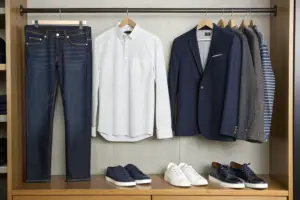
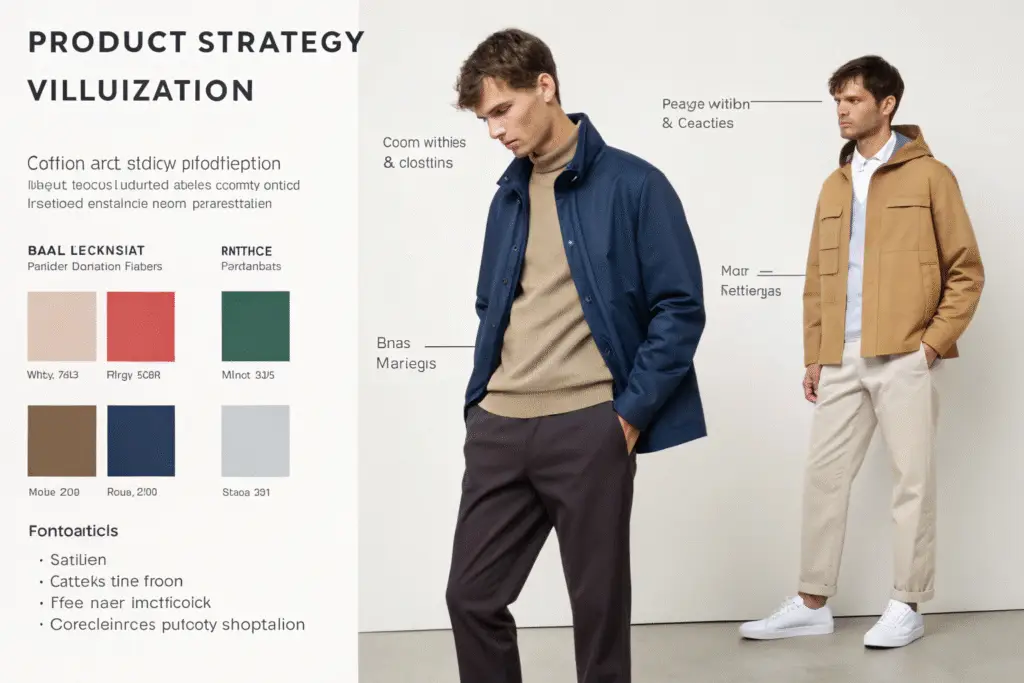
Product strategies for low MOQ include focusing on core basics with high versatility, designing coordinating pieces that mix and match, using color strategically to create variety, and selecting styles with simple construction that reduces factory minimum requirements. The goal is maximum perceived assortment with minimum physical inventory commitment.
| Product Strategy | MOQ Impact | Collection Benefit |
|---|---|---|
| Core Basics Focus | Lower style minimums | Foundation for future expansion |
| Coordinating Colors | Fewer color commitments | Multiple outfit combinations |
| Simple Construction | Lower factory minimums | Faster production turnaround |
| Multi-Functional Pieces | Reduced SKU count | Higher units per style |
Why Do Basics Work Best For Low MOQ Launch?
Core basics like well-fitting t-shirts, quality polos, and essential trousers have broader appeal and longer shelf life than fashion-forward pieces. They form the foundation of a wardrobe and can be produced in smaller quantities while still selling consistently. We recommend new men's wear brands allocate 70% of their initial production to core basics and 30% to signature pieces. This balance ensures steady sales from essentials while allowing for brand differentiation through distinctive designs.
How Can Color Coordination Create Collection Depth?
A strategic color palette with coordinating neutrals allows you to create multiple looks from fewer pieces. Instead of producing every style in multiple colors, focus on colors that work together across your collection. A minimalist men's wear brand launched with just black, white, grey, and navy across all their styles, creating 16 possible outfit combinations from just 8 pieces. The strategic color planning made their small collection feel comprehensive and well-curated rather than limited.
How Does Fabric Selection Impact MOQ?
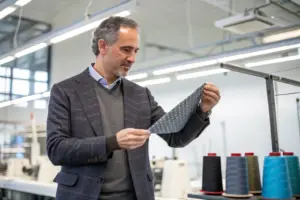
Your fabric choices directly affect production minimums, as many mills have significant minimum order requirements for custom fabrics. Strategic fabric selection is crucial for low MOQ production.
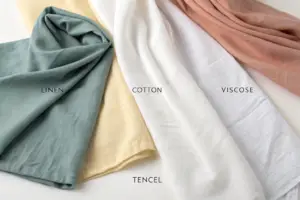
Fabric strategies for low MOQ include selecting from mill stock fabrics, using versatile fabrics across multiple styles, choosing deadstock or limited-availability fabrics creatively, and working with suppliers who offer low minimums on popular textiles. The right fabric approach can dramatically reduce your minimum commitments while maintaining quality perception.
Why Are Stock Fabrics Essential For Low MOQ?
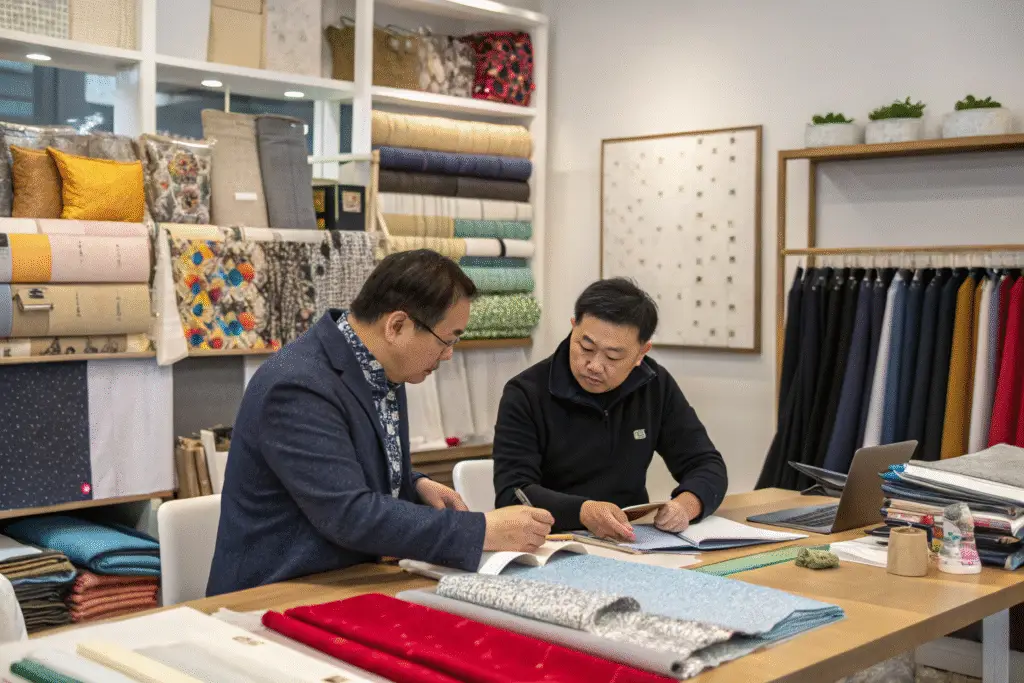
Mills maintain inventory of popular fabrics that can be purchased in small quantities, often as little as 50-100 yards. While offering less exclusivity, stock fabrics allow for small production runs without custom mill minimums that typically start at 1,000 yards. We maintain a stock fabric library of 50+ proven men's wear textiles specifically for emerging brands needing small quantities. This approach has helped brands launch with fabric commitments 80% lower than custom textile minimums.
How Can Deadstock Fabrics Provide Opportunity?
Deadstock fabrics—leftover materials from larger productions—offer unique textiles in limited quantities, often at lower prices. While quantities are unpredictable and consistency can vary, they allow for truly limited edition pieces with storytelling potential. A sustainable men's wear brand built their entire initial collection around deadstock fabrics, creating exclusive runs of 20-50 units per style. The limited availability became a marketing advantage that justified premium pricing and created urgency among their customers.
What Business Models Support Low MOQ Operations?
Your business model and operational approach can compensate for higher per-piece costs associated with low MOQ production. Several models work particularly well for small-scale men's wear collections.
Effective business models for low MOQ include pre-order systems, made-to-measure options, seasonal capsules rather than continuous collections, and direct-to-consumer focus that maintains higher margins. These models help manage cash flow, reduce inventory risk, and justify potentially higher production costs per piece.
How Does Pre-Order Reduce Inventory Risk?
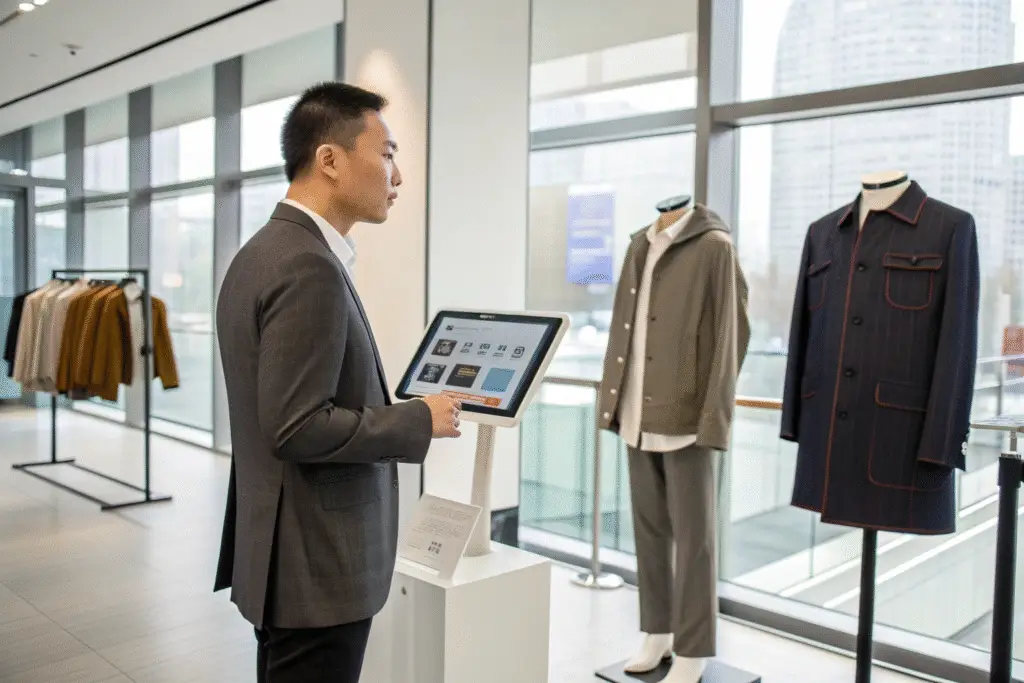
The pre-order model involves taking customer orders and payments before production begins, eliminating inventory risk entirely. While requiring strong marketing and customer trust, this approach allows for production based on actual demand rather than forecasts. A contemporary men's brand runs two-week pre-order windows for new styles, only producing pieces that have sold. Their pre-order system has allowed them to grow without inventory investment, though it requires careful communication about delivery timelines.
Why Does DTC Focus Support Low MOQ Economics?
Selling direct-to-consumer through your own website or selective pop-ups maintains margins that would be lost to wholesale markups. The higher margins help absorb the increased per-piece costs of low MOQ production. A menswear startup focusing exclusively on DTC maintains 65% margins compared to the 30% they would achieve through wholesale, allowing them to profitably produce in quantities as low as 50 units per style. The DTC advantage makes small-scale production financially viable.
How To Plan Your Initial Low MOQ Collection?
Strategic collection planning ensures your limited production pieces work together to create a cohesive brand presentation while meeting practical business needs.
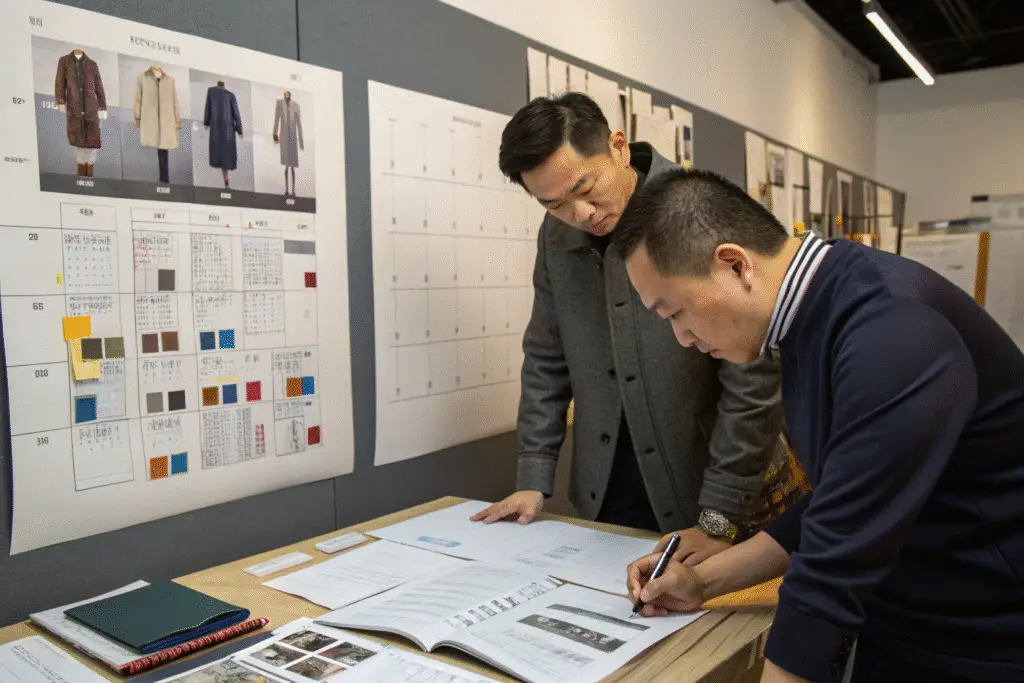
Effective collection planning for low MOQ involves determining the right number of styles, calculating realistic quantities based on your market size, establishing a cohesive aesthetic across limited pieces, and planning for responsive replenishment. The planning phase is where you balance creative vision with commercial practicality.
What Is The Ideal Number Of Styles For Launch?
Most successful men's wear launches begin with 5-8 core styles that work together cohesively. This range provides enough variety to establish brand identity while remaining manageable for production and marketing. We analyzed 50 successful men's wear launches and found the sweet spot to be 6.4 styles on average for initial collections. The strategic assortment typically includes 2 tops, 2 bottoms, 1 outerwear piece, and 1-2 accessories that establish brand aesthetic.
How Should You Calculate Initial Quantities?
Base your initial quantities on realistic sales projections rather than optimistic guesses. Consider your marketing reach, price points, and target customer availability. A practical approach is to produce quantities you're confident can sell within 3-4 months, even if it means potentially selling out of popular items. One brand used their email list size and historical conversion rates from previous pop-ups to determine their initial quantities, producing only what their proven audience could reasonably absorb. This data-driven approach prevented overproduction.
Conclusion
Starting a men's wear collection with low MOQ requires strategic thinking about manufacturing partnerships, product selection, fabric choices, and business models. By focusing on versatile basics, working with the right production partners, and implementing smart business practices, you can launch a compelling collection without the massive inventory commitments that sink many new brands.
Remember that starting small allows for valuable market testing and customer feedback that informs your future growth. Many of today's successful men's wear brands began with modest productions that allowed them to refine their offering before scaling. The low MOQ approach isn't just about limitation—it's about smart, sustainable growth.
Ready to launch your men's wear collection with a manufacturing partner that understands startup needs? Contact our Business Director, Elaine, today at elaine@fumaoclothing.com to discuss our low MOQ programs designed specifically for emerging brands.