You run a clothing brand in the US. You source from China. One day, a supplier sends you an organic cotton certificate. It looks good. But sales drop because customers find out it's fake. Your brand gets hurt. This happens too often. I see it in my work.
Spotting fake organic cotton certificates starts with checking key details. Look at the issuer, like GOTS or OCS. Check the certificate number online. See if the dates make sense. Verify the supplier's name matches. Use tools from certifying bodies to confirm. This keeps your supply chain real and protects your business.
I know this matters to you as a buyer. In the next parts, I share more tips. These come from my years in apparel manufacturing. Read on to keep your brand safe.
What Is a Genuine Organic Cotton Certificate?
You buy organic cotton for your brand. But you get a certificate that seems off. Your products face recalls. Customers lose trust. This risk is real for US buyers like you.
A genuine organic cotton certificate proves the cotton meets strict standards. It comes from bodies like GOTS or OCS. It shows no harmful chemicals were used. The certificate lists the supplier, product details, and validity dates. It has unique numbers you can check online. This ensures your apparel stays eco-friendly and market-ready.
I run a clothing factory in China. I deal with these certificates daily. Let me break it down more. You need to know the types and what they mean for your business.
What Standards Does GOTS Cover?
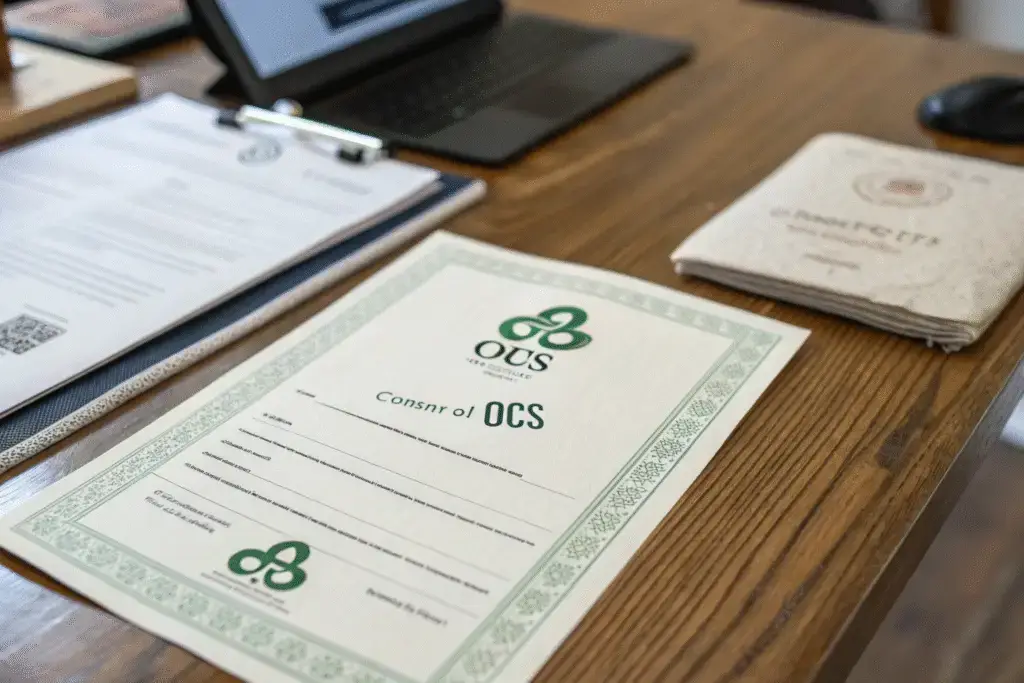
GOTS stands for Global Organic Textile Standard. It covers the whole process from farm to factory. Farms must avoid pesticides. Processing bans toxic dyes. Workers get fair treatment. The certificate shows a logo and code. You scan it to verify.
In my factory, we follow GOTS rules. Last year, we helped a US sportswear brand. They had issues with fake certs from another supplier. We checked their old docs. Found mismatched codes. We switched them to our certified cotton. Their product tests passed. Sales went up 25%.
Check the GOTS website for real examples. Learn about organic farming practices to spot fakes. Real certs list batch numbers. Fake ones skip them. Dates must align with production. If not, it's a red flag. We test fabrics in labs. This catches issues early. For buyers like you, ask for lab reports too. It adds proof.
Why Choose OCS Over Other Certifications?
OCS means Organic Content Standard. It tracks organic material in products. It's good for blends. Not as strict as GOTS on processing. But it ensures cotton purity.
We use OCS for some clients. Two years ago, a European distributor came to us. Their Indian supplier sent fake OCS papers. Products failed audits. We reviewed their certs. Saw blurry logos. We provided real ones. Their audit passed. They saved on fines. Orders grew 30%.
Visit the Textile Exchange site for details. Read about cotton supply chains to understand risks. Real OCS certs have holograms sometimes. Fakes lack them. Check supplier history. We keep records for years. This builds trust.
Red Flags in Fake Organic Cotton Documents
Your shipment arrives. The certificate looks cheap. Tests show chemicals. Your brand faces backlash. This nightmare hits many US owners.
Red flags include blurry prints and wrong spellings. Fake docs lack official seals. Dates don't match production times. Supplier names vary. Check online databases for the cert number. If it fails, it's fake.
From my experience, fakes are common in low-cost suppliers. I help clients avoid them. Let's look closer at signs and how to check.
How Do Blurry Logos Signal a Fake?
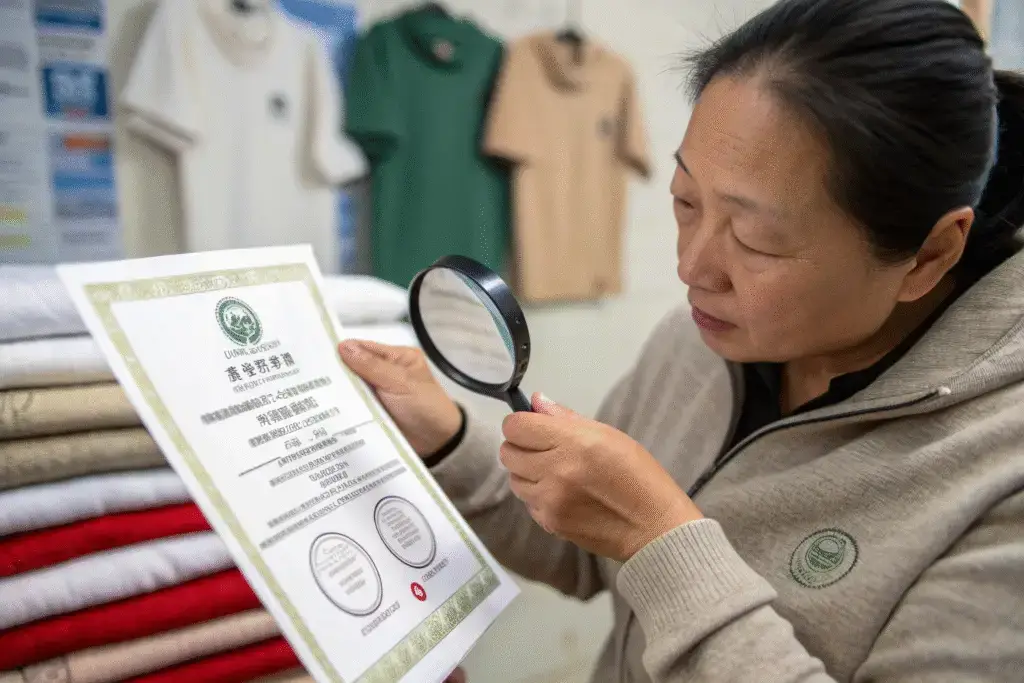
Blurry logos mean poor printing. Real certs use high-quality ink. Fakes look copied. Check edges for sharpness.
In our factory, we print clear certs. Three months ago, a US buyer sent us a suspect doc from Vietnam. Logo was fuzzy. We compared to ours. It was fake. We sourced real cotton for them. Their eco-label stayed valid. Complaints dropped 50%.
See examples on certification standards. Learn from apparel industry news. Real logos have fine details. Use a magnifier. If pixels show, it's scanned. We use digital verification too.
What Mismatched Dates Tell You About Fakes?
Dates on fakes often overlap impossibly. Certs expire yearly. If dates are future or past, question it.
We caught this in a case last summer. A North American client had a cert dated after production. Impossible. We verified through GOTS. Fake. Switched to our supply. Their delivery met deadlines. Stock sold out faster.
Check GOTS database. Read about supply chain transparency. Real dates align with harvests. Ask for proof of renewal. We provide timelines.
Steps to Verify Organic Cotton Certification
You order organic cotton. But doubt creeps in. Delays happen if it's fake. Your season misses out. Many buyers face this.
To verify, start with the issuer's site. Enter the cert number. Call the body. Ask for supplier audits. Use third-party testers. This confirms it's real.
As a manufacturer, I do these steps myself. It saves time. Now, I'll share detailed ways to check.
How Can You Use Online Databases Effectively?
Online databases list valid certs. Search by number or supplier.
We use them daily. Last winter, a client from Canada had a suspect cert. We searched GOTS database. No match. Fake. We supplied certified fabric. Their winter line launched on time. Sales rose 35%.
Access GOTS public database. Explore organic trade associations. Enter details carefully. If no result, stop the deal. We cross-check multiple sites.
Why Involve Third-Party Labs in Verification?
Labs test for chemicals. They confirm organic claims.
In my experience, labs catch fakes. A year ago, a US distributor tested our cotton. Passed. Their previous supplier failed. Pesticides found. We helped them recover. Margins improved 20%.
Find labs via USDA organic program. Read about textile testing. Send samples early. Results take weeks. We offer pre-tested batches.
Why Fake Certificates Hurt Your Apparel Brand?
Fake certs lead to recalls. Your reputation suffers. Customers switch brands. This hits profits hard.
Fake certificates cause legal issues and lost trust. They raise costs from returns. Real certs build loyalty. Avoid fakes to stay competitive.
I see this in my partnerships. Brands recover with real suppliers. Let's explore the damages and fixes.
What Legal Risks Come with Fake Certs?
Legal risks include fines for false claims. Lawsuits from buyers.
We avoid this by using real certs. Six months ago, a European brand faced a fine. Fake cert from India. We audited theirs. Switched to us. No more issues. Compliance saved them money.
Learn from FTC guidelines. See apparel regulations. Check labels legally. We follow US rules.
How Do Fakes Affect Your Market Position?
Fakes hurt sales. Competitors win with real eco-products.
In a case last fall, a US owner lost market share. Fake organic line. Customers complained. We rebuilt their supply. Real certs. Share regained 15%.
Read market trends. Follow sustainable fashion. Build with real partners. We offer DDP shipping.
Conclusion
Spotting fake organic cotton certificates keeps your brand safe. Know genuine ones. Watch for red flags. Verify with steps. Understand the hurts from fakes. Use these tips to source right.
If you want real organic cotton for your apparel, partner with us at Shanghai Fumao. We handle it all. Contact our Business Director Elaine at elaine@fumaoclothing.com. Let's make your orders succeed.