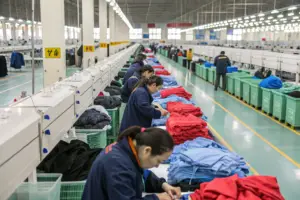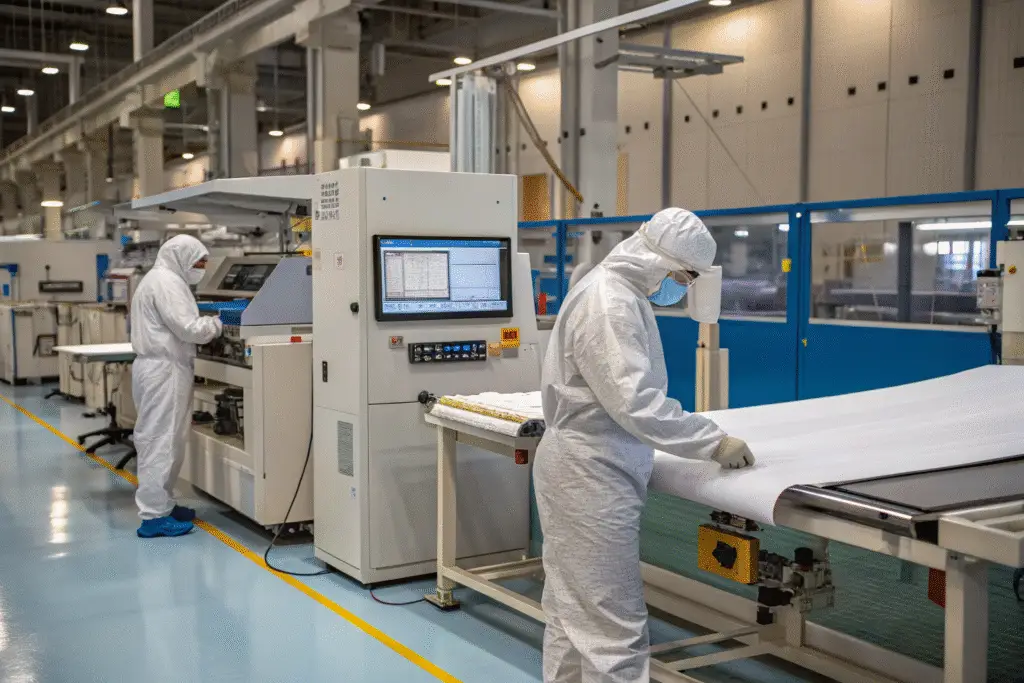
When we think about the future of apparel manufacturing, sourcing for spacesuits may seem far removed from our daily reality. But you might be wondering, why would a clothing manufacturer even consider aerospace projects? The truth is, the same principles that drive efficient and sustainable sourcing in the fashion industry also apply to cutting-edge aerospace. Many U.S. companies and research labs now explore zero-waste textiles and circular material systems for prototype spacesuits. As a manufacturer with decades of experience, I see strong links between what we do for fashion brands and what innovators require for extreme-environment clothing.
Zero-waste sourcing for spacesuit materials means aligning sustainability with high-performance functionality. Just like in apparel manufacturing, companies must minimize textile waste, ensure durability, and optimize production efficiency. What needs to be emphasized here is that sustainability is not just an environmental goal—it is also a cost-control and innovation driver.
The key is to combine innovative fabrics with responsible manufacturing models. For ambitious buyers and brands, these lessons also apply to sourcing specialized apparel categories. Let’s take a moment to think this through together: if your brand can master zero-waste sourcing for garments, you’re already preparing for the same challenges that aerospace faces.
What Are Zero-Waste Materials For Spacesuit Prototypes?
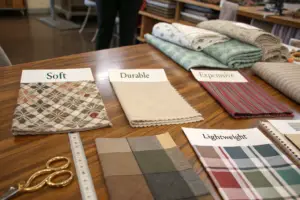
You might be wondering, what exactly qualifies as “zero-waste” in the context of spacesuit prototypes? When companies design suits for space missions, the materials must balance durability, flexibility, insulation, and sustainability. Zero-waste materials go beyond recycling. They are engineered to minimize leftover scraps and reduce environmental impact during production.
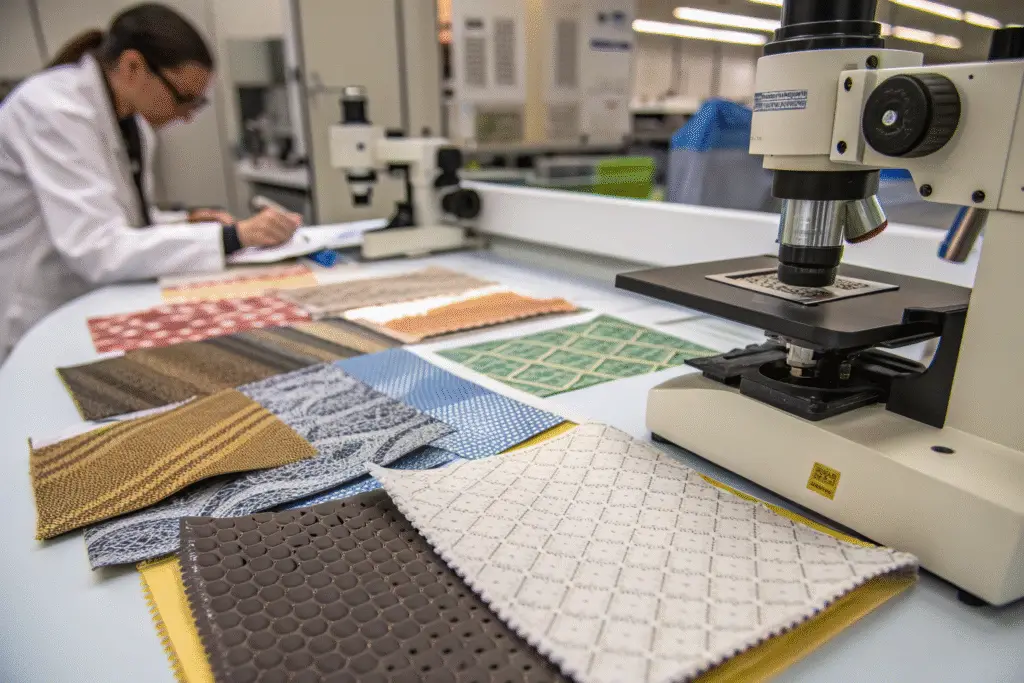
Zero-waste materials for prototypes include recycled composites, bio-based fibers, and 3D-knitted textiles that eliminate cutting waste. These solutions are already transforming both space technology and apparel.
Why do aerospace projects need sustainable fibers?
What needs to be emphasized here is the unique environment in space. Spacesuits endure radiation, temperature fluctuations, and microgravity challenges. Traditional petroleum-based fabrics are strong but unsustainable. Researchers now test biodegradable polymers and recycled fibers as alternatives. NASA has published insights into advanced textile technologies that guide these experiments. At the same time, sustainable apparel pioneers such as Patagonia prove that zero-waste design is possible at scale.
How can apparel industry knowledge transfer to space projects?
Let’s take a moment to think this through together: the apparel sector has decades of experience with cutting waste reduction. Brands like Patagonia lead in sustainable adoption, and our factory applies lean manufacturing methods. These lessons directly support aerospace initiatives, since both industries need lightweight, durable, and waste-minimized textiles.
How To Identify Global Suppliers For Zero-Waste Textiles?
You might be asking, where can we find suppliers that meet these high standards? In sourcing zero-waste textiles for spacesuit prototypes, buyers must look beyond traditional partners. Global sourcing strategies require balancing cost, quality, certifications, and logistics reliability.
To identify suppliers, companies attend trade shows, explore B2B platforms, and evaluate certifications. The same applies to advanced textile sourcing for aerospace projects.

What certifications matter most when sourcing zero-waste fabrics?
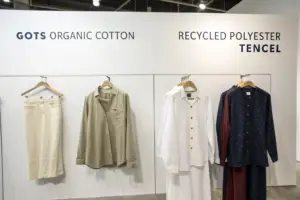
Let’s pause and emphasize that certifications are non-negotiable. Standards such as OEKO-TEX and Global Recycled Standard (GRS) verify environmental and safety compliance. For aerospace-level fabrics, testing also includes extreme durability and flame resistance. Our U.S. buyers always request certified compliance, since false documentation remains a major pain point.
Where do the most reliable suppliers operate today?
You might be wondering if certain regions are ahead in this field. Reliable suppliers for sustainable textiles are located in China, Vietnam, and Europe, regions already leading in large-scale apparel production. Platforms like Alibaba provide visibility, but true trust comes from direct inspections and third-party audits. As a manufacturer, I always recommend hands-on verification before large-scale contracts.
What Innovative Manufacturing Methods Reduce Waste?
Now you may be thinking, even with sustainable fabrics, won’t waste still occur during production? That’s a valid concern. Even the best materials can generate waste if production methods are outdated. That is why innovative manufacturing methods are critical for zero-waste spacesuit prototypes.
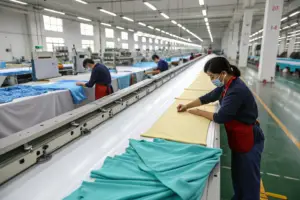
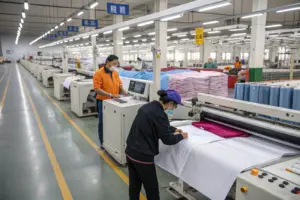
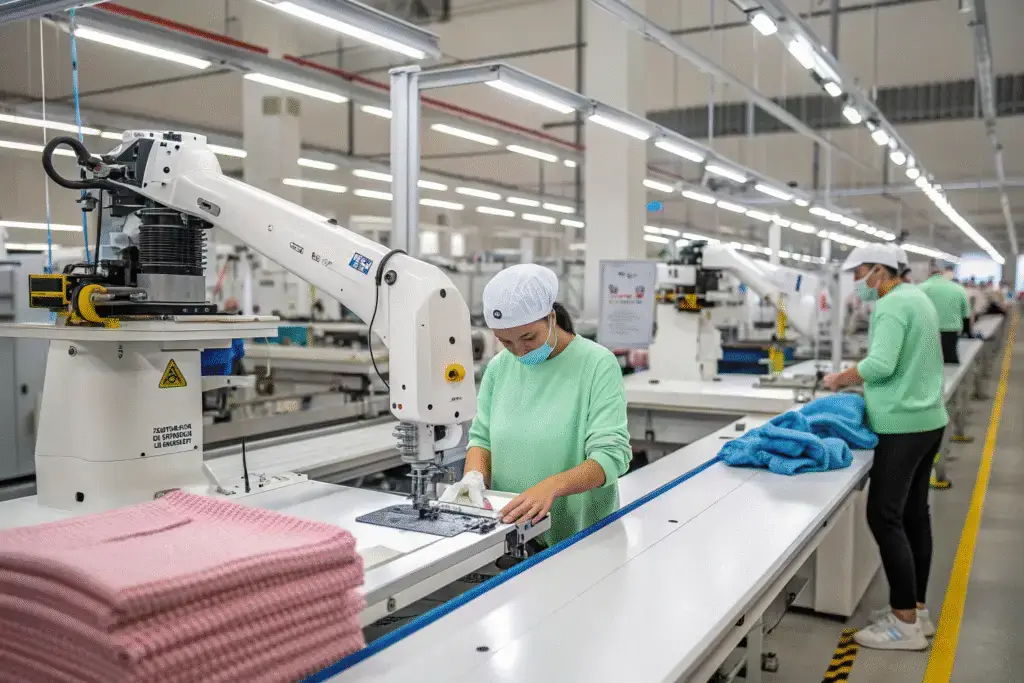
Key innovations include digital 3D knitting, laser cutting, and modular production systems. These minimize offcuts, reduce inefficiency, and ensure precise fitting.
How does 3D knitting support zero-waste production?
Let’s take a moment to think this through together: 3D knitting eliminates cutting by directly producing a seamless garment piece. Leading brands such as Nike use this for footwear, while aerospace adapts it for pressure-resistant textiles. The result is less waste, faster production, and stronger material integrity.
Can modular production be scaled for aerospace prototypes?
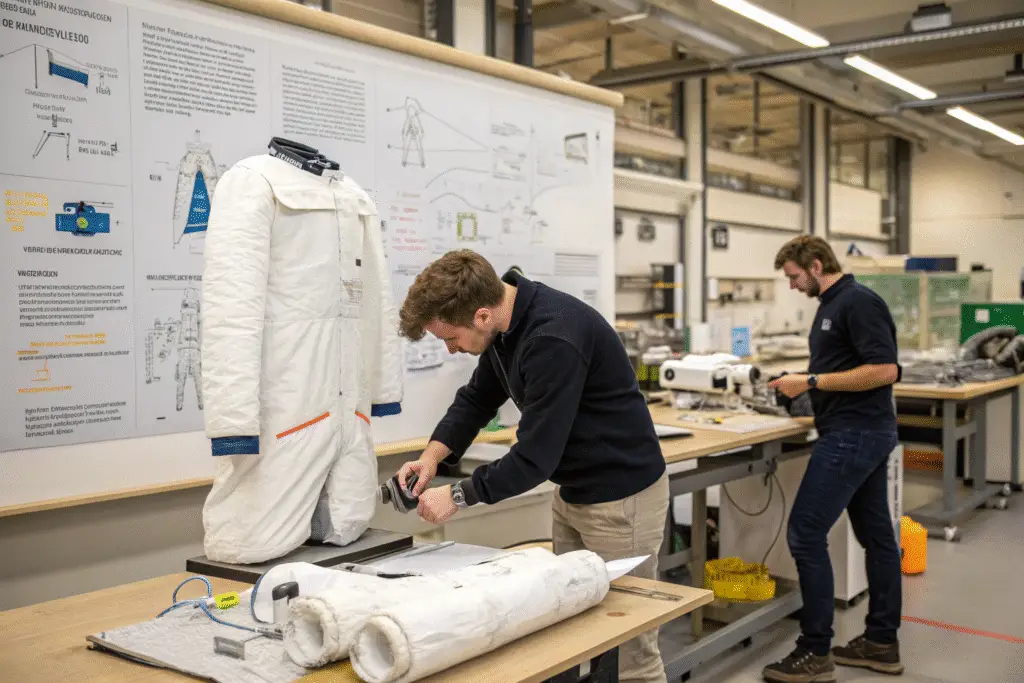
What needs to be emphasized here is modularity. Modular systems let engineers replace suit sections without discarding the whole product. The apparel industry uses modularity in sportswear and outerwear. Resources like Textile World showcase such innovations. For aerospace, this reduces waste and extends prototype lifecycles.
How To Balance Cost, Quality, and Sustainability In Sourcing?
At this point, you might be wondering: isn’t sustainability always more expensive? One of the greatest challenges in sourcing zero-waste spacesuit prototype materials is achieving balance between cost efficiency, premium quality, and sustainability goals.
Strategic sourcing requires open communication, transparency, and strong logistics planning. Buyers who prioritize trust over short-term savings win in the long run.
How can buyers negotiate fair pricing with suppliers?
Let’s take a moment to think this through together: buyers should request transparent quotations that include fabric cost, certification, and logistics. Platforms like FashionUnited highlight sourcing price trends. Clear negotiation prevents hidden costs and strengthens supplier trust.
Why does reliable delivery matter more than low cost?
What needs to be emphasized here is timing. A delayed shipment can destroy an entire season’s sales. In aerospace, it can halt projects. This is why U.S. buyers demand DDP terms (Delivered Duty Paid), where suppliers handle customs and logistics. Platforms like Freightos show how global logistics solutions make delivery more predictable.
Conclusion
You might be wondering, is all of this effort worth it? The answer is yes. Sourcing zero-waste spacesuit prototype materials may sound futuristic, but it builds on principles we already practice in apparel: sustainability, efficiency, certification, and trust. Buyers who apply these lessons will stay competitive not only in fashion but also in industries demanding high-performance textiles.
At Shanghai Fumao, we apply zero-waste thinking across our five production lines. We help brands manage quality, logistics, and certifications with confidence. If you are exploring sustainable textile sourcing for ambitious projects, contact our Business Director Elaine at elaine@fumaoclothing.com. Let’s take a moment to think this through together—your next big sourcing decision could be the start of something groundbreaking.