Space tourism isn’t sci-fi anymore—it’s logistics, contracts, and very specialized textiles. To be honest, “space couture” sounds glamorous until you start reading the requirements. Actually, while drafting this article, I caught myself thinking: you might be wondering—how can clothing even work in zero-g without becoming a hazard? Personally I think the answer is found at the intersection of aerospace safety and fashion tailoring.
Zero-gravity tailoring means designing garments that balance cabin safety (low lint, fire resistance, anti-static) with comfort and style. What needs to be emphasized here is that these aren’t spacesuits; they’re tailored cabin wear for tourists—functional, safe, and photogenic.
The Constraints: Fabric & Function In Microgravity
You might be wondering—why not just use normal wool suits or silk gowns? Well, in microgravity, lint becomes debris, fibers clog fans, and sparks are unacceptable.
Actually, fabrics must be flame-resistant, anti-static, and engineered to release minimal particles.

Key fabric properties
- Flame-resistant blends like Nomex (DuPont Nomex).
- Anti-static finishes to prevent sparks (ESD Association).
- Off-gassing tested per aerospace standards (SAE International).
Let’s take a moment to think this through together: fashion can be glamorous, but if fabric particles float into a life-support vent, the consequences are anything but elegant.
Supplier Landscape: Where To Start (Without Getting Lost)
To be honest, most traditional apparel factories won’t qualify. You might be asking—so which suppliers even understand zero-g constraints?
Actually, the right starting point is technical textile mills that already serve aerospace or cleanroom sectors.
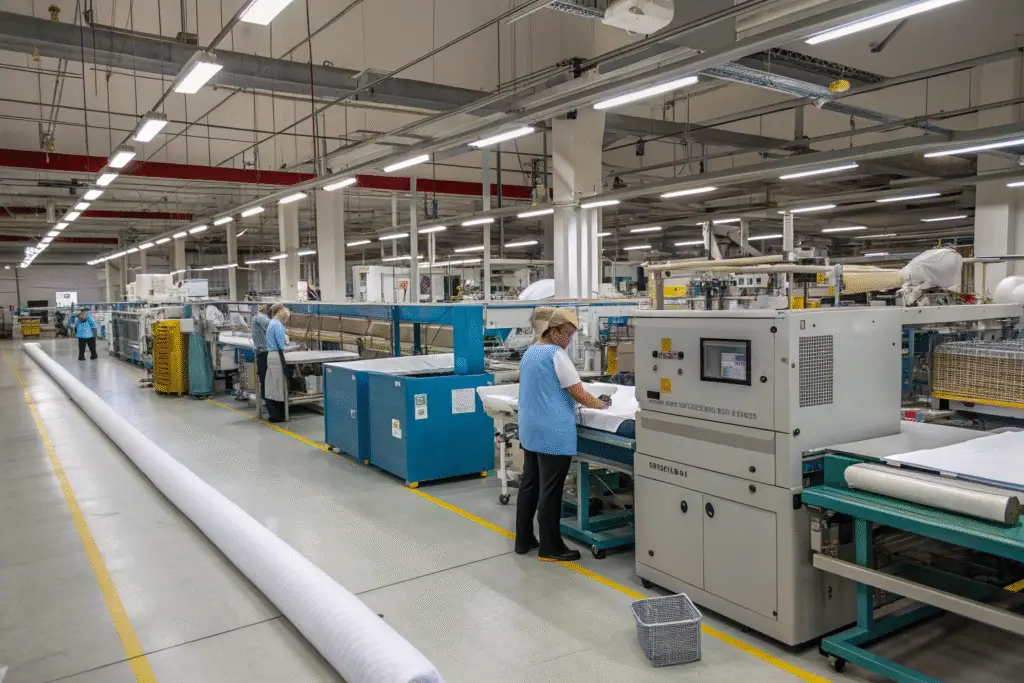
Where should you look?
- Techtextil exhibitor lists for technical textiles.
- Space Tech Expo suppliers with aerospace-grade apparel.
- Cleanroom apparel suppliers on Cleanroom Technology.
What needs to be emphasized here is vetting: always ask for FR/ESD certifications, lint testing results, and VOC off-gassing reports before even requesting samples.
Design For Microgravity: Pattern, Fit, and Interfaces
You might be wondering—if tourists float, do patterns even matter? Yes, very much.
Actually, zero-g postures are different; neutral body positions require pattern adjustments that don’t exist in Earth-based tailoring.
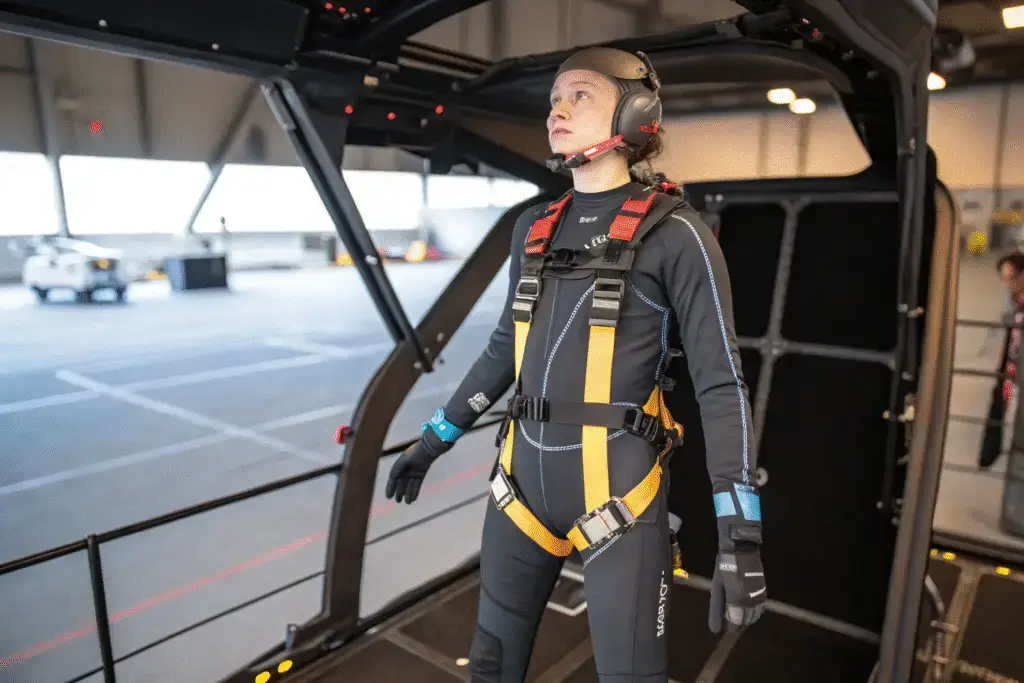
Design considerations
- Underarm gussets and rotated sleeves for float mobility.
- Covered zippers and low-profile fasteners to avoid snags.
- Hidden restraint loops integrated into seams.
Let’s take a moment to think this through together: fashion fit isn’t just vanity here—it prevents tourists from struggling with mobility in weightless cabins.
Prototyping & Testing: Don’t Skip The Boring Parts
During proofreading, I realized something: most failures don’t happen in sewing, but in testing. You might be asking—which tests are non-negotiable?
Actually, flame, lint, ESD, and off-gassing tests are the baseline for zero-g tailoring.
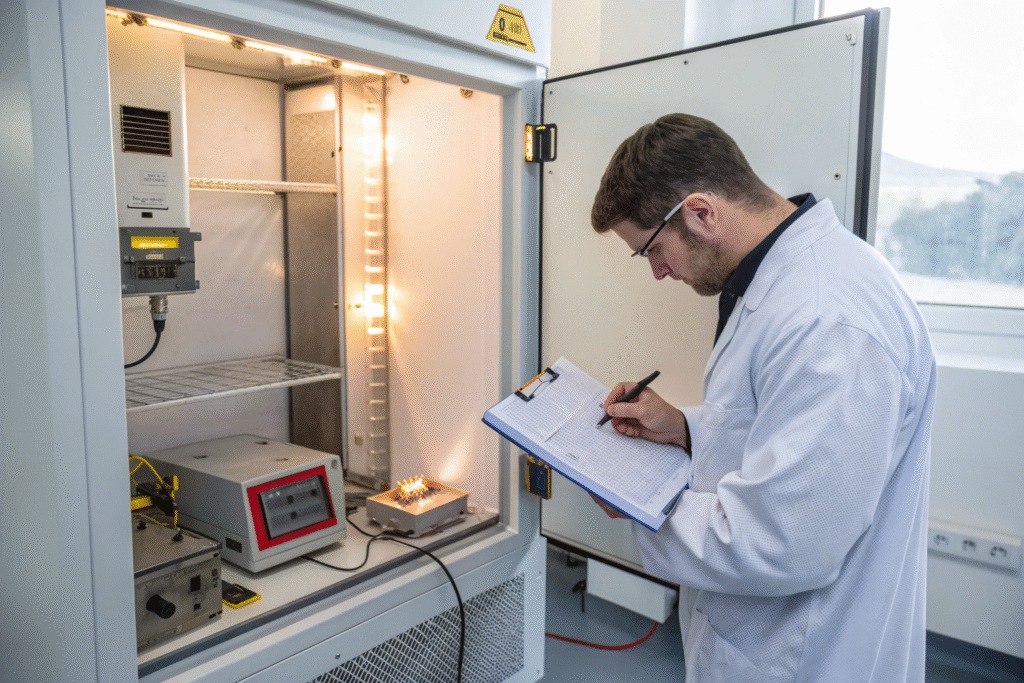
Testing essentials
- Flame resistance per ASTM D6413.
- Lint shedding tested against ISO 14644.
- ESD performance per ESD STM11.11.
What needs to be emphasized here is redundancy: always prototype with a backup fabric. Let’s take a moment to think this through together—space tourism schedules slip, but backups can save contracts.
Manufacturing Controls: Sewing Like It’s Aerospace (But Not Overkill)
You might be wondering—do we really need a cleanroom to sew uniforms? Not exactly.
Actually, what you need are “clean sewing” practices: lint control, ESD precautions, and sealed trims.

What matters most?
- Needle changes and vacuum cutting to reduce fibers.
- Ultrasonic seams where possible.
- Final garment HEPA vacuuming.
Let’s think this through together: perfection isn’t required—but control and consistency absolutely are.
Conclusion
Zero-gravity tailoring for space tourism sits at the crossroads of aerospace standards and fashion design. To be honest, it’s not easy—few suppliers can align safety, comfort, and style. Actually, while editing this article, I noticed how much progress has been made since 2023: more patents, more aerospace/fashion collaborations, more feasibility. You might be wondering—is it worth entering such a demanding niche? Personally I think yes, because early adopters will define the look of space tourism.
At Shanghai Fumao Clothing, we develop protective apparel and source specialized textiles for extreme environments. Let’s take a moment to think this through together: if your brand wants to be part of the first wave of space tourism tailoring, we can help. Contact our Business Director Elaine at elaine@fumaoclothing.com or visit shanghaigarment.com.