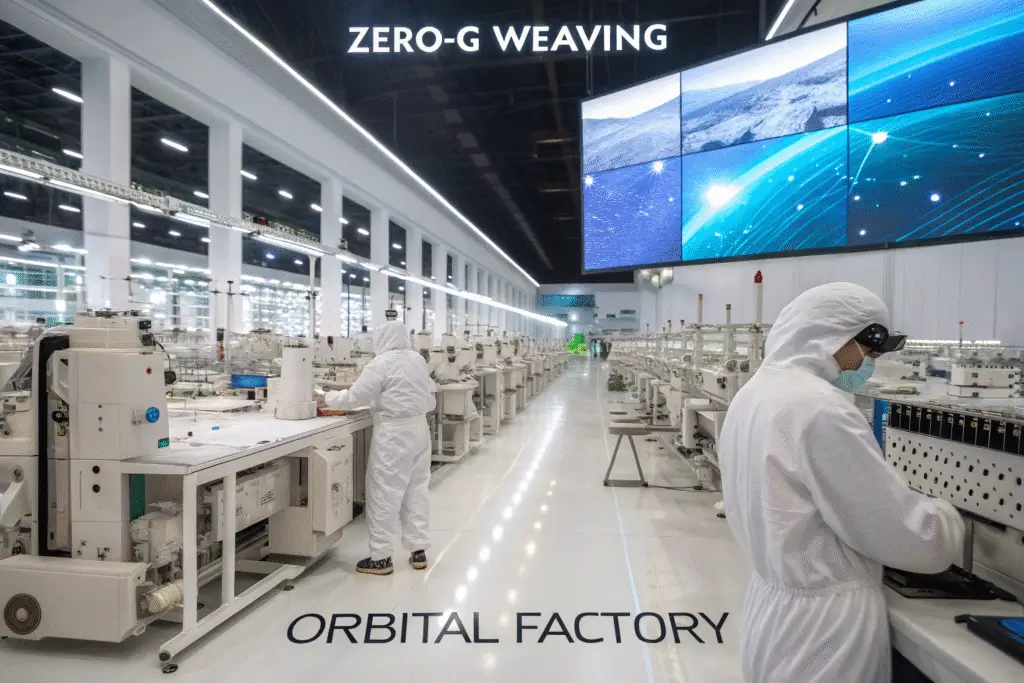
As an apparel brand owner, you are always looking for the next big thing. You hear terms like "Zero-G Weaving" and "Orbital Factory" and wonder if this is just science fiction or a real competitive edge. I understand. In my decades running a garment manufacturing business, I've seen many trends come and go. The promise of revolutionary manufacturing processes is exciting, but the path to sourcing them is often unclear. This article will cut through the hype and give you a practical, real-world guide.
The terms "Zero-G Weaving" and "Orbital Factory" represent the pinnacle of advanced, innovative apparel manufacturing. Sourcing from such facilities is less about finding a literal factory in space and more about partnering with manufacturers who have achieved a level of technological integration, precision, and quality control that seems almost otherworldly. The key lies in identifying partners with proven expertise in cutting-edge techniques like 3D knitting, automated seamless construction, and sustainable, zero-waste production systems.
Let's move beyond the futuristic jargon and break down what you really need to know. We will explore how to find these advanced partners, verify their capabilities, and ensure a smooth production process. This knowledge will help you make informed decisions for your brand's future.
What Are the Real-World Benefits of Advanced Weaving Technologies?
You want to know if these advanced technologies are worth the investment. The benefits are very real and directly impact your bottom line. The core advantage lies in achieving superior quality and efficiency that standard factories cannot match.
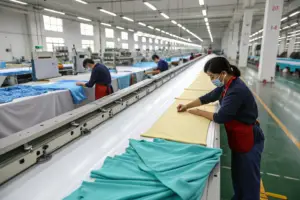
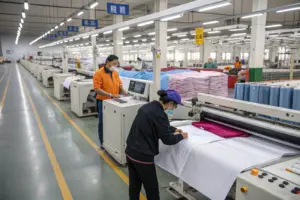
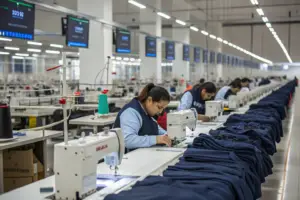
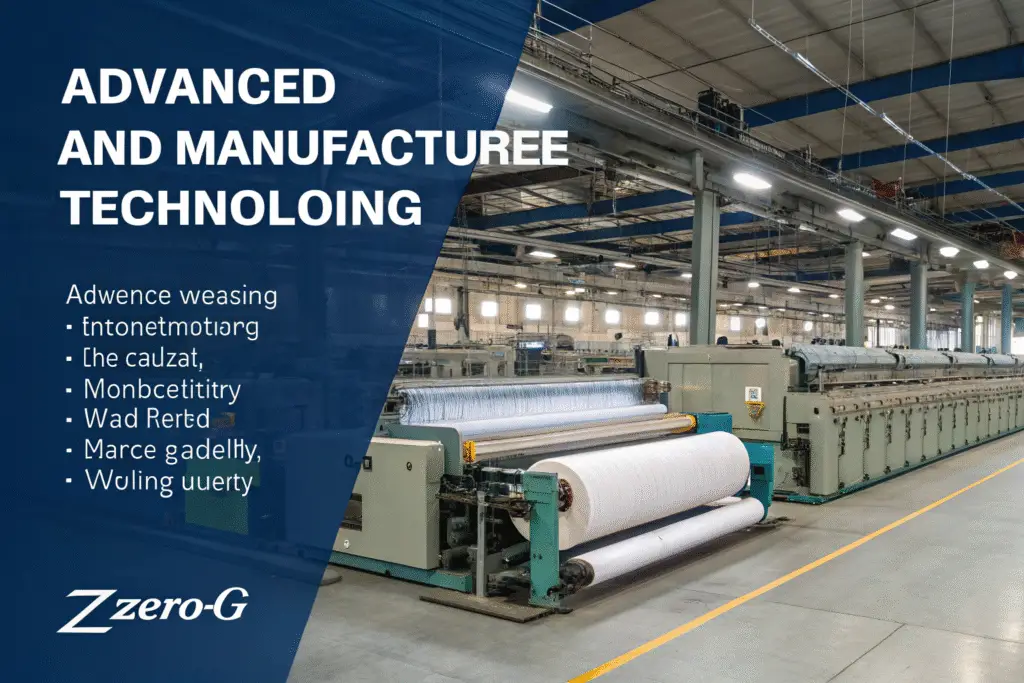
Advanced weaving and manufacturing technologies, like those hinted at with "Zero-G" concepts, often involve methods that reduce stress on the yarn. This results in fabrics with exceptional consistency, minimal defects, and enhanced durability. For your brand, this means fewer customer returns and a stronger reputation for quality. Furthermore, these processes are frequently more automated, leading to faster production times and greater consistency across large orders.
How does advanced weaving improve final product quality?
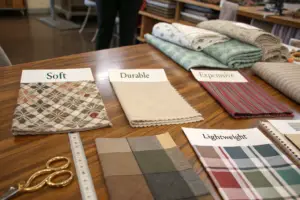
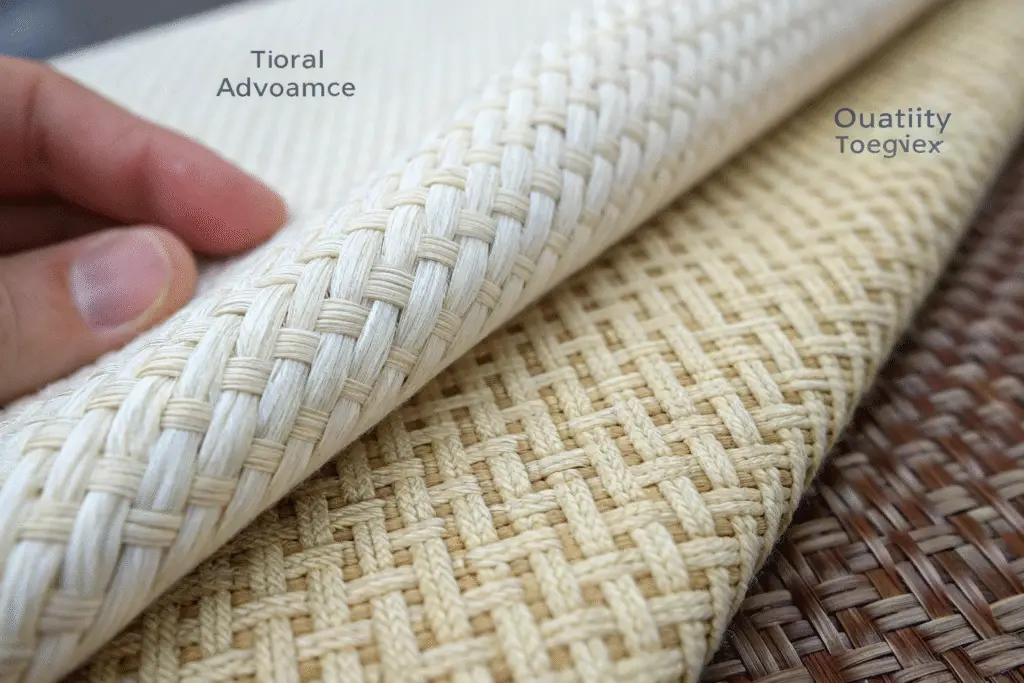
The fundamental improvement is in the integrity of the fabric. Traditional looms subject yarns to significant tension and friction. Advanced methods, such as specific types of 3D weaving or seamless knitting, are designed to be gentler. This careful handling preserves the natural strength and elasticity of the fibers. The outcome is a fabric that is less prone to pilling, stretching out of shape, or tearing. This level of quality is something your customers will notice and appreciate, allowing you to command a higher price point.
What are the cost implications beyond the initial price?
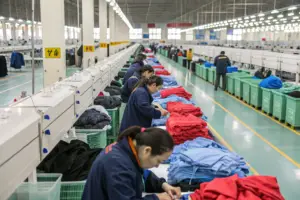
While the initial cost per unit might be higher than with conventional manufacturing, the total cost of ownership is often lower. Consider the savings from a drastic reduction in defective items. You will spend less on quality inspections, returns processing, and replacing faulty goods. Also, the efficiency of these advanced factories means they can often execute orders faster, helping you get your products to market quickly and capitalize on trends. This speed to market is a critical financial advantage that can outweigh a slightly higher unit cost.
How To Identify a Truly Advanced Apparel Manufacturing Partner?
Finding a supplier that matches the "Orbital Factory" ideal requires careful vetting. It's not just about what they claim on their website; it's about verifying their capabilities on the ground. You need a partner, not just a vendor.
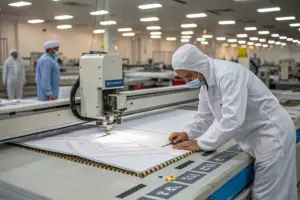
The first step is to look beyond marketing buzzwords. A genuine advanced manufacturer will be transparent about their specific equipment and processes. They should readily provide details about the machinery they use, such as Shima Seiki whole garment knitting machines or other industry-leading technology. They should also have a clear, documented quality control system that integrates at every stage of production, from raw material inspection to finished product auditing.
What specific questions should I ask a potential supplier?
Do not ask yes-or-no questions. Ask for evidence. Request a list of their primary production machinery and its age. Newer, well-maintained equipment is a strong indicator. Ask for their standard quality control checklist and the pass/fail rates for recent orders. Inquire about their experience with the specific type of product you want to make. A reliable partner will have no problem sharing this information. They should also be willing to explain their process for handling production challenges when they arise.
What certifications and audits are true indicators of capability?
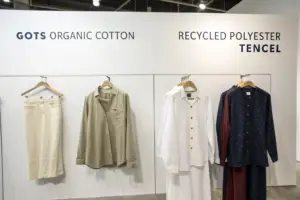
Certifications are crucial, but only if they are relevant and verified. Look for social compliance audits like BSCI or SMETA, which indicate a well-managed factory. For technical capability, certifications related to the products are key. For instance, a factory producing performance wear should have BLUESIGN certification, proving they manage chemicals responsibly. A factory claiming eco-friendly practices should have GOTS (Global Organic Textile Standard) or Oeko-Tex Standard 100 certifications. Always ask for copies of the certificates and verify their authenticity online if possible.
How To Ensure Smooth Communication and Reliable Logistics?
Your partnership's success hinges on more than just production quality. Inefficient communication and logistical delays are major profit killers. Overcoming these challenges is a hallmark of a world-class supplier.
A top-tier manufacturer acts as an extension of your team. This requires assigning a dedicated project manager who speaks fluent English and understands your market. This single point of contact streamlines communication, preventing the misunderstandings that occur when dealing with a generic sales team. On the logistics side, expertise in shipping to the U.S. is non-negotiable. Your partner should manage the entire process, ensuring DDP (Delivered Duty Paid) terms are handled correctly so you receive your goods without unexpected fees or delays.

What is the best way to structure communication with a factory?
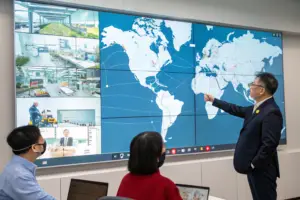
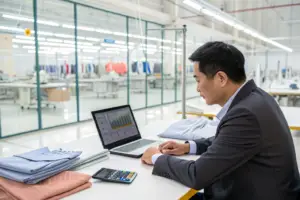
Insist on a dedicated communication protocol from the start. This means having one primary contact person, like our Business Director Elaine, for all key decisions. Use collaborative tools like shared spreadsheets for tracking order status and a central hub for all tech packs and sample feedback. Schedule regular weekly update calls rather than relying solely on email. This proactive approach prevents small issues from becoming big problems and builds a strong, transparent relationship. This level of supplier relationship management is critical for success.
How can I protect my business from shipping delays?
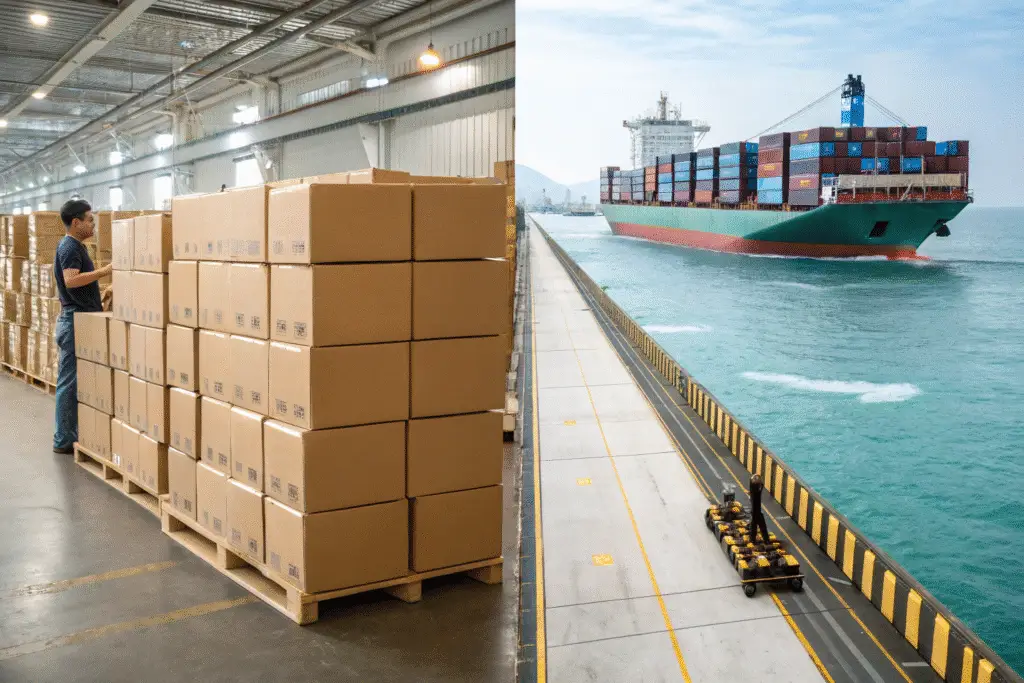
Choose a manufacturer with proven logistics expertise. They should have strong relationships with freight forwarders and a clear understanding of incoterms like DDP. Ask about their contingency plans for port congestion or other disruptions. A reliable partner will provide transparent shipping schedules and proactive updates on your order's status. They will also offer production planning that builds in a buffer for potential delays, ensuring your products arrive in time for your selling season. This reliability is a core part of our service at Fumao Clothing.
What Are the Key Steps To Start Your First Production Order?
Taking the step from vetting to production can feel daunting. A systematic approach minimizes risk and sets the stage for a long-term, profitable partnership. The goal is to start small, validate the partnership, and then scale.
The process should begin with a sample development phase, not a large production order. This allows you to evaluate the factory's craftsmanship, communication, and adherence to your specifications without significant financial risk. Once the sample is approved, a small pilot run serves as the final test of their production capabilities and quality control systems before you commit to a full-scale order.
Why is starting with a sample development phase critical?
The sample phase is your most important risk management tool. It tests the factory's ability to interpret your tech pack and vision. A professional factory will provide a detailed quote after reviewing your tech pack and will create a prototype sample for your approval. They should be open to multiple rounds of revisions until the sample meets your exact standards. This process also tests communication efficiency. Pay close attention to how they handle your feedback. This phase is about building confidence before any major investment is made.
What should be included in a pilot run agreement?
| A pilot run agreement for a first order must be detailed. It should clearly state the following: | Item | Description |
|---|---|---|
| Order Quantity | A small quantity, typically 10-20% of a full order. | |
| Quality Acceptance Criteria | Specific, measurable quality standards based on the approved sample. | |
| Production Timeline | Clear dates for each milestone, from fabric cutting to final inspection. | |
| Payment Terms | Often a higher deposit for a first order, with balance payment after pre-shipment inspection. | |
| Inspection Rights | Your right to conduct a third-party pre-shipment inspection before payment. |
This agreement protects both parties and ensures everyone has the same expectations for the first, crucial production run.
Conclusion
Sourcing from a manufacturer with advanced capabilities is a strategic decision that can elevate your brand. The journey involves understanding the real benefits, meticulously identifying the right partner, establishing flawless communication, and starting with a careful, measured approach. It's about moving from a transactional relationship to a strategic partnership built on transparency, quality, and reliability.
The goal is to find a manufacturer that becomes a seamless extension of your own team. This partner should empower you to bring innovative, high-quality products to your market with confidence. If you are looking for a manufacturing partner that combines advanced capabilities with unwavering reliability, we are here to help. Let's discuss how we can bring your apparel visions to life. Please contact our Business Director, Elaine, at elaine@fumaoclothing.com to start the conversation.