Finding the right supplier for waterproof and technical outerwear can feel like navigating a storm without a raincoat. Sourcing errors—like poor seam sealing, inaccurate waterproof ratings, or material substitutions—can cause costly returns and destroy customer trust. For buyers like Ron, a seasoned apparel distributor in the U.S., ineffective sourcing isn’t just an inconvenience—it’s a threat to seasonal profit cycles.
To source waterproof and technical outerwear effectively, you must evaluate fabric specs, factory capabilities, certification legitimacy, and delivery efficiency—while maintaining quality and price control. This involves more than browsing Alibaba or attending tradeshows. It requires choosing factories with real engineering strength and transparent testing practices.
Technical outerwear has become the backbone of fall/winter apparel lines, especially for outdoor, sports, and utility brands. With high margins and growing demand, getting your sourcing strategy right is critical. Let’s explore how to do it step by step.
What Fabrics Are Best for Waterproof Outerwear?
Choosing the right fabric is the foundation of any technical outerwear sourcing strategy. Many buyers confuse basic water-resistant fabrics with truly waterproof ones, which leads to returns and bad reviews. Understanding fabric types and ratings helps prevent this.
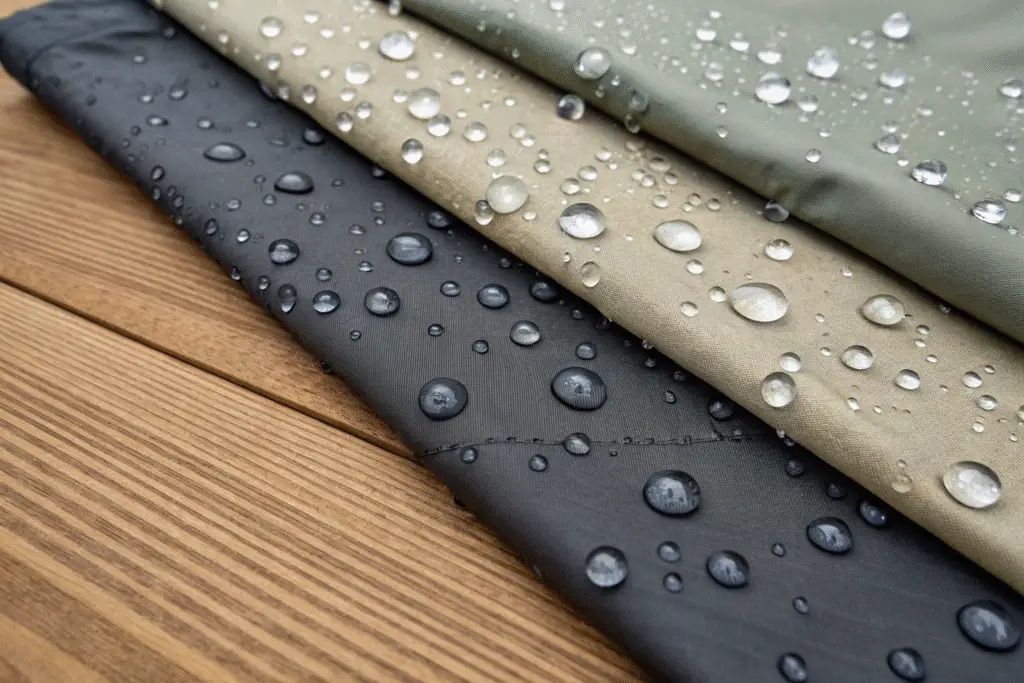
Laminated fabrics like 3-layer nylon or polyester bonded with TPU or ePTFE membranes offer the best combination of waterproofing and breathability for technical outerwear. They perform better than single-coated fabrics and last longer with minimal degradation.
Modern buyers need to weigh breathability (MVTR ratings), hydrostatic head ratings, and durability. Waterproof fabrics should not only block water from entering, but also allow sweat vapor to escape.
What Are the Differences Between Coated and Laminated Fabrics?
Coated fabrics have a single layer of waterproof material sprayed or brushed on the back of the fabric. Laminated fabrics, by contrast, bond layers together using pressure and adhesive. Laminates offer better performance for extreme use and multiple washes.
Coated fabrics tend to be less expensive, making them popular in budget ranges. However, they degrade faster and don’t perform well under abrasion. Laminated fabrics like eVent or Toray Dermizax are used in premium lines due to their durability.
When working with a supplier, always ask for the hydrostatic head test results. Aim for at least 10,000mm if your jacket is designed for hiking or city wear, and 20,000mm or more for alpine use. Gore-Tex sets the benchmark, but several Chinese mills offer competitive alternatives at lower cost.
Why Is Breathability Equally Important as Waterproofing?
Many new buyers ignore breathability. This mistake can ruin user experience. A jacket that’s waterproof but not breathable traps sweat, leading to discomfort and condensation inside.
Always look for MVTR (Moisture Vapor Transmission Rate) scores. A good performance standard is 10,000 to 15,000 g/m²/24hr for active outdoor wear. For less active urban jackets, lower is acceptable.
Ensure your fabric also includes a Durable Water Repellent (DWR) surface treatment. Ask your supplier if they can provide PFC-free or Bluesign® approved DWR coatings. These options meet eco-standards like REACH and California Prop 65.
Refer to Bluesign’s list of approved mills or visit OEKO-TEX to cross-check certifications.
How to Verify a Factory's Outerwear Engineering Capabilities?
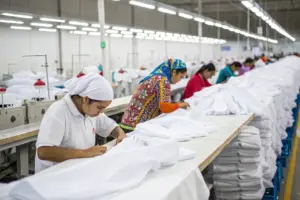
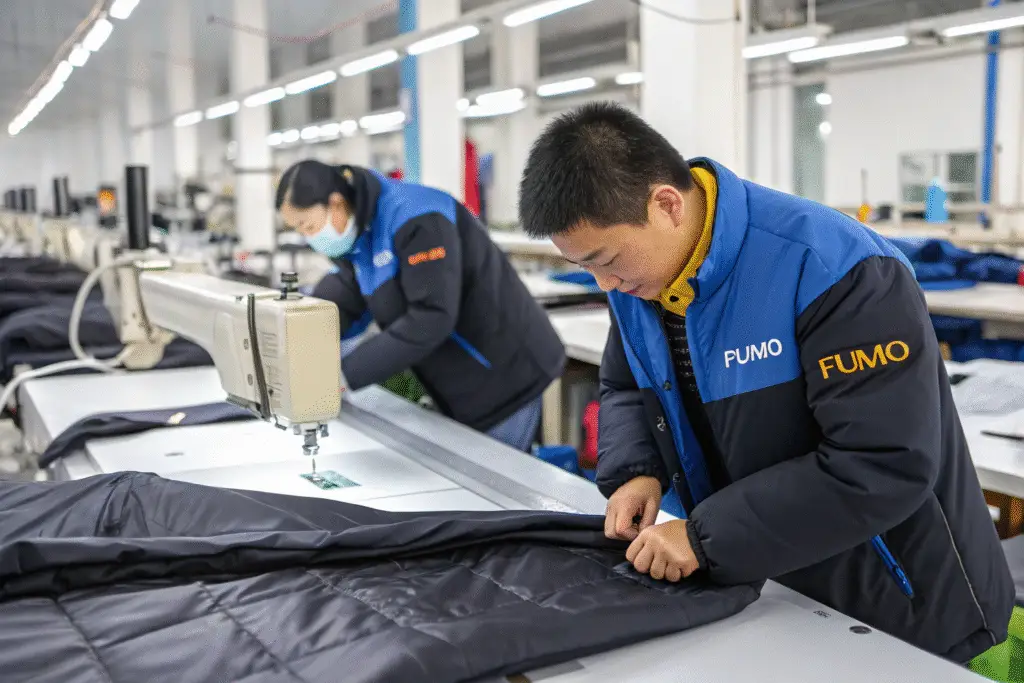
Even if you choose the right fabric, the wrong factory can ruin your final product. Seam taping, bonding, and technical pattern work require specialized machines and trained technicians.
The most reliable outerwear factories in China are equipped with seam sealing, ultrasonic bonding, laser cutting, and pressure-testing machines—ensuring your garments meet both performance and durability requirements.
Before working with any supplier, ask them for factory walkthrough videos or virtual tours that show actual technical garment production—not just generic sewing lines.
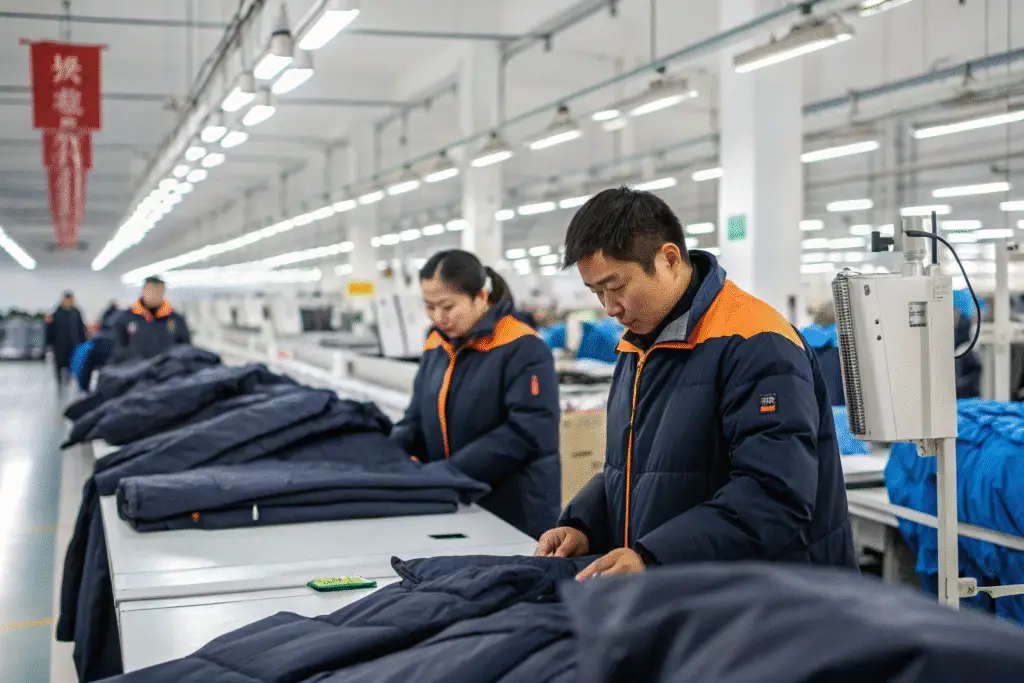
Do They Have Industrial Seam Taping and Heat-Bonding Machines?
Seam sealing is mandatory for waterproof outerwear. If your factory lacks hot-air seam sealers like FK Group or Macpi, your jackets will leak. These machines are not cheap, so only serious outerwear factories invest in them.
Suppliers with seam-sealing equipment often display it in videos or Alibaba product pages. If not, ask for specific proof—like a video of their operator taping seams on your selected fabric. Also check whether they do edge-taping, curved seam bonding, or hood vent taping—the small details that signal true experience.
You can see examples of seam taping in use from brands like Patagonia and Arc'teryx.
Can They Handle Multi-Layer Construction with Mesh, Lining, and Vent Panels?
Modern jackets are complex. Most include mesh linings, insulation panels, or underarm zippers. Ask whether the supplier has experience managing multi-layer construction.
Factories must align inner layers correctly to avoid shifting during production. Only experienced pattern teams can align DWR shells with mesh and heat-bonded films accurately.
Look for evidence in previous production samples, or ask if they’ve worked with U.S. or EU brands. Visit sites like QIMA’s supplier audit page or Made-in-China.com to compare capabilities.
What Certifications and Lab Tests Should You Ask For?
Quality claims must be backed by documents, not promises. Many suppliers exaggerate test results or misuse logos. You need to verify claims with real lab reports and valid certificates.
Always request certificates for fabric safety (OEKO-TEX), waterproofing (ISO 811), and factory management (ISO 9001). Also ask for test results per purchase order, not just general samples.
Verifying these can save you from lawsuits, returns, and failed compliance checks.

What Third-Party Certifications Ensure Waterproof Quality?
Here are four key certifications to request:
| Certification | Purpose | Authority |
|---|---|---|
| ISO 811 | Water pressure resistance | ISO.org |
| OEKO-TEX 100 | Chemical safety | OEKO-TEX |
| ISO 9001 | Process control | Bureau Veritas |
| REACH | EU chemical safety | ECHA |
Never rely on screenshots. Ask for the original PDF file, or better, scan the certificate QR code. Cross-check OEKO-TEX certificates on the official verification page.
Suppliers using Intertek, SGS, or BV are usually more reliable.
Should You Require Testing Reports for Each PO?
Yes. Every bulk PO should include lab testing as part of your agreement. Pay extra for third-party testing if needed.
Minimum test reports include:
- Hydrostatic head (ISO 811)
- Seam strength
- Breathability (MVTR)
- Colorfastness to rain and sweat
Build these into your factory QC process. We at Fumao integrate all these into our final inspection workflow. You’ll also find similar SOPs from full-package vendors listed on Fibre2Fashion.
How to Manage MOQ, Lead Time, and Cost for Outerwear?
Managing logistics is key to profitable sourcing. Many U.S. buyers overpay or delay projects because they don’t understand outerwear-specific MOQs and seasonal lead times.
To manage cost effectively, aim for 500–800 units per style per color, confirm raw material readiness, and plan for seasonal delays months in advance.
Choose a factory like ours that offers flexibility in delivery methods and materials planning.

What Are Reasonable MOQs for Technical Outerwear?
Factories typically require:
- 500–800 pieces per color/style
- 1500–2000 total per PO (for price breaks)
Some suppliers offer split-MOQ plans, especially if you commit to multi-season projections. Platforms like Alibaba let you sort by MOQ.
We offer custom MOQ planning with shared trims and fabric grouping to lower buyer thresholds. Contact us for tailored plans.
How to Avoid Production Delays During Peak Seasons?
China’s outerwear production peaks in July–October. You must book material and confirm sampling by early summer.
We suggest a realistic timeline:
- Sample: 10–14 days
- Bulk: 45–60 days
- DDP shipping: 25–35 days
Use partial shipment strategy—split air and sea freight like Flexport recommends. It lets you launch the first wave of goods faster while saving cost on later inventory.
Confirm raw material availability before finalizing PO. Some trims—like waterproof zippers and seam tapes—have long lead times.
Conclusion
Sourcing waterproof and technical outerwear is a process that rewards the informed buyer. From selecting high-performance membranes to evaluating seam bonding capacity and verifying compliance documents, each step must be verified, not assumed. The right strategy will reduce risk, boost brand quality, and keep your customers loyal through every wet season.
To start your next outerwear sourcing project, email our Business Director Elaine at elaine@fumaoclothing.com. At Shanghai Fumao, we turn outerwear ideas into durable, tested, and market-ready garments for U.S. brands that value quality and delivery.