The demand for water-resistant natural fabrics is rising in the apparel industry. Consumers want eco-friendly materials that also perform well in daily life. Fashion brands in the U.S. and Europe are searching for sustainable solutions that combine comfort with functionality. For us as manufacturers and exporters, this creates a clear opportunity.
Water-resistant natural fabrics bridge the gap between sustainability and performance. They allow brands to offer breathable, eco-conscious apparel that resists rain, spills, and stains. This is especially important for kids’ wear, activewear, and outerwear.
At the same time, sourcing these fabrics is not always straightforward. Buyers must navigate suppliers, certifications, and finishing technologies to ensure they are getting reliable, high-quality textiles.
What Are the Best Natural Fabrics for Water Resistance?
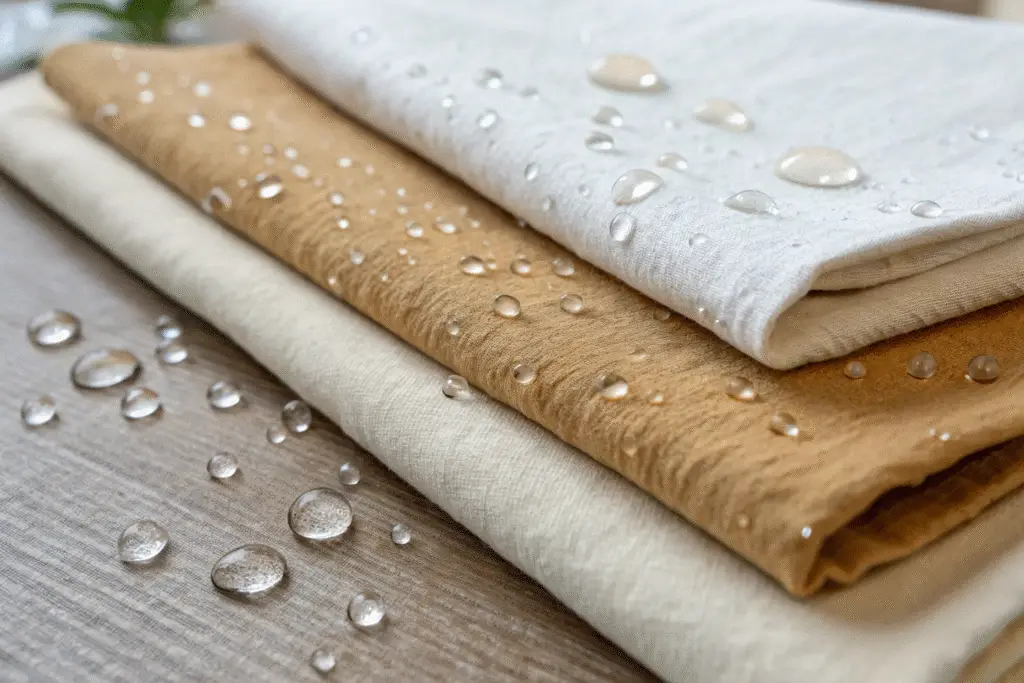
Fashion brands are increasingly considering natural materials that can be enhanced with water-repellent finishes. Cotton, hemp, and linen are leading options due to their comfort and sustainability.
Why Is Organic Cotton Popular in Water-Resistant Fabrics?
Organic cotton is breathable and comfortable. When treated with eco-friendly finishes, it becomes water-resistant without losing softness. Many apparel brands source from certified suppliers through platforms like GOTS and Textile Exchange.
Can Hemp and Linen Compete in Water Resistance?
Yes, both are naturally strong and durable. With modern coating technologies, hemp and linen can resist moisture while maintaining their rustic texture. Innovative mills are introducing PFC-free treatments to enhance performance without harming the environment.
How Do Finishing Technologies Improve Fabric Performance?
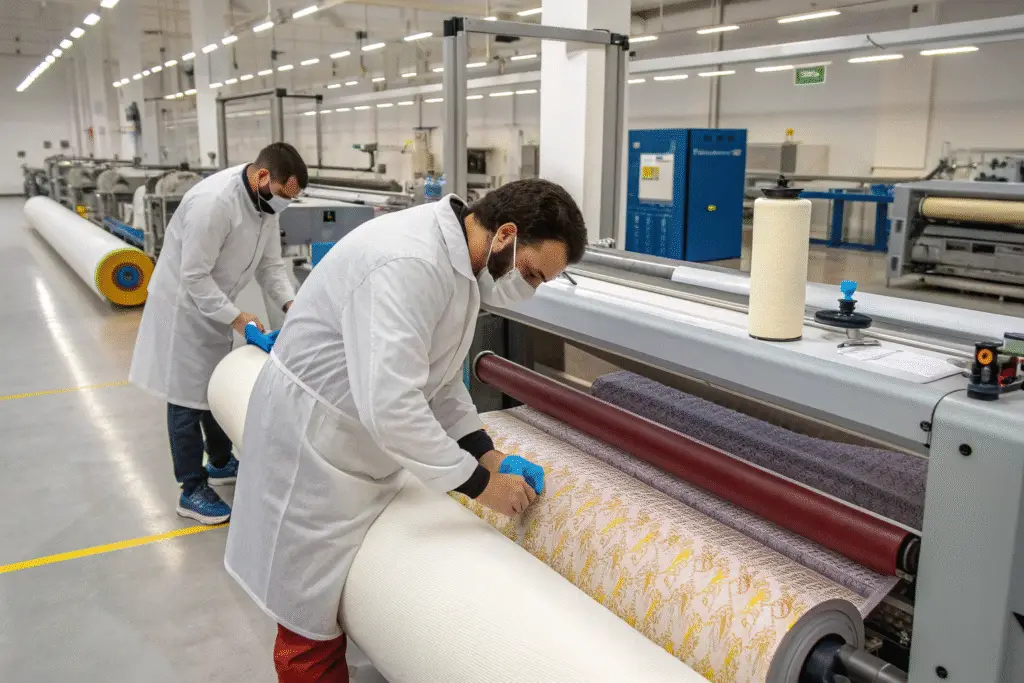
Finishing processes play a key role in making natural fabrics water-resistant. Treatments must balance functionality with eco-safety. Buyers today demand fabrics that perform but also meet green standards.
Which Eco-Friendly Finishes Are in Demand?
The most popular solutions include wax coatings, natural oil treatments, and fluorine-free finishes. These allow fabrics to resist water without toxic chemicals. Leading brands now prefer bluesign® approved materials or OEKO-TEX® certified textiles.
Are Durable Water-Repellent Coatings Safe for Apparel?
Yes, if they avoid harmful chemicals. New generations of C0 DWR finishes provide water resistance without PFCs. These are widely used in sustainable outerwear and kids’ fashion.
Where to Source Reliable Water-Resistant Natural Fabrics?
Finding the right supplier is critical. Buyers must evaluate production capacity, certifications, and communication reliability. Partnering with trusted manufacturers in China, India, and Vietnam ensures both scale and customization.

What Should Buyers Look for in a Supplier?
They should verify certifications, production flexibility, and experience with water-resistant finishes. Good suppliers provide full-package solutions, from fabric sourcing to apparel manufacturing. Platforms like Alibaba and Global Sources are popular starting points.
Can Chinese Manufacturers Deliver Consistently?
Yes. Many Chinese factories, including ours, run multiple production lines dedicated to sustainable apparel. We work with eco-certified mills and offer DDP shipping for smooth delivery to the U.S. and Europe.
Why Is Certification Important in Fabric Sourcing?
Certifications assure buyers that fabrics meet both performance and sustainability requirements. Without them, there is risk of misleading claims or unreliable quality.
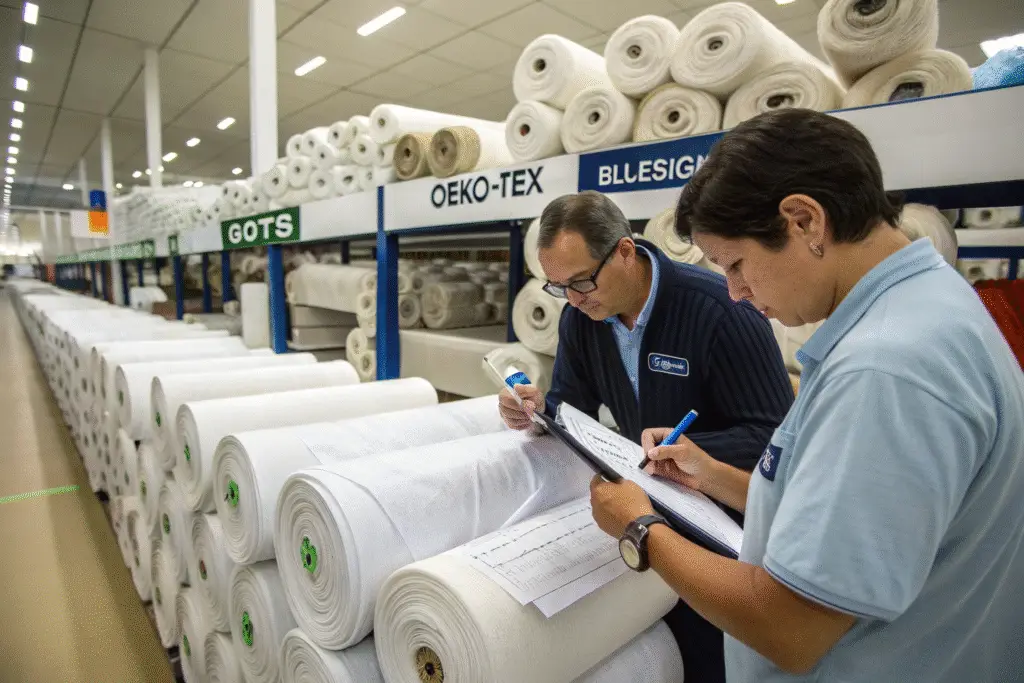
Which Certifications Should Buyers Prioritize?
Key certifications include GOTS for organic content, OEKO-TEX for safety, and bluesign® for eco-friendly production. These confirm fabrics are suitable for international fashion markets.
How Do Certifications Affect Marketability?
Certified fabrics allow brands to market products as eco-conscious and high-quality. This appeals to consumers who prioritize sustainability. For buyers, working with certified suppliers also reduces risks of customs issues or false labeling, which can damage brand reputation.
Conclusion
Water-resistant natural fabrics combine the best of performance and sustainability. By sourcing organic cotton, hemp, and linen with eco-friendly finishes, brands can meet growing consumer demand for eco-performance apparel. The key is to partner with certified, reliable suppliers who can ensure consistent quality and delivery.
At Shanghai Fumao, we specialize in manufacturing and exporting customizable apparel with sustainable materials. If your brand is ready to source water-resistant natural fabrics and turn them into market-ready collections, please contact our Business Director Elaine at elaine@fumaoclothing.com. We will help you bring eco-conscious performance apparel to your customers with confidence.