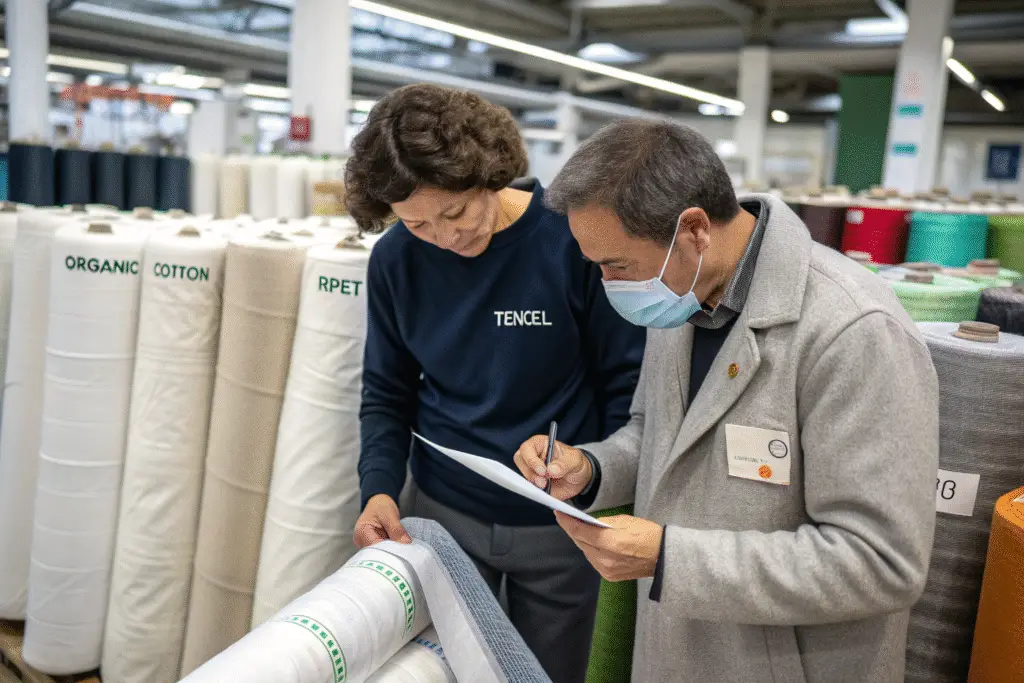
In the apparel industry, sustainability has gone from buzzword to baseline. Consumers want transparency. Retailers demand traceability. As a buyer or brand owner, you need to know exactly where your materials come from—and how to prove they’re sustainable.
To source sustainable and recycled materials for your apparel line, you must verify certifications, work with traceable mills, understand recycled input standards, and collaborate with trusted suppliers aligned with your brand values.
In this article, I’ll share practical strategies we've used at Fumao Clothing to help our clients—especially in the U.S. and Europe—build truly sustainable garment collections from the fiber up.
What Types of Sustainable Materials Are Available for Apparel?
There’s no one-size-fits-all sustainable fabric. Choosing the right material depends on your garment category, performance expectations, and brand values. But knowing what’s available helps narrow your search intelligently.
Top sustainable material categories include organic naturals, regenerated fibers, and recycled synthetics, each with unique pros and sourcing regions.
What Are the Most Common Sustainable Fabrics?
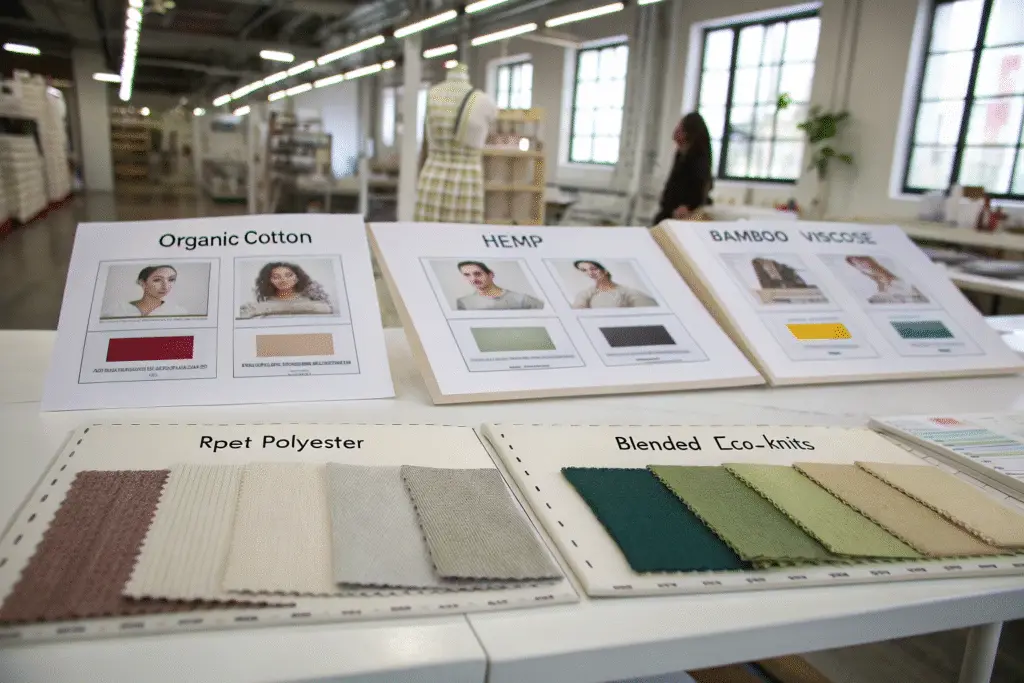
The most widely used eco-materials today include:
- Organic cotton (GOTS, OEKO-TEX)
- Lenzing TENCEL™ (closed-loop lyocell from Lenzing Group)
- Hemp and bamboo viscose
- Modal (from FSC-certified beechwood)
These fibers are breathable, durable, and biodegradable. At Fumao, we maintain a swatchbook with over 60 eco fabrics—including organic cotton jersey and TENCEL poplin—for custom programs.
What Are the Best Recycled Textile Options?
Recycled materials fall into two types:
- rPET: Made from post-consumer plastic bottles, widely used in activewear
- Recycled cotton: From pre-consumer cutting waste or post-use garments
We recommend sourcing rPET certified under the GRS (Global Recycled Standard) and checking suppliers on platforms like Repreve, which trace yarn origin and bottle count per meter.
rPET has excellent yield and durability. It’s cost-effective for leggings, sports bras, and outerwear lining.
How to Verify Fabric Certifications and Traceability?
Greenwashing is real. To protect your brand and customers, verifying the sustainability claims of your fabric is essential. Certificates are the first line of defense—but traceability is the deeper layer.
Valid certificates from recognized bodies and digital trace systems like QR or blockchain-backed data are now industry must-haves.
Which Fabric Certifications Should You Require?
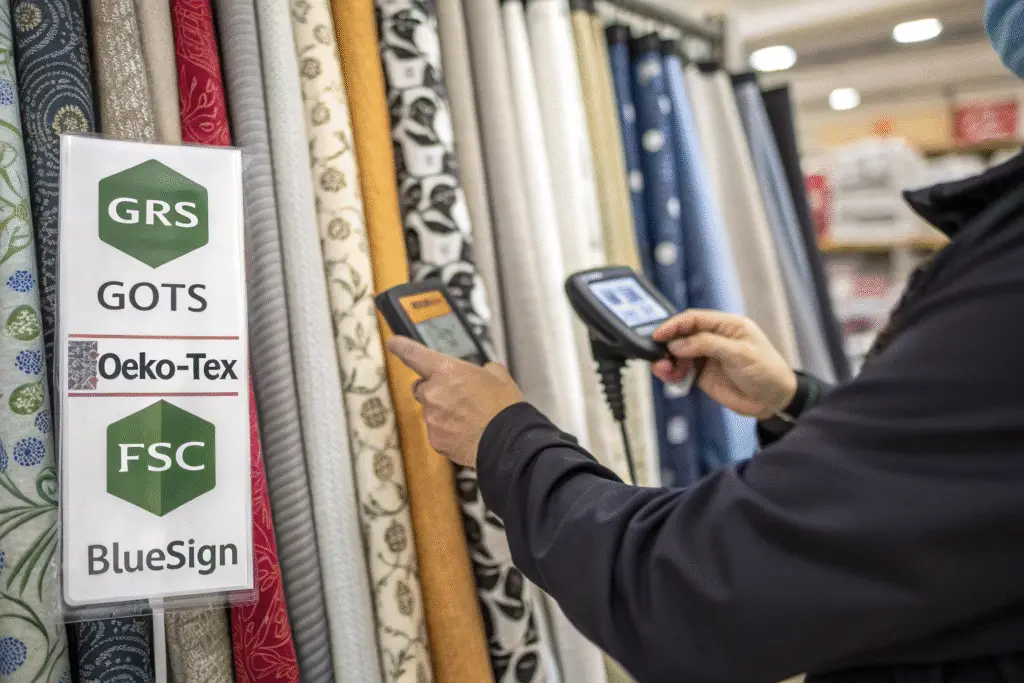
We recommend asking for:
- GOTS (organic textile production)
- GRS (recycled input verification)
- OEKO-TEX Standard 100 (chemical-free assurance)
- bluesign® (process-level sustainability)
All these must be issued by approved 3rd-party testing labs like Control Union or SGS.
Always request the scope certificate and the transaction certificate (TC) tied to your PO. Don’t just accept a factory logo on a label.
How Can You Trace Material Back to Its Source?
Many suppliers now offer traceable systems such as:
- QR code tags that link to fiber lot origin
- blockchain traceability tools (e.g. TrusTrace or FibreTrace)
- Batch ID or roll number mapping
At Fumao, we offer custom QR codes for clients using rPET, which can display the number of recycled bottles per garment. These are verified using Reverie’s yarn validation tools.
Where to Find Reliable Sustainable Fabric Suppliers?
Choosing a sustainable mill is more than just picking eco fabric from a catalog. You need partners with reliable output, audit transparency, and aligned values.
Top sustainable fabric mills offer certified materials, responsive sample handling, and transparent dye/finishing systems that match global compliance.

Which Regions Are Leading in Sustainable Fabric Supply?
Some of the best regions for eco-fabrics include:
- China (Zhejiang, Jiangsu) – Massive rPET and TENCEL production
- India (Tirupur, Gujarat) – GOTS cotton and recycled blends
- Turkey – Knits with strong OEKO-TEX compliance
- Portugal & Italy – Premium eco denim and suiting
Look for suppliers featured on Common Objective or Foursource, or through events like Première Vision with eco booths.
We partner with vertical mills in Shaoxing that provide GRS cotton jersey, bamboo fleece, and digitally printed TENCEL—ideal for small-batch fashion brands.
How to Qualify a New Sustainable Fabric Vendor?
Ask every new vendor:
- Are you certified (GOTS, GRS, OEKO-TEX)?
- Can I visit or see a video walkthrough?
- Do you provide small yardage MOQ for sampling?
- How do you handle roll-by-roll inspection and batch-level traceability?
A good vendor will provide complete swatch kits with physical tags and spec sheets. We ship kits globally within 5 days and label every roll with shrinkage, GSM, and dye lot.
How to Incorporate Sustainability Into Costing and MOQ?
Many new brands assume sustainability always means higher cost. Not always. Cost depends on fiber origin, quantity, dye method, and freight model. And in today’s wholesale climate, factories are offering lower eco MOQs to stay competitive.
The key is to balance certification, order volume, and end-use to optimize both sustainability and pricing.

What Are Typical MOQs for Sustainable Fabrics?
- Organic cotton knits: 300–500 meters
- rPET polyester: 500–800 meters per color
- TENCEL blends: 600–1,000 meters
- Hemp/linen: 400–600 meters
However, some mills offer stock-supported programs with lower MOQ or greige ready-to-dye (RTD) options. For example, Circular Systems offers closed-loop programs for startup volumes.
We work with 6 mills offering <300m MOQ for GOTS cotton jersey and 50kg for GRS fleece.
How Do You Manage Cost Expectations?
Eco fabrics cost 15–30% more on average. But we reduce cost by:
- Consolidating colorways across SKUs
- Choosing yarn-dyed vs piece-dyed for batch orders
- Using DDP pricing to eliminate hidden freight fees
Many of our U.S. clients also leverage carbon offset freight programs and bundle trims/fabrics into one DDP lane from China.
Conclusion
Sourcing sustainable and recycled materials is not just a trend—it’s now the industry standard. But doing it right requires a system: know your certifications, audit your vendors, and plan costs smartly.
At Fumao Clothing, we help apparel brands turn eco-conscious ideas into production-ready realities—from certified rPET hoodies to GOTS cotton T-shirts.
Whether you’re a seasoned buyer like Ron or launching a new line, the future of fashion is green—and it starts with your fabric choices.