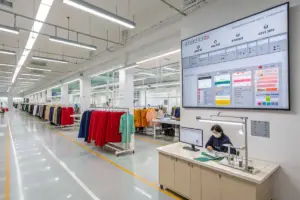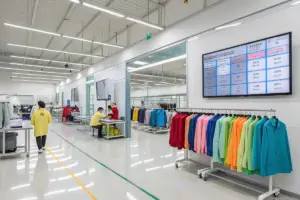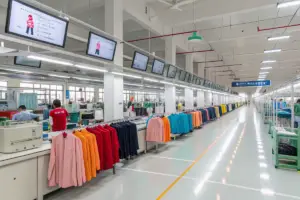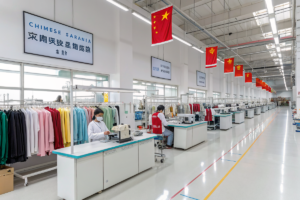
Sustainable fabrics are no longer a niche. They are becoming the standard. Many of my clients ask for sustainable options. The good news is that Chinese mills are investing heavily in sustainable production. The range of sustainable fabrics is growing fast. You can find everything from recycled polyester to organic cotton to innovative new materials.
To source sustainable fabrics from Chinese mills, look for GRS certified recycled fabrics, GOTS certified organic cotton, and OEKO-TEX certified materials. Request certification documents. Verify the supply chain. Be prepared for slightly higher costs and longer lead times.
I will explain the types of sustainable fabrics available. I will share where to find them. I will help you verify certifications.
What Sustainable Fabrics Are Available from China?

Chinese mills offer a wide range of sustainable fabrics. The range is growing every year. You can find almost any sustainable fabric type you need.
The main sustainable fabrics are recycled polyester, organic cotton, Tencel, bamboo, hemp, and recycled nylon. Each has different properties and price points. China produces all of them at competitive prices.
Here are the sustainable fabrics available from China.
| Fabric | Source Material | Certification | Cost vs Conventional | Best For |
|---|---|---|---|---|
| Recycled polyester | PET bottles | GRS | +10-20% | Activewear, outerwear |
| Organic cotton | Organic cotton | GOTS | +30-50% | T-shirts, basics |
| Tencel lyocell | Wood pulp | FSC, OEKO-TEX | +20-30% | Dresses, shirts |
| Bamboo | Bamboo pulp | OEKO-TEX | +10-20% | Sleepwear, loungewear |
| Hemp | Hemp plant | OEKO-TEX | +20-30% | Shirts, pants |
| Recycled nylon | Fishing nets | GRS | +20-30% | Swimwear, activewear |
What Is GRS Certification and Why Does It Matter?
GRS stands for Global Recycled Standard. It verifies the recycled content of a product. It also checks social and environmental practices. GRS certification ensures your recycled fabric claims are valid. Ask your supplier for their GRS certificate. Verify the certificate number. At Fumao Clothing, we use GRS certified recycled fabrics for our clients.
What Is the Difference Between Organic Cotton and Conventional Cotton?
Organic cotton is grown without synthetic pesticides or fertilizers. It uses less water. It is better for the environment. It is softer because fibers are not damaged by chemicals. The cost is 30 to 50 percent higher. GOTS certification ensures the entire supply chain is organic. At Fumao Clothing, we offer GOTS certified organic cotton production.
How to Find Sustainable Fabric Mills in China?

Finding sustainable fabric mills requires specific search strategies. You need to look for certified suppliers. Not all mills that claim to be sustainable actually are.
Search for GRS certified mills, GOTS certified mills, or OEKO-TEX certified suppliers. Check the Textile Exchange directory. Visit sustainable fabric trade shows. Ask your garment factory for recommendations.
Here are the best sources for sustainable fabric mills.
| Source | Best For | Certification Check | MOQ | Reliability |
|---|---|---|---|---|
| Alibaba | All sustainable fabrics | Check certifications | 500-1000 yards | Medium |
| Textile Exchange | GRS certified mills | Verified list | 1000-3000 yards | High |
| GOTS directory | Organic cotton mills | Official list | 500-2000 yards | Very high |
| OEKO-TEX directory | Chemical safe mills | Official list | 500-2000 yards | Very high |
| Trade shows | New sustainable fabrics | See in person | Varies | High |
| Factory referrals | Trusted sources | Pre-vetted | Varies | Highest |
How to Verify a Mill Sustainable Claims?
Ask for certification documents. Check the certificate number on the official database. Visit the mill if possible. Request samples and test reports. Check for greenwashing claims. Some mills claim sustainable without certification. Only trust verified certifications. At Fumao Clothing, we source from verified sustainable mills with valid certifications.
What Is Greenwashing and How to Avoid It?
Greenwashing is when a company claims to be sustainable without proof. Avoid suppliers who use vague terms like eco-friendly or green without certification. Look for specific certifications. Request documentation. Verify claims. If a price seems too low for sustainable fabric, it probably is not sustainable. At Fumao Clothing, we provide full documentation for all sustainable materials.
How to Budget for Sustainable Fabrics?

Sustainable fabrics cost more. But the premium is getting smaller. As demand grows, prices are coming down. Plan your budget accordingly.
Sustainable fabrics cost 10 to 50 percent more than conventional fabrics. Recycled polyester is the smallest premium at 10 to 20 percent. Organic cotton is the largest at 30 to 50 percent. The premium is worth it for the right market.
Here is a cost comparison of sustainable vs conventional fabrics.
| Fabric | Conventional Cost | Sustainable Cost | Premium | Per Yard Savings Tips |
|---|---|---|---|---|
| Polyester | .00-.00 | .40-.60 | +20% | Order larger quantities |
| Cotton | .50-.00 | .75-.00 | +50% | Use GOTS certified mill |
| Tencel | N/A | .00-.00 | New material | Compare suppliers |
| Bamboo | .00-.00 | .60-.00 | +20% | Order in bulk |
| Hemp | .00-.00 | .00-.50 | +25% | Long term commitment |
How to Reduce Sustainable Fabric Costs?
Order larger quantities to spread certification costs. Combine multiple styles in one fabric order. Use recycled polyester which has the smallest premium. Build a long term relationship with a mill. Order regular production runs. At Fumao Clothing, we help clients source sustainable fabrics at competitive prices through our mill relationships.
How Does Fumao Clothing Help with Sustainable Sourcing?
We have relationships with GRS and GOTS certified mills. We source recycled polyester, organic cotton, and other sustainable fabrics. We handle certification verification. We ensure supply chain transparency. Our clients benefit from sustainable production without the hassle. Contact Elaine at elaine@fumaoclothing.com.
How Does Fumao Clothing Support Sustainable Production?
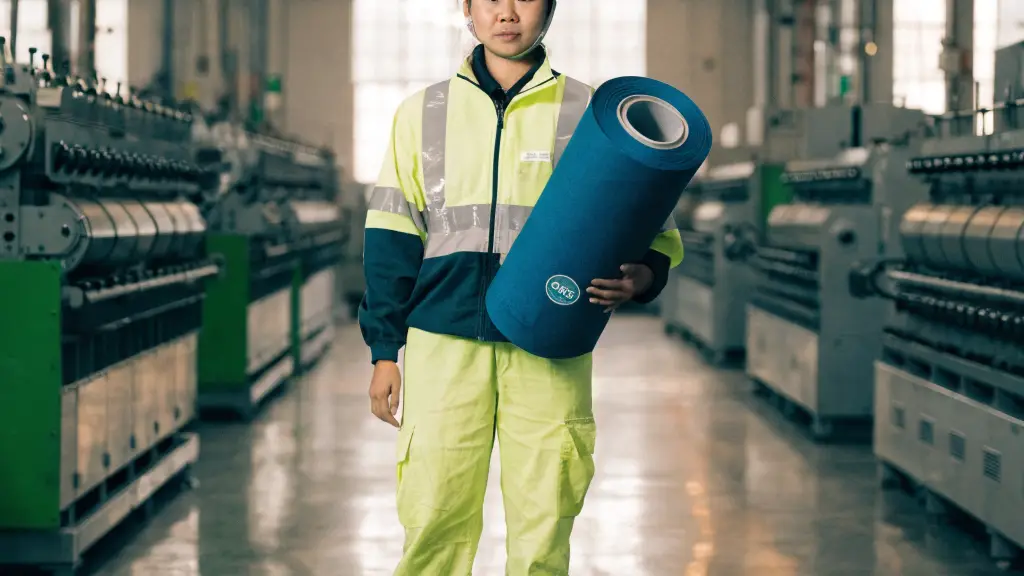
At Fumao Clothing, we are committed to sustainable production. We offer multiple sustainable fabric options. We hold relevant certifications.
We offer GOTS certified organic cotton, GRS certified recycled polyester, and OEKO-TEX certified fabrics. Our production processes minimize waste. We use eco-friendly packaging options.
Our sustainable production capabilities.
| Sustainable Option | Certification | Fabric Types | MOQ | Lead Time |
|---|---|---|---|---|
| Organic cotton | GOTS | Jersey, pique, fleece | 200 pcs | 7-9 weeks |
| Recycled polyester | GRS | Pique, fleece, jersey | 200 pcs | 7-9 weeks |
| Tencel | OEKO-TEX | Woven, knit | 300 pcs | 8-10 weeks |
| Bamboo | OEKO-TEX | Jersey, fleece | 200 pcs | 7-9 weeks |
| Hemp blend | OEKO-TEX | Woven | 300 pcs | 8-10 weeks |
How to Start Sustainable Production with Fumao?
Tell us your sustainability goals. We recommend the best sustainable fabrics for your products. We provide certification documents. We produce with eco-friendly processes. We ship DDP. Contact Elaine at elaine@fumaoclothing.com for sustainable production.
Why Choose Fumao for Sustainable Manufacturing?
We have verified sustainable fabric sources. We hold relevant certifications. We offer competitive pricing for sustainable materials. We are committed to reducing environmental impact. Contact Elaine at elaine@fumaoclothing.com to discuss your sustainable clothing line.
Conclusion
Sustainable fabrics are available and affordable from Chinese mills. With proper certifications and the right partner, you can build a sustainable clothing line. At Fumao Clothing, we source and produce sustainable garments. Contact Elaine at elaine@fumaoclothing.com.
#shanghaigarment #fumao #fumaoclothing #sustainablefabric #ecofriendly #organiccotton #recycledpolyester #clothingmanufacturer #garmentfactory #madeinchina