In capsule wardrobe production, fabric selection isn't just about feel—it’s about message, performance, and ethics. U.S. fashion buyers increasingly ask about sustainability, and as a Chinese garment manufacturer, I see firsthand how material sourcing impacts brand identity, waste reduction, and long-term cost. For clients like Ron who sell to conscious consumers, sustainable fabrics are essential.
To source sustainable fabrics for capsule collections, brands should prioritize certified materials, partner with ethical mills, and consider durability, softness, and environmental footprint in every fabric choice.
When capsule wardrobes are built on eco-friendly foundations, they offer real value to minimalist buyers—both in how the garments wear and in what they stand for. Let me break down exactly how you can get it right from the start.
What Are the Most Sustainable Fabrics for Capsules?
With so many eco-claims in the market, it's crucial to know which fabrics truly align with capsule and environmental goals.
The most effective sustainable capsule fabrics are those that balance softness, structure, longevity, and low environmental impact.
Why Is Organic Cotton a Top Choice?
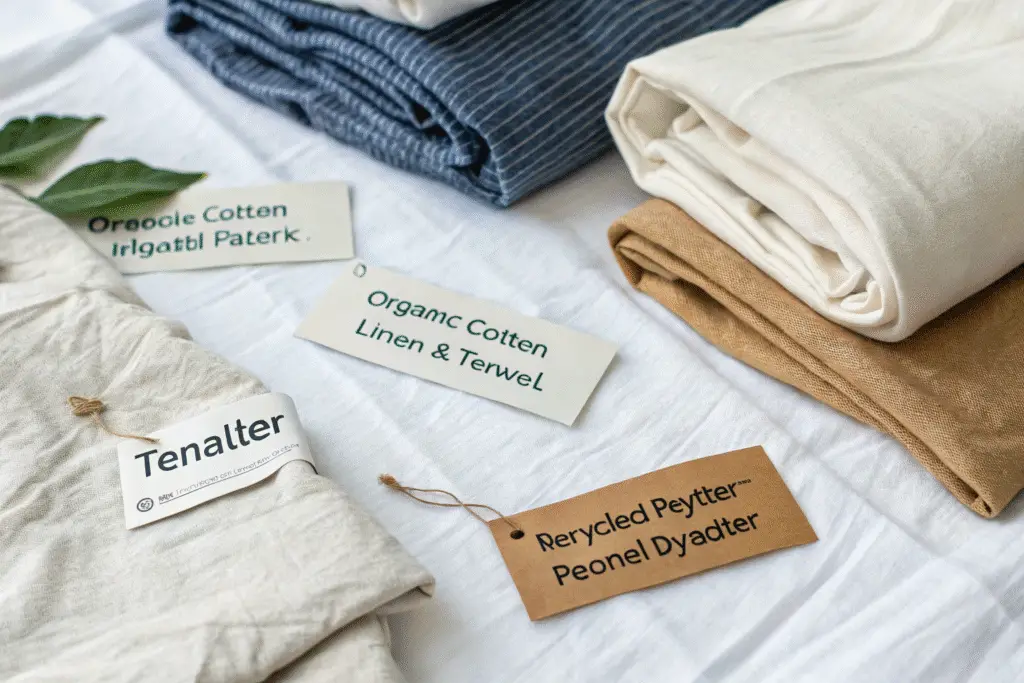
Organic cotton is a go-to for capsule basics. It’s soft, breathable, and familiar to consumers. Certified organic cotton uses no toxic pesticides and often consumes less water than conventional cotton.
According to the Textile Exchange, switching to organic cotton can reduce water pollution by 98%. Brands like Pact and People Tree build entire capsule lines around this material.
What Role Do Regenerated and Plant-Based Fibers Play?
Fabrics like TENCEL™ (from eucalyptus) and LENZING™ Modal offer silky feel with closed-loop production. They’re biodegradable and ideal for capsule loungewear or layering pieces. Recycled polyester is suitable for activewear elements in eco capsules.
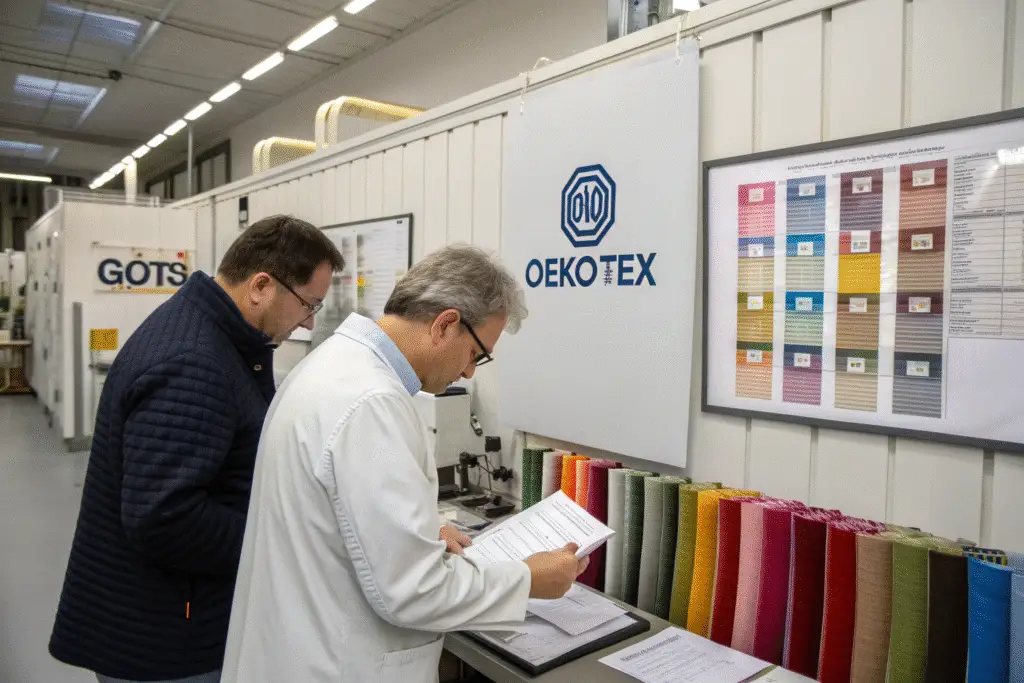
Suppliers certified by OEKO-TEX or GOTS ensure authenticity. These materials perform well, reduce landfill burden, and signal forward-thinking to buyers.
How Can You Verify Fabric Sustainability Claims?
Greenwashing is a growing concern. A sustainable label alone isn’t enough.
You must look for credible certifications, conduct material audits, and trace the origin of the fiber and processing methods to truly verify fabric sustainability.
What Certifications Should You Look For?
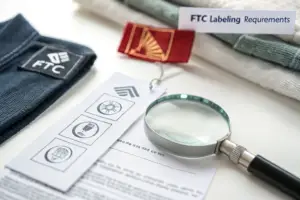
The most trusted certifications include:
| Certification | What It Covers | Ideal For |
|---|---|---|
| GOTS | Organic status from farm to finish | Cotton, linen |
| OEKO-TEX | Chemical safety in processing | All fabrics |
| GRSL | Restricted substance compliance | Synthetics |
| GRS | Recycled content verification | Recycled polyester |
Many of our clients request GOTS or GRS before we even begin sampling. These documents build brand credibility, especially for American labels that highlight ethical sourcing in their marketing like MATE the Label.
How Do You Trace Fiber Origins?
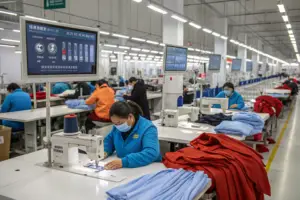
We work directly with certified mills in Zhejiang and Jiangsu who supply fabric origin documentation. Transparent supply chains reduce risk and help clients use blockchain traceability tools to prove claims. This gives your customers confidence that “organic” or “recycled” means exactly that.
Where Should You Source Eco-Fabrics for Small Capsule Batches?
Startups and growing brands often struggle with sustainable sourcing due to high MOQs.
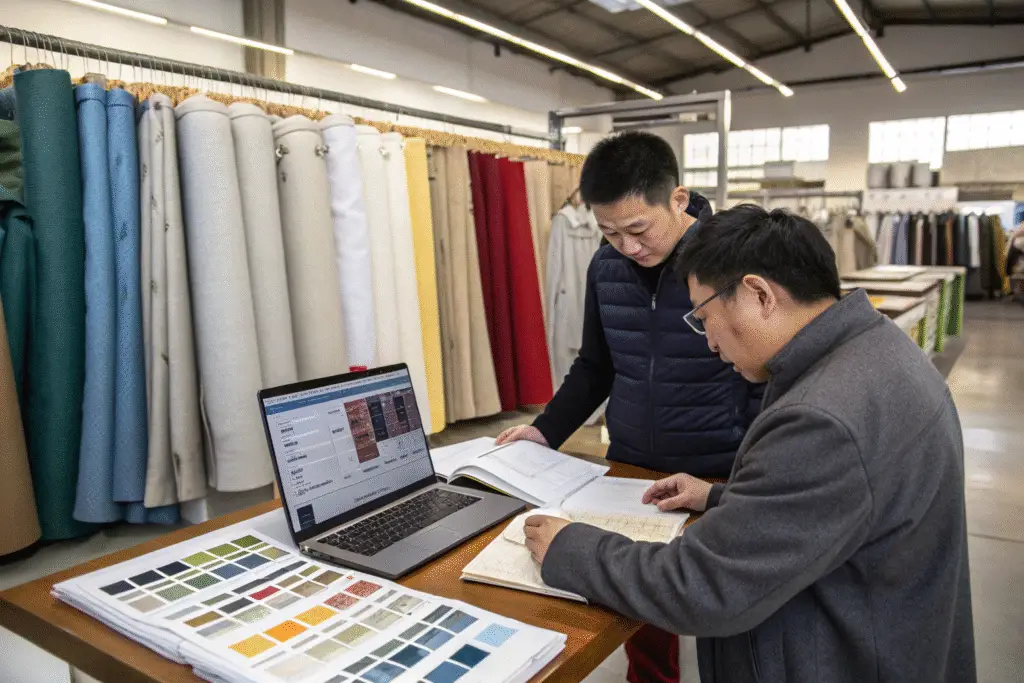
Look for fabric vendors that offer low minimums, stock support, and swatch books tailored to capsule manufacturing quantities.
Can Chinese Mills Offer Low MOQ Sustainable Options?
Yes. We collaborate with mills that specialize in low-MOQ runs for organic cotton, bamboo viscose, and TENCEL™. These options work perfectly for brands testing the market with a 30-piece capsule launch.
Fabrics are available in base colors like black, sand, navy, and ivory—perfect for capsule uniformity. We also support custom dyeing with low-impact pigments for orders above 300 meters.
What Platforms Help Discover Responsible Suppliers?
Beyond trade shows, many sustainable mills list through Common Objective or SwatchOn. These platforms filter suppliers based on certifications, MOQ, and sustainability score.
I often suggest clients start by sourcing 3–5 swatches to test hand-feel and construction. Many choose recycled blends for outerwear capsules or hemp blends for a natural finish. Sampling smart helps reduce waste and informs confident orders.
How to Balance Sustainability with Capsule Durability?
Eco-friendly shouldn’t mean fragile. Capsules demand both softness and strength.
The best sustainable capsule fabrics offer high wear-resistance, shape retention, and pilling control—supporting longevity and low return rates.
What Are the Key Durability Metrics to Ask About?
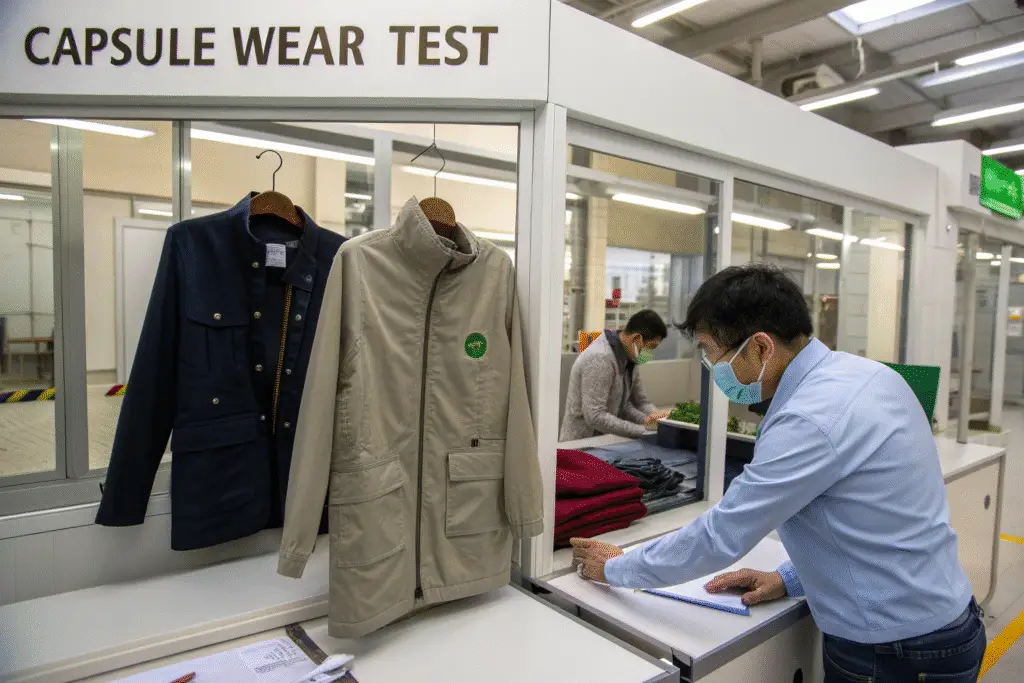
- Abrasion resistance (Martindale ≥ 20,000 cycles)
- Pilling grade (ISO 12945 > 4.0)
- Shrinkage (<3% after wash)
- Colorfastness (ISO 105-B02 > 4)
We test all these metrics in-house or through SGS. For capsule wardrobes that must endure frequent use, these benchmarks protect the product's long-term value.
Brands like ASKET and Organic Basics rely on these specs to minimize refunds and wear-out complaints.
Can Eco Fabrics Be Reinforced?
Yes. Organic cotton can be blended with 5–10% elastane or recycled polyester for stretch and structure. TENCEL™ blends can be woven tighter to prevent tearing. Finishing treatments like enzyme wash improve hand-feel while enhancing durability.
We always advise testing capsule fabrics through pre-production wash trials. It’s not just about being green—it’s about being long-lasting and wardrobe-worthy.
Conclusion
Sourcing sustainable fabrics for capsule collections is about more than eco-buzzwords. It requires careful balance between material integrity, supply chain transparency, and capsule-function performance. From organic cotton to closed-loop TENCEL™, and from low MOQ sourcing to durability testing, each decision affects how your collection wears and how your brand is perceived. As a manufacturer working closely with U.S. brands, I can confidently say: the capsules that last start with fabrics that do too.