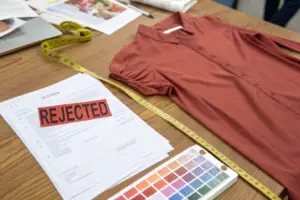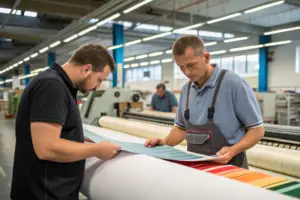
Sourcing patterns that fit different sizes accurately is one of the biggest challenges in the apparel industry. Many brands spend months trying to balance creative design with technical fit, only to face wasted materials, high return rates, and unsatisfied customers. The issue is not just design—it is also about supplier reliability, communication, and production consistency.
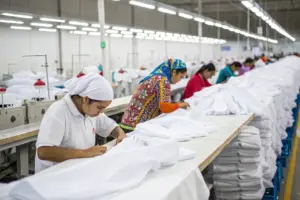
The most efficient way to source size-specific patterns is to partner with manufacturers that use advanced digital tools, skilled technical teams, and structured production workflows. This ensures accuracy, speed, and consistent sizing across collections.
When buyers learn to streamline the process, they can improve fit, save costs, and deliver quality apparel to the market. Below, I share methods that we at Shanghai Fumao Clothing use to help American apparel companies source size-specific patterns effectively.
Why Are Accurate Size Patterns So Important?
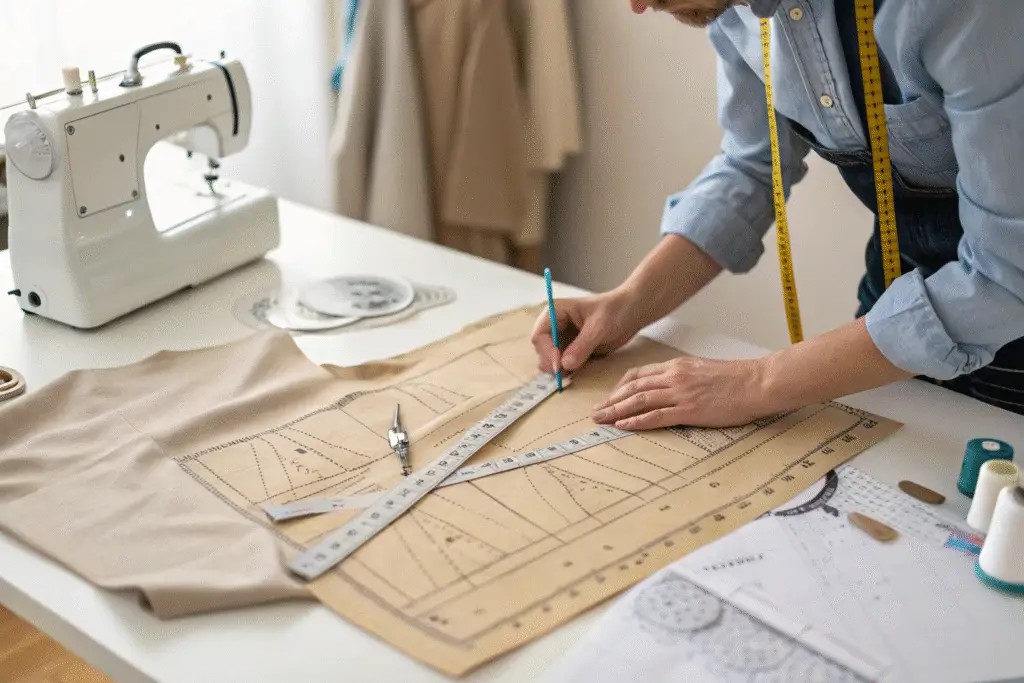
Every garment begins with a pattern. If the pattern is wrong, the fit will be wrong, no matter how good the fabric or sewing may be. Poorly sized garments increase return rates, frustrate customers, and weaken brand reputation.
Precise size patterns create consistency in production, reduce material waste, and help brands meet customer expectations with accuracy.
What Happens If Size Patterns Are Inconsistent?
Inconsistent patterns lead to unstable sizing across batches. A customer who buys the same shirt twice should expect the same fit. If one fits and the other does not, loyalty is lost. According to Textile World, inconsistent sizing is among the top reasons for high e-commerce return rates.
Production efficiency also suffers. If patterns must be adjusted repeatedly, schedules slip and deliveries are delayed. Brands missing shipping deadlines often lose their peak sales windows. Fashion United highlights that in fast fashion, late delivery can damage competitiveness.
How Do Patterns Affect Fabric Consumption?
Patterns determine how much fabric each garment requires. When patterns are inaccurate, more fabric is wasted, driving up costs. With digital pattern grading systems, factories can reduce fabric waste by 5–10%. Apparel Resources reports that even small efficiency gains in cutting directly improve profit margins.
For large-scale buyers, this impact is significant. If a company orders 50,000 T-shirts, a 2% fabric saving translates to thousands of dollars saved. That is why we invest in CAD systems that design and nest patterns efficiently before cutting.
What Role Does Technology Play In Pattern Making?
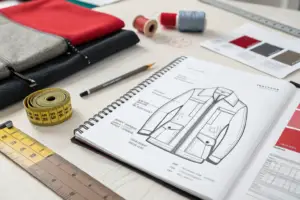
Technology has completely changed pattern development. Traditional hand-drawn methods relied heavily on craftsmanship and time. Now, advanced digital tools make the process faster, more precise, and more scalable.
CAD (Computer-Aided Design) and 3D simulation systems let manufacturers design, test, and grade patterns digitally before creating physical samples. This reduces errors, speeds up approvals, and ensures better fit across all sizes.

How Does CAD Improve Pattern Accuracy?
CAD allows pattern makers to achieve millimeter-level precision. Instead of manual sketches, patterns are built digitally, adjusted instantly, and graded across multiple sizes. Gerber Technology shows that CAD can cut development time by half compared to manual drafting.
Once perfected, digital patterns can be adapted to any size without introducing errors. They also remain as permanent records, which makes global collaboration easier. Buyers no longer need to ship paper patterns overseas—files can be shared instantly.
Why Is 3D Visualization a Game-Changer?
3D garment visualization allows brands to see virtual samples on digital models before cutting fabric. This helps avoid costly trial-and-error sampling. Lectra reports that 3D prototyping can shorten sample approval time by 70%.
For U.S. buyers, this reduces both costs and lead times. It also improves communication between brand teams and overseas suppliers. Everyone can agree on design and fit digitally before production starts, reducing misunderstandings.
How To Choose The Right Supplier For Size-Specific Patterns?
Choosing the right supplier is often the difference between success and failure. Many buyers face issues like shipment delays, inconsistent sizing, or unreliable certifications. Careful supplier evaluation prevents these risks.
The best suppliers combine strong technical knowledge, trustworthy communication, international certifications, and proven delivery records.

What Certifications Should Buyers Look For?
Certifications verify a supplier’s standards. OEKO-TEX ensures fabrics are safe for consumers. ISO 9001 confirms quality management systems. Social responsibility audits like BSCI confirm ethical production.
These certifications not only protect buyers legally but also strengthen trust with consumers. U.S. brands sourcing abroad should always demand valid certifications.
How Can Buyers Test Supplier Reliability?
Reliability can be tested by requesting pre-production samples and auditing facilities. Just-Style notes that independent third-party audits are widely used by American brands to confirm supplier claims.
Checking references is also effective. At Fumao Clothing, we share successful case studies and connect potential clients with past buyers to prove our record of timely and accurate delivery.
What Strategies Help Streamline The Sourcing Process?
Even with the right supplier, sourcing can be inefficient without clear processes. Miscommunication, unclear size specs, and last-minute changes often cause problems. Structured systems prevent these delays.
The most effective strategies include detailed tech packs, regular communication, and reliable logistics arrangements.

How Can Communication Improve Efficiency?
Clear communication reduces errors. Tech packs with size charts, stitching details, and fabric specs serve as the production blueprint. Maker’s Row emphasizes that complete tech packs are essential for accurate sourcing.
Frequent video calls and digital project tracking also improve efficiency. Tools like Trello and Asana make it easy for both buyers and suppliers to stay aligned on progress and timelines.
What Role Does Logistics Play In Timely Delivery?
Logistics is critical to ensure products arrive on time. Many buyers prefer suppliers offering DDP (Delivered Duty Paid), which simplifies customs and ensures smooth delivery.
Freightos explains that DDP avoids hidden costs and delays. At Fumao Clothing, we provide DDP shipping for U.S. buyers, ensuring on-time delivery and stress-free customs clearance.
Conclusion
Sourcing size-specific patterns efficiently requires more than accurate design. It demands strong supplier partnerships, advanced technology, and clear processes. With CAD systems, 3D prototyping, valid certifications, and streamlined logistics, buyers can achieve accurate fits and reliable deliveries.
If you are looking for a dependable partner for apparel production, contact us at Shanghai Fumao Clothing. Our Business Director, Elaine, is available at elaine@fumaoclothing.com to discuss how we can support your clothing line.