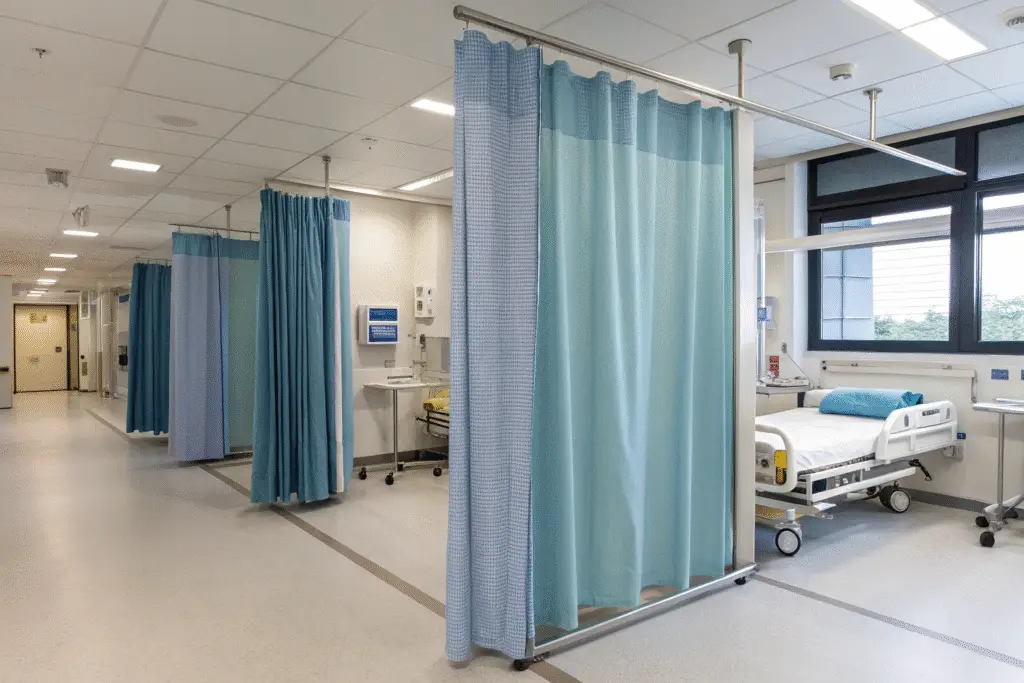
Keeping hospitals safe from infections is always a priority. Standard curtains, though widely used, can easily turn into breeding grounds for bacteria. That risk has pushed many medical centers to explore self-sterilizing hospital curtains—a smarter option that combines privacy with built-in antimicrobial defense.
When sourcing these curtains, buyers should focus on the type of antimicrobial technology used, confirm certifications, compare suppliers, and make sure products meet healthcare regulations.
From my own experience in textiles, I’ve seen more hospitals requesting fabrics that can actively fight germs and cut down on cleaning cycles. Let’s break down what to check when looking for reliable suppliers.
What technologies make hospital curtains self-sterilizing?
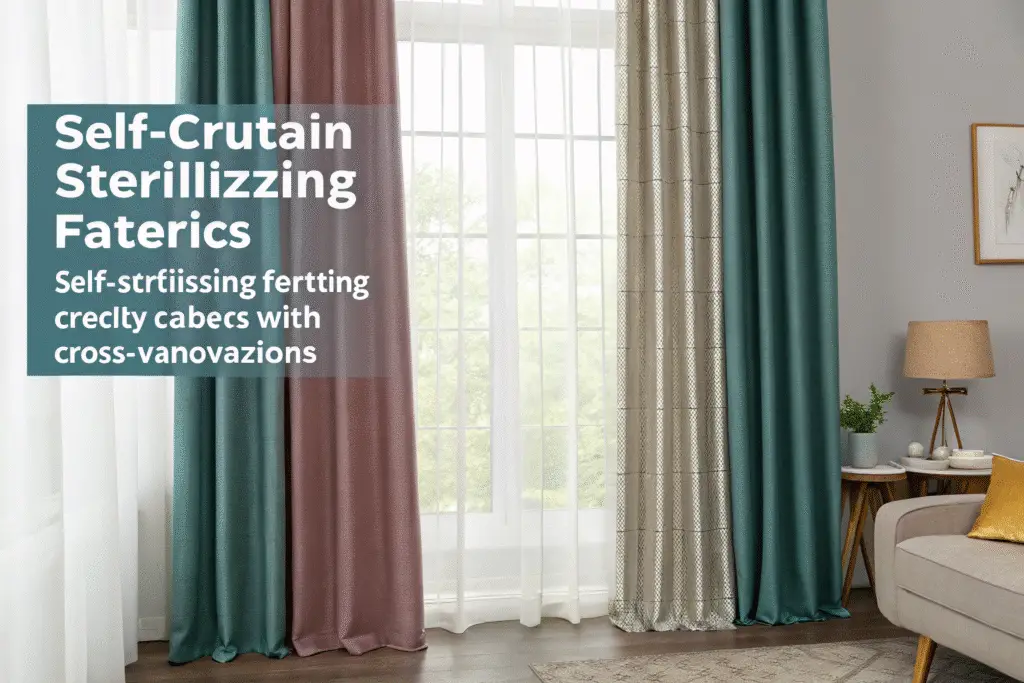
The effectiveness of these curtains depends on their material. Self-sterilizing fabrics are designed to fight bacteria directly, reducing the chance of cross-contamination.
The most common solutions involve silver-ion finishes, copper-blended fibers, and special coatings that activate under light exposure.
How do silver ions help stop bacteria?
Silver ions release charged particles that weaken and destroy bacterial cells. As Healthline explains, silver has long been valued as a natural antibacterial tool.
Why is copper often used in fabrics?
Copper fibers naturally block bacterial growth. A study by the National Institutes of Health confirms that copper-based textiles can kill harmful microbes within hours, making them ideal for hospital wards.
What certifications should buyers look for?
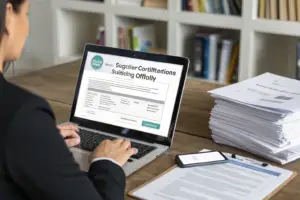
Not every “antimicrobial” label is backed by real testing. That’s why certifications are crucial when sourcing hospital curtains.
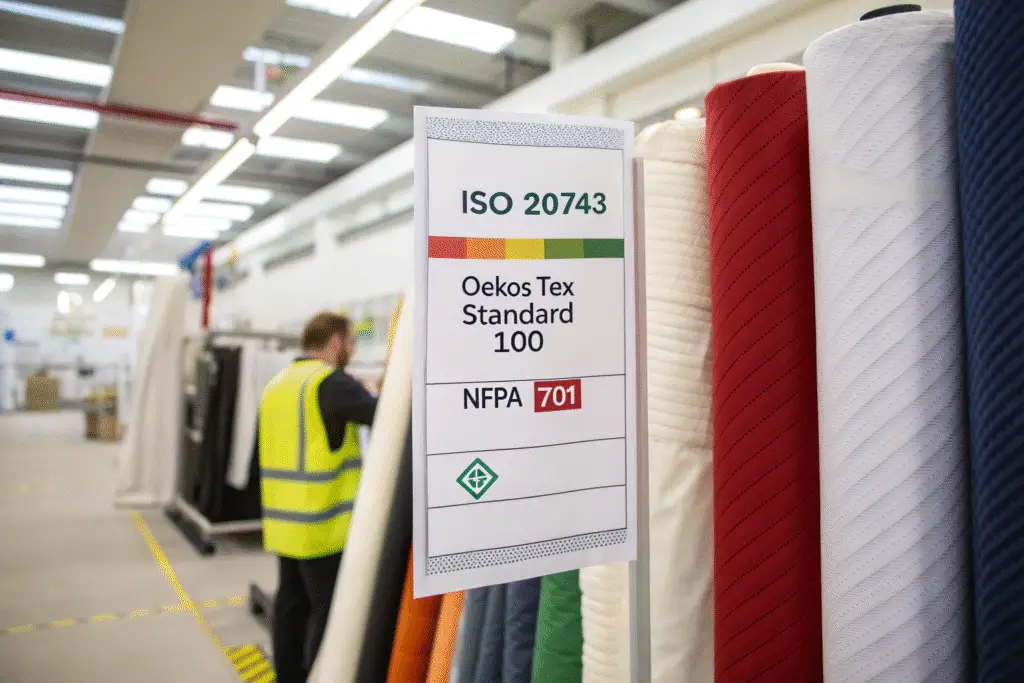
Key standards include ISO 20743 for antibacterial textiles, OEKO-TEX Standard 100 for chemical safety, and fire-resistance approvals like NFPA 701.
Which ISO standards apply to hospital textiles?
ISO 20743 is the benchmark for antibacterial performance in fabrics. The ISO official site provides details on testing bacteria reduction levels.
How do eco and safety labels build trust?
Certifications such as OEKO-TEX Standard 100 show that curtains are free from harmful substances. Fire-safety ratings like NFPA 701 are equally important since hospital interiors must meet strict fire codes.
Where can hospitals find reliable suppliers?
Sourcing the right partner goes beyond price. Hospitals need suppliers who understand both fabric technology and healthcare compliance.
The best options are often found through international trade shows, trusted B2B platforms, and direct relationships with certified manufacturers.
What role do trade fairs play in sourcing?
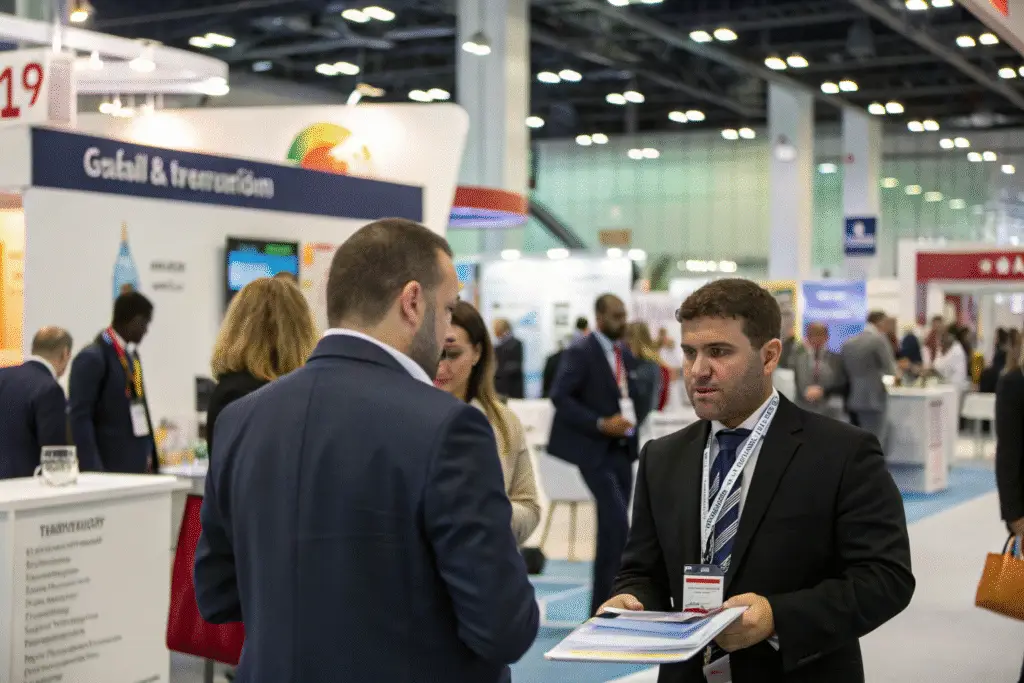
Exhibitions like MEDICA Trade Fair bring together global suppliers of healthcare textiles, giving buyers a chance to test products and ask technical questions directly.
Are B2B platforms good for hospital sourcing?
Sites like Alibaba and Global Sources list multiple hospital curtain makers. Still, it’s vital to double-check certifications and request product samples before confirming any orders.
How to evaluate cost vs. performance?
Price is always part of the discussion, but in healthcare, performance is just as critical. Cheap curtains that don’t reduce infections can cost hospitals much more in the long run.
A smart evaluation balances initial investment with long-term savings from fewer infections and reduced cleaning needs.
Do self-sterilizing curtains save money over time?
Although the upfront cost is higher, research from the CDC highlights that preventing hospital-acquired infections lowers overall treatment costs, making these curtains financially practical.
How do procurement teams measure value?
Teams usually compare curtain lifespan, frequency of washing, and infection rates. According to Beckers Hospital Review, investments in infection-prevention tools consistently result in measurable savings.
Conclusion
Self-sterilizing hospital curtains are more than a design upgrade—they are an investment in safety and efficiency. By focusing on the right technologies, certifications, supplier credibility, and cost-benefit analysis, hospitals can source products that protect patients and reduce long-term expenses.
At Shanghai Fumao, we produce advanced textiles, including antimicrobial and self-sterilizing fabrics that meet ISO and OEKO-TEX standards. If your hospital or healthcare group is looking for a dependable supplier, reach out to our Business Director Elaine at elaine@fumaoclothing.com. Together, we can provide curtains that combine safety, quality, and innovation.