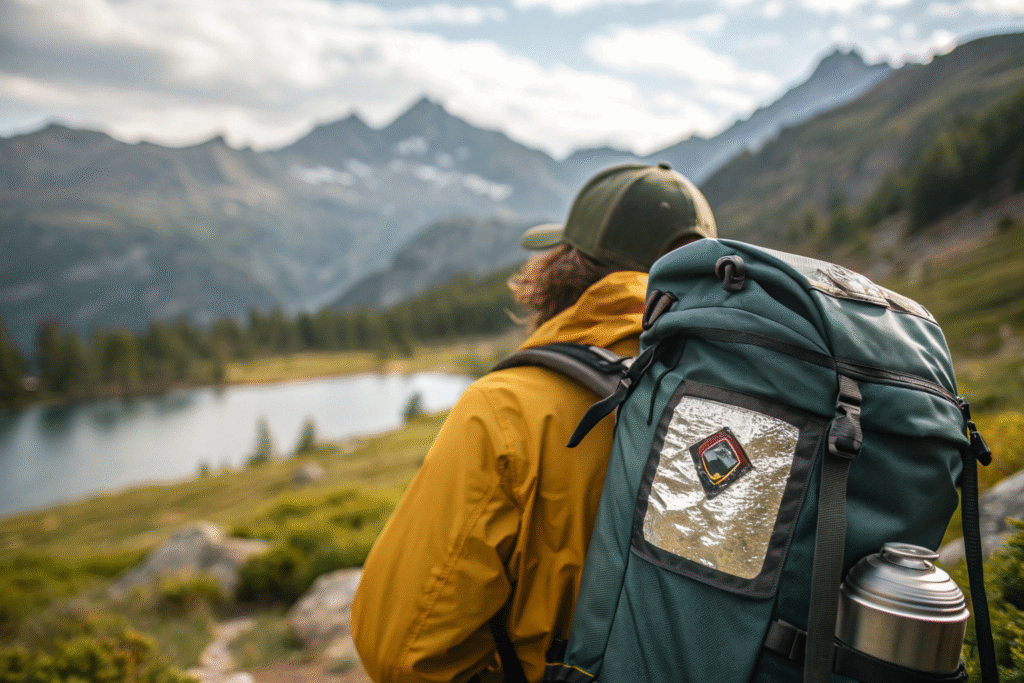
Hiking gear rips—it happens on the trail, not in the lab. To be honest, few things sting more than a torn shell right as the weather turns. Traditional patches help, yes, but they peel, crack, or add awkward weight… and then morale drops.
Actually, self-repairing hiking gear patches are practical now. Most use TPU or advanced elastomers; some include microcapsules that flow when cut. With a bit of pressure—or gentle heat—the tear closes, bonding back together. For outdoor brands and serious hikers, that means fewer returns, fewer replacements, and more trust.
So, how do you source these patches—reliably, cost-effectively, and fast? Personally I think the answer is a workflow: define the spec, qualify the factory, validate the data, and ship with a clean paper trail.
What Are Self-Repairing Hiking Gear Patches?
Self-repairing sounds futuristic, but out in the wild it means something very simple: small punctures and cuts re-seal. Thermoplastic polyurethane (TPU) films soften slightly under warmth and pressure; elastomer systems stretch and rebound; microcapsules release bonding agents at the cut line. Not magic—materials science.
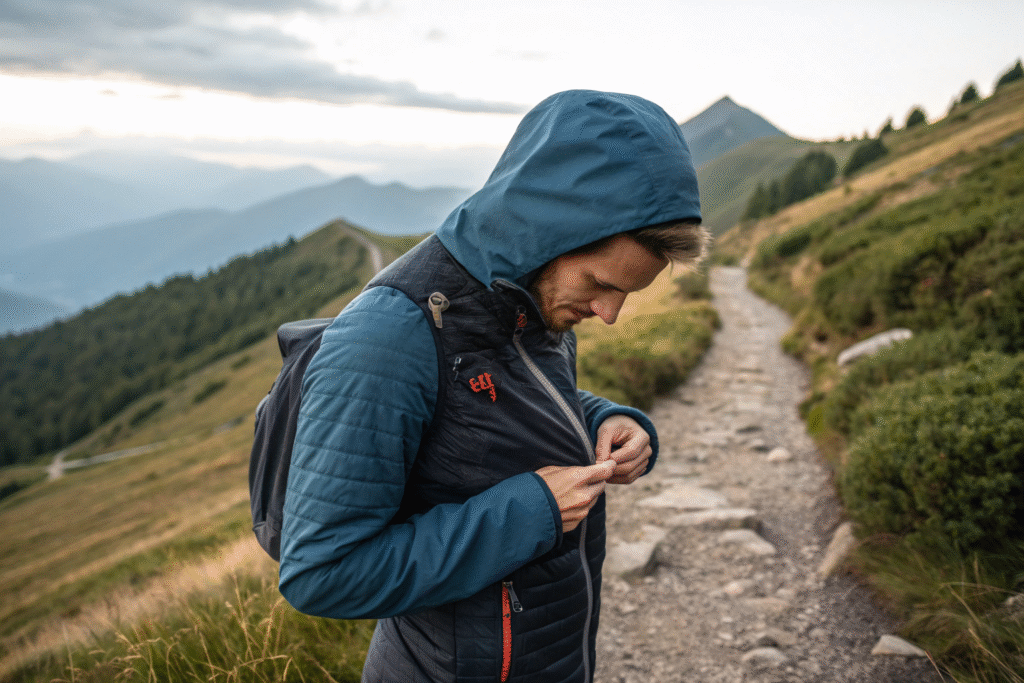
In practice, hikers press, rub, or warm the spot lightly and… the rip closes. Durability increases without bulky kits, which is exactly what the backcountry demands.
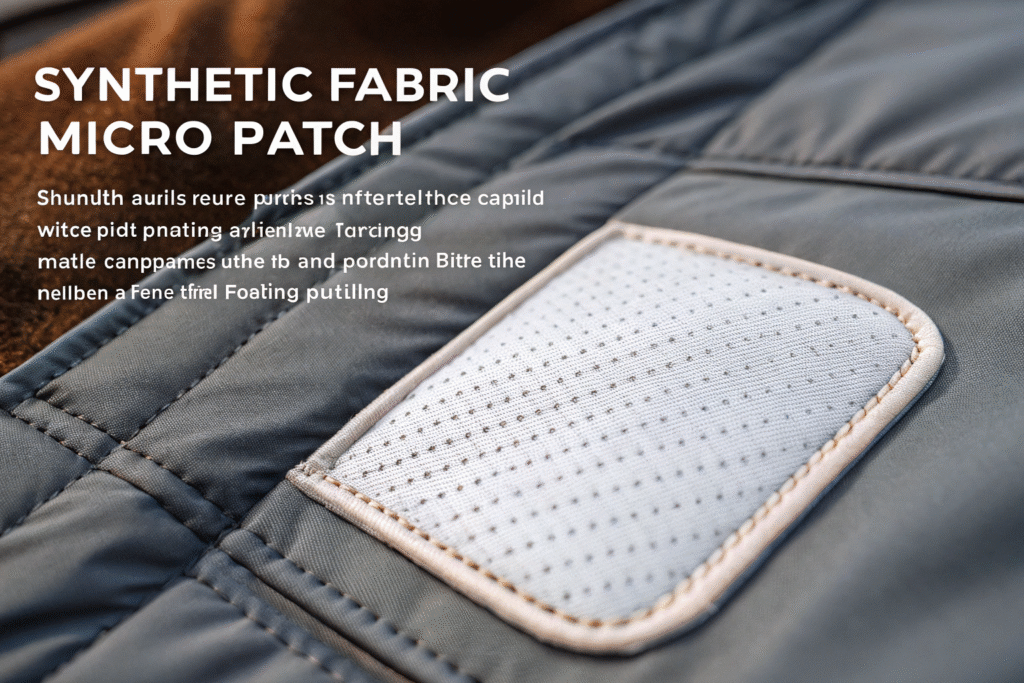
How do these materials actually self-heal on trail?
Softening under mild heat, TPU reflows to bridge micro-gaps, while elastomers distribute stress so the slit stops growing. For theory, see an accessible overview of self-healing polymers. For field-oriented comparisons of repair approaches, reviewers at OutdoorGearLab often document patch behavior after abrasion and wet cycles.
Is the tech safe for skin and laminates?
Generally yes—when you pick reputable formulations. Ask suppliers for Safety Data Sheets (SDS) aligned with OSHA SDS formats, and compatibility notes for PU-coated nylon, silnylon, and ePTFE membranes. Many outdoor brands also screen chemistry against ZDHC guidelines to keep restricted substances out—better for users and for the brand.
Where Can You Find Reliable Suppliers?
Sourcing is not a price-only game—quality-first saves money later. Personally I think too many buyers chase cents and then pay dollars in returns. Instead, start with channels that reward R&D and traceability.
The best routes: credible B2B platforms, technical trade shows, and direct contact with manufacturers that hold patents or publish real test data.

Which platforms and trade shows work best?
Search targeted categories such as self-healing TPU patches on Alibaba. For in-person vetting, outdoor and performance textile events like ISPO Munich and the U.S. Outdoor Retailer are invaluable—suppliers bring prototypes, and you can stress-test samples on the spot.
What documents and data should I request?
Ask for quality system proof (ISO 9001), material SDS, and third-party lab reports. If a vendor references patents, verify families via Google Patents and check their grant status. For adhesive systems, request peel and shear data plus hydrostatic head results—numbers you can compare across makers.
What Should You Watch Out For in Quality Control?
QC is where great marketing dies—or lives. Smooth, glossy patches that lift in cold rain help nobody. So, test early, test often, and test with your real fabrics.
Actually, you need three buckets: adhesion, waterproofing, and repeatability of repair. Only then do prototypes become dependable trail gear.
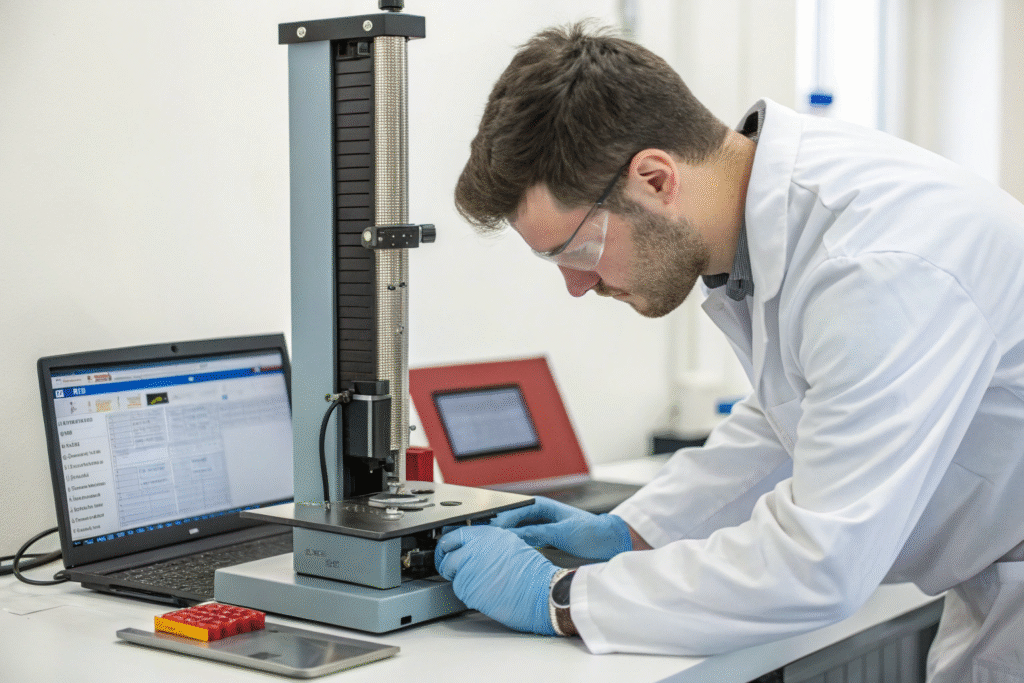
Which lab tests validate adhesion and waterproofing?
Use standard peel methods for pressure-sensitive patches (see ASTM D3330) and tensile/tear benchmarks for base fabric. For coated fabric durability and hydrostatic pressure resistance, AATCC and ASTM are common; start with AATCC 127 Hydrostatic Pressure. Coated-fabric guidance in ASTM D751 is also useful when comparing puncture and seam performance.
How do I run real-world field tests—without delay?
Pilot patches on your top three face fabrics, then abuse them: flex, freeze-thaw, salt spray, and wet abrasion. Use clear pass/fail criteria and log photos. For comparative outdoor testing practices, magazines like Backpacker share methods you can adapt. Only when lab and field align do we green-light production—rarely before, and never after disappointment hits retail.
How Do Self-Repairing Patches Support Sustainability & Compliance?
Gear often gets tossed for tiny rips—wasteful, costly, and frankly avoidable. Self-repairing patches extend life, and extended life reduces landfill. Simple equation; big impact.
Sustainability stories resonate when they are measurable: fewer returns, longer product lifecycles, and chemistry aligned with credible frameworks. And—important—supply chain paperwork must be clean.
What eco claims are credible—not greenwashing?
Tie claims to the circular economy basics from the Ellen MacArthur Foundation. If your patches use recycled inputs or low-VOC adhesives, document it. For chemical compliance in the EU, anchor to REACH and, for global brands, align with ZDHC MRSL—consistency builds trust.
How should I ship and label—DDP, hazmat, and beyond?
Adhesives can trigger special shipping notes, so confirm UN numbers and packaging instructions per IATA DGR. For simpler buyer experience, many U.S. brands prefer DDP; Incoterms are summarized by the ICC. Personally I think paperwork done right—early—saves weeks and saves face.
Conclusion
Self-repairing hiking gear patches are no longer a lab curiosity—they’re trail-ready. Define the spec, source from factories with real data, verify with both standards and field abuse, then ship with clean compliance. Actually, that little loop saves money twice: fewer returns now, stronger brand later.
At Shanghai Fumao Clothing, we integrate these patches into jackets, tents, packs, and rain gear. Personally I think a quick pilot—50 to 100 units—tells the truth faster than any brochure. If you want us to source, sample, and DDP-deliver to your U.S. DC, email our Business Director Elaine at elaine@fumaoclothing.com or visit shanghaigarment.com. We will handle materials, QC, and paperwork—so your hikers can handle the miles.