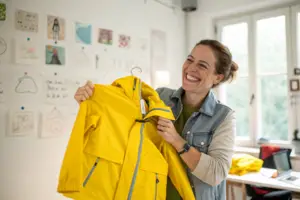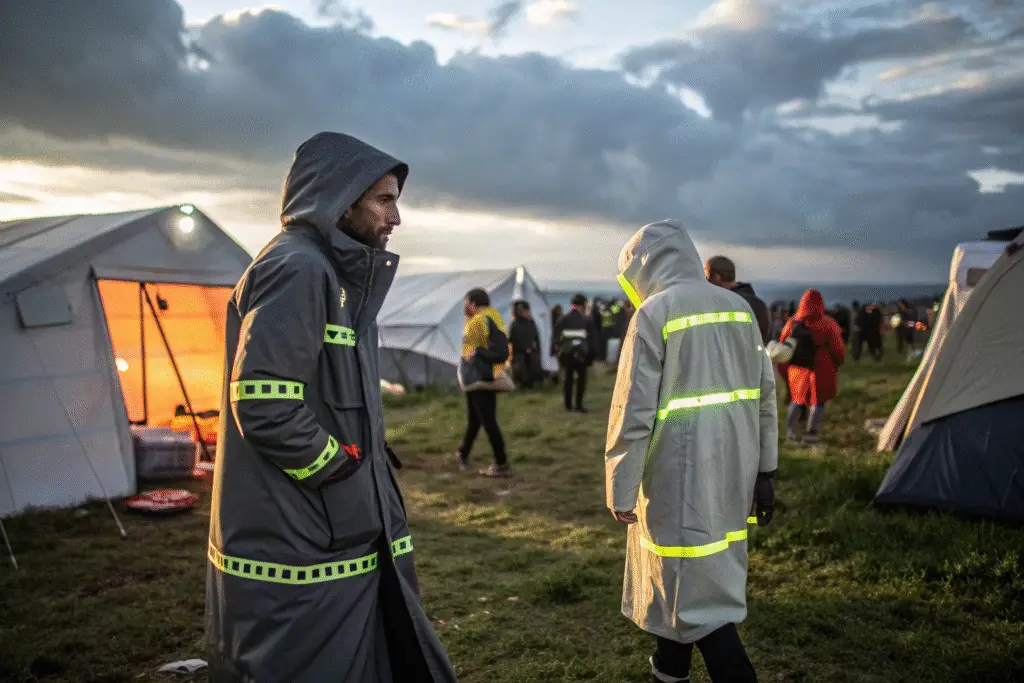
When disaster hits, seconds matter. To be honest, a jacket that transforms into a shelter sounds almost too good to be true. Actually, earlier this year at the Geneva Humanitarian Innovation Fair 2024, I saw prototypes doing exactly that—folding out into small tents within minutes. You might be wondering—is this practical to source, or just a fancy prototype? Personally I think what needs to be emphasized here is that these jackets are more than a gimmick—they’re emerging as scalable solutions for humanitarian aid and outdoor survival.
Self-deploying emergency shelter jackets combine apparel and survival gear, giving wearers instant weather protection and mobility. Let’s take a moment to think this through together: sourcing them means understanding design, suppliers, material testing, and logistics challenges.
Understanding Design & Functionality
You might be asking—how does a garment become a shelter? The answer lies in modular design.
Actually, engineers use fold-out panels, inflatable ribs, and weatherproof fabrics to turn a wearable into a deployable structure.
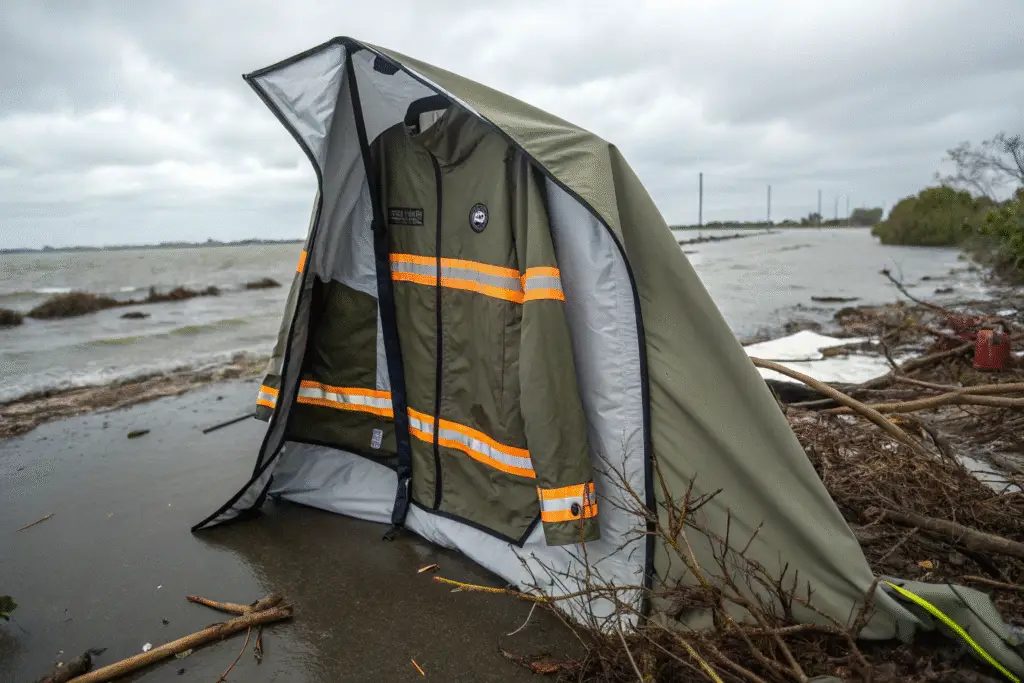
Common design features
- Fold-out tarps integrated into the jacket lining.
- Carbon-fiber rods or inflatable tubing for structure.
- Waterproof membranes such as Gore-Tex.
- Reflective strips for safety in low light.
What needs to be emphasized here is weight balance—jackets must stay comfortable while carrying shelter capacity.
Where To Find Potential Suppliers
To be honest, you won’t find these in a standard apparel catalog. You might be wondering—so who makes them?
Actually, sourcing requires hybrid suppliers experienced in both outdoor gear and humanitarian relief equipment.
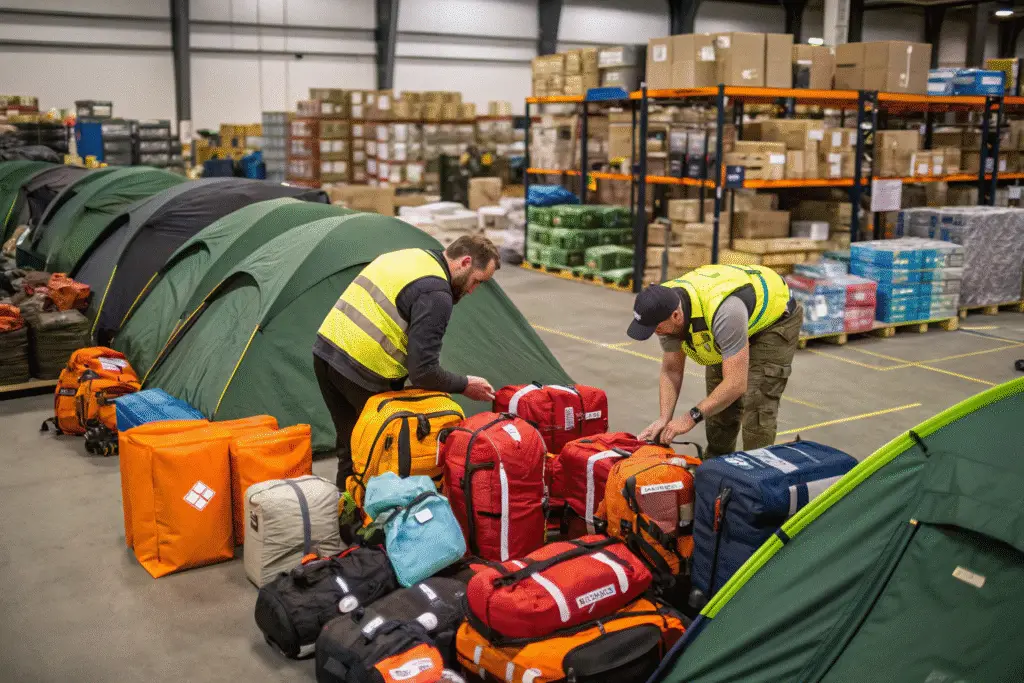
Possible sourcing channels
- Outdoor garment OEMs producing for brands like Patagonia or The North Face.
- Disaster relief manufacturers listed in UNHCR supply resources.
- Innovation expos such as Techtextil or ISPO Munich.
Let’s take a moment to think this through together: the smartest path may be collaboration between a jacket factory and a tent supplier.
Material & Testing Considerations
You might be asking—how do we know these jackets won’t fail in the field?
Actually, rigorous fabric and durability tests are non-negotiable.
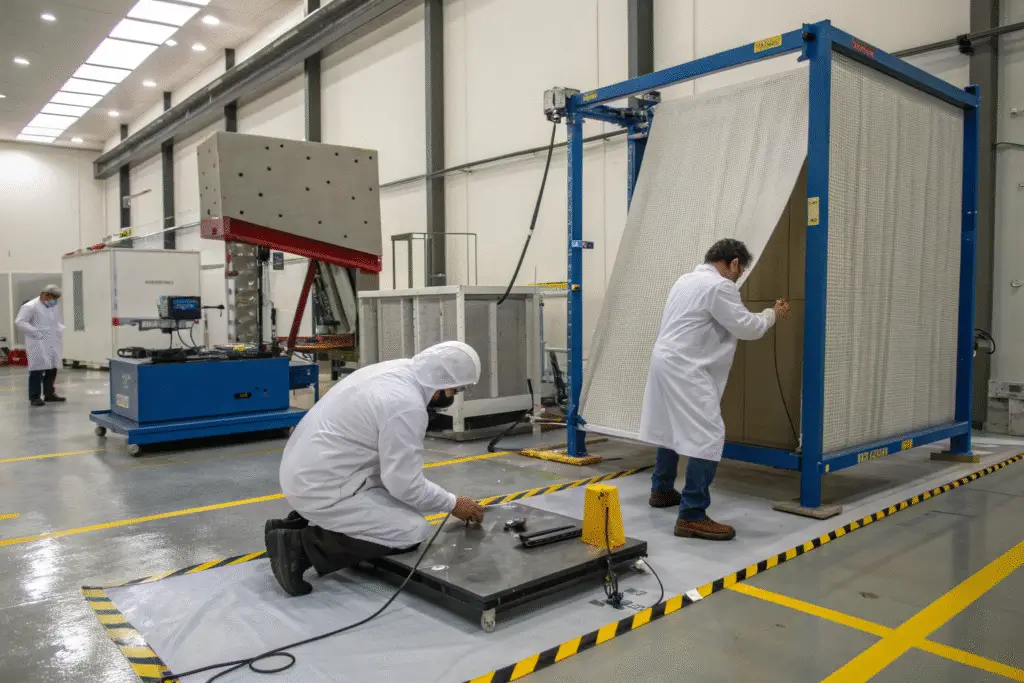
Critical tests
- Hydrostatic head waterproof test (ISO 811).
- Tear and tensile strength validation (ASTM D5034).
- UV and flammability testing for safety.
- Thermal insulation ratings for cold-weather deployment.
What needs to be emphasized here is proof: sourcing must be backed with lab reports, not just marketing claims. Let’s take a moment to think this through together—paperwork can save lives when weather turns hostile.
Cost & Logistics Challenges
You might be wondering—aren’t these too expensive to scale? To be honest, yes, early models are costly.
Actually, costs drop once mass production and relief contracts enter the picture.

Key considerations
- Higher MOQs than normal apparel lines.
- Lead times extended due to complex testing.
- Freight handling may be eased by humanitarian fast-track programs.
What needs to be emphasized here is perspective: one jacket that doubles as a shelter saves logistics space and reduces costs for large-scale aid shipments. Let’s take a moment to think this through together: efficiency sometimes outweighs upfront expense.
Conclusion
Self-deploying emergency shelter jackets sit at the crossroads of apparel design and survival engineering. To be honest, sourcing them isn’t simple—it demands specialized suppliers, certified fabrics, and rigorous testing. Actually, while editing this article, I realized how many patents in 2023–2024 already focus on shelter-wear hybrids. You might be wondering—should we act now or wait until costs fall? Personally I think what needs to be emphasized here is timing: early adopters can shape the standards.
At Shanghai Fumao Clothing, we track innovations in protective and multifunctional apparel. Let’s take a moment to think this through together: if your organization is exploring shelter jackets for relief or adventure markets, reach out to our Business Director Elaine at elaine@fumaoclothing.com or visit shanghaigarment.com.