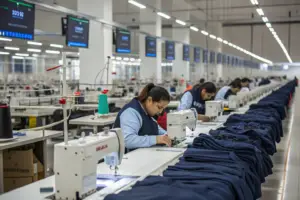
When it comes to the apparel business, every season matters. One late shipment, one wrong inventory count—it can mess up the whole selling cycle. To be honest, many U.S. brands already know that traditional barcodes are not enough. That’s why more and more are moving toward RFID-enabled tags. But sourcing these tags from suppliers in China, Vietnam, or India isn’t as simple as typing “RFID tags wholesale” into Google. You need a clear process, trust in your supplier, and a system that avoids costly mistakes.
The truth is, the best way to source RFID-enabled inventory management tags is to start with certified suppliers, insist on quality testing with real samples, and make sure the tags work with your ERP or logistics system before you commit to bulk orders. This strategy saves money, cuts errors, and avoids painful delays.
Actually, the market is crowded with vendors making big promises. Some deliver, others don’t. And once a shipment is delayed or non-compliant—it’s too late. Let’s break down what makes sourcing RFID tags smooth, reliable, and profitable for apparel brands.
What Are RFID Inventory Tags?
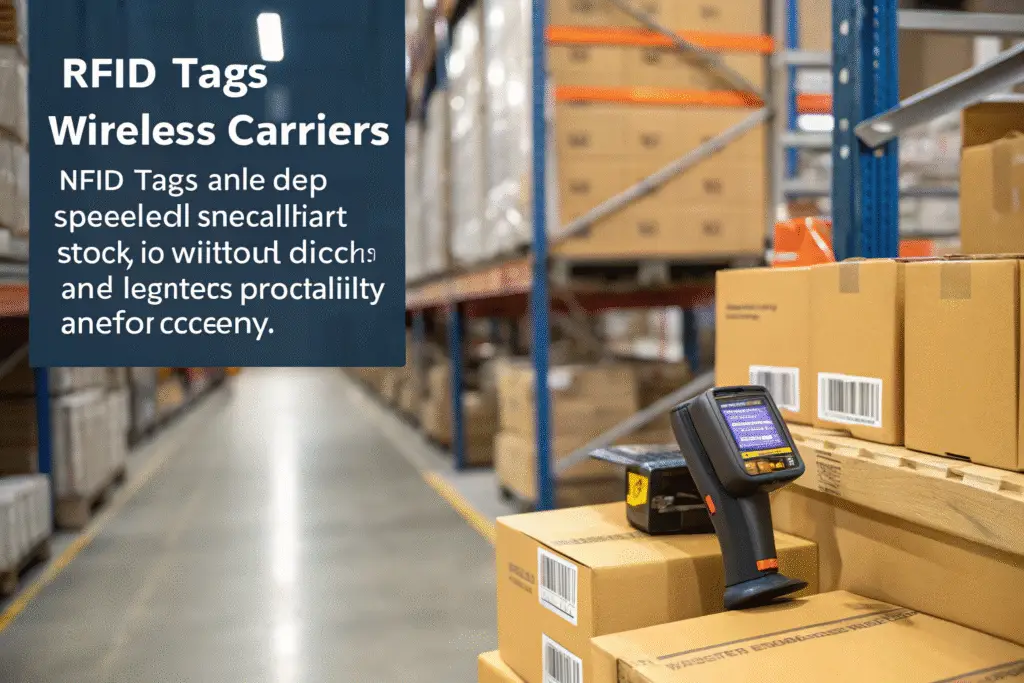
RFID tags are small devices that carry data and transmit it wirelessly. In apparel, they are sewn into labels, attached to hang tags, or even built into packaging. Unlike barcodes, they don’t need a scanner pointed right at them. That’s a game-changer.
In simple words, RFID tags are wireless data carriers that help brands track stock without line-of-sight scanning—speeding up operations and improving accuracy.
Why Do Apparel Brands Use RFID Tags?
Rarely do brands ignore efficiency once they’ve tasted RFID. It solves the problem of mismatched stock levels and lost items. With RFID, entire cartons can be scanned in seconds. That’s why big retailers like Walmart already require RFID compliance from suppliers. Industry groups like GS1 also set the standards, so international integration works smoothly.
How Do RFID Tags Improve Efficiency?
The magic is in the speed. A warehouse team can walk past a pallet and instantly read hundreds of tags. This slashes labor costs and reduces human error. Systems like Oracle NetSuite connect RFID data directly into stock records. Personally I think, for brands sourcing from Asia—where shipping already takes weeks—this efficiency is a lifesaver.
How To Choose The Right RFID Supplier?
Choosing the right supplier isn’t only about price. It’s about trust, transparency, and compatibility. A cheap RFID tag that fails in U.S. stores is worthless.
The right supplier offers certified RFID tags, provides transparent documentation, and supports custom solutions tailored for apparel logistics.

What Certifications Should You Check?
To be clear, certification is non-negotiable. Look for ISO/IEC 18000 or GS1 compliance. Without these, tags may not scan in major U.S. retail systems. And don’t stop there—ask for ISO 9001 for quality management. Suppliers may claim compliance, but unless you see the paperwork, assume nothing.
How Do You Verify Quality Before Bulk Orders?
Never skip sampling. Request 100–200 tags and test them. Check scanning range, durability, and encoding. If you want a second opinion, inspection services like SGS can confirm compliance. To be honest, skipping this step is one of the most common mistakes buyers make. And it hurts most during the peak season.
What Is The Cost Structure Of RFID Tags?
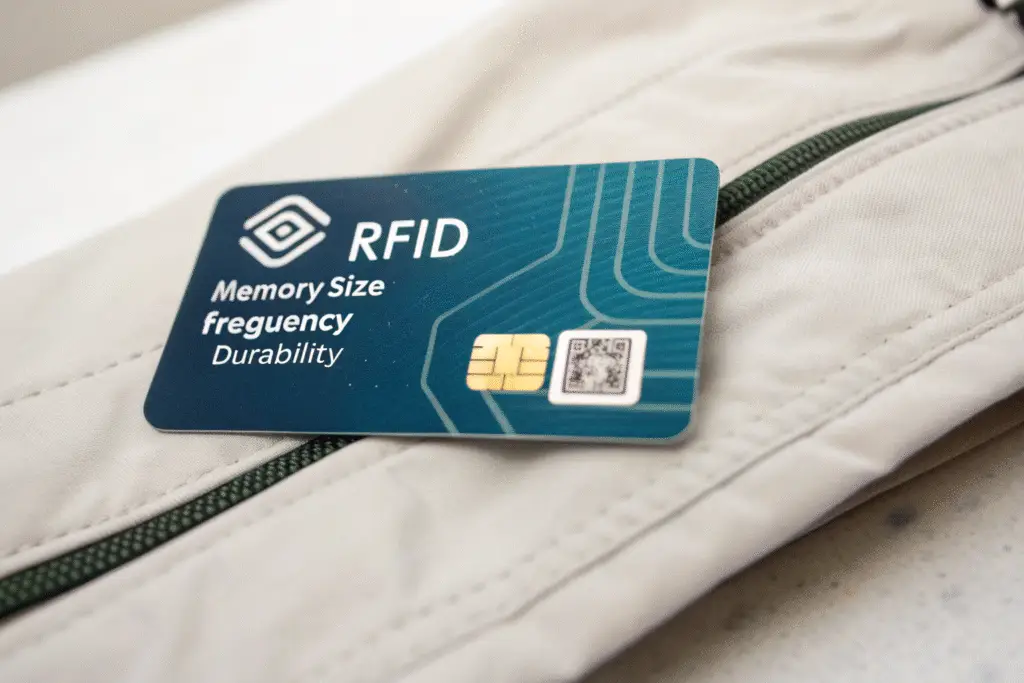
RFID costs can look confusing. Some tags cost a few cents, others half a dollar. Why? Because features vary—memory size, frequency, durability—all add up.
Most RFID tags range between $0.08 and $0.50, depending on type, customization, and order volume.
Why Do Prices Vary By Tag Type?
There are LF, HF, and UHF tags. For apparel, UHF dominates because it supports bulk scanning. Cheaper HF tags may save money upfront but fail in large-scale operations. If you want an overview of current pricing trends, RFID Journal often publishes detailed reports. At the end of the day, the lowest unit cost isn’t always the lowest total cost.
How Can You Optimize RFID Costs?
To be honest, bulk is your friend. Larger orders bring the per-unit cost down. Long-term supplier contracts help too. Also, consider sourcing from suppliers who handle printing and encoding together—that avoids extra steps. Logistics partners like DHL Supply Chain integrate RFID support, which helps maximize efficiency and ROI.
How To Ensure On-Time Delivery From Suppliers?
Missed delivery windows equal lost sales. Especially in fashion, where seasons change quickly, timing is everything.
The smartest way to ensure on-time delivery is to agree on firm timelines, use digital collaboration tools, and secure contracts with clear penalties.

What Communication Tools Improve Efficiency?
Most delays come from poor communication. Platforms like Trello and Slack make updates transparent. Instead of waiting for emails, you see progress in real time. Personally I think, adding weekly video check-ins avoids half the misunderstandings that usually slow things down.
How Do You Protect Against Delays?
Contracts matter. Add clauses that tie payments to delivery milestones. Request DDP (Delivered Duty Paid) terms so the supplier bears responsibility for shipping. Shipping companies like Maersk also provide digital dashboards to track containers. With these steps, delays are harder to hide—and much easier to prevent.
Conclusion
RFID tags aren’t just about technology; they’re about trust and timing. By understanding how tags work, choosing certified suppliers, managing costs, and demanding timely delivery—you protect your brand’s supply chain. To be honest, it takes discipline. But the payoff is huge: smoother operations, fewer errors, and more profits.
At Shanghai Fumao Clothing, we already integrate RFID solutions into apparel manufacturing for international clients. If you’re looking for a partner who can deliver both quality garments and advanced inventory solutions, reach out to our Business Director Elaine at elaine@fumaoclothing.com.