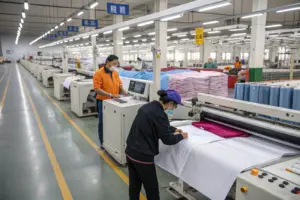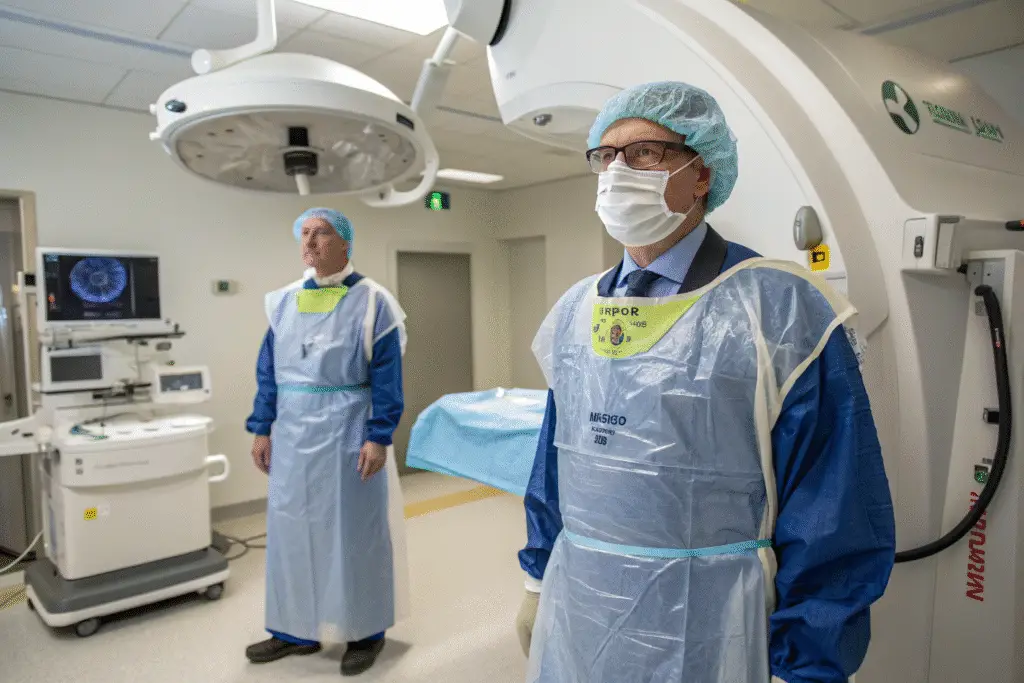
Radiation-shielding apparel is a vital part of healthcare, protecting doctors, nurses, and technicians who work with X-rays, CT scans, and other imaging procedures. With growing demand and stricter safety standards, hospitals and distributors are under pressure to source garments that are both protective and practical. The challenge is finding reliable suppliers that meet international certifications while delivering comfort and cost efficiency.
Radiation-shielding apparel can be sourced successfully by understanding protective materials, choosing experienced manufacturers, ensuring compliance with safety standards, and planning logistics carefully.
In the sections below, I will explain how these garments are made, what to look for in suppliers, which certifications are required, and how buyers can manage cost and delivery without compromising safety.
Understanding Radiation-Shielding Fabrics
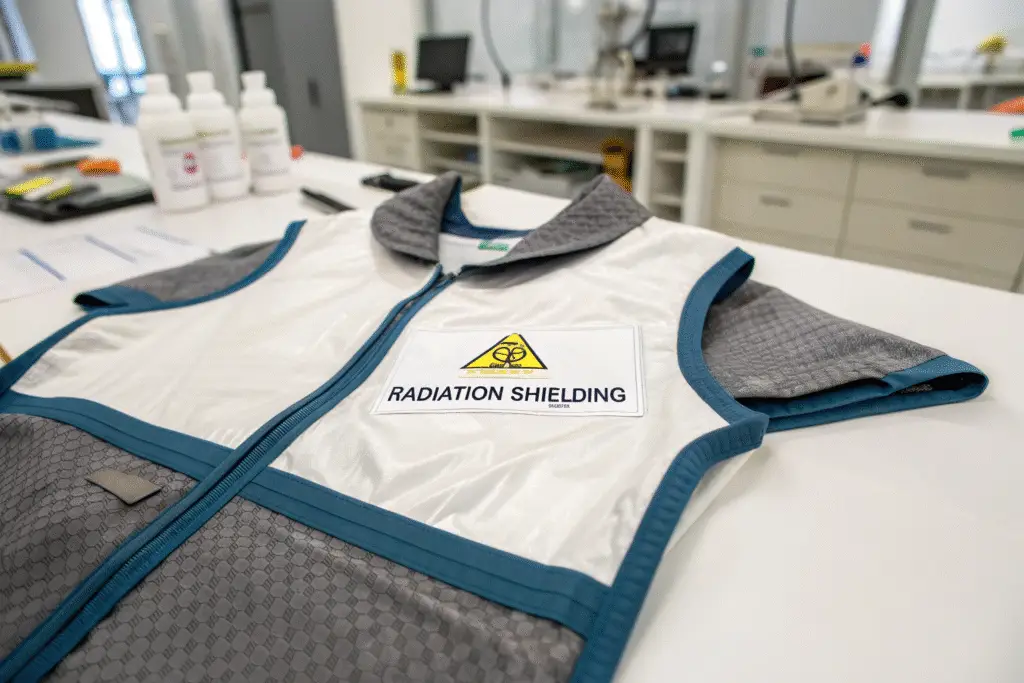
Radiation-shielding apparel is typically made from lead sheets or modern lead-free composites. These fabrics block or reduce ionizing radiation while remaining flexible enough for daily use.
The choice of fabric directly affects both the level of protection and the comfort of healthcare workers.
Recent advances in textile engineering have made it possible to design garments that are lighter, safer, and more comfortable without sacrificing shielding effectiveness.

What Materials Are Commonly Used?
Traditional designs use lead for maximum shielding, but newer garments often feature lead-free composites made from bismuth, tungsten, or antimony. According to NCBI, these alternatives provide effective protection with reduced weight and improved wearability.
Are Lead-Free Fabrics Better Options?
Yes. Lead-free composites not only reduce the strain of wearing heavy garments but also eliminate toxic disposal issues. Certifications from OEKO-TEX confirm that such fabrics are safe for healthcare use and meet environmental requirements.
Choosing The Right Manufacturer
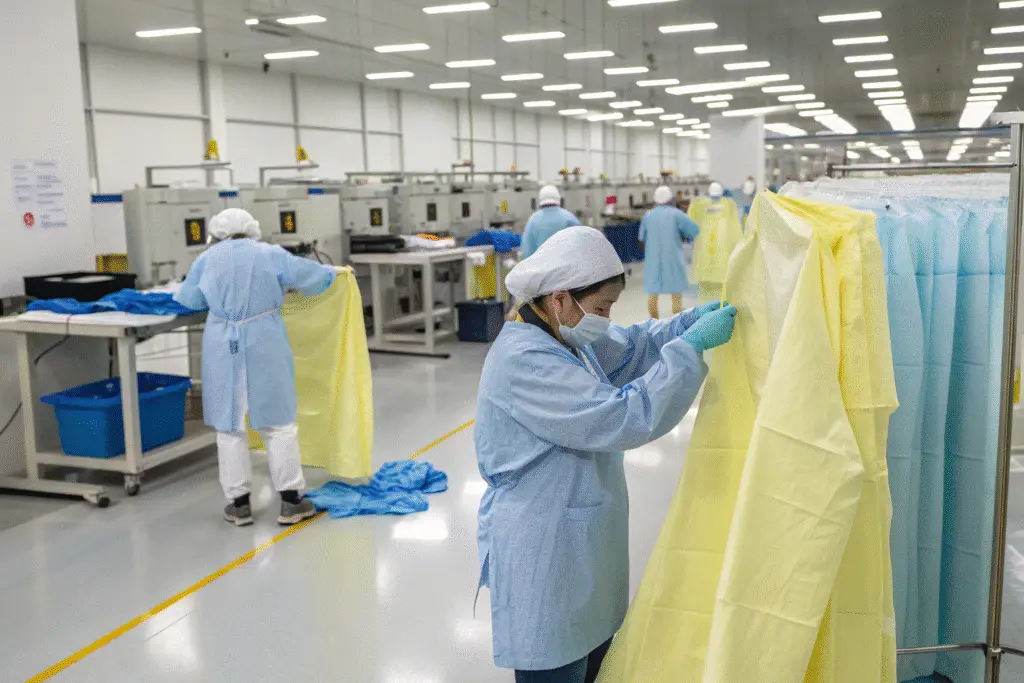
Sourcing protective medical apparel requires specialized manufacturers who understand both textile engineering and medical compliance.
Partnering with experienced suppliers ensures consistent product quality, reliable delivery, and adherence to global safety standards.
Strong supplier relationships are critical, as they reduce risks and simplify the procurement process for hospitals and distributors.
What Qualities Should You Expect In A Manufacturer?
Suppliers should hold ISO 13485 certification for medical devices and, when applicable, CE marking for European markets. According to FDA, compliance with medical regulations is mandatory before protective garments can be distributed.
How Can Buyers Verify Supplier Reliability?
Requesting product samples, reviewing test reports, and speaking with existing clients are essential steps. While platforms like Alibaba and Global Sources help identify suppliers, independent audits and third-party inspections provide stronger assurance.
Safety Standards And Certifications
Radiation-shielding apparel must meet strict testing protocols to guarantee wearer safety. Buyers should always insist on certified products supported by documented test results.
Verified compliance ensures healthcare workers are properly protected and reduces liability for hospitals and distributors.
Suppliers that can present traceable certifications and compliance reports demonstrate higher reliability and credibility.
What Certifications Are Most Important?
Key certifications include CE marking (Europe), FDA approval (United States), and IEC 61331 testing standards. According to WHO, radiation safety standards are mandatory for hospitals worldwide, and compliance cannot be overlooked.
Why Do Certifications Matter In Sourcing?
Certified apparel guarantees performance levels and regulatory approval, minimizing risks of rejection during procurement and ensuring compliance across global markets.
Managing Costs And Logistics
Radiation-shielding garments are more expensive than regular apparel because of their specialized materials and testing requirements. This makes cost and logistics management an important part of sourcing.
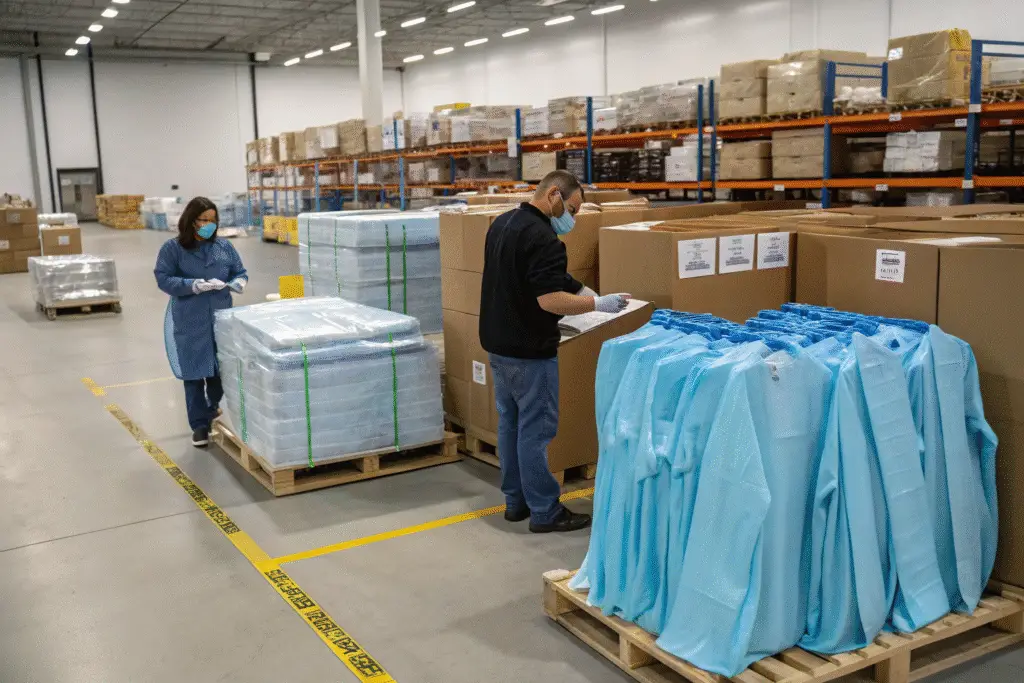
By negotiating bulk contracts and using efficient shipping solutions, buyers can reduce expenses while ensuring timely supply.
Hospitals often prefer suppliers that provide DDP (Delivered Duty Paid) shipping to simplify customs clearance and reduce delays.
How Can Buyers Keep Costs Under Control?
Long-term agreements, volume purchasing, and sourcing from competitive regions such as China and India are common strategies. Reports from Forbes Business confirm that strategic supplier partnerships can significantly reduce procurement costs.
What Logistics Options Work Best?
Trusted logistics partners like DHL and FedEx have experience handling medical-grade apparel. Ensuring proper customs documentation for regulated products is critical to avoid shipment delays.
Conclusion
Radiation-shielding medical apparel is essential for the safety of healthcare professionals working in radiology and diagnostic imaging. Sourcing requires a clear understanding of fabric technology, careful selection of manufacturers, strict verification of certifications, and cost-effective logistics planning. By addressing each of these factors, buyers can secure protective garments that meet international standards while ensuring long-term reliability.
If you are seeking a trusted supplier for medical protective wear, our company Shanghai Fumao Clothing can help. We specialize in advanced textiles and certified protective apparel. To explore collaboration opportunities, please contact our Business Director Elaine at strong>elaine@fumaoclothing.com</strong.