As an apparel brand owner targeting the U.S. market, selecting the right fabric determines your summer collection's success. The quest for high-quality, breathable materials requires careful consideration, particularly when meeting American consumers' expectations. With summer fashion emphasizing comfort and sustainability, securing reliable premium linen sources becomes essential for your business strategy.
Effective linen sourcing requires identifying reputable suppliers offering high-quality, breathable fabrics, verifying material authenticity through proper certifications, and establishing dependable supply chains with clear communication protocols and reliable logistics to meet seasonal deadlines. Success hinges on partnering with manufacturers providing comprehensive solutions that manage material procurement through final delivery, enabling you to concentrate on design and marketing initiatives.
International sourcing presents numerous challenges that can impact your business outcomes. Common issues include shipment delays and quality inconsistencies that affect brand reputation. This systematic approach breaks down the process into actionable steps, helping you secure optimal linen materials while minimizing operational risks.
What Defines Premium Linen Fabric Quality?
Understanding linen quality distinctions ensures you establish clear specifications with suppliers and avoid receiving substandard materials that compromise your brand integrity and customer satisfaction.
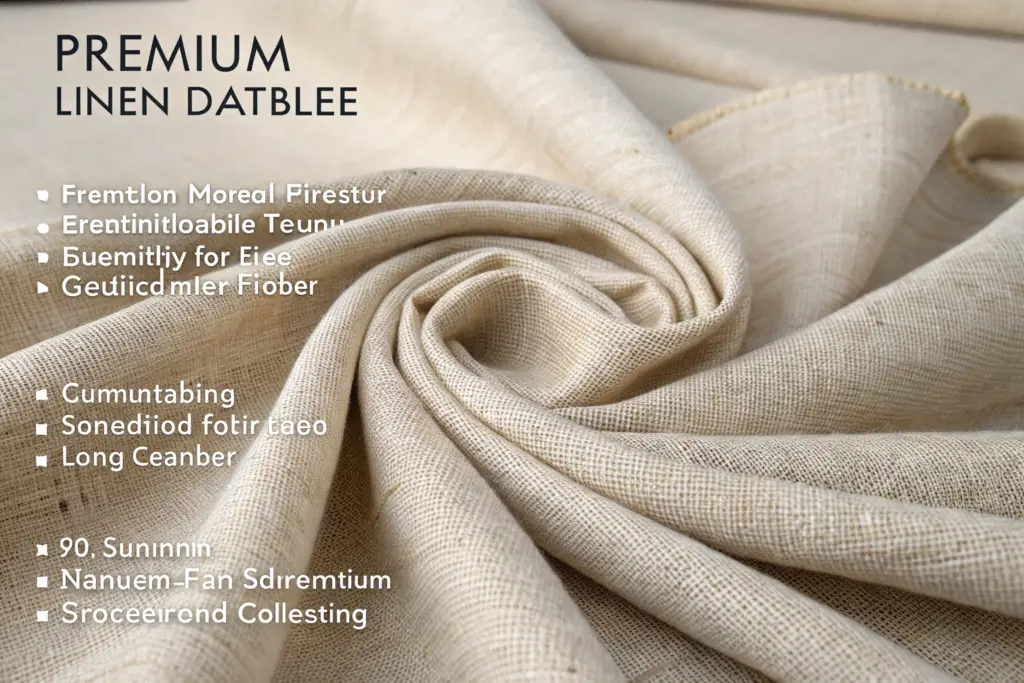
Premium linen fabric demonstrates exceptional breathability, durability, and distinctive natural texture. Superior quality originates from long-staple flax fibers meticulously woven to create robust yet comfortable textiles. Key quality indicators include consistent weave density, smooth hand-feel with minimal natural slubbing, and appropriate weight that provides substance without heaviness. These characteristics guarantee final garments offer comfort, longevity, and the desirable drape consumers expect in summer collections.
How Do You Evaluate Linen Quality Standards?
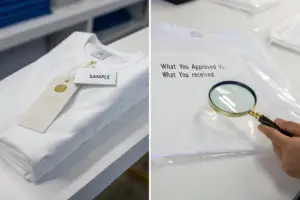
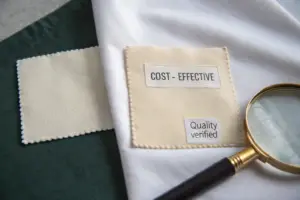
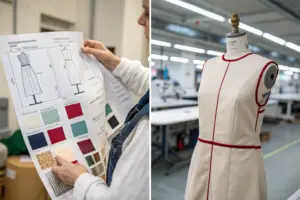
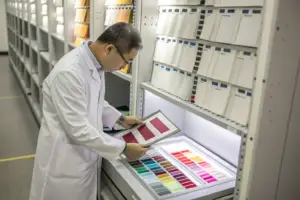
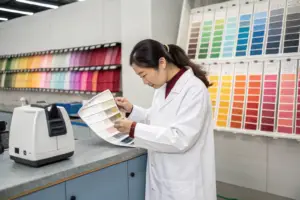
Quality assessment involves multiple verification methods. First, examine weave consistency by holding fabric against light sources to identify uneven thickness. Second, assess tactile properties—premium linen should feel characteristically crisp yet progressively softens with use. Third, inspect natural slubs; while inherent to linen, excessive or rough slubs indicate inferior processing. Conduct a crush test by compressing fabric in your hand; high-quality linen creases naturally while recovering smoothly, demonstrating excellent fiber integrity. Our manufacturing facility implements proprietary fabric inspection protocols ensuring each batch meets specifications before production commencement. We provide clients with material swatches and comprehensive quality control documentation for complete supply chain transparency.
Why Does Geographical Origin Impact Linen Performance?
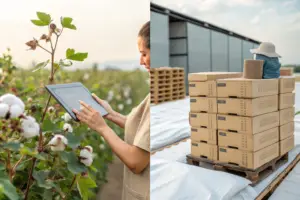
Fiber provenance significantly influences textile strength, luster, and durability. European flax, particularly from France's Normandy and Belgium regions, represents the industry benchmark due to optimal growing conditions and generational expertise. These conditions yield longer, stronger fibers that produce superior yarns with enhanced durability and refined appearance. Through our established relationships with certified mills, we source optimal linen fabric while maintaining complete traceability. We prioritize verifiable sustainable sourcing practices, ensuring materials meet both quality expectations and responsible production standards that align with contemporary consumer values.
How To Identify Reliable Linen Apparel Manufacturers?
Selecting manufacturing partners requires moving beyond basic capability assessments to evaluating comprehensive operational competencies. The objective involves identifying facilities that comprehend your quality parameters while maintaining consistent delivery schedules, effectively functioning as brand extensions that protect your market positioning.
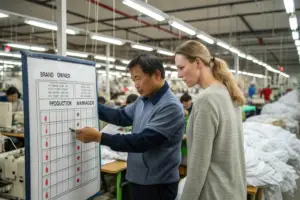
Identifying reliable linen apparel manufacturers involves systematic evaluation of specialized experience, certification compliance, and communication infrastructure. Prioritize manufacturers with documented expertise producing linen collections for U.S. markets, transparent quality management systems, and verifiable supply chain partnerships. Optimal partners provide integrated services managing fabric procurement through export documentation, simplifying your operational workflow while mitigating risks associated with multi-vendor coordination.
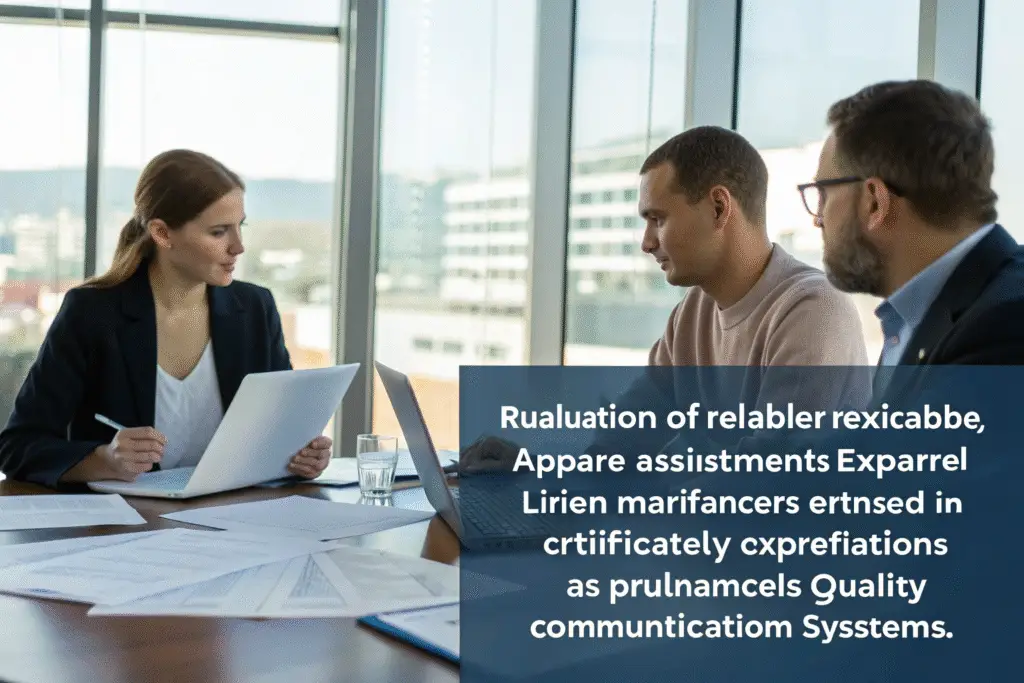
What Due Diligence Questions Ensure Manufacturer Compatibility?
Strategic questioning differentiates capable partners from basic suppliers. Begin by verifying linen-specific manufacturing experience before addressing operational specifics: What are realistic minimum order quantities? Can they provide U.S. brand references? How do they implement production-phase quality control? Crucially, examine communication structures: Who serves as dedicated account management? What are standard reporting frequencies? Our client management system assigns dedicated project coordinators ensuring seamless communication, directly addressing the operational inefficiencies that impact procurement effectiveness.
What Advantages Do Full-Package Manufacturers Provide?
Integrated manufacturing solutions streamline operational complexity significantly. Rather than coordinating separate fabric sourcing, production arrangements, and logistics management, full-package providers deliver comprehensive service ecosystems. This approach proves particularly valuable for linen collections where manufacturers can maintain quality consistency from raw fabric sourcing through final construction. Consolidated operations typically yield enhanced competitive pricing through economies of scale while eliminating coordination gaps that cause scheduling disruptions. This operational model enables brand owners to focus on design development and sales initiatives while ensuring production and delivery management remains with specialized partners.
How To Implement Effective Linen Quality Control Protocols?
Quality assurance represents non-negotiable operational requirements, where single-batch material defects can compromise entire production schedules and damage customer relationships. Implementing rigorous quality verification processes from initial engagement protects your investment while ensuring delivered products match approved specifications precisely.
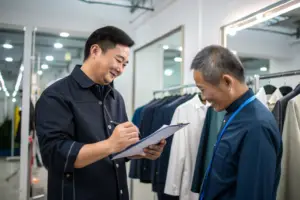
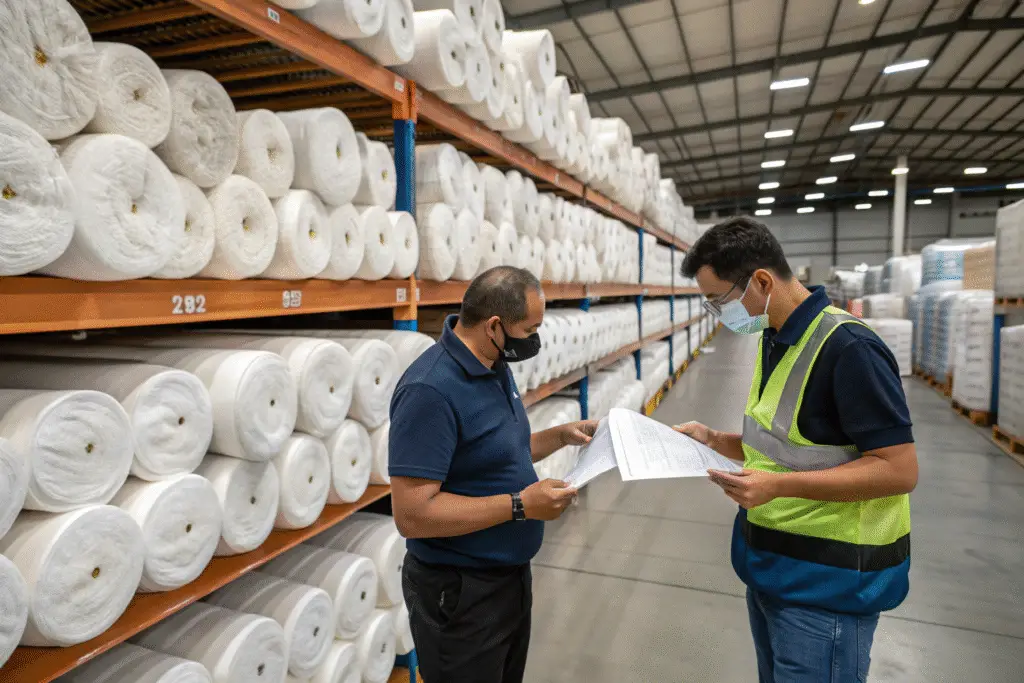
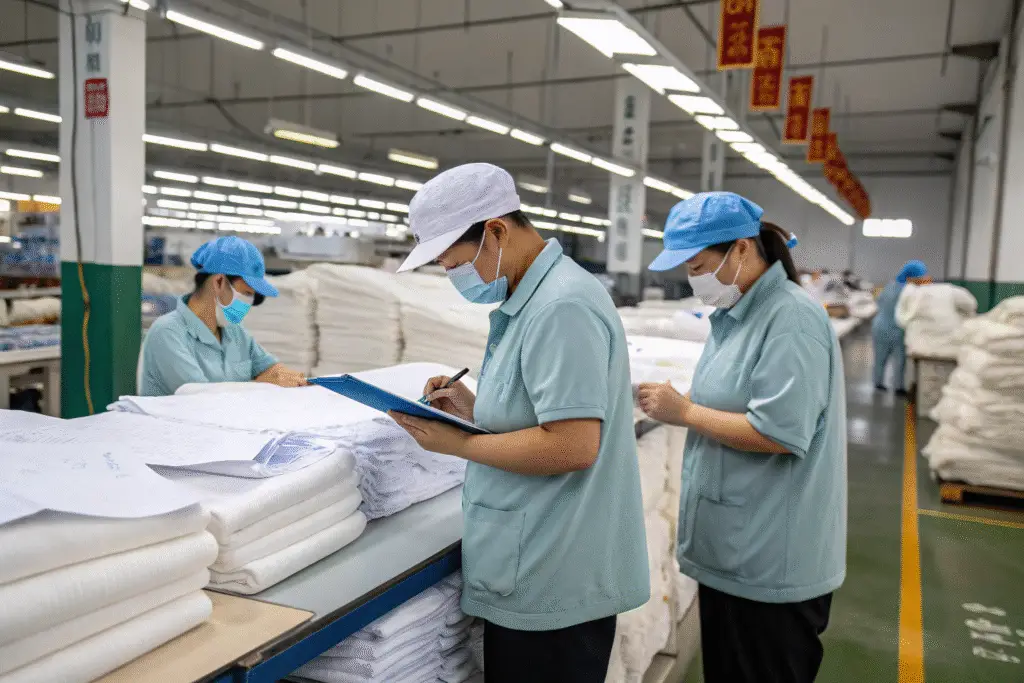
Comprehensive linen quality control incorporates multi-stage inspection protocols and unambiguous standard communication. This includes pre-production material testing, in-process monitoring during cutting and assembly operations, and final pre-shipment audits of finished garments. Trustworthy manufacturers maintain dedicated quality assurance teams and willingly provide detailed inspection reports and material certification documentation throughout production cycles.
| QC Phase | Critical Focus Areas | Implementation Methodology |
|---|---|---|
| Pre-Production | Material Compliance | Verify weave consistency, colorfastness, and weight conformity against established standards |
| Production Monitoring | Construction Integrity | Oversee stitching quality, seam strength, and assembly accuracy according to technical specifications |
| Pre-Shipment Verification | Final Product Audit | Conduct statistical sampling inspections identifying any defects before packaging and shipment |
Which Certifications Verify Linen Quality And Compliance?
Independent certifications provide validated quality and ethical manufacturing verification. For linen textiles, prioritize OEKO-TEX® Standard 100 certification confirming absence of harmful substances. Additionally, Global Organic Textile Standard (GOTS) certification ensures organic linen complies with sustainable production standards from agricultural cultivation through textile manufacturing. These certifications assure product safety and responsible manufacturing practices. Recognizing concerns regarding certificate authenticity, we maintain complete documentation transparency and provide verifiable credentials for all sustainable materials utilized in production.
How Does In-Process Inspection Prevent Quality Issues?
In-line quality monitoring involves proactive verification during active manufacturing rather than post-production assessment. This enables quality teams to identify and rectify issues like stitching inconsistencies or pattern alignment deviations as they occur during production workflows. Early defect detection prevents minor issues from escalating into batch-wide deficiencies, conserving both time and financial resources. Our manufacturing integration includes inspection checkpoints at all critical production stages, from initial cutting through final finishing. This preventive methodology forms the foundation of our apparel manufacturing philosophy and sustains the elevated quality assurance standards that brands require for market success.
What Logistics Framework Supports U.S. Linen Import Operations?
Transporting manufactured linen collections from production facilities to distribution centers represents the critical final operational phase. Navigating international shipping regulations, customs compliance, and tariff structures requires specialized expertise. Selecting manufacturing partners with demonstrated U.S. logistics experience ensures timely delivery coordination that aligns with seasonal selling periods.
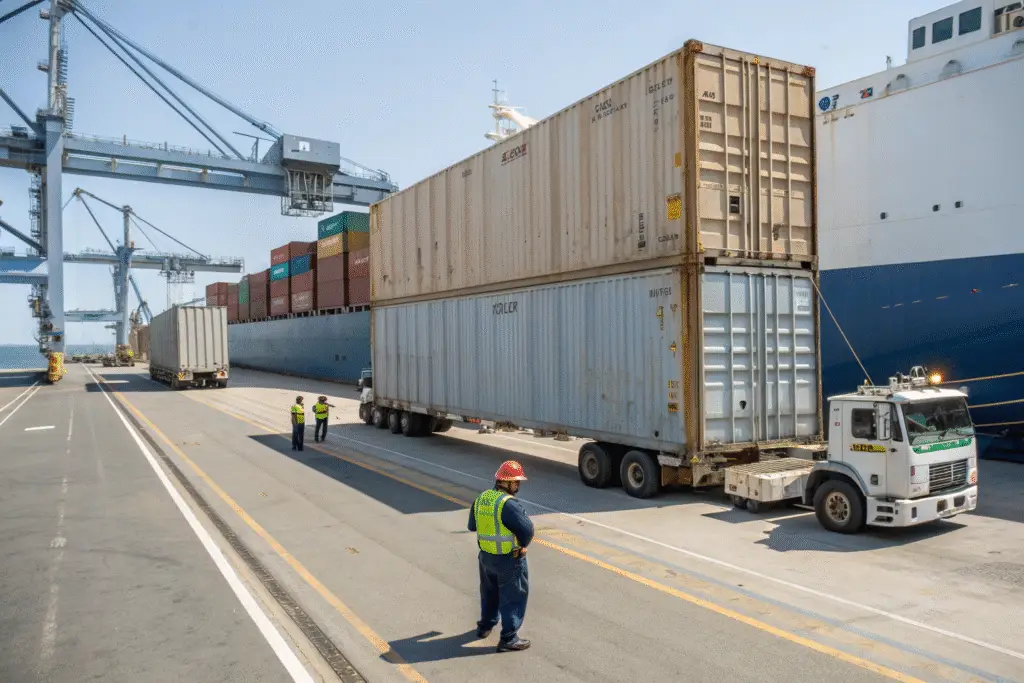
U.S.-bound linen shipping logistics typically utilize ocean freight for cost-efficient large volume transportation, followed by customs clearance procedures and final trucking distribution to designated warehouses. The most operationally efficient approach involves manufacturers offering Delivered Duty Paid (DDP) terms, where suppliers assume complete logistics responsibility including import duty and tax payments, providing clients with comprehensive landed cost calculations without unexpected charges.
Why Does DDP Shipping Benefit U.S. Import Operations?
DDP shipping terms optimize import processes while reducing importer risk exposure. Manufacturers assume complete responsibility for transportation coordination, insurance coverage, and crucially, customs compliance procedures. Clients receive consolidated pricing that includes all associated costs, facilitating accurate budgeting and financial planning. This eliminates unexpected charges and complex paperwork requirements for importers. For procurement professionals, this DDP service framework transforms supply chain management by eliminating logistical uncertainties and establishing predictable operational timelines that support inventory planning and marketing campaign execution.
How Should Seasonal Collection Shipping Be Scheduled?
Strategic shipping planning for seasonal collections requires developing reverse chronological timelines from planned launch dates. Realistic scheduling must incorporate production lead times, ocean transit durations (typically 3-5 weeks), and customs clearance buffer periods. Collaborative timeline development with manufacturing partners should encompass fabric procurement, production scheduling, quality verification, and shipping coordination. Leveraging our extensive North America export experience, we assist clients in developing comprehensive schedules that account for seasonal demand fluctuations. Our commitment to on-time delivery includes proactive shipment monitoring throughout the logistics cycle, implementing contingency measures to prevent delays and ensure summer linen collections arrive aligned with seasonal selling requirements.
Conclusion
Successful premium linen sourcing for summer collections depends fundamentally on selecting appropriate manufacturing partners with specialized expertise and integrated capabilities. This requires comprehensive understanding of textile quality parameters, implementation of rigorous quality assurance protocols, and establishment of reliable logistics frameworks. By concentrating on these essential areas—identifying superior materials, partnering with full-service manufacturers, executing systematic quality control, and securing dependable DDP shipping—you develop commercially successful summer collections that satisfy exacting U.S. market expectations.
Your search for a consistent, value-oriented manufacturing partner concludes with our specialized capabilities. We are committed to functioning as trusted extensions of your brand, ensuring your apparel concepts achieve precise realization through expert execution. Allow us to facilitate your navigation through sourcing and production complexities. For partnerships guaranteeing quality consistency, operational reliability, and competitive pricing, contact Business Director Elaine to discuss your forthcoming linen collection requirements at elaine@fumaoclothing.com.