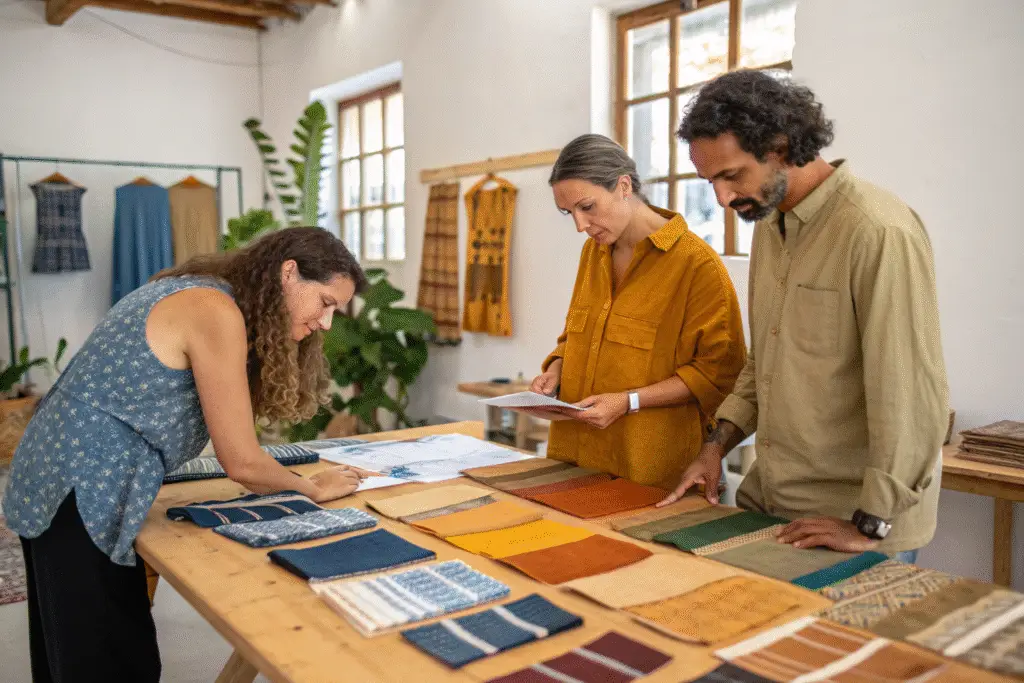
Organic and sustainable fashion has moved from niche to mainstream, with buyers in the U.S. and Europe demanding environmentally friendly textiles. Plant-dyed fabrics, made using natural pigments instead of synthetic chemicals, are becoming essential for organic clothing lines.
Plant-dyed textiles offer eco-credentials, unique aesthetics, and healthier alternatives to synthetic dyes. They align with consumer demand for transparency, sustainability, and authenticity.
As a manufacturer, I have helped boutique and luxury buyers source certified plant-dyed fabrics. Let’s explore the sourcing process for building a competitive organic fashion collection.
Why Choose Plant-Dyed Fabrics for Organic Fashion?
Plant-dyed fabrics are made using pigments from plants such as indigo, turmeric, madder, and pomegranate.
They reduce chemical waste, improve safety, and provide unique natural shades.

How Do They Support Sustainability?
Plant dyes avoid toxic chemicals, protecting waterways and reducing pollution. Reports from Textile World confirm that natural dyes minimize environmental harm compared to synthetic options.
Why Are They Valuable for Branding?
Plant-dyed fabrics tell a story of authenticity and craftsmanship. According to Business of Fashion, storytelling around eco-friendly processes adds premium value in organic fashion markets.
What Are the Best Fabrics for Plant Dyeing?
Not all fabrics work equally well with plant dyes. The best results come from natural fibers with strong absorbency.
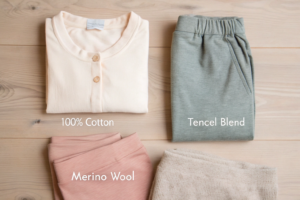
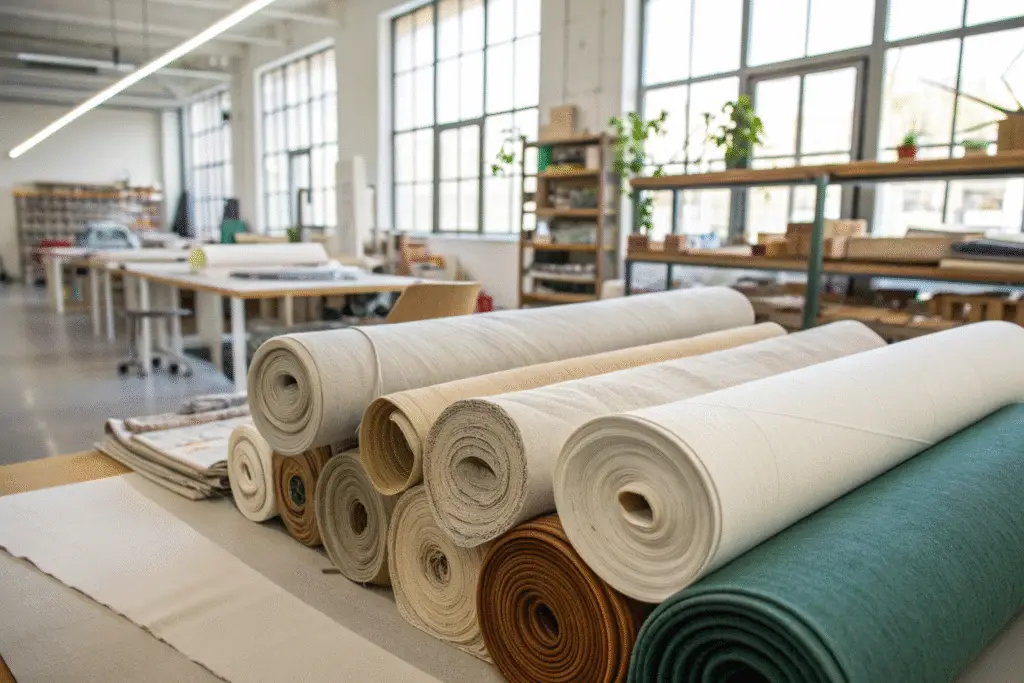
Organic cotton, hemp, silk, and bamboo are ideal for plant-based dyeing.
Why Use Organic Cotton and Hemp?
Organic cotton is soft, breathable, and absorbs plant dyes effectively. Hemp adds durability and sustainability. Certified suppliers listed on Textile Exchange provide eco-approved options.
How Do Silk and Bamboo Perform?
Silk provides vibrant colors due to its protein structure, while bamboo blends are sustainable and absorb pigments well. Certification from GOTS ensures eco-compliance for these fabrics.
Where Can Buyers Source Plant-Dyed Textiles?
Sourcing requires identifying suppliers who specialize in natural dye processes and certifications.
Reliable sourcing combines certified suppliers, marketplaces, and artisan partnerships.
Which Platforms List Plant-Dyed Fabrics?
Buyers can source through Fibre2Fashion, Alibaba, and Global Sources. These platforms include suppliers who work with natural dyeing processes.
Can Trade Shows Help?
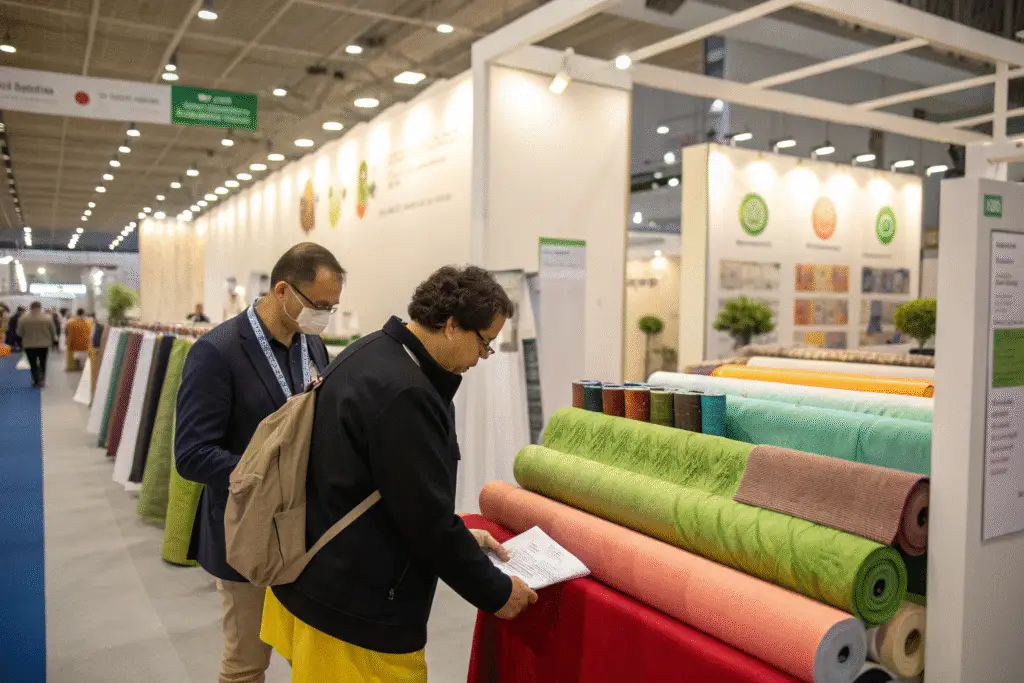
Yes. Events like Première Vision and Techtextil showcase eco-textile innovators, making them excellent places to discover plant-dyed fabric producers.
How to Verify Certifications and Quality?
Certifications prove that plant-dyed textiles meet organic and safety standards.
Testing and certifications ensure fabrics are safe, durable, and eco-friendly.

Which Certifications Matter Most?
Buyers should look for GOTS, OEKO-TEX, and Cradle to Cradle certifications. These confirm safety, sustainability, and chemical-free processing.
Why Is Testing Important?
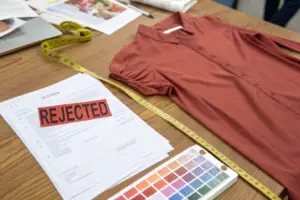
Natural dyes sometimes face challenges with color fastness. Independent lab testing ensures fabrics meet durability and wash-resistance standards. Reports from Apparel Resources highlight testing as critical for export-quality organic fabrics.
What Is the Future of Plant-Dyed Textiles?
The future of plant-dyed textiles is expanding into both luxury and mass-market fashion.
Innovations will combine traditional dyeing with technology, scaling eco-fashion globally.

Will Technology Improve Plant Dyeing?
Yes. New bio-based dye extraction methods improve consistency and scalability. Research from Journal of Cleaner Production highlights innovations in sustainable dyeing processes.
Can Plant Dyes Compete with Synthetics?
Absolutely. With growing consumer demand for safe and eco-friendly fashion, plant dyes are gaining traction. Reports from Vogue Business confirm that natural dyes are entering mainstream apparel collections.
Conclusion
Plant-dyed textiles combine heritage, sustainability, and premium branding for organic clothing lines. Buyers should focus on natural fibers, certified suppliers, and proper testing to ensure quality and eco-credentials.
As a Chinese apparel manufacturer, I have worked with U.S. and European buyers to integrate plant-dyed textiles into organic fashion lines. If you are ready to source eco-certified fabrics for your brand, we at Shanghai Fumao are here to help. Please contact our Business Director Elaine at elaine@fumaoclothing.com to begin your sustainable sourcing journey.