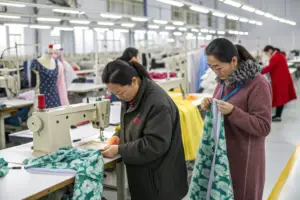
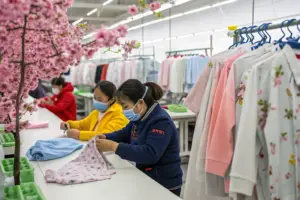
Air contamination has gradually become a factor shaping consumer choices in metropolitan areas. People not only care about style but also expect functionality that enhances health awareness. Buyers in the fashion business, particularly brand executives, are showing greater interest in garments that merge environmental monitoring with modern design. Yet locating dependable production partners for such products is still a challenge.
Acquiring this type of smart clothing is achievable if the sourcing approach is clear. Manufacturers with expertise in technical fabrics and wearable technology can deliver apparel capable of tracking pollution levels. By integrating IoT-based textiles, real-time environmental data visualization, and tailor-made branding, these items offer fashion companies new opportunities in markets that emphasize eco-responsibility.
The difficulty for purchasing managers lies in aligning technology adoption with product quality while maintaining a resilient supply chain. The following analysis outlines methods to discover and collaborate with capable producers of personalized, pollution-aware clothing.
Finding Manufacturers Skilled in Wearable Technology
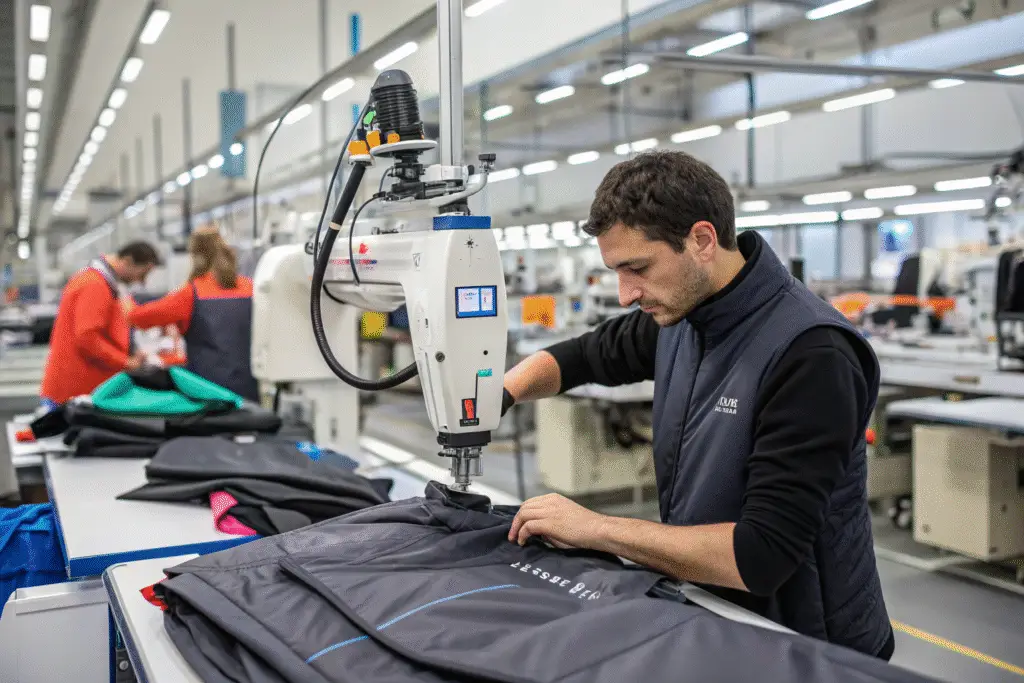
Producing smart garments requires more than routine garment assembly. It demands knowledge of advanced textiles, integration of sensors, and sometimes software cooperation.
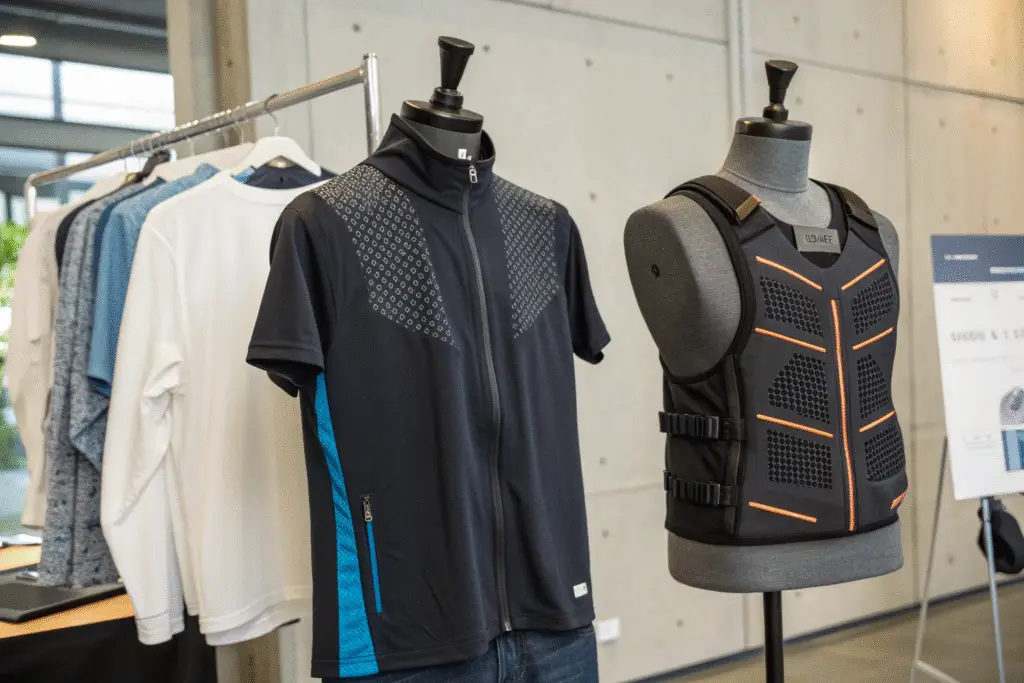
Companies engaged in sportswear or protective clothing frequently already apply conductive fabrics and can adapt their lines for pollution-mapping features.
Which Certifications Indicate Reliability?
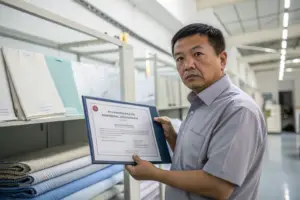
A supplier should possess standard textile quality approvals such as ISO, and for embedded electronics, international compliance labels like CE marking. These reduce the risk of rejected shipments at customs or in retail markets.
Where Are Leading Hubs Located?
Asian regions including China, Vietnam, and India are strong in cost-effective mass manufacturing. Meanwhile, Europe and Japan hold advanced R&D facilities in smart textiles. For scaling urban apparel projects, Asian producers usually provide a balance of price and flexibility.
Assessing Customization and Brand Integration
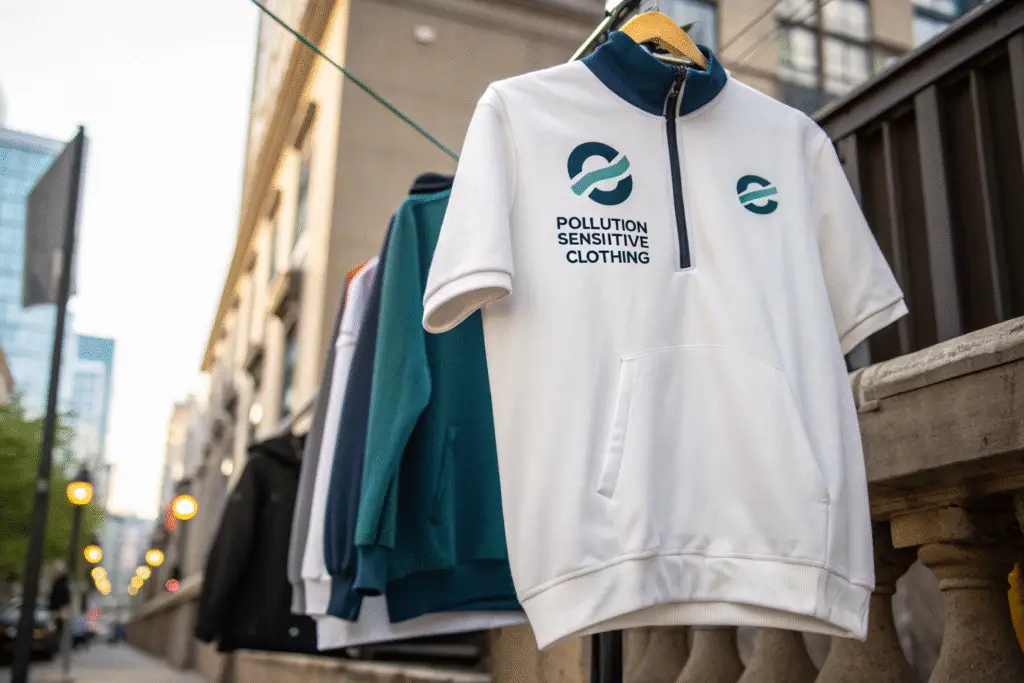
Pollution-sensitive clothing has strong appeal when buyers can tailor designs to specific brand needs. Logos, personalized fit, or limited-edition styles are frequently requested.
The most suitable suppliers are those that allow trial-size orders before scaling and provide advanced decoration options such as digital printing or embroidery.
How to Secure Design Adaptability?
Investigate whether the factory delivers CAD-based design services and fabricates prototypes before bulk production. Modern virtual simulation software like CLO 3D can reduce waste and accelerate approval cycles.
What Safeguards Protect Intellectual Property?
Since creative work is valuable, contracts should specify ownership of design rights. Reputable producers usually provide confidentiality agreements. Frameworks advised by WIPO are often used as references.
Balancing Expense, Logistics, and Product Standards
Garments that combine sensors with textile functions typically cost more than basic clothing. Decision-makers need to compare investment levels with potential added value.
Some factories simplify trade by offering DDP (Delivered Duty Paid), covering duties and logistics. This reduces risk for importers.
Can Innovative Orders Receive Financial Support?
Yes, certain manufacturers work with financial institutions. For example, EXIM Bank USA offers tools to assist businesses bringing in unconventional product categories.
How to Confirm Quality Before Dispatch?
Third-party inspection is crucial. Independent agencies such as SGS and Intertek can verify color fastness, wash durability, and sensor performance before shipment.
Prospects of Pollution-Monitoring Fashion
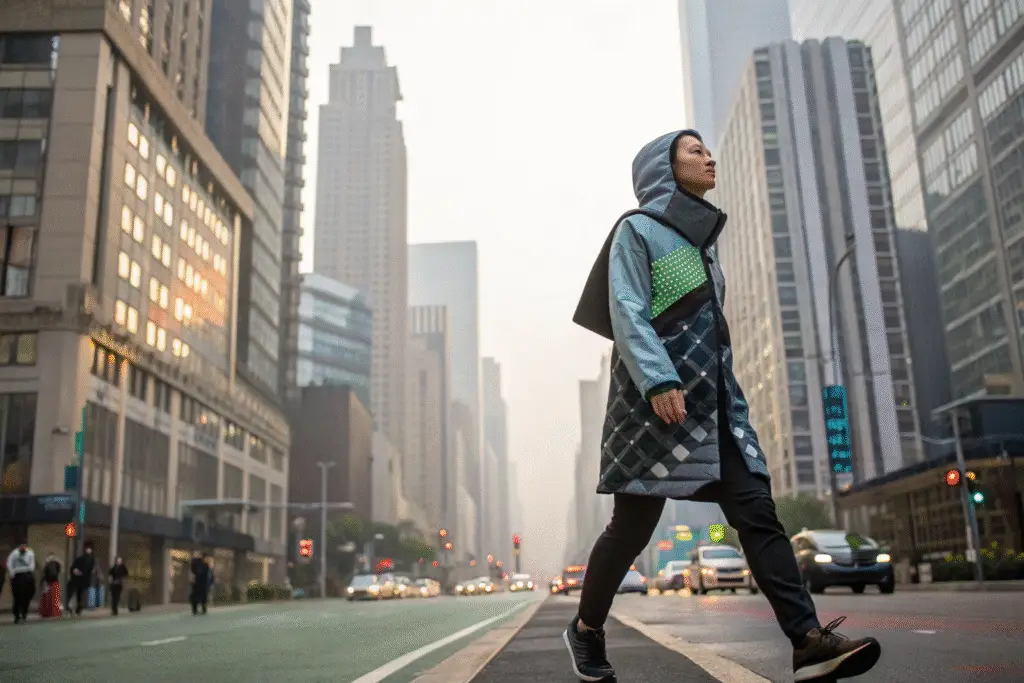
The intersection of sustainable design, digital tools, and style continues to expand. Apparel that can map air quality is progressing from an experimental niche into a category with growing consumer demand, especially in urban zones with heavy pollution.
As smart cities evolve, clothing that displays or reacts to environmental information will attract broader audiences.
Are Shoppers Willing to Pay Premiums for Tech Garments?
Research indicates they are. Many consumers, particularly younger groups, attach importance to sustainability and functionality. Surveys from Statista show Gen Z and Millennials often prioritize eco-value over price.
How Can Companies Build an Edge?
A brand can differentiate by combining environmental features with distinctive aesthetics. Collaboration with academic institutions such as MIT Media Lab can also provide exclusive designs not easily replicated by competitors.
Conclusion
Obtaining customizable, pollution-mapping apparel is no longer unrealistic. By choosing suppliers with expertise in functional textiles, flexible customization, and rigorous quality systems, brands can deliver garments that align technology with sustainability.
For sourcing executives in the U.S. and Europe who wish to partner with reliable producers, Shanghai Fumao provides both manufacturing strength and innovative capability. To explore how we can support your next project, contact our Business Director, Elaine, at strong>elaine@fumaoclothing.com.