Finding the perfect performance fabric for your swimwear line presents a significant challenge in today's competitive market. The ideal material must not only look appealing but also withstand harsh conditions like chlorine, saltwater, and prolonged sun exposure while maintaining its shape and color. Many brands struggle with fabric choices that lead to customer complaints, returns, and damaged reputation. This comprehensive guide provides a clear roadmap to navigate the complex process of sourcing high-performance swimwear fabrics that meet both quality standards and business objectives.
Selecting the right performance fabric requires balancing technical specifications with practical business considerations. The optimal fabric combines chlorine resistance, UV protection, color fastness, and comfortable stretch while remaining cost-effective. Partnering with an experienced manufacturer who understands these requirements ensures a smooth transition from concept to finished product. This article will systematically guide you through the entire sourcing process, from understanding fabric properties to establishing reliable manufacturing partnerships.
What Are The Key Properties Of Performance Swimwear Fabrics?
Understanding fabric properties forms the foundation of successful swimwear sourcing. Performance fabrics differ significantly from regular materials in their composition and manufacturing process. These specialized textiles undergo rigorous testing to ensure they meet the demanding requirements of swimwear applications. As manufacturers, we prioritize these properties throughout our production process to guarantee consistent quality.

What makes a fabric chlorine and saltwater resistant?
Chlorine and saltwater resistance begins with fiber selection and treatment. High-quality nylon, particularly Nylon 6.6, demonstrates superior resistance to chemical degradation compared to standard variants. The dyeing process equally impacts durability, with solution dyeing providing exceptional color fastness by integrating pigments directly into the polymer matrix. This method ensures colors remain vibrant despite repeated exposure to pool chemicals and seawater. Manufacturers should provide verified test results from recognized standards like AATCC 162 for chlorine resistance testing.
How does UV protection factor into fabric choice?
UV protection in swimwear fabrics operates through both physical structure and chemical treatment. Tightly woven polyester naturally blocks harmful radiation due to its molecular structure and fiber density. Many manufacturers enhance this protection by incorporating microscopic ceramic particles or specialized coatings that scatter UV rays. The Ultraviolet Protection Factor (UPF) rating quantifies this protection, with UPF 50+ blocking over 98% of harmful radiation. Brands should request certified UPF test reports from suppliers to validate marketing claims and ensure customer safety.
| Fabric Property | Why It Matters | Ideal Test Standard |
|---|---|---|
| Chlorine Resistance | Prevents fading and fiber degradation after pool exposure | AATCC 162 |
| Color Fastness | Ensures colors do not bleed or fade with sun, water, or sweat | AATCC 61 |
| UPF Rating | Protects skin from harmful ultraviolet rays | AATCC 183 |
| Stretch & Recovery | Provides comfort and ensures the garment returns to its original shape | ASTM D2594 |
How To Find A Reliable Performance Fabric Supplier?
Identifying the right supplier requires careful evaluation beyond basic cost considerations. The ideal partner demonstrates expertise in performance fabrics and maintains consistent quality across production batches. Supplier selection significantly impacts your product's final quality, delivery timelines, and overall business success. We recommend a systematic approach to vetting potential manufacturing partners.

What certifications should you look for in a supplier?
Certifications provide objective evidence of a supplier's commitment to quality and ethical standards. The OEKO-TEX Standard 100 certification ensures textiles are free from harmful substances, making it essential for swimwear contacting sensitive skin. For environmentally conscious brands, the Global Recycled Standard (GRS) verifies recycled content claims. Social compliance certifications like BSCI audit reports indicate responsible manufacturing practices. Always verify certification authenticity directly with issuing bodies, as this prevents potential issues with falsified documentation.
Why is factory communication and visit critical?
Effective communication prevents misunderstandings that often lead to production errors and delays. The best suppliers maintain transparent communication channels and provide regular updates throughout the production process. Whenever possible, conduct factory visits to assess manufacturing capabilities firsthand. These visits allow you to evaluate production lines, quality control systems, and working conditions. When physical visits aren't feasible, request virtual tours and detailed documentation of manufacturing processes. This due diligence ensures your partner possesses the expertise and infrastructure to meet your specific requirements.
What Is The Full-Package Manufacturing Process For Swimwear?
The manufacturing process transforms design concepts into finished products through carefully coordinated stages. Full-package manufacturing integrates all aspects of production under single responsibility, streamlining communication and quality management. Understanding this process helps brands set realistic timelines and maintain quality expectations throughout production.
How does product development work from design to sample?
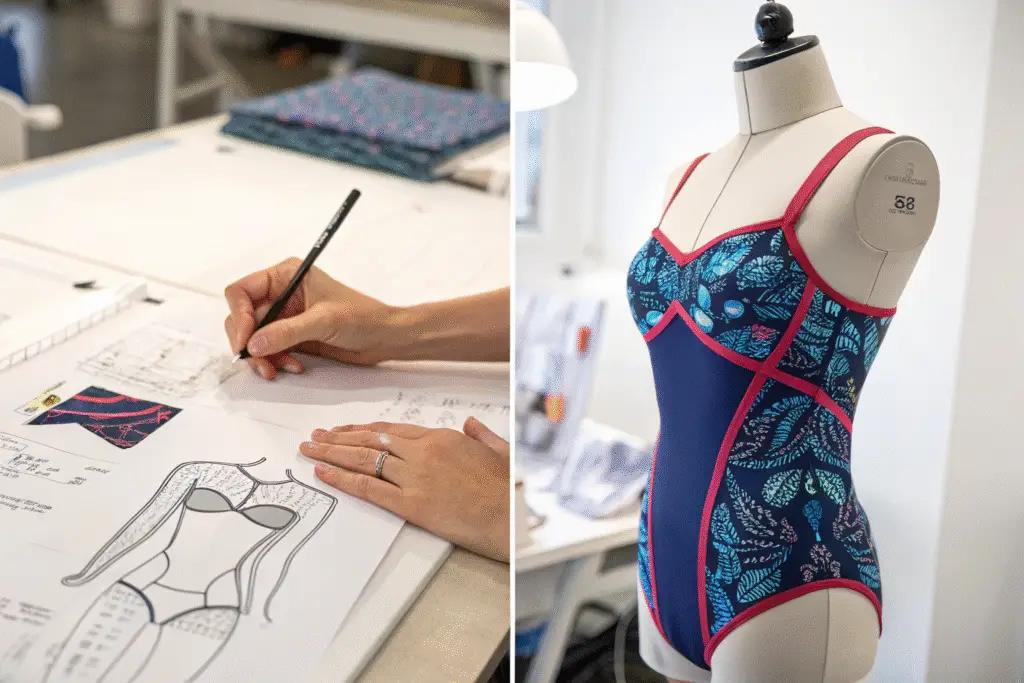
Product development begins with translating design concepts into technical specifications. This phase involves fabric selection, pattern making, and sample creation to visualize the final product. Manufacturers create prototype samples for fit assessment, fabric performance evaluation, and design refinement. The sampling stage typically includes multiple iterations to perfect fit, construction, and overall aesthetics before proceeding to bulk production. Clear communication during this phase ensures the final product aligns with your vision while maintaining manufacturing feasibility.
What steps are involved in production and quality control?
Bulk production follows sample approval and involves fabric cutting, sewing, and application of trims and hardware. Quality control integrates at multiple stages, beginning with raw material inspection and continuing through sewing and finishing. In-process checks identify issues early, preventing widespread quality problems. Final random inspection according to AQL standards provides statistical assurance of quality before shipment. For swimwear, additional testing might include fit verification on live models and performance testing under simulated usage conditions.
How To Ensure Quality Control And On-Time Delivery?
Maintaining consistent quality while meeting delivery deadlines requires systematic processes and proactive management. These two elements directly impact customer satisfaction and business profitability. Implementing robust quality assurance systems and efficient logistics management ensures your products reach the market as planned.
What are the critical stages for swimwear quality inspection?
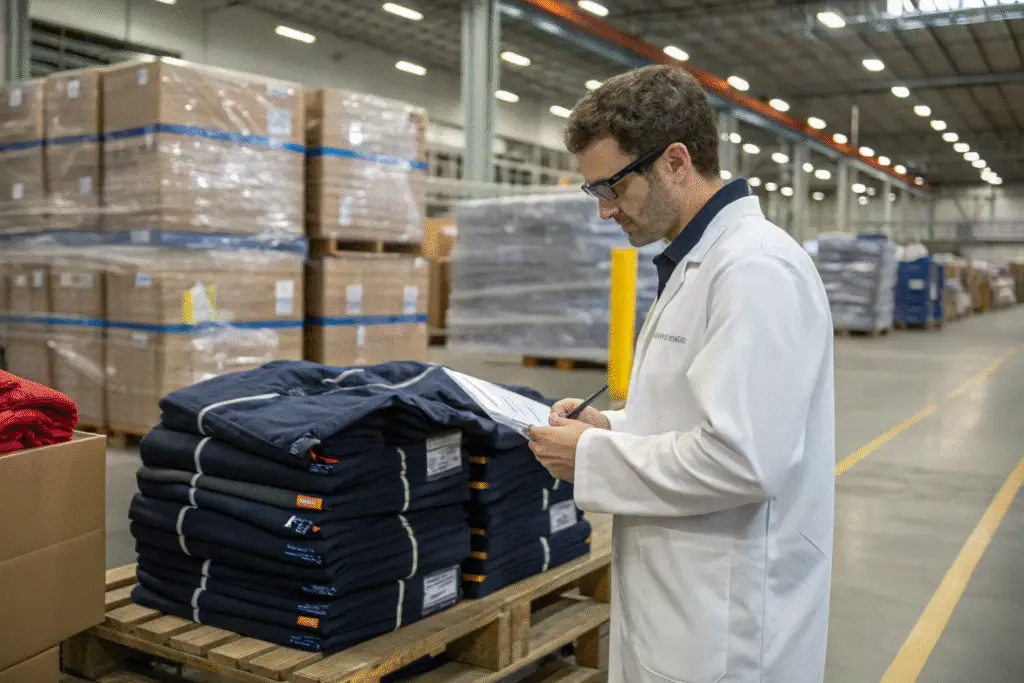
Quality inspection occurs at multiple predetermined checkpoints throughout production. Initial inspection verifies fabric quality and components upon receipt. During production, inline inspections monitor sewing quality and construction accuracy. The most comprehensive assessment happens during final random inspection, where trained inspectors examine finished garments against approved standards. For swimwear, specialized testing might include colorfastness to chlorinated water, stretch recovery assessment, and seam strength evaluation. Documentation at each stage creates traceability and facilitates continuous improvement.
How can DDP shipping simplify your logistics?
Delivered Duty Paid (DDP) shipping simplifies international logistics by consolidating responsibility with the supplier. Under DDP terms, the manufacturer manages all transportation, documentation, and import formalities, delivering goods directly to your specified location. This approach provides cost certainty, reduces administrative burden, and minimizes customs-related delays. For brands focusing on marketing and sales, DDP shipping offers a streamlined supply chain solution with predictable timelines and costs. Ensure your supplier has proven experience handling DDP shipments to your target market to avoid unexpected complications.
Conclusion
Sourcing performance swimwear fabrics requires methodical planning and strategic partnership selection. By understanding fabric properties, thoroughly vetting suppliers, and implementing rigorous quality control measures, brands can develop swimwear that performs exceptionally in the market. The manufacturing partnership you choose significantly influences your product quality, delivery reliability, and ultimately, your brand reputation.
Mastering these elements enables you to create swimwear that not only meets aesthetic expectations but also delivers the performance modern consumers demand. When you're ready to develop high-performance swimwear with a partner committed to your success, we invite you to begin the conversation. Contact our Business Director, Elaine, at elaine@fumaoclothing.com to explore how we can support your next manufacturing project.