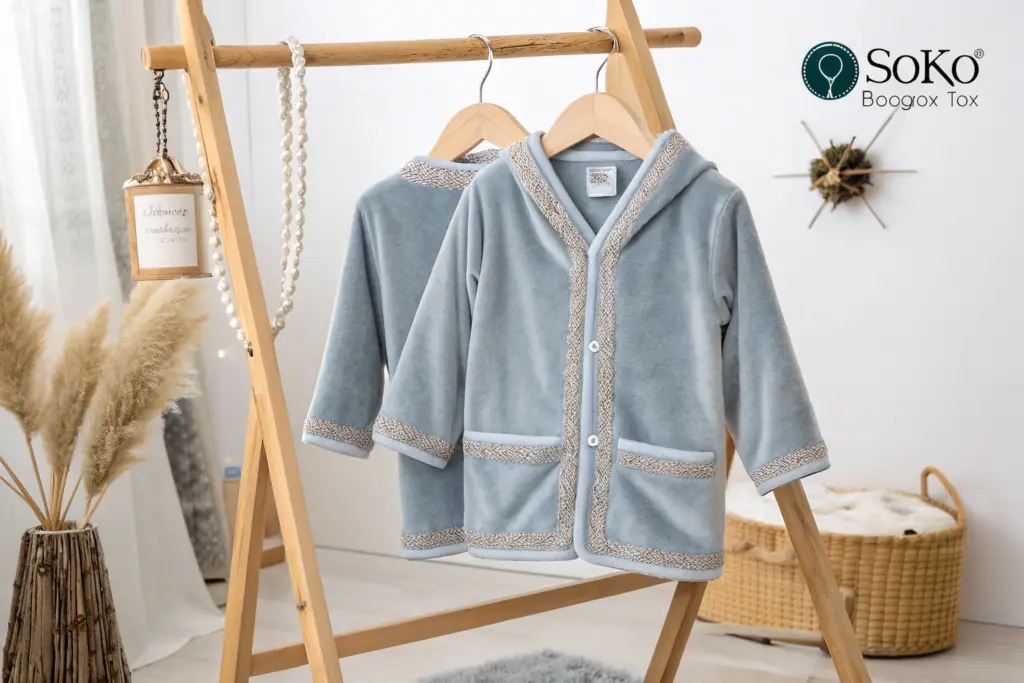
As a boutique brand owner, you know your customers value both style and safety. Finding a cozy, on-trend velour cardigan set is one thing. Ensuring it’s certified free from harmful substances is another, and it’s becoming a non-negotiable for discerning shoppers. The sourcing journey for such a specific, certified product can feel overwhelming. Where do you even begin?
Sourcing OEKO-TEX certified velour cardigan sets requires partnering with a specialized manufacturer that controls the entire supply chain, from certified fabric sourcing to compliant production and lab testing. The key is finding a factory that not only holds the certificate but also deeply understands the standards and integrates them into every step of development and manufacturing. This ensures your boutique brand receives a product that is truly safe, high-quality, and aligns with your ethical values, without you having to manage complex compliance checks.
Many brands make the mistake of only checking for a supplier's final factory certificate. True compliance starts much earlier. Let's break down the practical steps to secure these premium sets reliably for your boutique.
What Is OEKO-TEX Certification And Why Does It Matter For Velour?
You see the OEKO-TEX tag everywhere now. But for velour, a fabric loved for its softness against the skin, this certification isn’t just a marketing buzzword. It’s a critical promise of safety. Velour’s plush texture comes from a specific knitting and shearing process, and the dyes and chemical finishes used to achieve its rich color and feel must be rigorously checked.
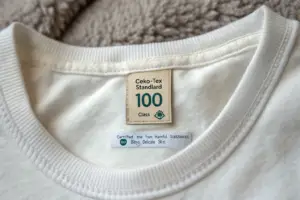
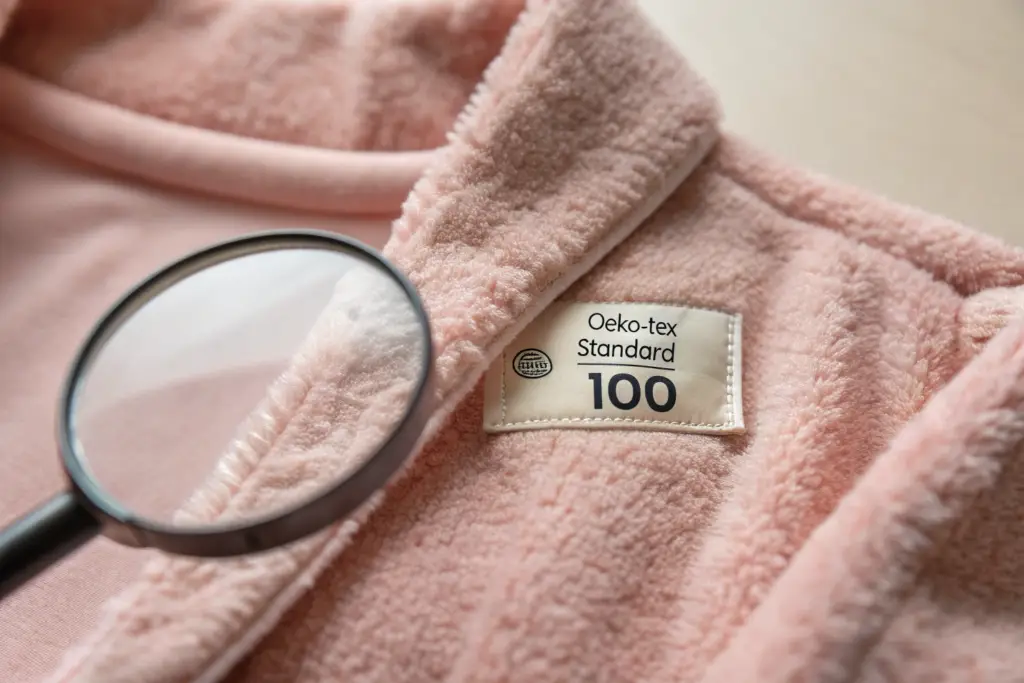
OEKO-TEX STANDARD 100 is a globally independent testing and certification system for textile raw materials, intermediate and end products. It tests for over 100 regulated and non-regulated harmful substances, from pesticides and heavy metals to allergenic dyes. For a velour set to be certified, every component—the yarn, the dye, the lining, even the thread and zippers—must pass these strict limits. This matters because boutique customers are increasingly informed and seek transparency. Offering OEKO-TEX certified items directly addresses concerns about skin allergies and long-term health, building immense trust. For example, a children’s boutique we worked with last year saw a 25% increase in repeat online orders after prominently displaying OEKO-TEX certification on their product pages for velour loungewear.
How Does OEKO-TEX Certification Differ From General Safety Standards?
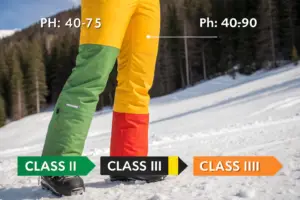
Many factories claim their products are "safe" or "non-toxic," but without a standardized benchmark, these claims are vague. OEKO-TEX provides a verifiable, consistent standard. Unlike general national standards that might regulate a few substances, OEKO-TEX’s list is extensive and updated annually. It also classifies products into four product classes, with Class I for baby items being the strictest. Velour loungewear typically falls into Class II (products with direct skin contact) or Class I if for children. This specificity is crucial. We once audited a supplier for a client that claimed their velour was “child-safe,” but their in-house test only covered 5 basic parameters. When we insisted on OEKO-TEX Standard 100 testing, the fabric failed for a specific pH value outside the limit. This avoided a potential batch of irritable garments and a damaged brand reputation.
What Are The Specific Risks OEKO-TEX Prevents In Velour Fabric?
Velour’s risk profile is tied to its production. To achieve that deep, uniform color and super-soft hand-feel, chemical auxiliaries like softeners, dye-fixing agents, and anti-pilling treatments are often used. The certification specifically targets residues from these processes. Key risks it prevents include:
- Allergenic Disperse Dyes and Color Fastness: These dyes can transfer from the fabric to skin, causing allergies.
- Formaldehyde: Used for anti-wrinkle properties, it can be a skin irritant.
- Heavy Metals (e.g., Cadmium, Lead): Can be present in certain dyes or pigments.
- Chlorinated Phenols and PFAS: Used in some water-repellent or antibacterial finishes.
A reliable manufacturer like Shanghai Fumao proactively sources pre-certified yarns and dyes and uses compliant chemical recipes. We maintain a restricted substances list (RSL) that goes beyond OEKO-TEX, ensuring our partners’ velour sets are future-proof against evolving regulations. Our full-package manufacturing service includes managing all this compliance documentation, so you have a complete dossier for each order.
How To Verify A Garment Factory's OEKO-TEX Credentials?
Finding a factory that claims to have OEKO-TEX certification is easy. Verifying that their certification is valid, applicable to your product, and backed by real processes is where most buyers stumble. You must look beyond the certificate number.
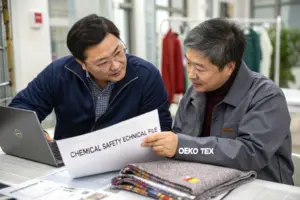
First, always ask for the official OEKO-TEX certificate. Then, cross-check the details. Visit the official OEKO-TEX Association website and use their “Check Label” feature. Input the certificate number and the listed company name. Ensure it’s active and check the “Product Scope” description. Does it explicitly cover “knitted velour garments” or similar? A certificate for “woven shirts” does not apply to your velour set. Second, request a test report from the factory for a similar product. While the certificate proves the system is in place, a recent test report on a velour item shows direct compliance.
What Questions Should You Ask The Supplier During Verification?
Don't be passive. Engage the supplier's technical team with specific questions. This separates sales talk from operational reality.
| Question to Ask | What a Good Answer Looks Like | Red Flag Response |
|---|---|---|
| “Can you share your active OEKO-TEX certificate and a recent test report for a velour product?” | Promptly provides PDFs with clear scope and passing results. | Hesitation, provides blurry images, or says reports are “internal.” |
| “Is the certification for your factory (production site) or for the specific product? Who is the certificate holder?” | Explains it’s a product certificate covering specific article types, held by their export company. | Confusion between factory and trading company certificates. |
| “Do you source OEKO-TEX certified fabrics, or do you certify the final product?” | Explains their integrated process: using certified yarns/ fabrics AND testing the final garment. | Says only the fabric mill is certified, implying their finishing process isn’t covered. |
| “How do you manage compliance if a fabric or component supplier changes?” | Describes a vendor approval system and requires new test reports for any material change. | Says it’s “not a problem” without a clear procedure. |
Why Is On-Site Audit Or Third-Party Inspection Crucial?
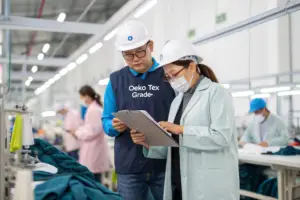
A certificate can be faked or misrepresented. An on-site audit, either by you or a hired third-party inspection company, validates the claims. During our own factory audits for potential partners, we check if the certified materials are stored separately, if production lines are properly managed to prevent contamination, and if lab testing facilities or agreements with accredited labs are in place. One of our U.S. brand partners had a previous supplier in India who presented a valid certificate. However, a pre-shipment inspection revealed they were using non-certified, cheaper thread and lining for the velour hoodies, voiding the entire product's compliance. This is why Shanghai Fumao welcomes and facilitates client audits – transparency is the foundation of reliable partnership and avoids such catastrophic delays.
What Are The Key Cost Factors For OEKO-TEX Velour Cardigan Sets?
Understanding the cost breakdown prevents sticker shock and helps you evaluate quotes accurately. The premium for an OEKO-TEX certified velour set isn't arbitrary; it's tied to tangible value additions throughout the supply chain.
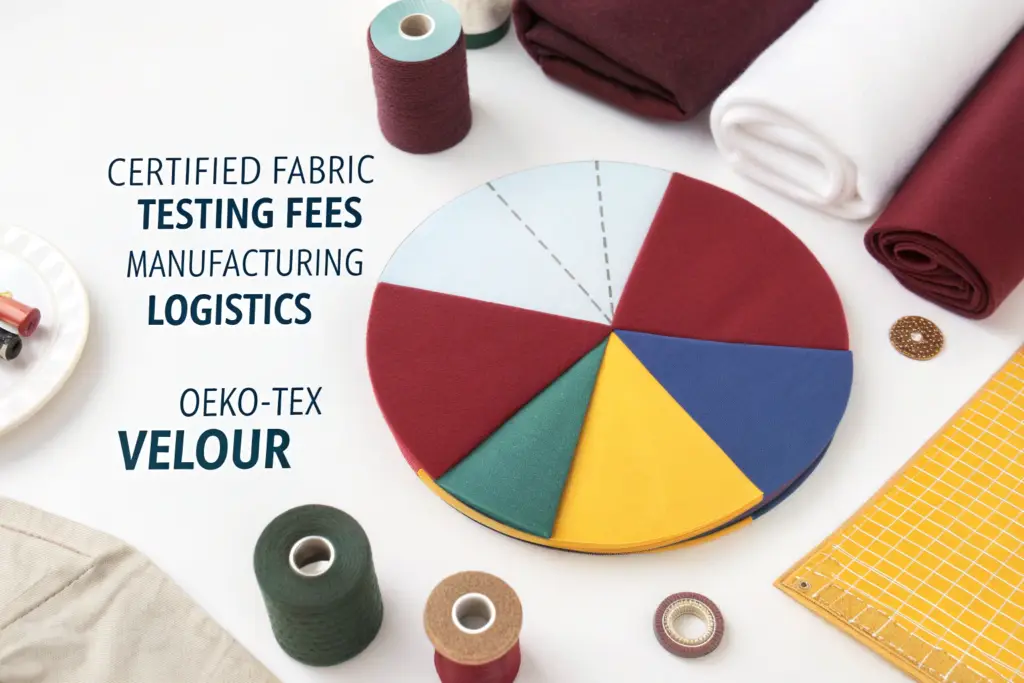
The primary cost drivers are the certified raw materials and the mandatory testing fees. OEKO-TEX certified cotton or cotton-blend yarns cost 10-20% more than conventional equivalents. The dyes and chemical auxiliaries are also premium-grade. Furthermore, each product certification requires testing by an accredited institute, which is a recurring cost per article/color. For a velour cardigan set (two pieces), this testing is comprehensive. Additionally, manufacturing complexity adds cost. A well-made velour set involves precise cutting to align the pile direction, specialized sewing techniques to prevent seam puckering, and careful washing to enhance softness without compromising the certification. Factories with integrated quality control processes dedicated to handling such delicate fabrics inherently have higher operational standards.
How Does Order Quantity and Design Complexity Affect Price?
These are your main leverage points. Economies of scale apply significantly.
- Fabric Dyeing: Larger orders mean larger dye lots, reducing the cost per kilogram of fabric.
- Testing Fees: The certification and testing fee can be amortized over more units.
- Production Efficiency: Larger runs optimize cutting and sewing line efficiency.
Design complexity is equally important. Ask yourself:
- Trims and Details: Are there custom metal buttons, embroidered logos, or contrast piping? Each added component needs its own certification or testing inclusion.
- Construction: A simple classic cardigan is faster to produce than one with a shawl collar, patch pockets, and a complex lining.
We advise our boutique brand clients to start with a core, simpler design for their first OEKO-TEX order to establish quality and cost baseline. For instance, a Miami-based startup we worked with opted for a minimalistic zip-front velour set for their launch. By keeping the design clean, we managed to keep their cost per unit within target while delivering full certification, allowing them a strong market entry.
Can You Achieve Competitive Pricing Without Sacrificing Certification?
Yes, through strategic sourcing and partnership. The goal is to optimize other variables without touching the certified material and testing pillars. Partnering with a manufacturer like Shanghai Fumao that has long-term contracts with certified mills gives you access to better fabric prices. Our full-package service consolidates fabric sourcing, production, and logistics, eliminating middleman markups. Furthermore, we offer expert product development advice on design-to-cost optimization—suggesting equally stylish but more production-friendly details that maintain the certification integrity. The competitive pricing comes from efficiency and expertise, not from cutting corners on safety.
How To Ensure Consistent Quality And On-Time Delivery?
Securing the perfect OEKO-TEX certified sample is only half the battle. The real challenge is ensuring every unit in your 500-piece order matches that sample and arrives in time for your launch. Consistency and reliability are what separate a good supplier from a great strategic partner.
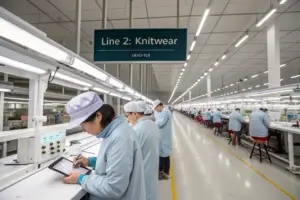
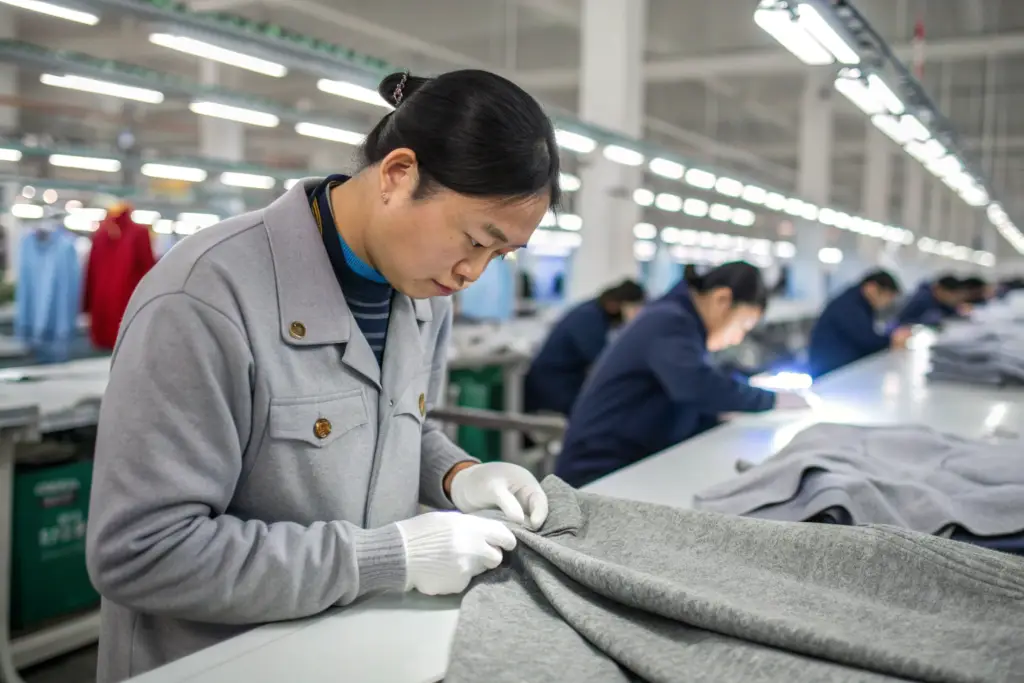
This hinges on the factory’s internal systems. A factory relying on final inspection alone is risky. Quality must be built into the process through in-process quality checks (IPQC). For velour, this means checking the fabric pile direction during cutting, monitoring seam tension during sewing, and inspecting after washing. For on-time delivery, transparent communication and proactive supply chain management are key. You need a supplier who communicates delays in fabric arrival or production bottlenecks early, not on the shipping date. We learned this the hard way early on and now implement a weekly production status report for all clients, complete with photos and video updates from the production line.
What Quality Control Milestones Should Be Built Into Your Order?
Insist on these checkpoints and make them part of your purchase order terms:
- Pre-Production Sample (PP Sample): Approved sample from actual production fabric and trims. This is your final design and quality sign-off.
- During Production (DUPRO) Check: A visit or third-party inspection when 20-30% of the order is completed. It catches issues early while they can still be corrected.
- Final Random Inspection (FRI): Conducted when 80% of the order is packed, checking against AQL standards for workmanship, sizing, and labeling.
For OEKO-TEX orders, also request a copy of the batch-specific test report from the accredited lab before shipment. This is your final guarantee that the shipped goods are certified.
How Does DDP Shipping Mode Protect Boutique Brands?
Delivered Duty Paid (DDP) is a game-changer for boutique brands. Under DDP terms, the supplier (exporter) handles everything: export clearance, international freight, insurance, import customs clearance, duties, and taxes, and delivers the goods to your specified warehouse in the U.S. This solves major pain points:
- Predictable Total Cost: You get one all-inclusive price upfront, with no surprise destination charges.
- Simplified Logistics: You don’t need to hire a freight forwarder or deal with complex customs paperwork.
- Supplier Accountability: Since the supplier manages the entire chain, they are incentivized to choose reliable logistics partners and ensure smooth transit to avoid their own additional costs.
For a boutique owner focused on marketing and sales, DDP provided by a capable manufacturer like Shanghai Fumao removes a massive operational burden and significantly reduces the risk of shipment delays at port. It turns a complex international transaction into a simple, door-to-door delivery.
Conclusion
Sourcing OEKO-TEX certified velour cardigan sets successfully is a detailed process that goes far beyond a simple price comparison. It requires a deep understanding of the certification's meaning, diligent verification of supplier claims, a clear analysis of cost drivers, and ironclad systems for quality and delivery. The common thread is partnership. You need a manufacturer that acts as an extension of your brand, embedding safety and quality into every step from fabric mill to finished product, and providing the transparency and logistics support that boutique brands need to thrive in a competitive market.
By focusing on these strategic elements, you can confidently offer your customers the luxurious, safe, and stylish velour sets they desire, building a reputation for quality that drives loyalty and growth. If you are looking for a reliable partner to bring your OEKO-TEX certified velour cardigan sets or any other apparel vision to life with expertise and seamless execution, we invite you to contact us. Let Shanghai Fumao be your trusted manufacturing extension. For a direct conversation about your next project, please reach out to our Business Director Elaine at: elaine@fumaoclothing.com.