In healthcare, uniforms must balance comfort and hygiene. Medical staff work long shifts, and scrubs that regulate humidity help them stay dry, reduce bacteria growth, and maintain focus. For buyers, the challenge is sourcing garments that meet performance standards, certifications, and delivery requirements.
Humidity-regulating scrubs keep workers comfortable, improve hygiene, and support efficiency—making them essential for modern hospitals.
Let’s explore what these scrubs are, why hospitals demand them, how to source them, and why U.S. buyers often turn to Chinese manufacturers.
What Are Humidity-Regulating Hospital Scrubs?
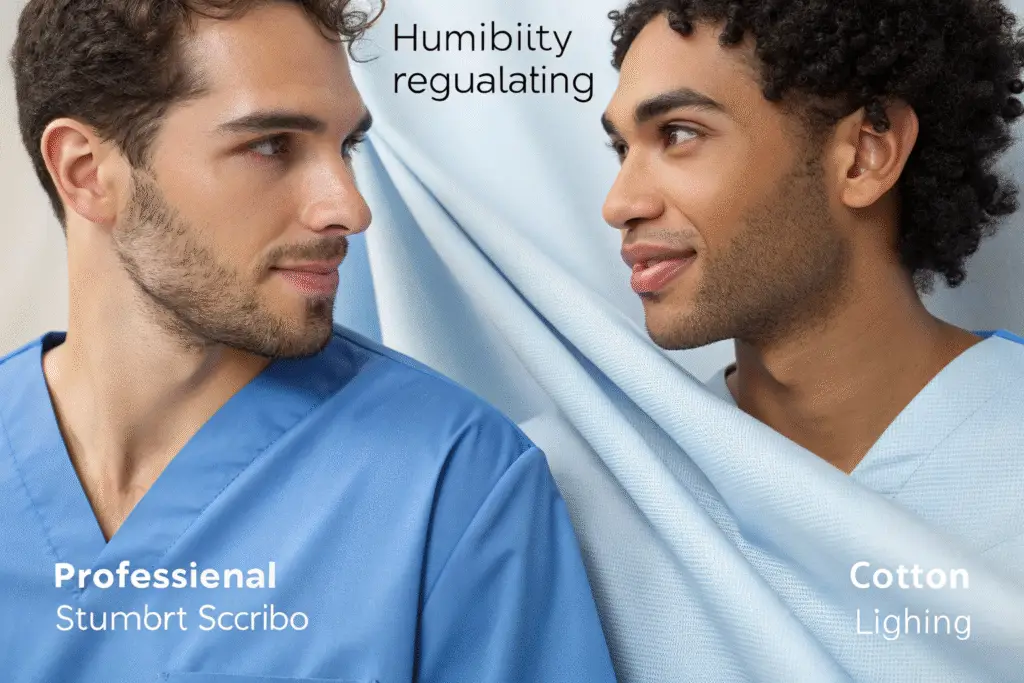
Humidity-regulating scrubs use advanced textiles that manage moisture better than cotton. Instead of holding sweat, they wick it away, dry quickly, and reduce bacterial growth.
How do these fabrics work?
Fabrics with moisture-wicking properties use special fiber structures to pull sweat off the skin. Some include phase-change materials (PCMs) that absorb heat and moisture, then release them slowly to maintain comfort.
Are they different from cotton scrubs?
Yes. Cotton absorbs sweat but dries slowly, leaving skin damp. By contrast, humidity-regulating scrubs dry fast, control odor, and promote hygiene, as noted by Textile World.
Why Do Hospitals Prefer Humidity-Regulating Scrubs?
Hospitals choose scrubs that protect staff and support performance. Moisture control reduces fatigue, improves hygiene, and helps medical teams focus on patient care.

Do they improve staff performance?
Yes. Comfortable clothing reduces distraction and skin irritation, allowing medical teams to perform better. Studies in PubMed confirm the link between textile comfort and work efficiency.
Do they support infection control?
Absolutely. Scrubs that dry quickly limit bacterial growth and align with CDC clothing guidelines for healthcare safety.
How To Source Humidity-Regulating Scrubs From Suppliers?
To source effectively, buyers should confirm supplier expertise, certifications, and reliable logistics.

What certifications should buyers check?
Look for OEKO-TEX Standard 100 and ISO 13485. These prove fabrics are skin-safe and meet healthcare requirements.
How do buyers ensure quality and delivery?
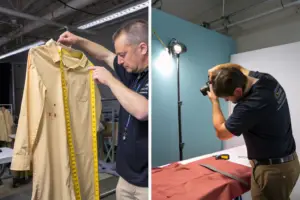
Request testing reports and production samples, and verify lead times. Trustworthy suppliers offer DDP shipping, which simplifies customs. The Global Trade Helpdesk provides sourcing guidance.
Why U.S. Buyers Choose Chinese Manufacturers For Scrubs?
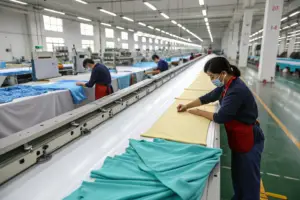
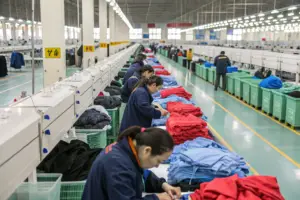
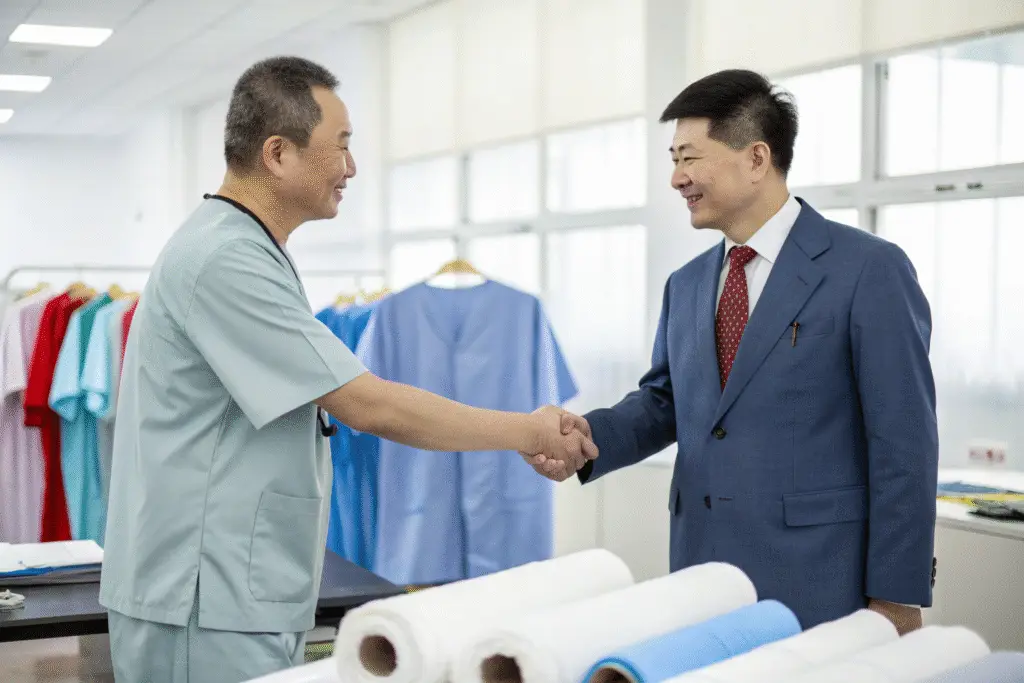
Chinese factories combine cost efficiency with technical expertise. For U.S. buyers, this means better value, fast production, and wide customization options.
Are Chinese suppliers strong in innovation?
Yes. Many invest in R&D for performance textiles like humidity-regulating fabrics. According to Fibre2Fashion, China leads in functional fabric development at scale.
Do they provide customization advantages?
Absolutely. From embroidery to tailored fits, factories with multiple production lines can deliver personalized designs while meeting medical standards.
Conclusion
Humidity-regulating scrubs are more than uniforms—they are tools that improve comfort, hygiene, and efficiency in hospitals.
For U.S. buyers, sourcing from China ensures cost savings, customization, and certification support. At Shanghai Fumao, we specialize in high-performance medical apparel. Contact our Business Director Elaine at elaine@fumaoclothing.com to start your sourcing project.