Sourcing ethical and sustainable garment production has evolved from a niche concern to a business imperative. I've witnessed the transformation from when sustainability was merely a marketing buzzword to today's comprehensive approach that encompasses environmental responsibility, ethical labor practices, and transparent supply chains. Brands that master this aren't just doing good—they're building lasting consumer trust and business resilience.
Sourcing ethical and sustainable garment production requires verifying factory certifications, auditing supply chain transparency, implementing environmental management systems, ensuring fair labor practices, and selecting eco-friendly materials. This comprehensive approach addresses both social responsibility and environmental impact throughout the production lifecycle.
The journey toward sustainable manufacturing involves multiple interconnected decisions, each impacting your brand's environmental footprint and social responsibility. Let me share the practical framework we've developed through our own certification journey and helping brands navigate this complex landscape.
What Certifications Verify Ethical Manufacturing?
Certifications provide third-party verification of a factory's ethical and sustainable practices, but understanding what each certification actually covers is crucial.
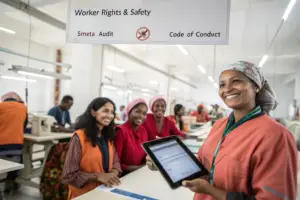
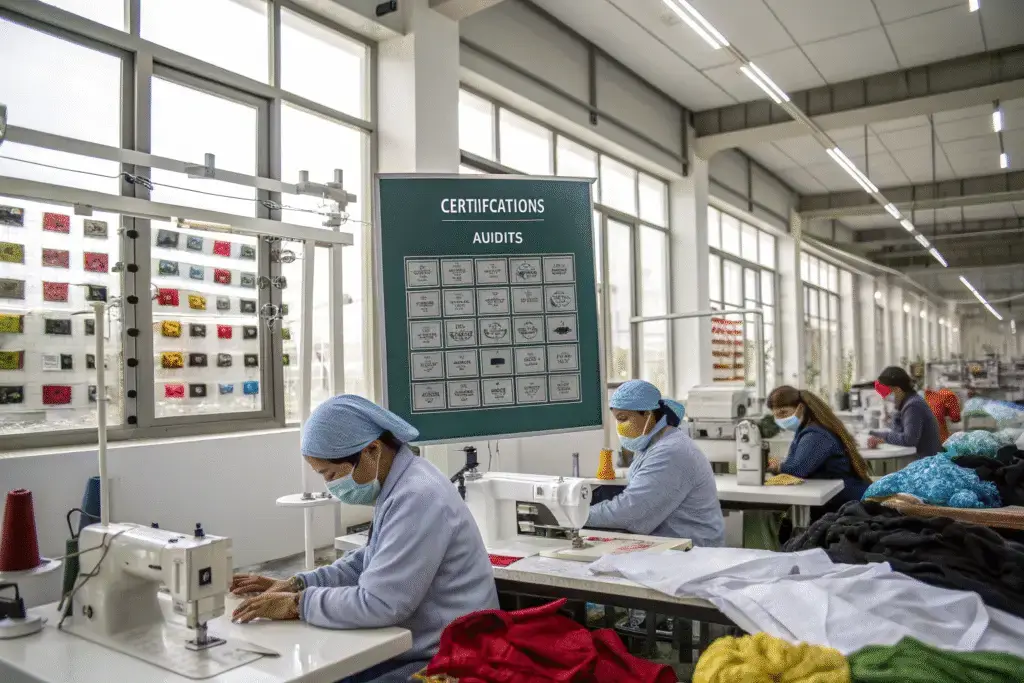
Look for certifications that address both social compliance (labor conditions) and environmental management. The most respected certifications involve regular audits by independent organizations. We maintain SMETA (Sedex) audits, ISO 14001 environmental management, and are working toward BCI (Better Cotton Initiative) certification—each addressing different aspects of sustainability.
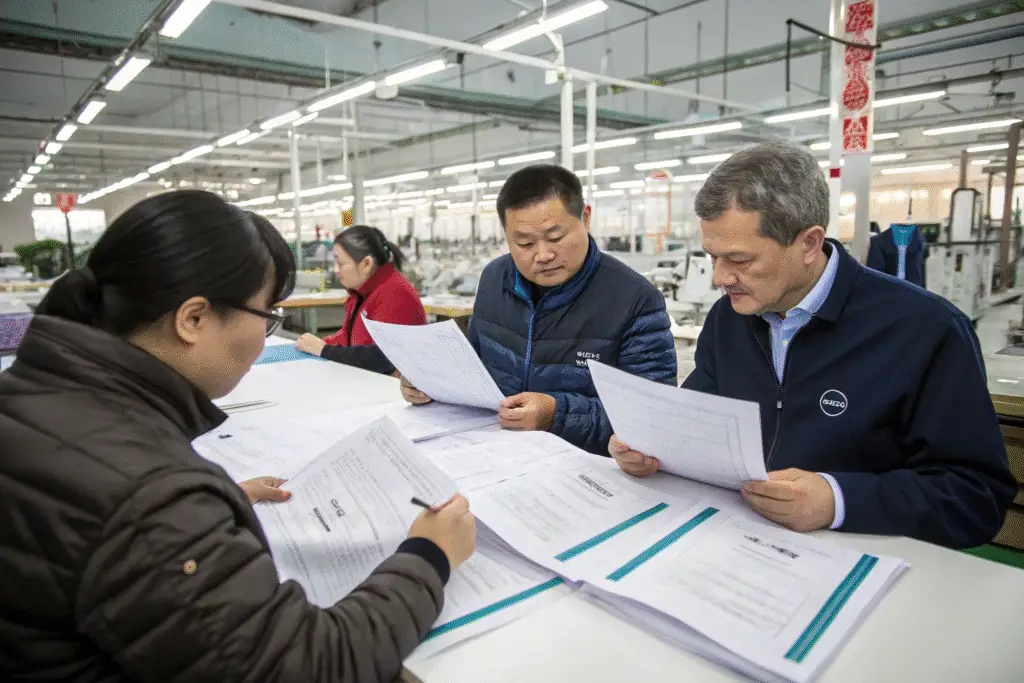
The most respected social compliance certifications include WRAP (Worldwide Responsible Accredited Production), BSCI (Business Social Compliance Initiative), and SA8000. These certifications verify fair labor practices, safe working conditions, and ethical treatment of workers. Our WRAP certification process involved comprehensive assessment of working hours, compensation, and workplace safety—providing clients with verified social responsibility.
What environmental certifications should you prioritize?
Key environmental certifications include ISO 14001 for environmental management systems, GOTS (Global Organic Textile Standard) for organic materials, and Oeko-Tex for chemical safety. Each addresses different environmental aspects. We implemented ISO 14001 to systematically manage our environmental impact, reducing water consumption by 18% and energy use by 12% within two years.
How To Evaluate Factory Working Conditions?
Beyond certifications, direct assessment of working conditions provides crucial insights into a factory's ethical commitment.
Evaluate physical working environment, worker treatment, communication systems, and living conditions when applicable. Look for evidence of genuine commitment rather than compliance minimums. Our open-door policy allows clients to visit anytime, and we've hosted 23 brand-conducted audits in the past year alone.
What indicators reveal genuine ethical commitment?
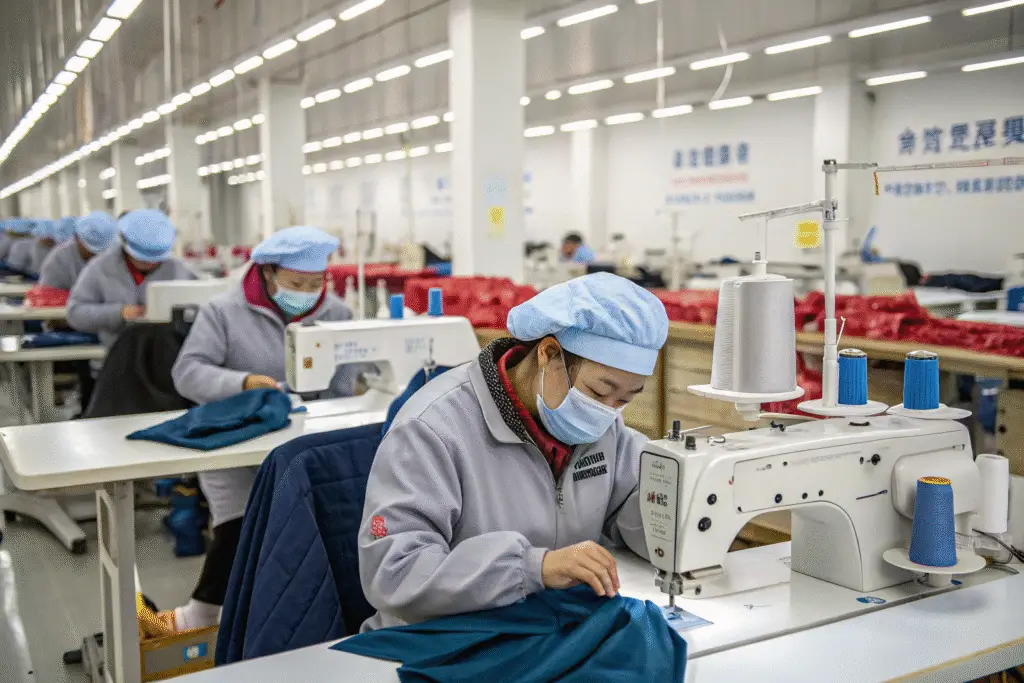
Look for low worker turnover, long-term employment relationships, worker representation systems, and investment in worker development. These factors often indicate better conditions than audit checklists alone. Our average worker tenure of 4.7 years and worker training programs demonstrate our commitment beyond compliance requirements.
How to assess wage fairness and working hours?
Review payroll records, time cards, and interview workers confidentially. Ensure wages meet or exceed legal minimums and working hours comply with local laws and international standards. Our wage structure includes productivity incentives and regularly benchmarks against living wage calculations for our region.
What Sustainable Material Options Are Available?
Material selection represents 60-80% of a garment's environmental footprint, making this one of your most significant sustainability decisions.
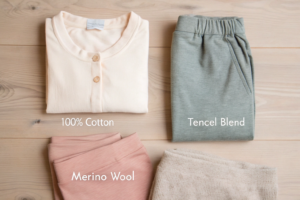
Sustainable material options include organic fibers, recycled materials, innovative alternatives, and responsibly sourced conventional materials. Each option has different environmental benefits and trade-offs. We've developed a sustainable material library that helps clients make informed choices based on their specific sustainability priorities.
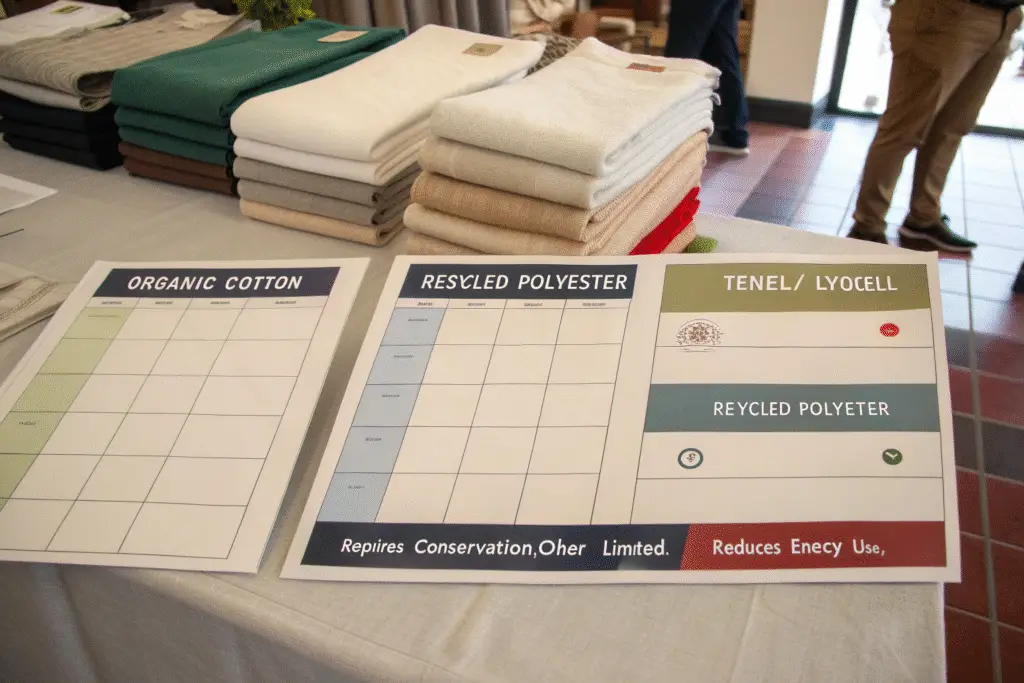
| Material Type | Environmental Benefits | Considerations |
|---|---|---|
| Organic Cotton | Reduced pesticide use, water conservation | Higher cost, limited supply |
| Recycled Polyester | Diverts plastic waste, reduces energy use | Recycling infrastructure limitations |
| Tencel/Lyocell | Closed-loop production, sustainable sourcing | Specialized care requirements |
| Hemp | Low water needs, no pesticides | Limited softness, blending required |
How does organic cotton differ from conventional?
Organic cotton cultivation prohibits synthetic pesticides and fertilizers, uses less water, and maintains soil health through crop rotation. The Global Organic Textile Standard certification ensures integrity from farming through final product. We've helped clients transition to organic cotton, with one brand achieving 35% lower water footprint across their collection.
What are the benefits of recycled synthetic materials?
Recycled polyester and nylon reduce plastic waste in landfills and oceans while using significantly less energy than virgin production—up to 50% less for recycled polyester. Our recycled material sourcing includes traceability verification to ensure material authenticity and environmental benefit.
How To Implement Environmental Management?
Environmental management extends beyond material selection to include production processes, energy use, water management, and waste reduction.
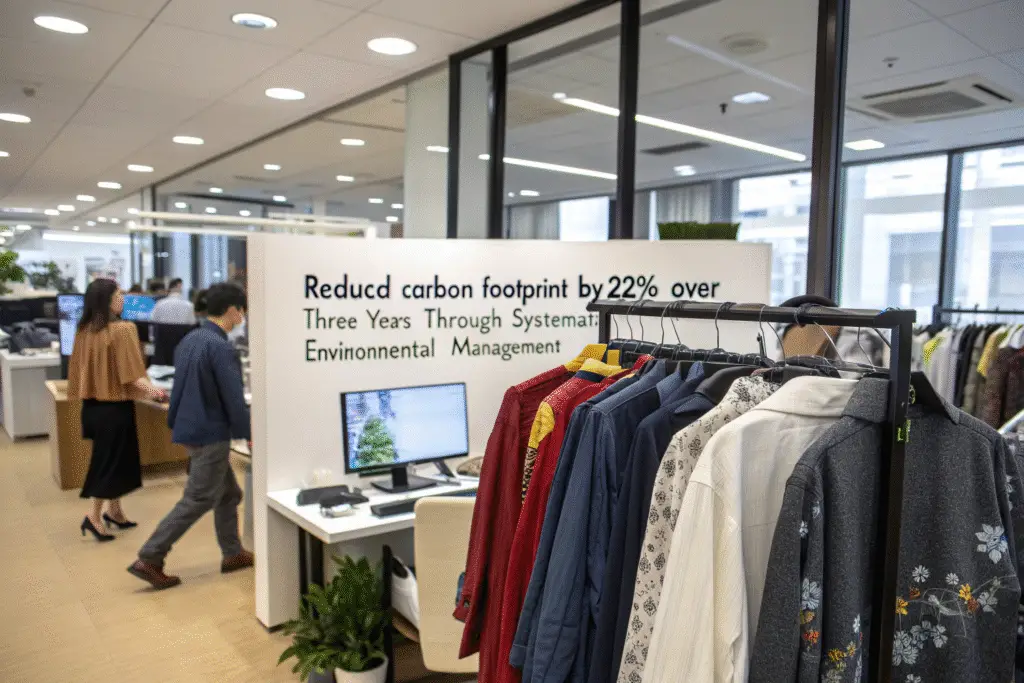
Effective environmental management requires measuring impacts, setting reduction targets, implementing improvements, and tracking progress. We've reduced our carbon footprint by 22% over three years through systematic environmental management.
What water conservation practices are most effective?
Water conservation includes recycling process water, using low-liquor ratio dyeing machines, and implementing waterless dyeing technologies where feasible. Our water recycling system treats and reuses 40% of process water, reducing freshwater consumption while maintaining quality standards.
How can energy efficiency be improved in manufacturing?
Energy efficiency improvements include LED lighting, efficient motors, heat recovery systems, and renewable energy installation. We've installed solar panels that provide 15% of our energy needs and are implementing energy management systems to further reduce consumption.
What Supply Chain Transparency Is Necessary?
True sustainability requires transparency throughout your supply chain, not just at the final manufacturing stage.
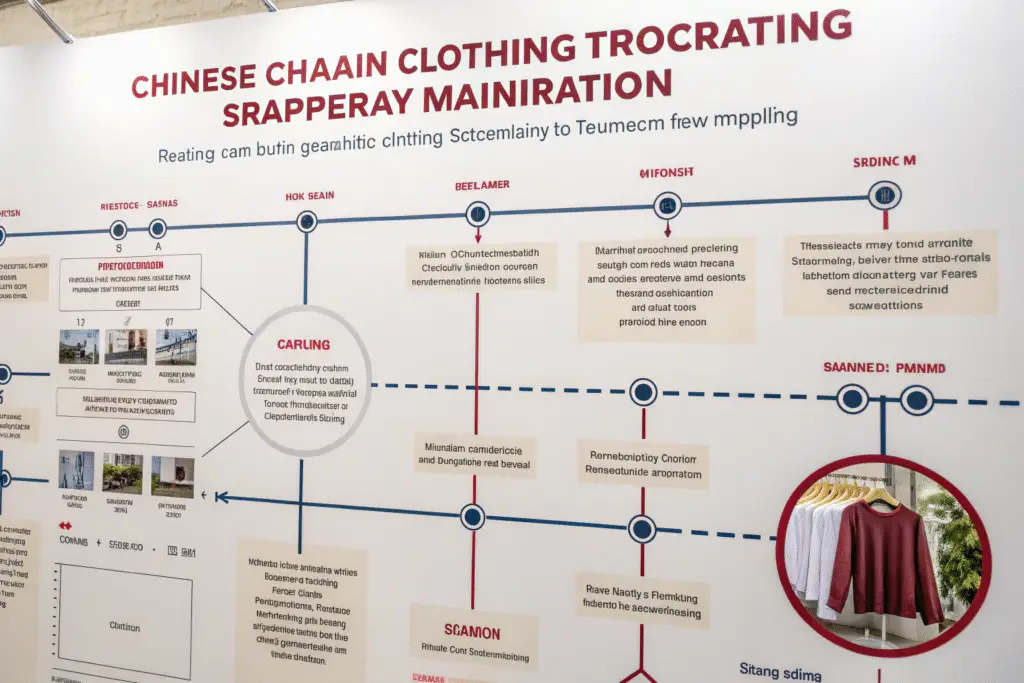
Supply chain transparency involves mapping your entire production chain from raw material to finished product, including all subcontractors and component suppliers. We provide clients with detailed supply chain mapping for each of their products.
How to trace materials to their origin?
Material tracing requires documentation at each transfer point, from farm through spinning, weaving, dyeing, and finishing. Technologies like blockchain are increasingly used for this purpose. Our fabric traceability system provides clients with origin information for their materials, with some organic cottons traceable to specific farming cooperatives.
What information should transparent factories provide?
Transparent factories should provide audit reports, certification details, supply chain maps, environmental impact data, and social compliance documentation. We maintain a digital transparency portal where clients can access current compliance documentation and production data for their orders.
How To Measure and Verify Sustainability Claims?
Measuring sustainability performance requires established metrics, regular monitoring, and third-party verification where possible.
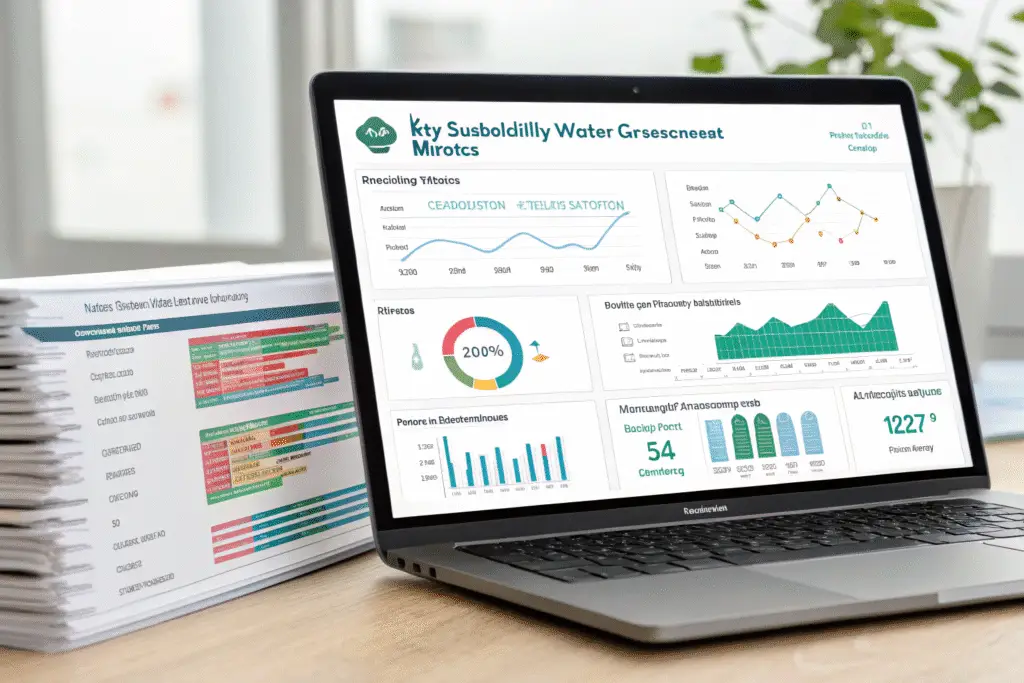
Key metrics include carbon footprint, water usage, waste generation, chemical management, and social compliance indicators. Each should be tracked over time to measure improvement. We provide clients with quarterly sustainability performance reports for their production.
What are the most important sustainability metrics?
The most valuable metrics include carbon emissions (kg CO2 per garment), water consumption (liters per garment), waste-to-landfill percentage, and energy use. Our environmental metrics tracking has identified unexpected improvement opportunities, like reducing compressed air leaks that saved 8% in energy costs.
How to verify sustainability claims beyond certifications?
Verification methods include independent audits, supply chain visits, worker interviews, and reviewing production data. Digital monitoring systems can provide real-time verification. We use third-party verification services for our key environmental claims, providing clients with additional assurance beyond our internal reporting.
Conclusion
Sourcing ethical and sustainable garment production requires a comprehensive approach that addresses environmental responsibility, social equity, and economic viability simultaneously. The most successful brands integrate sustainability into their core business strategy rather than treating it as a separate initiative.
The journey toward sustainable manufacturing is ongoing, with new technologies, materials, and practices continuously emerging. Brands that build transparent, collaborative relationships with their manufacturing partners are best positioned to navigate this evolving landscape and meet growing consumer expectations for responsible production.
If you're looking to transition to more ethical and sustainable production, we can guide you through the practical steps and decisions involved. At Fumao Clothing, we've invested in the certifications, systems, and expertise to help brands achieve their sustainability goals without compromising quality or reliability. Contact our Business Director, Elaine, at elaine@fumaoclothing.com to discuss your sustainable production objectives.