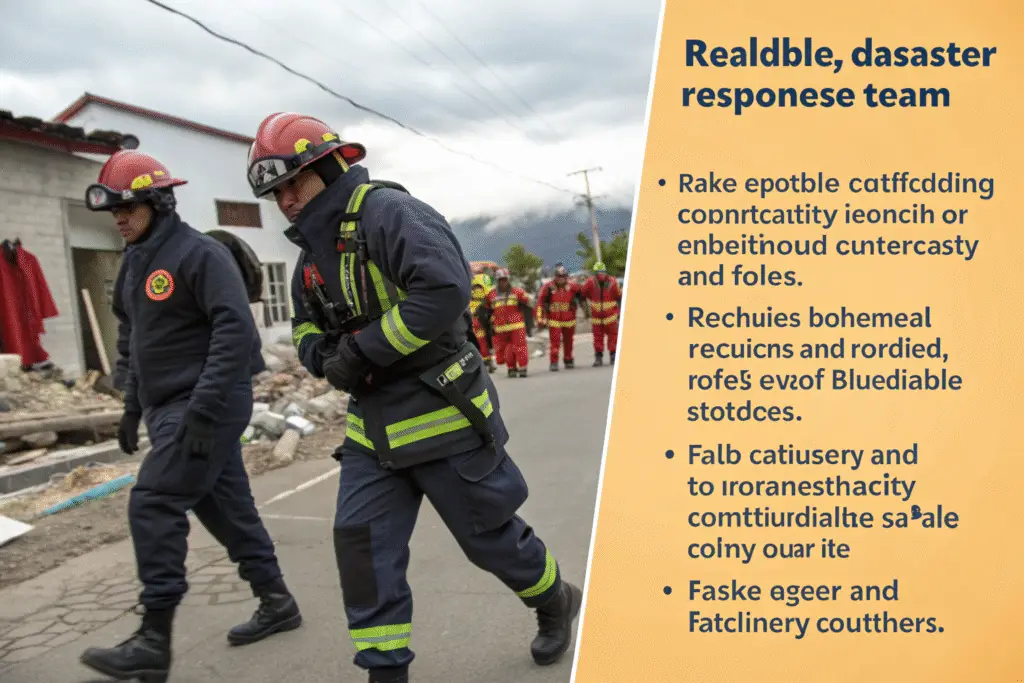
When disaster strikes, response teams and communities need gear they can trust. Clothing designed for earthquake scenarios must be durable, functional, and comfortable under pressure. However, finding the right suppliers and ensuring the apparel meets strict safety standards is not easy. Many buyers encounter issues such as unreliable factories, fake certificates, and shipment delays.
The key to sourcing earthquake-response adaptive clothing is choosing durable materials, verifying safety certifications, working with trusted manufacturers, and adding practical custom features.
By understanding these factors, buyers can avoid common sourcing pitfalls and secure garments that truly perform in emergencies.
What Materials Are Best For Earthquake-Response Clothing?
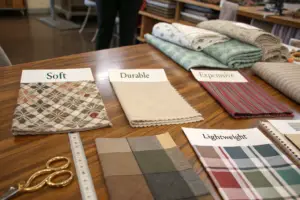
Selecting the right fabrics is the foundation of reliable disaster apparel. Poor materials can tear, burn, or absorb water, putting lives at risk. Buyers often struggle with textiles that promise durability but fail during real use.
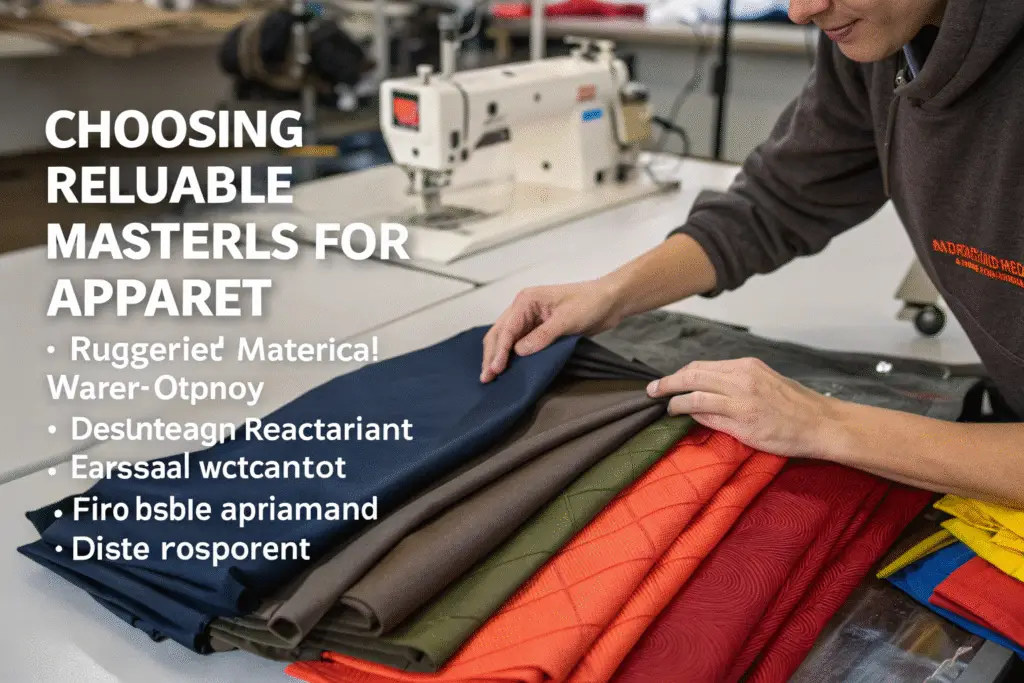
The best choices are ripstop synthetics, flame-retardant fabrics, and water-repellent blends that combine strength with comfort.
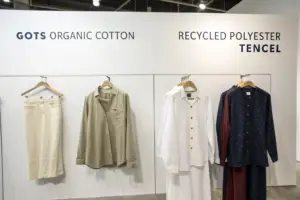
Modern materials offer both resilience and wearability. Polyester blends with ripstop reinforcement prevent tearing. Flame-retardant coatings, certified under NFPA 2112, protect against fire hazards. Moisture-wicking layers improve comfort for long operations in unpredictable weather.
Why Is Durability Essential In Disaster Zones?
Rescue missions take place among debris, broken glass, and sharp edges. Clothing must endure these conditions without constant replacement. Ripstop nylon and abrasion-resistant coatings provide long-lasting protection. Many buyers rely on textile strength tests from ASTM International to validate performance before bulk production.
Can Comfort And Protection Work Together?
Yes. Cotton-polyester blends balance softness with resilience, while stretch fibers allow flexibility during rescue work. Buyers should request independent lab results, such as those from SGS, to confirm both durability and comfort standards.
How To Ensure Clothing Meets Safety Standards?
Sourcing without compliance checks risks both safety and legal problems. Reliable disaster apparel must follow international standards for visibility, flame resistance, and environmental safety.
Buyers should request clear certification documents from suppliers and verify their authenticity with issuing bodies.
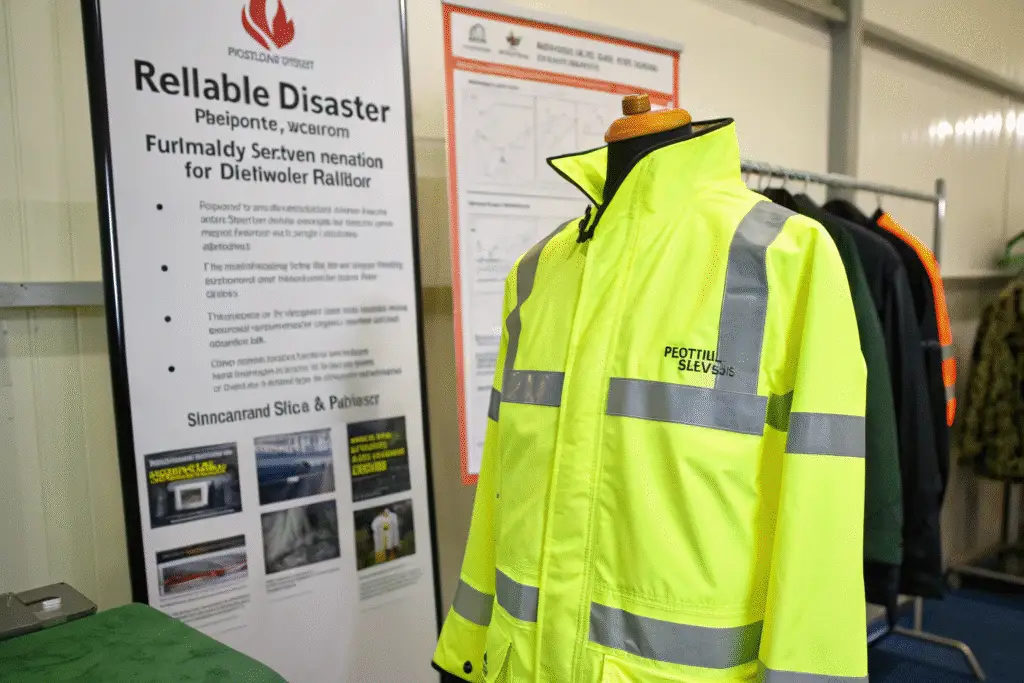
Standards vary by region but serve the same purpose: ensuring garments perform under stress. In the U.S., ANSI/ISEA 107 governs high-visibility clothing. In Europe, EN ISO 20471 applies to reflective gear. Across markets, OEKO-TEX Standard 100 ensures fabrics are safe for direct skin contact.
What Certifications Should Be Prioritized?
Essential documents include flame-resistance compliance, visibility certification, and proof of chemical safety. For smoother customs clearance, ask for REACH compliance in Europe or OSHA alignment in the U.S. These certifications protect workers and help buyers avoid shipment delays.
How To Confirm Certificates Are Real?
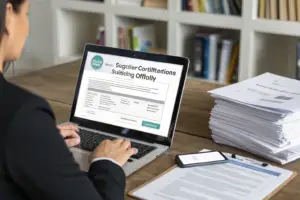
Counterfeit certificates are common. Buyers should verify them through issuing organizations’ online databases. Independent audits from companies like Intertek also confirm authenticity before large-scale orders.
Where To Find Reliable Adaptive Clothing Manufacturers?
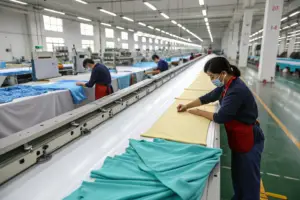
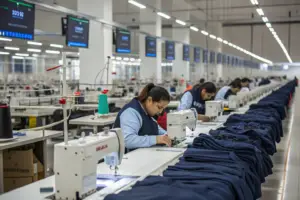
Not every apparel supplier can meet disaster-response needs. Many factories focus on fashion or basic uniforms but lack the expertise for specialized clothing.
The best partners are manufacturers with experience in safety gear, military apparel, or industrial uniforms.
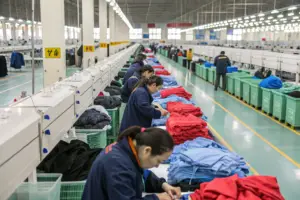
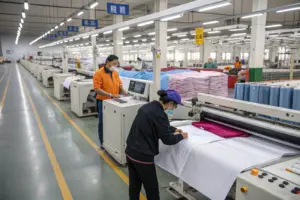
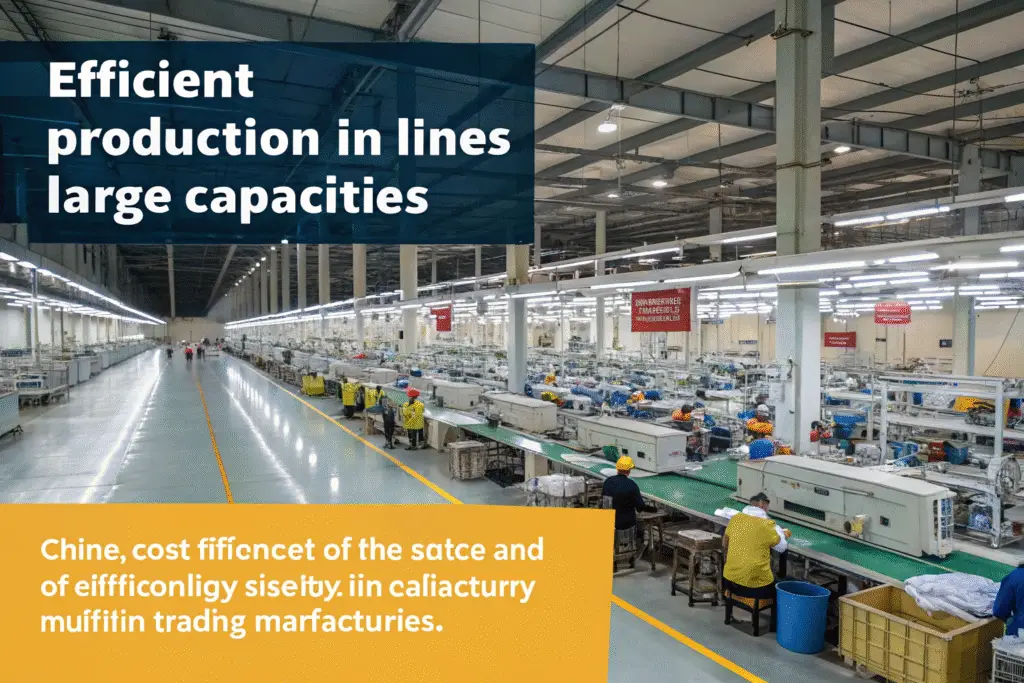
Factories in China, Vietnam, and India dominate production thanks to cost efficiency and capacity. The challenge lies in selecting those with genuine capabilities, not trading firms posing as manufacturers.
Are Trade Shows Useful For Sourcing?
Yes. Events like Canton Fair and MAGIC Las Vegas allow buyers to inspect samples and speak directly with suppliers. This personal contact reduces risk and provides insight into a factory’s flexibility and product range.
How Can Buyers Evaluate Factory Capabilities?
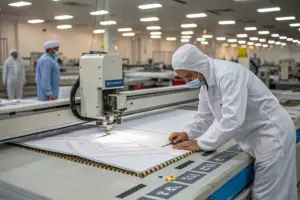
Site visits remain ideal, but if travel is impossible, live video tours and detailed factory photos can help. Confirming ISO 9001 certification and asking for existing client references is crucial. Platforms such as Alibaba and Global Sources also provide third-party audit reports to confirm legitimacy.
What Customization Options Improve Functionality?
Generic uniforms are not enough for earthquake response. Buyers must consider practical modifications that directly improve rescue efficiency.
Key customizations include reflective strips, detachable hoods, multifunctional pockets, and reinforced stitching.
Features must serve real needs. Practical designs can make the difference between a garment that protects and one that hinders.
Which Features Add The Most Value?
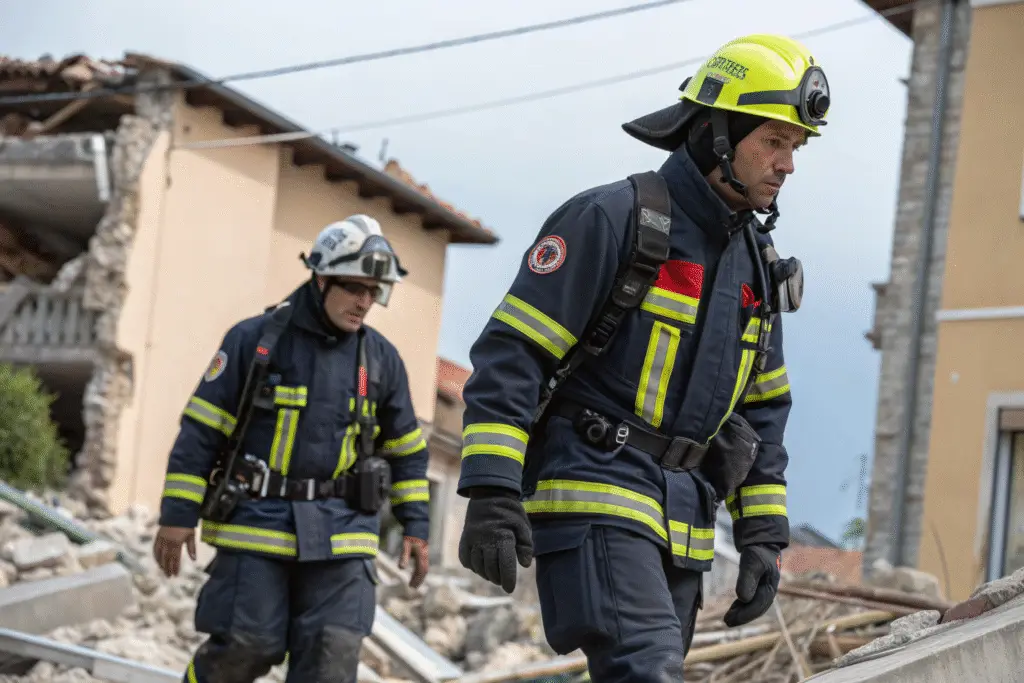
Rescue gear requires reinforced pockets for tools, loops for securing equipment, and modular layers for different climates. RFID tags help track inventory, as commonly seen in supply chain logistics. Reflective trims, when certified under ANSI standards, guarantee visibility during night operations.
How Can Branding Be Integrated With Safety?
Logos can be applied without compromising visibility by using reflective heat-transfer materials. Factories with expertise in custom logo apparel production combine branding with compliance. Brands like Red Kap already integrate logos into durable workwear, showing how function and marketing can coexist.
Conclusion
Sourcing earthquake-response adaptive clothing is about making smart, evidence-based decisions. Buyers must focus on durable fabrics, reliable certifications, trusted factories, and practical customizations. Skipping any step risks unreliable products that fail when most needed.
At Shanghai Fumao Clothing, we specialize in high-quality manufacturing for international markets. With five production lines, strict quality control, and proven export experience, we are ready to support apparel companies seeking reliable adaptive clothing. For inquiries, please contact our Business Director, Elaine, at elaine@fumaoclothing.com.