You don’t make money from rental garments that wear out after five uses—you lose it.
To succeed in rental fashion, sourcing must focus on long-lasting materials, smart construction, and manufacturers with experience in high-wear apparel. Quality is not a nice-to-have—it’s the business model.
In this guide, I’ll show you how to choose the right fabrics, testing methods, and production partners to build a rental wardrobe that can survive 30+ rental cycles without compromising style or comfort.
Best Fabrics for Long-Lasting Rental Clothing
Cheap fabrics fade, pill, and tear. Rental garments need tougher fibers that hold up under stress.
The best fabrics for rental use combine durability, washability, wrinkle resistance, and long-term color retention. Synthetics and technical blends perform better than most naturals.

What characteristics should rental-ready fabrics have to ensure extended lifespan?
To survive commercial laundry cycles, repeated wear, and constant movement, fabrics must meet four main criteria:
| Fabric Property | Requirement for Rental Use |
|---|---|
| Abrasion Resistance | 20,000+ Martindale or Wyzenbeek cycles |
| Colorfastness | Grade 4+ after detergent and UV exposure |
| Wrinkle Recovery | 80%+ wrinkle resistance post-wash |
| Shrinkage Tolerance | Less than 3% after multiple wash cycles |
At Fumao, we often recommend the following fabrics:
| Fabric Type | Performance Strengths |
|---|---|
| Recycled Polyester | Fade-resistant, stain-resistant, strong weaves |
| Nylon-Spandex Blends | High stretch, fast drying, excellent recovery |
| TENCEL™ Modal | Soft, breathable, eco-friendly, colorfast |
| Twill Weave Rayon | Anti-pilling, structured drape, good for tailoring |
We once helped a bridal rental company switch from cotton sateen to poly-rayon blends—their gowns lasted twice as long, and customer complaints dropped by half.
How can rental brands balance performance with comfort when selecting fabric?
Performance doesn’t have to mean plastic-feeling garments. At Fumao, we blend functionality and comfort by:
- Using brushed polyester surfaces
- Adding elastane to increase movement
- Treating fabrics with eco-safe softeners
- Laminating linings only where needed
The result: garments that feel luxe but hold up to constant wear and tear.
Key Durability Tests for Rental Garment Quality Control
What you don’t test will cost you later. You can’t guess durability—you must prove it.
Durability testing helps rental brands catch weak points before production, reduce returns, and ensure their clothes survive 20, 30, or even 50 uses.

Which lab tests should every rental garment go through before scaling production?
Here’s the minimum quality control checklist we run at Fumao for rental-focused clients:
| Test Name | Standard | Purpose |
|---|---|---|
| Abrasion Resistance | ISO 12947 / ASTM D4966 | Ensures fabric survives repeated rubbing |
| Tear Strength | ASTM D2261 | Verifies resistance to rips at stress points |
| Seam Slippage | ISO 13936 | Measures seam durability under pressure |
| Pilling Resistance | ASTM D3512 | Tests fabric against surface fuzzing |
| Colorfastness to Washing | ISO 105-C06 | Checks for fading after laundering |
| Shrinkage Control | ISO 6330 | Measures dimensional stability |
We also recommend zipper cycling tests, especially for coats and jumpsuits.
How does regular batch testing improve long-term rental success?
One of our Scandinavian rental clients saved over $15,000 in repairs last year by implementing mid-production testing with us. Instead of catching issues post-sale, we paused one order after a seam failure rate of 8%. Adjustments were made in real time.
Testing protects your margins, ensures better user reviews, and proves your brand’s commitment to quality.
How to Vet Factories for High-Wear Apparel Production
Not all factories are equipped to make clothes that last beyond a season.
To produce durable rental garments, brands must work with factories that specialize in technical construction, strict quality control, and commercial-grade materials.

What factory capabilities indicate they are ready for rental-grade production?
Look for the following indicators during your sourcing process:
| Capability | Why It Matters |
|---|---|
| In-house Sewing Lines | Better stitch control and consistency |
| Bar Tack & Reinforcement Tech | Ensures stress points don’t fail |
| Industrial Wash Simulation | Mimics real-world wear during prototyping |
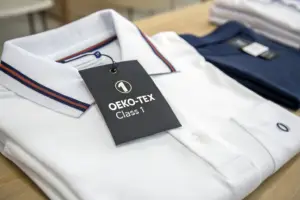
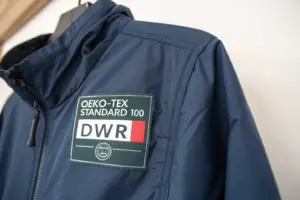
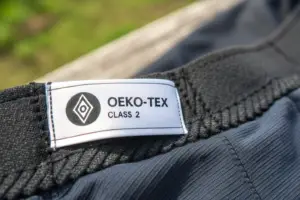
| ISO- or OEKO-TEX-Certified | Compliance and fabric quality assurance |
| Dedicated QC Team | Reduces defect rates and ensures spec alignment |
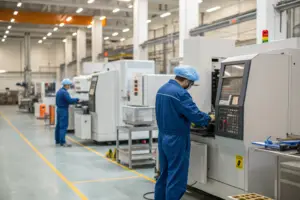
At Fumao, we maintain five dedicated production lines for long-wear garments. These are staffed with senior sewers who specialize in outerwear, uniforms, and high-frequency rental items.
What questions should rental brands ask during factory audits or virtual tours?
Ask:
- “Do you have experience producing uniforms, workwear, or rental clothing?”
- “How do you test for seam durability?”
- “Can I see your last three QC inspection reports?”
- “Do you offer material traceability or lab test reports with each batch?”
One client told me the reason they chose Fumao over a cheaper factory was simple: we were the only ones who let them audit our sewing stations via livestream.
Design Features That Extend Garment Lifespan in Rentals
Even good fabric fails when the design doesn’t account for wear and tear.
Smart garment design—like reinforced pockets, avoidable closures, and modular components—can drastically extend rental clothing lifespan.

What specific design elements can help rental garments survive longer?
Here’s what we recommend and apply for most rental projects:
| Design Feature | Functionality Benefit |
|---|---|
| Bar Tack Stitching | Reinforces stress zones (pockets, belt loops) |
| Covered Zippers | Protects from wear and prevents snags |
| Modular Panels | Easier to repair/replace worn-out sections |
| Avoiding Fragile Closures | Snaps over buttons for high-stress areas |
| Lining Where Needed | Prevents see-through and reduces surface wear |
When we helped an events rental company redesign their suiting range, we changed their back vents to double-reinforced splits and replaced polyester lining with recycled acetate. Return damage dropped by 37%.
How should designers think about aesthetics vs durability?
You can—and should—have both. It’s about intelligent styling, not sacrificing beauty:
- Hide reinforcements under facings or seam tapes
- Use thicker thread for topstitching in matching tones
- Design for “camera-ready” looks that hold up close
Durability doesn't mean heavy or ugly—it means engineered beauty.
Conclusion
Sourcing for rental isn’t about fast fashion—it’s about forever fashion. Choose the right fabrics, run the right tests, and work with factories that treat durability as a feature, not an afterthought. Your brand—and your bottom line—will thank you.