The rise of unisex fashion marks one of the most important shifts in today’s apparel industry. Instead of designing clothes strictly for men or women, brands are offering gender-neutral, versatile styles that appeal to a wider customer base. According to Statista, the U.S. unisex apparel segment grew by more than 6% in 2023, driven by Gen Z’s preference for inclusivity, sustainability, and individuality. For buyers and brand owners, this trend creates new opportunities but also requires thoughtful sourcing strategies.
Sourcing customizable unisex fashion lines involves more than just finding a supplier. It requires aligning your brand identity with the right manufacturers, setting clear customization expectations, testing product quality, and building long-term partnerships. Done correctly, this process ensures your collections are both profitable and culturally relevant.
Define Your Brand Identity & Customization Scope
Every successful fashion line starts with a clear definition of what makes it unique. For unisex apparel, this begins with asking: What role does inclusivity play in your brand identity, and how much customization do you want to offer?
For example, an emerging Los Angeles streetwear label built its reputation around oversized T-shirts and hoodies. They offered buyers the option to select organic cotton or recycled polyester, choose from five muted colors, and add embroidered logos. This flexibility aligned with the brand’s mission to deliver eco-friendly urban wear while allowing wholesale clients to tailor products for their audiences.
How Can You Translate Vision Into Technical Specs?
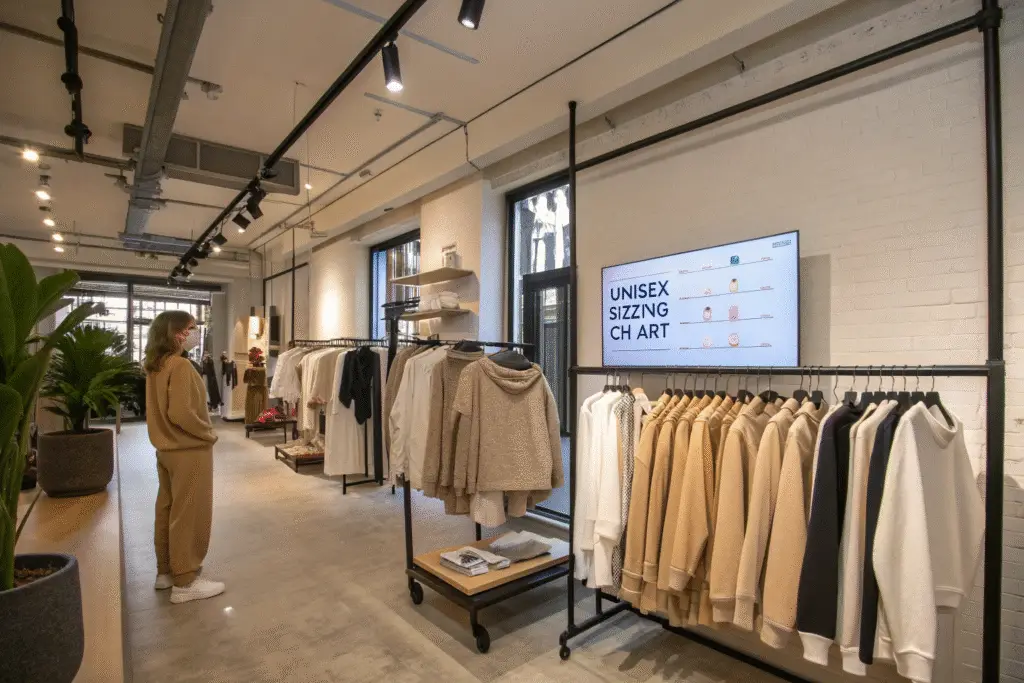
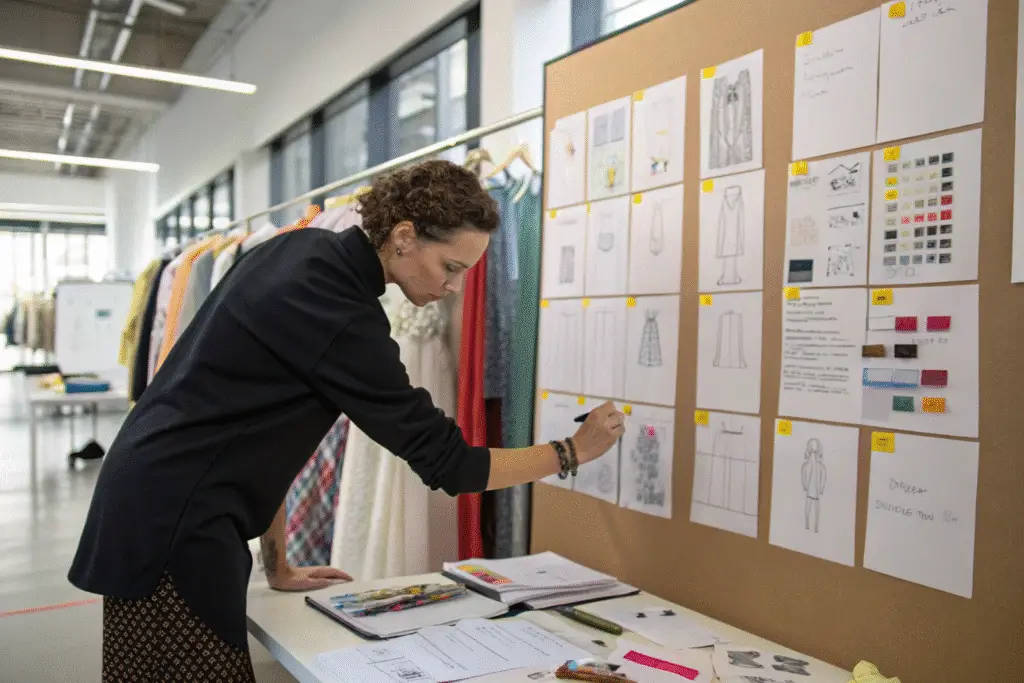
Creating a tech pack is the most effective way to communicate with suppliers. It includes sketches, detailed measurements, fabrics, trims, and color references. A complete unisex sizing chart that accounts for different body proportions ensures garments drape well across genders. For instance, Better Cotton Initiative data can be included to prove fiber sustainability.
Why Is Customization Key for Buyer Confidence?
Customizable elements like fabric weight, trims, or embroidery placement give buyers flexibility while maintaining your brand’s identity. A Berlin lifestyle brand added custom woven labels for each client, which increased wholesale pre-orders by 22% in their first year. This proves that personalization adds measurable business value.
Research and Shortlist Suppliers With Relevant Capabilities
Finding the right supplier is critical. Many manufacturers specialize in either menswear or womenswear and may struggle to produce balanced unisex silhouettes. You need factories with proven adaptability.
Platforms like Alibaba or Made-in-China are useful for initial searches, but niche resources offer deeper insights. For example, Archie Sourcing provides tutorials on evaluating fashion suppliers in China. Meanwhile, Tradegood connects buyers with vetted suppliers across more than 100 countries, offering filters for sustainability certifications and MOQs.
How Do You Evaluate Supplier Experience?
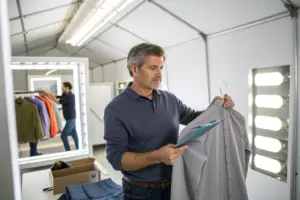
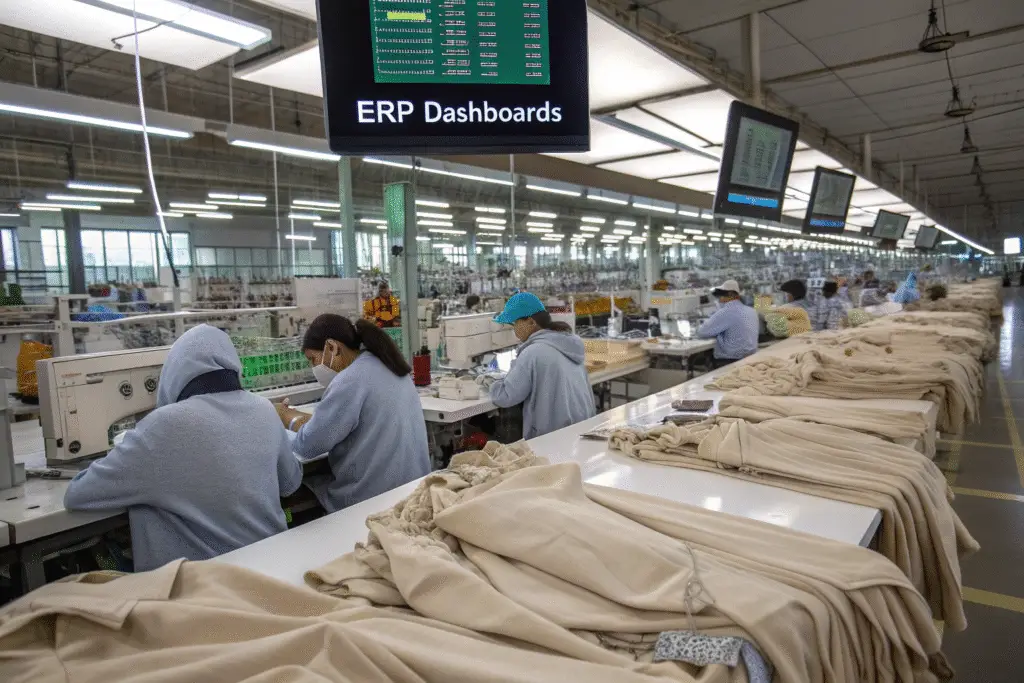
Look for case studies or references. A New York athleisure startup found a Guangzhou factory already producing gender-neutral loungewear for Korean brands. This experience reduced training costs and accelerated development. Suppliers should also demonstrate knowledge of certifications like WRAP or OEKO-TEX.
Why Does Shortlisting Improve Efficiency?
By narrowing down to 5–7 suppliers, you avoid wasted communication with factories that cannot deliver your needs. According to Euratex, structured supplier shortlisting reduces sourcing lead times by 30%, giving brands faster access to market opportunities.
Request Proposals (RFPs) With Detailed Specifications
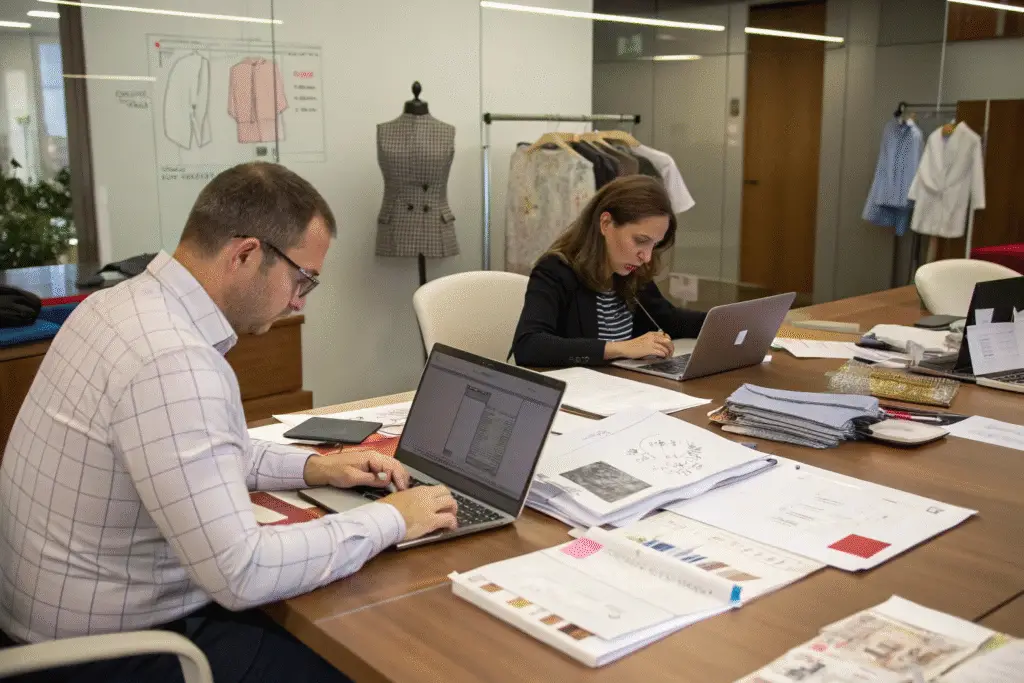
Once you identify potential suppliers, issue RFPs (Request for Proposals). A casual inquiry will not get results—suppliers need specifics to provide accurate quotes and realistic timelines.
Your RFP should include:
- Tech pack with sketches and measurements
- Customization options such as Pantone colors or embroidery threads
- Target order volume (e.g., 500–1,000 units)
- Lead time expectations and delivery deadlines
- Quality standards such as AQL 2.5 inspection criteria
How Do Detailed RFPs Save Money?
A U.K. brand saved 15% on unit costs by specifying exact GSM (grams per square meter) for fabrics in its RFP. Without those details, factories often overquote to cover uncertainties. Clear requests prevent unnecessary cost padding.
Why Should RFPs Include Customization Levels?
Suppliers charge differently for embroidery, screen printing, or woven labels. By clarifying customization upfront, you avoid “hidden charges” later. Shopify highlights that unclear customization requests are a leading cause of sourcing disputes.
Order Samples and Evaluate Quality
Samples are your only guarantee before committing to bulk orders. For unisex lines, it’s especially important to ensure fit, drape, and durability across body types.
You should:
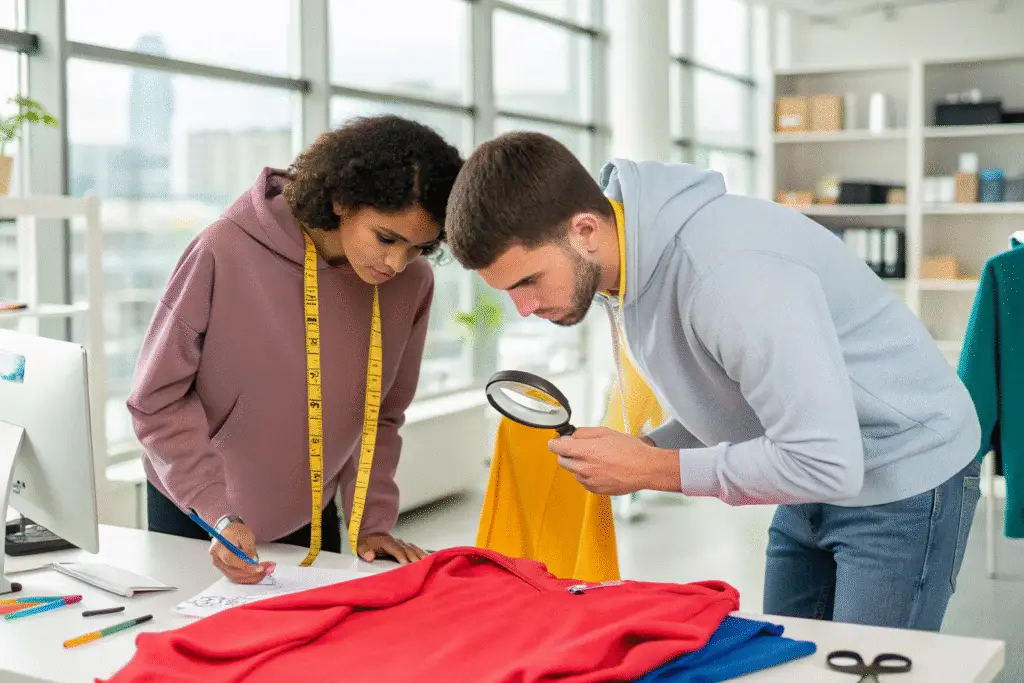
- Request samples in at least three sizes for both slim and broad figures
- Perform wash and stretch tests for fabric durability
- Check embroidery alignment and print sharpness
- Use third-party QC services such as SGS or Intertek if you cannot inspect personally
How Do Sample Tests Prevent Brand Risk?
A London streetwear company discovered loose stitching tension on hoodie cuffs during sample inspection. If unchecked, it could have caused thousands of returns. Catching this flaw early saved them over $20,000 in potential losses.
Why Are Fit Samples Crucial for Unisex Apparel?
Fit issues are more visible in unisex styles. Oversized fits may look good on taller men but overwhelm petite women. By testing across varied body types, you ensure inclusivity. Successful Fashion Designer emphasizes fit sampling as the cornerstone of apparel quality.
Negotiate Pricing, Terms, and MOQs
Negotiation is an art that determines profitability. Unisex apparel often requires flexibility with MOQ because of varied sizes and customization.
Topics to address:
- MOQ adjustments—can 400 units replace the standard 1,000?
- Lead time guarantees—can small runs be expedited?
- Additional fees for customization

How Can MOQ Flexibility Support Growth?
A Berlin startup convinced its supplier to reduce MOQ by promising quarterly reorders. This compromise lowered financial risk and let the brand test new colorways without excess stock.
Why Does Negotiating Lead Times Matter?
In fast fashion, missing a season means losing sales. One U.S. distributor negotiated 8-week lead times instead of 12 by agreeing to share freight costs. This enabled them to hit back-to-school demand windows.
Prioritize Sustainable and Ethical Sourcing
Consumers increasingly demand transparency. Unisex lines often appeal to socially conscious buyers, making sustainability a key differentiator.
Factories offering:
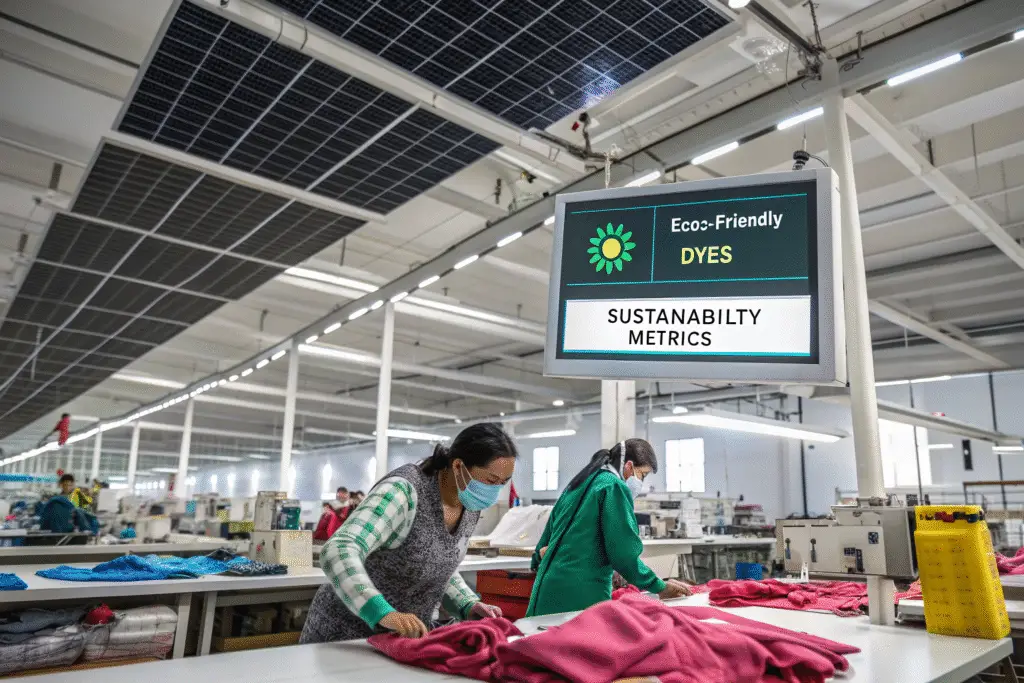
- Organic fabrics certified by GOTS
- Recycled polyester (RPET) from bottles
- Low-water dyeing techniques
- Fair Trade or WRAP certifications
are more likely to win contracts with global retailers.
How Does Sustainability Impact Sales?
According to Deloitte, brands that demonstrate ESG compliance enjoy 5–10% higher sales growth. For unisex apparel, which already targets progressive consumers, eco-friendly sourcing can directly increase demand.
Why Are Certifications Non-Negotiable?
Certifications like OEKO-TEX prove safety and environmental responsibility. Without them, European buyers may reject shipments. One Indian supplier lost a €1.5M contract after failing OEKO-TEX audits.
Build Strategic Supplier Relationships
Long-term relationships reduce friction, improve quality, and increase flexibility.
Brands like AGI Denim (Pakistan) have shown that building local, long-term partnerships reduces average lead times by 20% and improves traceability.

How Does Trust Influence Production?
Suppliers prioritize trusted clients. A Canadian sportswear brand consistently paid invoices early, and in return, their factory agreed to prioritize urgent orders during peak season.
Why Should You Visit Factories?
Factory visits allow you to verify working conditions. A New York buyer discovered subcontracting during an unannounced visit—an issue that could have damaged their brand reputation.
Pilot and Iterate Before Scaling
Instead of launching 20 designs, start with a capsule collection of 3–5 items. This reduces risk and gathers valuable market feedback.
How Can Pilots Improve Design Accuracy?
A Canadian brand tested 3 unisex basics in two colors. Customer surveys revealed the hoodies ran too long for shorter buyers. By adjusting the pattern in the next run, they improved satisfaction scores by 18%.
Why Does Iteration Protect Cash Flow?
Scaling without testing ties up capital in unsold stock. Iterative sourcing ensures collections grow sustainably. According to Vogue Business, brands that pilot first reduce unsold inventory by up to 25%.
Conclusion
Sourcing customizable unisex fashion lines requires a balance of creativity, clarity, and careful supplier management.
- Define your brand identity and customization scope with precision.
- Research and shortlist suppliers with unisex expertise and certifications.
- Use detailed RFPs and sample testing to ensure accuracy.
- Negotiate MOQs, pricing, and lead times strategically.
- Embed sustainability to meet consumer and regulatory demands.
- Build long-term partnerships to secure flexibility and trust.
- Pilot capsule collections to minimize risk and maximize learning.
Unisex fashion represents inclusivity, adaptability, and sustainability—all values driving the modern apparel industry. By sourcing strategically, you can launch lines that not only meet demand but also stand out in a competitive global market.
At Shanghai Fumao Clothing, we specialize in manufacturing customizable apparel, including unisex collections, with a strong focus on quality, sustainability, and timely delivery. If you’re ready to bring your vision to life, contact our Business Director Elaine at elaine@fumaoclothing.com to explore how we can collaborate.