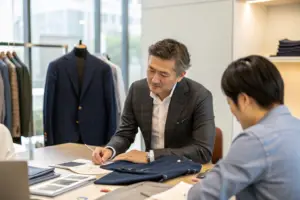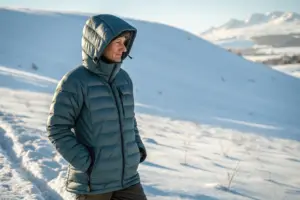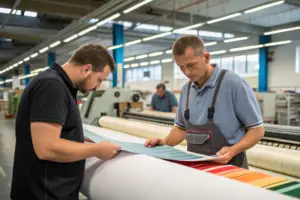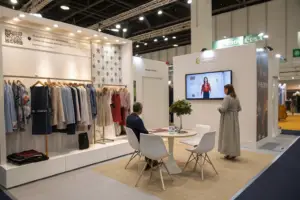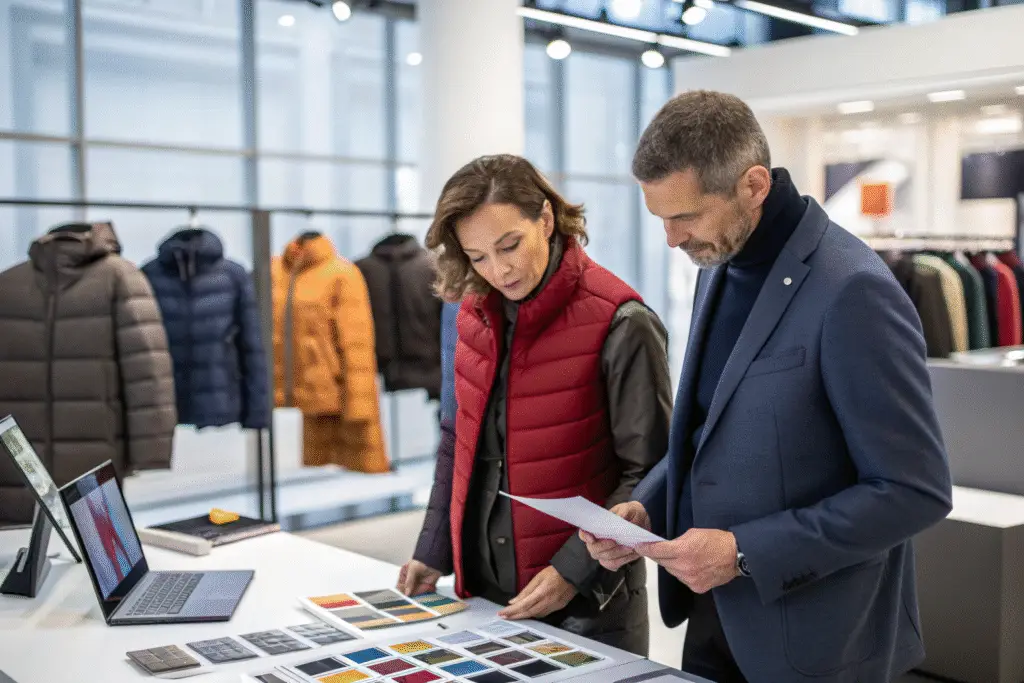
The reversible outerwear category is quickly gaining attention among U.S. and European buyers. Many retailers look for products that combine fashion and utility, and reversible jackets provide two looks in a single garment. Still, sourcing these items abroad involves challenges such as ensuring timely shipments, verifying certifications, and keeping consistent communication with suppliers.
The key to sourcing reversible outerwear is to choose manufacturers who understand garment engineering, provide design flexibility, and manage logistics with accuracy.
Working with the right partner makes the entire process—from material choice to export—both efficient and profitable.
What To Consider When Choosing Fabrics And Materials?
Fabric selection is one of the most technical aspects of sourcing reversible garments. Buyers often demand textiles that combine functionality with comfort. Durability, insulation, and moisture resistance are common requests from U.S. and European clients.
Selecting the right fabric is crucial, since it impacts the appearance, performance, and longevity of the reversible jacket.
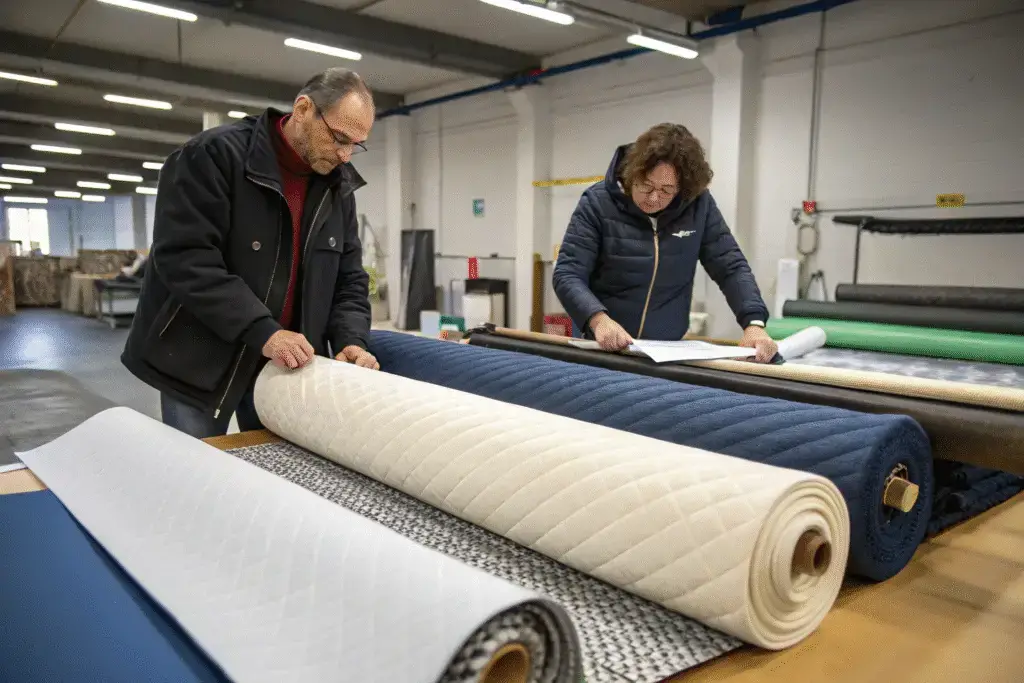
Which fabrics are best for reversible outerwear?
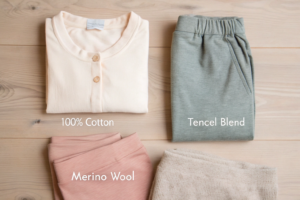
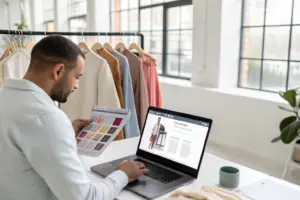
Popular choices include polyester, cotton blends, and nylon. One side can have quilted nylon, while the reverse features soft fleece. Publications like Textile World highlight innovations such as recycled polyester and organic cotton that appeal to eco-conscious brands.
How to ensure quality standards in fabrics?
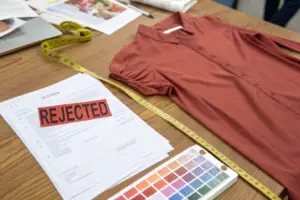
Suppliers should provide recognized certifications, such as OEKO-TEX Standard 100. This step is vital for children’s apparel and premium buyers who require documented safety standards. Without verified testing, shipments may face rejections or consumer complaints.
How To Manage Logistics And Quality Control?
Even well-designed jackets lose value if they arrive late or defective. Many sourcing managers face missed selling seasons or damaged reputations due to weak supplier oversight.
Reliable logistics and transparent quality inspection are essential for sustainable business growth.
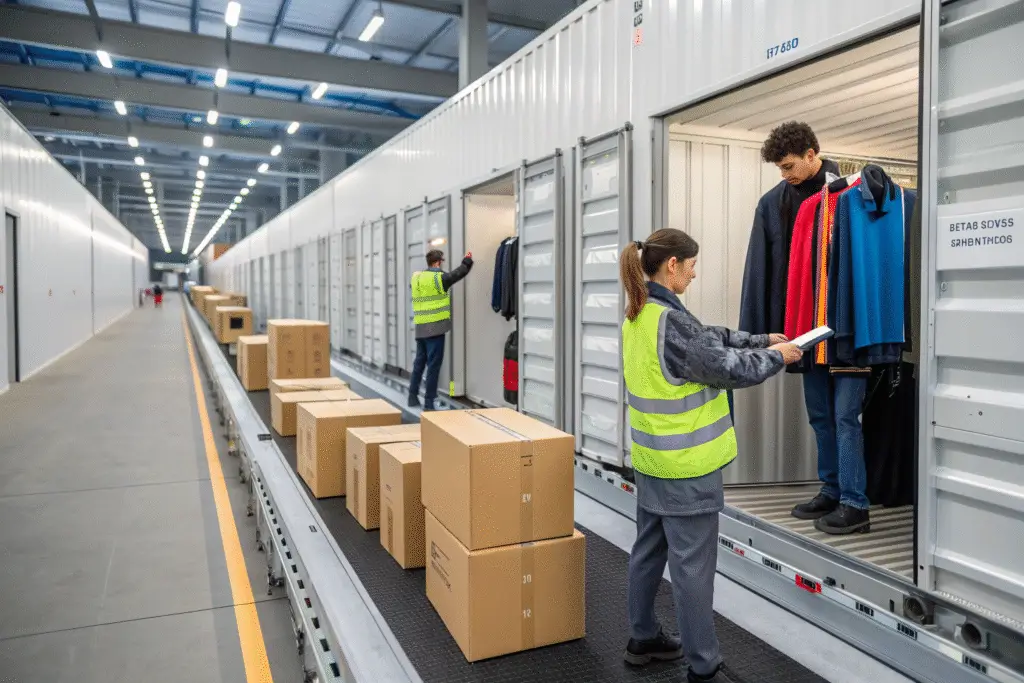
How can buyers ensure reliable logistics?
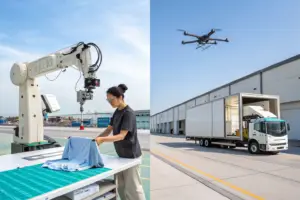
Working with suppliers offering Delivered Duty Paid (DDP) simplifies the entire shipping process. According to Freightos, DDP reduces risk by including customs and tax handling. This provides U.S. buyers cost clarity and predictable delivery times.
What quality control practices should be required?
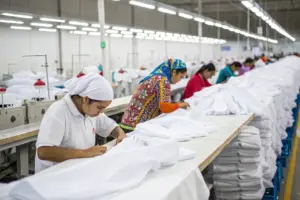
Independent testing agencies such as Intertek can verify compliance before goods ship. On-site quality teams should also check zipper function, seam strength, and overall workmanship. A trustworthy manufacturer shares inspection updates in real time, avoiding costly surprises.
Why Is Reversible Outerwear Gaining Popularity?
Buyers worldwide now view reversible jackets as a smart investment. The idea of “two garments in one” saves inventory space for retailers while giving consumers fresh style options.
This type of clothing blends practicality with strong market appeal, which is why its popularity continues to grow.
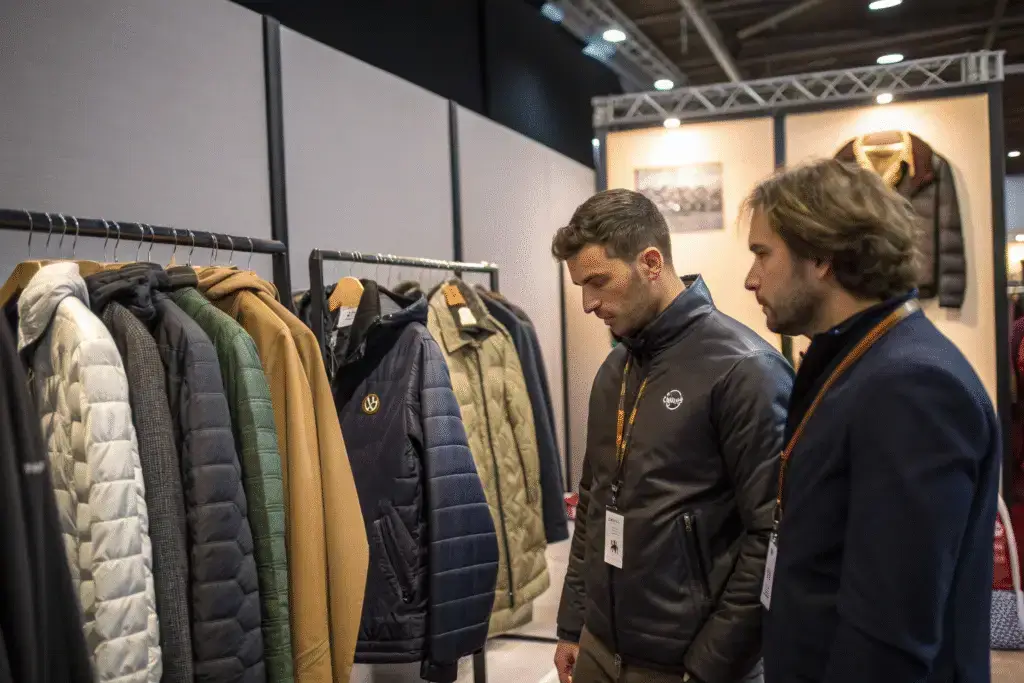
What makes reversible jackets appealing to buyers?
These jackets provide flexibility in design and allow custom branding on both sides. Retailers can market one side as casual and the other as premium. Research from Statista confirms the steady growth of the U.S. outerwear sector, where versatility drives competitive advantage.
How does sustainability influence their demand?
Consumers prefer eco-conscious apparel, and reversible designs reduce overall consumption. The Sustainable Apparel Coalition supports such innovations as part of reducing global textile waste. For suppliers, reversible garments align perfectly with the demand for sustainable fashion.
How To Customize Reversible Jackets For Branding?
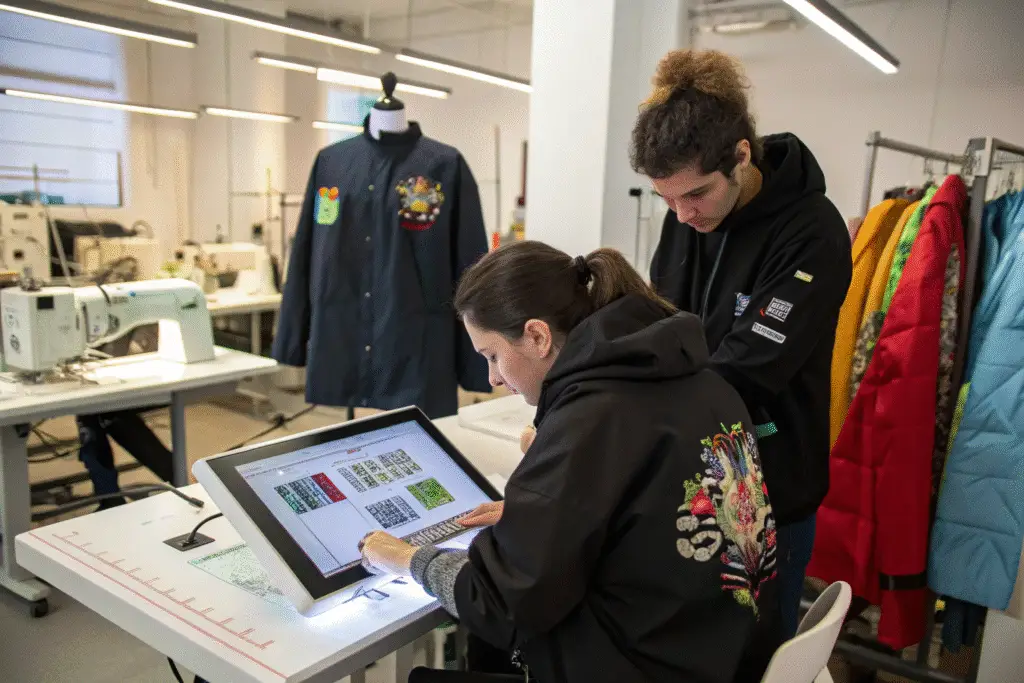
Adding custom logos, trims, and labels turns a reversible garment into a brand signature. Because there are two usable sides, the space for creative identity doubles.
Effective customization turns functional outerwear into a marketing tool, helping brands stand out in crowded markets.
What customization methods are most effective?
Embroidery and heat transfer are the two most common. Printful shows embroidery remains long-lasting, while heat transfer allows high-resolution designs. Buyers also explore zipper pulls and woven tags as subtle yet impactful branding opportunities.
How can reversible design enhance branding?
Different sides can represent different aesthetics. For instance, a sporty exterior and a luxury-inspired reverse provide two market positions. As reported by Fashion Network, multifunctional clothing continues to rise in U.S. and European fashion markets.
Conclusion
Reversible outerwear is more than a fashion statement—it is a practical solution for brands seeking flexibility, sustainability, and strong consumer appeal. Success in sourcing depends on choosing fabrics carefully, implementing clear branding, and securing reliable logistics and inspection processes.
Our factory, Shanghai Fumao, specializes in helping brands develop customized outerwear that meets strict international standards while remaining cost-competitive. For business inquiries, please contact our Business Director Elaine at elaine@fumaoclothing.com. Together, we can bring your outerwear line to market with confidence.