Sourcing the right components for specialized equipment like mining exoskeletons can feel like navigating a complex maze. You know that the liner, the critical interface between the hard exoskeleton frame and the miner's body, is not just a piece of fabric. It's a vital component that dictates comfort, safety, and productivity underground. A poorly sourced liner can lead to discomfort, skin irritation, and even equipment failure, jeopardizing both your product's reputation and the end-user's well-being. This guide will demystify the process, showing you exactly how to source high-quality, customizable mining exoskeleton liners with confidence.
Finding a reliable manufacturing partner for custom mining exoskeleton liners requires a focus on technical fabric expertise, rigorous quality control, and seamless logistics. The key is to identify a supplier who understands the unique demands of the mining environment and can deliver a product that balances durability, comfort, and safety through a transparent and efficient process.
The mining industry is adopting exoskeleton technology to reduce worker fatigue and prevent injury. The liner is the heart of this system. It must withstand harsh conditions while providing exceptional comfort. This article will guide you through the entire sourcing journey, from defining your specifications to ensuring on-time delivery.
What Are the Key Features of a High-Performance Mining Exoskeleton Liner?
The first step in sourcing is knowing what to look for. A high-performance liner is more than just a cloth lining. It is a engineered piece of functional apparel designed for an extreme environment. Overlooking even one feature can result in a product that fails in the field. Understanding these specifications will empower your conversations with potential suppliers.
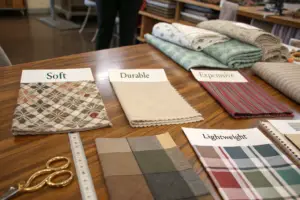
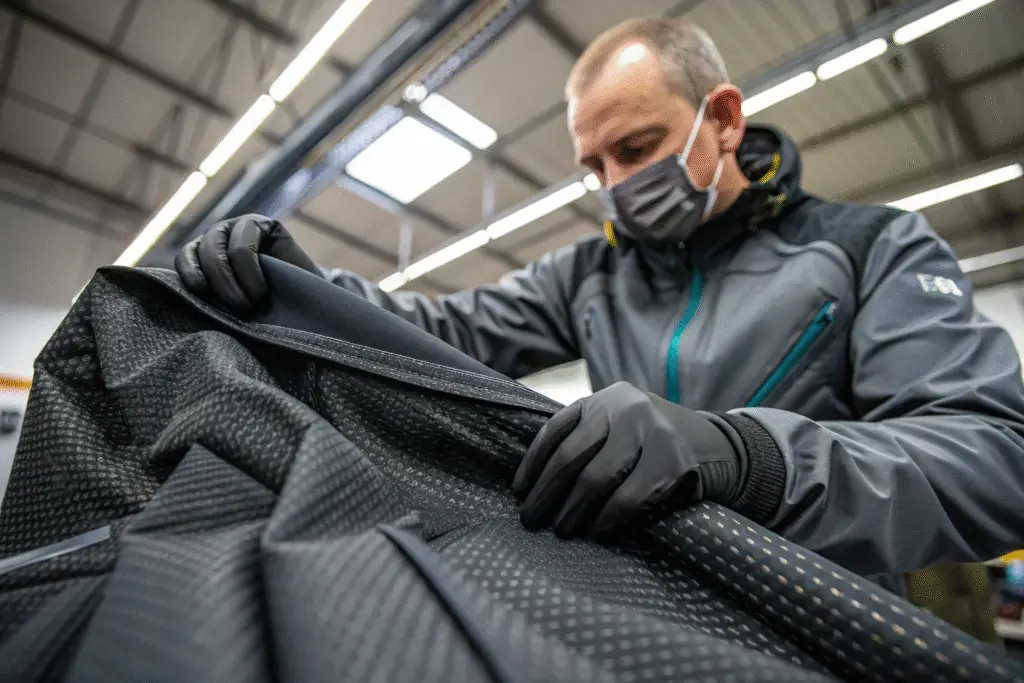
The most critical features revolve around the fabric's inherent properties. The liner must be exceptionally durable to resist abrasion from constant movement against the exoskeleton frame. It needs high breathability to manage heat and moisture buildup during intense physical labor. Furthermore, it should incorporate anti-odor and antimicrobial treatments to maintain hygiene over long shifts where laundry facilities are limited. The cut and seam construction are equally important to prevent chafing and ensure a secure, non-slip fit.
What Fabric Technologies Are Best Suited for Harsh Mining Conditions?
The choice of fabric is the cornerstone of liner performance. Not all technical textiles are created equal. You need materials specifically engineered for industrial durability and comfort.
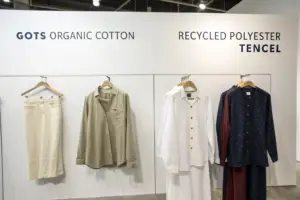
For mining exoskeleton liners, high-density knit fabrics are often superior to wovens due to their inherent flexibility and comfort. Look for advanced synthetic blends. Moisture-wicking fabrics like those made from polyester with specialized cross-sections are essential for pulling sweat away from the skin. This prevents clamminess and helps with thermal regulation. Fabrics with inherent abrasion resistance, such as those reinforced with high-tenacity yarns, are non-negotiable for longevity. Many leading suppliers utilize fabrics certified to standards like OEKO-TEX® STANDARD 100, which ensures the material is free from harmful substances, a critical point for garments worn against the skin for extended periods.
How Does Design Impact the Comfort and Safety of the Liner?
The design translates the fabric's potential into real-world performance. A poor design can undermine the best materials.
The pattern cutting must allow for a full range of motion, incorporating gussets and articulated patterning that mirrors the body's movement. Seam construction is vital. Flatlock seams or seamless bonding technology prevent irritation and hot spots where the liner presses against the body and the exoskeleton frame. Ergonomics also include strategic paneling to distribute pressure evenly and features like silicone grip printing or elasticated zones to ensure the liner stays in place during dynamic movements. A well-designed liner acts as a second skin, enhancing the exoskeleton's function without the wearer being constantly aware of its presence.
How to Vet a Potential Manufacturer for Technical Apparel?
Once you know your specifications, the next challenge is finding a partner capable of executing them. The manufacturer you choose will make or break your product. A supplier that excels at basic apparel may lack the expertise for technical industrial wear.
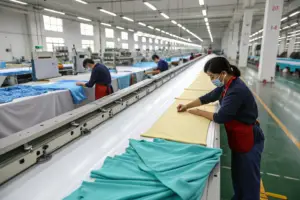
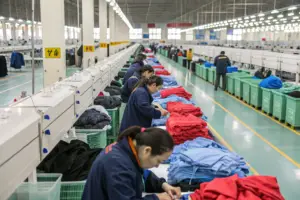
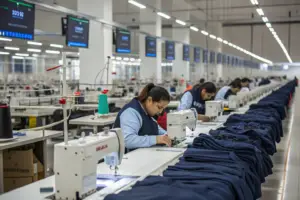
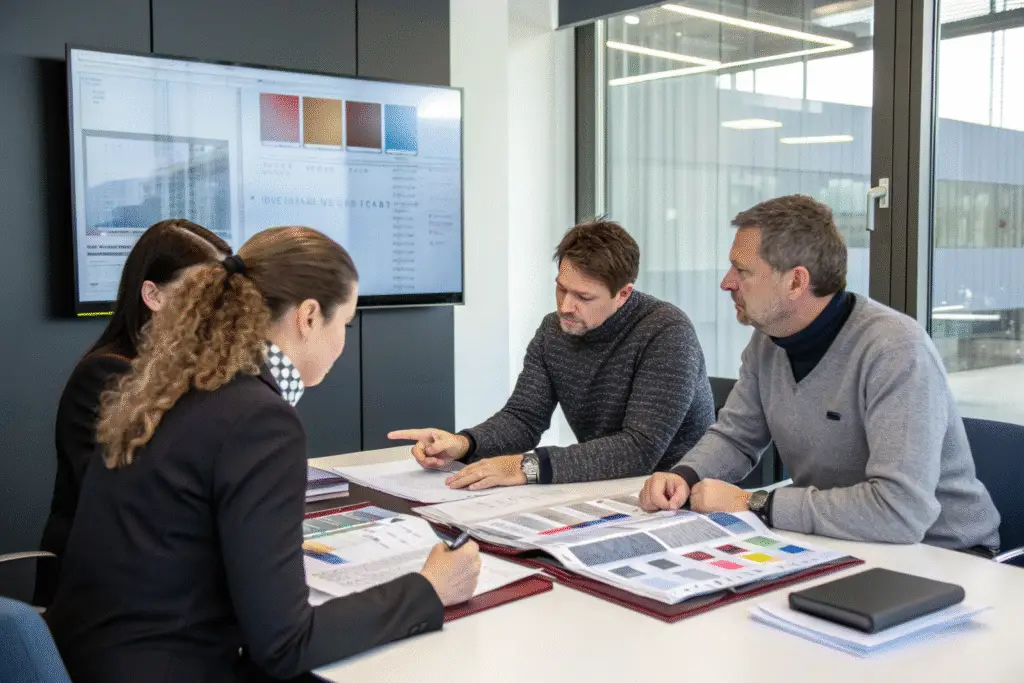
Vetting a manufacturer goes beyond checking their price list. It involves a deep dive into their capabilities, quality systems, and company culture. You need a partner, not just a vendor. Look for a manufacturer with a proven track record in similar product categories, such as performance activewear, protective workwear, or medical textiles. These domains share the same emphasis on precision, functionality, and quality control that are essential for exoskeleton liners.
What Questions Should You Ask About Their Quality Control Process?
A robust Quality Assurance (QA) system is your primary defense against defective products. Do not accept vague assurances; demand specific details.
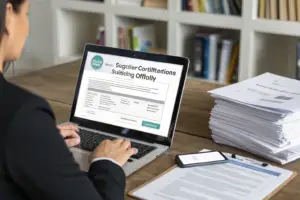
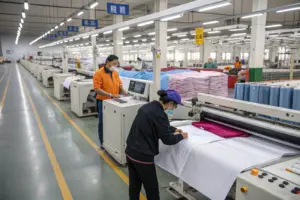
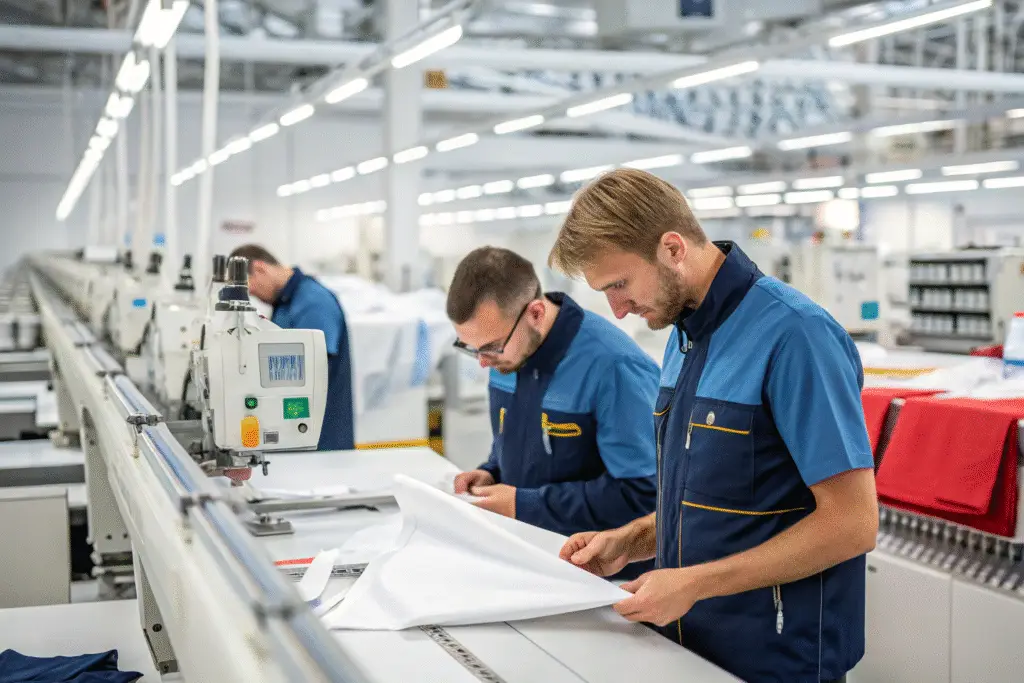
Ask pointed questions: "What are your in-process quality control checkpoints?" A reliable manufacturer will have checks at multiple stages: fabric inspection, cutting, sewing, and final assembly. Inquire about their statistical process control methods and defect rate. Ask if they can provide Inspection Reports for each batch. You should also verify their certifications. While a general ISO 9001 quality management system is good, look for industry-specific certifications that demonstrate a commitment to responsible manufacturing. Crucially, ask if you or a third-party inspector can conduct a Pre-Shipment Inspection before goods are shipped. Transparency at this stage is a hallmark of a trustworthy partner.
Why is Factory Audit and Communication Style Crucial?
The relationship with your manufacturer is built on trust and clear communication. An audit, even a virtual one, provides invaluable insight.
| Audit Focus Area | What to Look For |
|---|---|
| Technical Capability | Do they have the specialized machinery (e.g., ultrasonic welding, flatlock seamers) for technical fabrics? |
| Social Compliance | Is the factory clean, safe, and ethical? This reflects their overall management quality. |
| Sample Room | Is the sample development process professional? Are developers asking insightful questions? |
Regarding communication, assess their responsiveness and language proficiency. Inefficient communication is a major pain point. Determine who your single point of contact will be. Is it a sales rep or a dedicated project manager? A proactive partner will provide regular updates without you having to chase them, preventing surprises and building a foundation for a long-term relationship.
What Does the Customization and Prototyping Process Involve?
Customization is where your vision becomes a tangible product. This phase requires close collaboration and a clear understanding of the steps involved to avoid costly misunderstandings and delays.
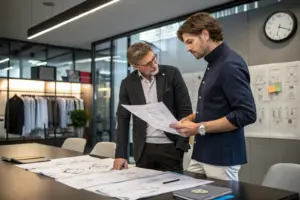
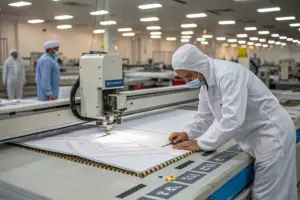
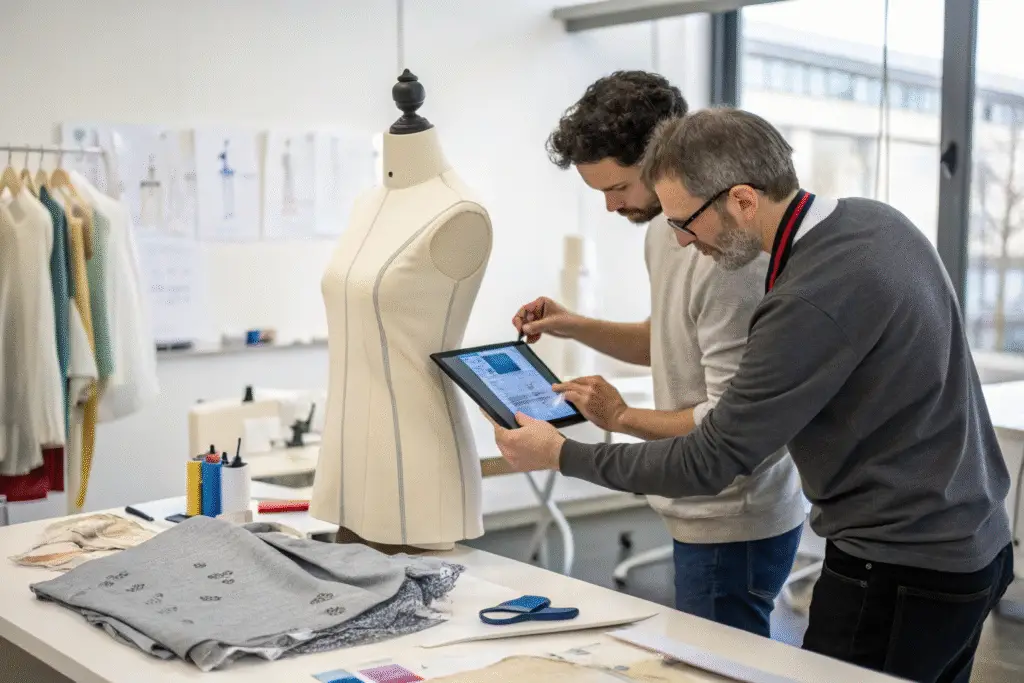
The process typically begins with a design consultation where you provide your tech pack, designs, and logo artwork. A professional manufacturer will review these files for manufacturability and may suggest improvements. The next critical step is prototyping. This involves creating physical samples for your evaluation. Be prepared for multiple sample rounds. The first sample (proto-sample) checks the basic pattern and design. The second (fit-sample) uses a similar fabric to perfect the fit. Finally, a pre-production sample (PP-sample) made from the actual designated fabric and components is produced for final approval before mass production begins.
How to Ensure Your Logo and Branding Are Perfectly Applied?
Your logo on the liner is a key branding element. The application method impacts aesthetics, durability, and cost.
The choice of technique depends on your logo design and the base fabric. Silk screen printing is ideal for simple, flat designs on most fabrics. Heat transfer offers good detail and a soft hand-feel. For the most durable option, especially for high-abrasion areas, embroidery is superior. However, embroidery requires a suitable fabric weight to prevent puckering. A skilled manufacturer will advise you on the best method. They should provide a strike-off (a test print) or a sew-out (a test embroidery) for your approval on the actual fabric. This step ensures colors, size, and placement are exactly as you envisioned before it's applied to hundreds of liners.
What Are the Stages of Sample Development and Approval?
A structured sample approval process prevents mass production errors. Understand and utilize each stage effectively.
- Proto Sample: This initial sample is for concept confirmation. Focus on the overall design, dimensions, and key features.
- Fit Sample: This sample is critical for comfort. Test it on the intended exoskeleton frame, if possible. Provide detailed feedback on the fit and mobility.
- Pre-Production Sample (PP Sample): This is the gold standard. It is made from the final approved fabrics and trims on the actual production line. Your approval of this sample greenlights mass production. Do not approve it unless you are 100% satisfied, as this sample becomes the reference standard for the entire order.
The final hurdle involves securing favorable terms and ensuring your products reach you reliably. This stage is about risk management and financial clarity.
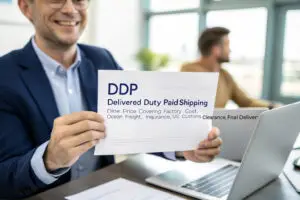
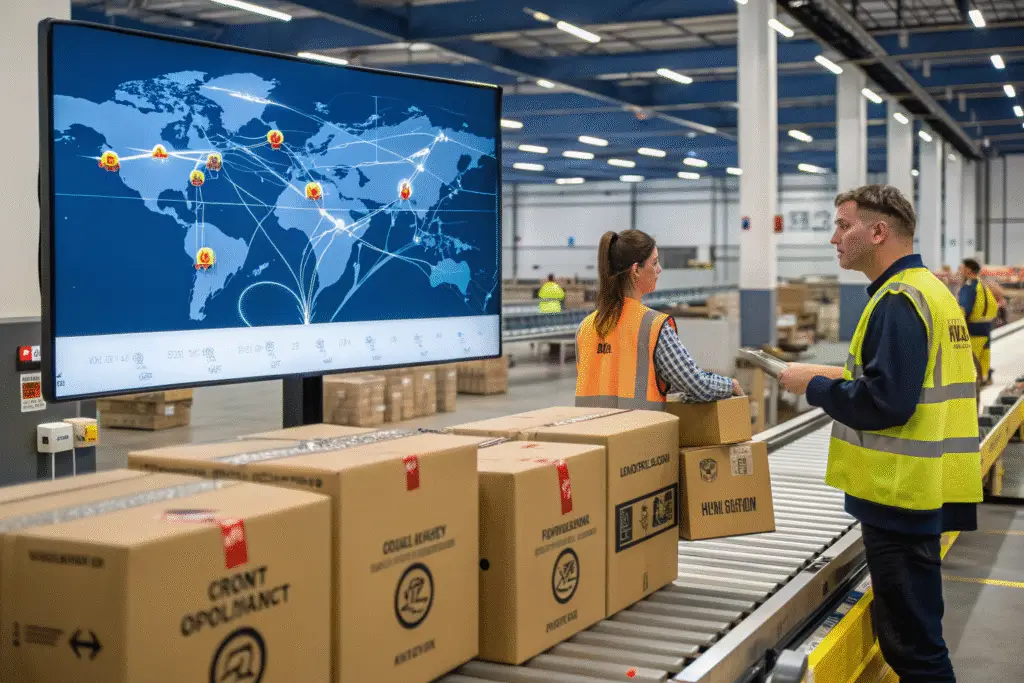
Logistics can be complex, especially when shipping from overseas. Understand the Incoterms offered. While FOB (Free On Board) is common, many buyers now prefer DDP (Delivered Duty Paid) services. With DDP, your supplier handles everything from freight to customs clearance and delivery to your warehouse, offering you a predictable landed cost and simplifying the process. For pricing, request a detailed breakdown. The unit price should be clear on what it includes (e.g., logo, tags, packaging). Be wary of hidden costs. Finally, negotiate payment terms that protect both parties. A common structure is a 30% deposit with the balance paid against a copy of the Bill of Lading, or using secure platforms like Letter of Credit (L/C) for larger orders.
What are the Advantages of DDP Shipping for US Importers?
DDP shipping simplifies the import process significantly, reducing your administrative burden and financial uncertainty.
The primary advantage is cost predictability. With DDP, you receive one all-inclusive price from your supplier. There are no surprise customs fees, port charges, or brokerage bills. The supplier takes on the responsibility and risk for the entire journey. This allows you, the importer, to focus on your core business activities like sales and marketing. It also streamlines the supply chain, as you have a single point of contact for the entire shipping process. For businesses that lack in-house logistics expertise, DDP is an invaluable service that ensures a smooth and hassle-free delivery.
How to Understand Pricing Models and Secure Favorable Terms?
Apparel pricing is not arbitrary. Understanding the cost drivers empowers you to negotiate effectively.
The price is influenced by fabric cost (type and quantity), manufacturing complexity (number of pieces, stitching details), order quantity (higher volumes reduce the unit cost), and any special processes like custom dyeing or complex logo application. Always ask for a Free Quotation with a clear breakdown. When negotiating, focus on building a long-term partnership rather than just squeezing the lowest price. A sustainable price ensures the manufacturer can maintain quality and treat workers fairly. For payment, start with safer terms like T/T (Telegraphic Transfer) with a 30% deposit and 70% balance before shipment. As trust builds, you can explore other methods. Always use secure payment channels.
Conclusion
Sourcing customizable mining exoskeleton liners is a detailed process that demands a strategic approach. It begins with a deep understanding of the technical requirements, from fabric technology to ergonomic design. The cornerstone of success is selecting a manufacturing partner with proven expertise in technical apparel, rigorous quality control systems, and a transparent, communicative workflow. By thoroughly navigating the customization process and securing clear logistics and payment terms, you can build a reliable supply chain that supports your product's quality and your brand's reputation.
The right manufacturing partner becomes an extension of your team, ensuring that every liner you deliver enhances the safety and comfort of the end-user. If you are looking for a dependable, high-value partner to produce your custom mining exoskeleton liners or any other technical apparel, we invite you to contact us. Let's discuss how we can bring your specifications to life. Please reach out to our Business Director, Elaine, at elaine@fumaoclothing.com to start the conversation.