I remember the first time a U.S. buyer handed me a sample of a magnetic snap for jackets. Honestly, I thought, “Well, this looks like just another button.” But after trying it, I realized it had a surprisingly smooth action—no fiddling, no misalignment. From my experience in sourcing trims, I can tell you that these small details often make or break a product line.
The truth is: sourcing customizable magnetic closure systems isn’t just about finding magnets—it’s about choosing the right strength, the right finish, and the right supplier. If you get it wrong, you end up with closures that rust, weaken after washing, or open accidentally. If you get it right, you give your customers a premium, reliable experience.
Define Your Specifications First
I’ve seen too many buyers rush into this part. They just tell the supplier: “Send me magnetic snaps.” And then they’re frustrated when the sample doesn’t match their needs.
You have to decide upfront: what kind of closure, how strong it should be, and how it should look.

What details matter most?
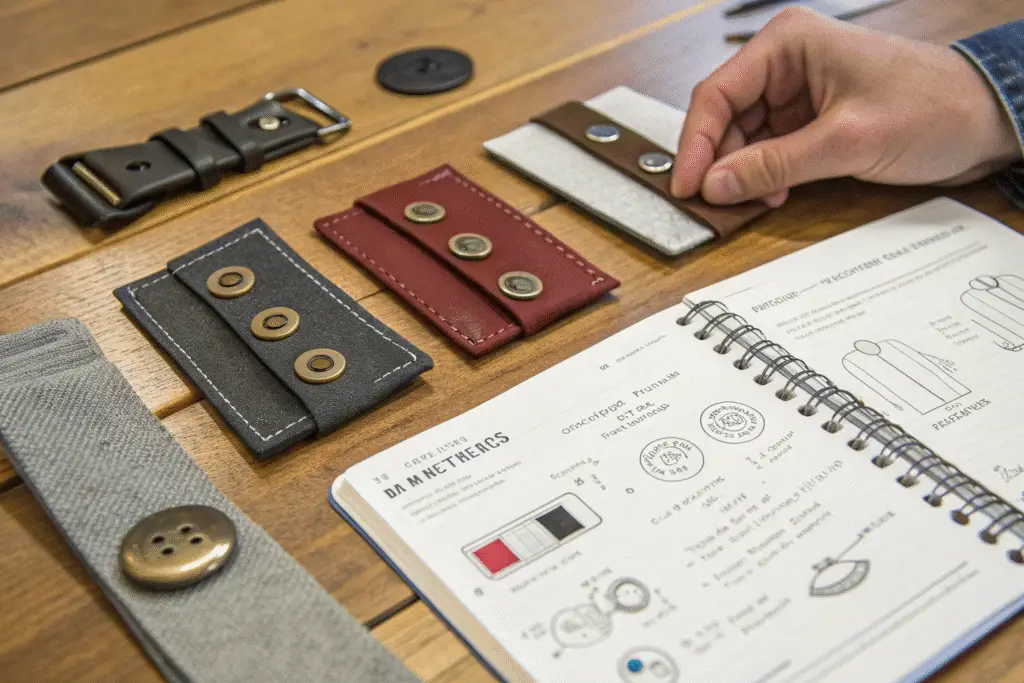
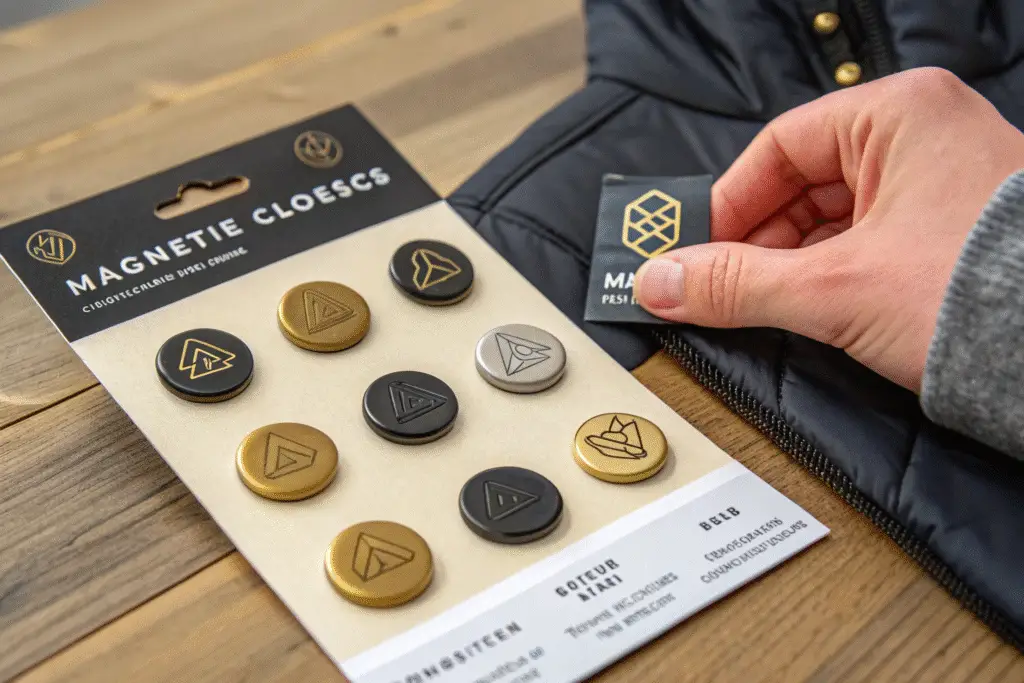
Well, start with magnet pull strength. Do you want a soft hold for shirt cuffs or a firm grip for a heavy bag strap? Then think about visibility—do you want hidden magnets inside the fabric or visible hardware with logo engraving? And don’t forget about plating: matte black, antique brass, or shiny nickel all give very different impressions.
Why does this step matter?
From my observation, if you skip specs, you waste time on the wrong samples. I once had a client who needed delicate shirt closures but got sent oversized bag magnets. Companies like Romag offer many profiles, but unless you’re precise, they’ll just ship you what they think fits.
Identify Specialized Hardware Suppliers
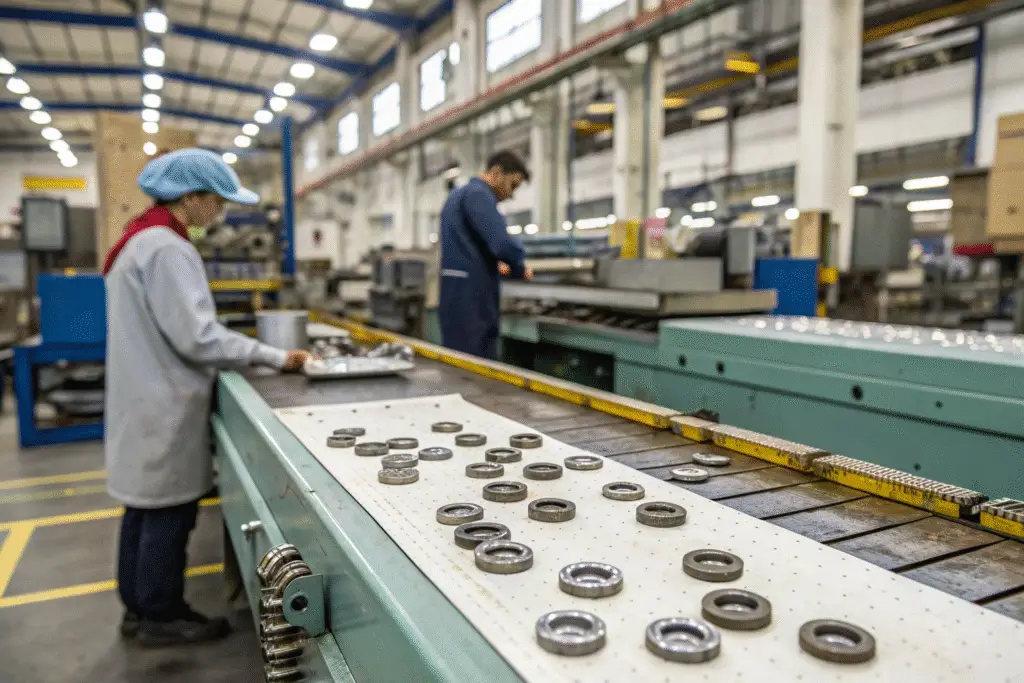
Not every factory is good at magnets. Some make buttons or buckles, but they don’t understand magnetic tolerance or wash durability.
That’s why you need suppliers with proven experience in magnetic fasteners.
Where to look?
Actually, China has several solid options. Richarms Hardware has over 19 years of experience and offers custom logo engraving. On Global Sources, you can find dozens of suppliers, but you’ll need to filter carefully. For small-scale prototyping, WAWAK sells sew-on snaps that are handy for sampling.
What questions should you ask?
- “What’s the exact pull strength in Newtons?”
- “How many cycles before the magnet weakens?”
- “Do you have wash test reports?”
- “What’s the MOQ for custom plating or logos?”
In my opinion, if a supplier can’t answer those clearly, walk away. Serious ones are open about tolerances and test standards.
Prototype and Test Durability
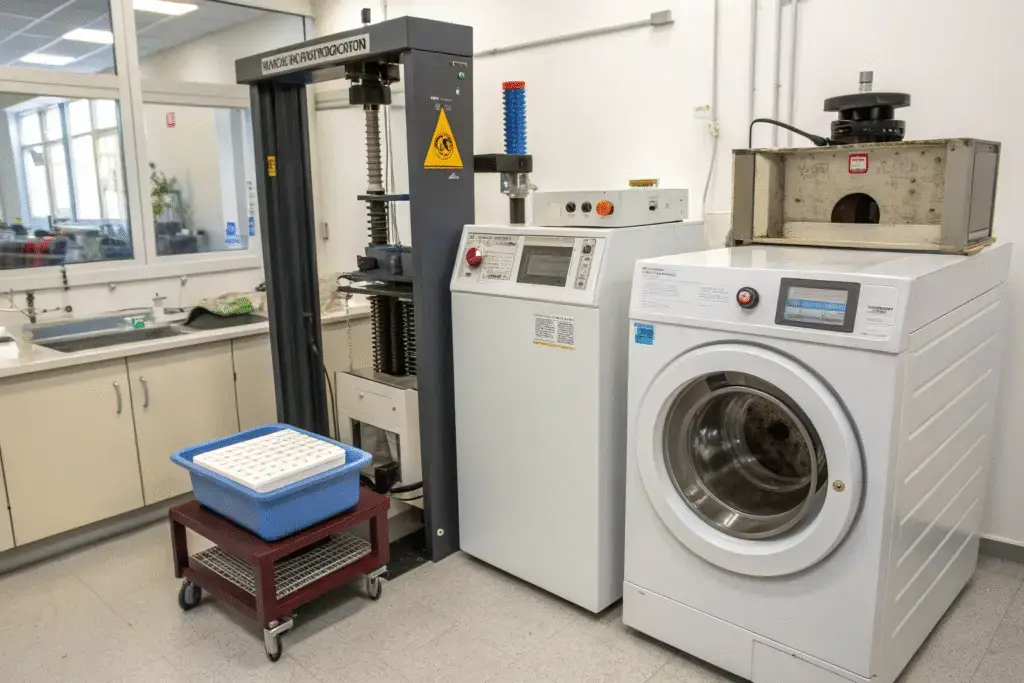
Even the best-looking sample can fail after three washes. That’s why you must prototype and test under real conditions.
Durability testing is what separates reliable hardware from disappointing ones.
How should you test?
Well, start with a pull-force test. If it’s too weak, it’ll pop open. Too strong, and users struggle. Then simulate laundry cycles—does the plating corrode or chip? I’ve seen closures that looked premium but peeled after one month of use. Labs like Intertek can run proper tests if you want data-backed results.
Why is this worth the effort?
From my observation, returns and warranty claims often trace back to trims, not fabric. And frustratingly, closures are the first thing customers touch. If they fail, the whole product feels cheap.
Customize for Branding and Design
One of the best parts of sourcing magnetic closures is that you can make them part of your brand identity.
Engraving logos, using signature finishes, or designing hidden magnets gives your product that “premium touch.”
What are your options?
Suppliers like Snapshut let you add logos or choose special finishes. Some brands prefer hidden magnets sewn inside fabric flaps for a minimalist aesthetic. Others go bold with visible plating in antique brass or matte gunmetal.
Is customization expensive?
Yes, it usually raises MOQ. A stock snap might require 500 pcs, but a custom logo-plated one might start at 3,000 pcs. From my experience, though, many brands find the extra investment pays off in perceived quality. Surprisingly, customers do notice the difference.
Conclusion
Sourcing customizable magnetic closure systems is all about details. Define your specs, choose the right supplier, test durability, and use customization wisely. Done right, these closures make your products stand out.
As someone who has sourced trims for years, I’ve learned that magnets are tricky—they’re sensitive to strength, finishing, and washing. And frustratingly, too many buyers treat them as afterthoughts until it’s too late. If you want to explore magnetic closures that actually last, contact our Business Director Elaine at elaine@fumaoclothing.com. At Shanghai Fumao, we can help match advanced hardware with your design and branding needs.