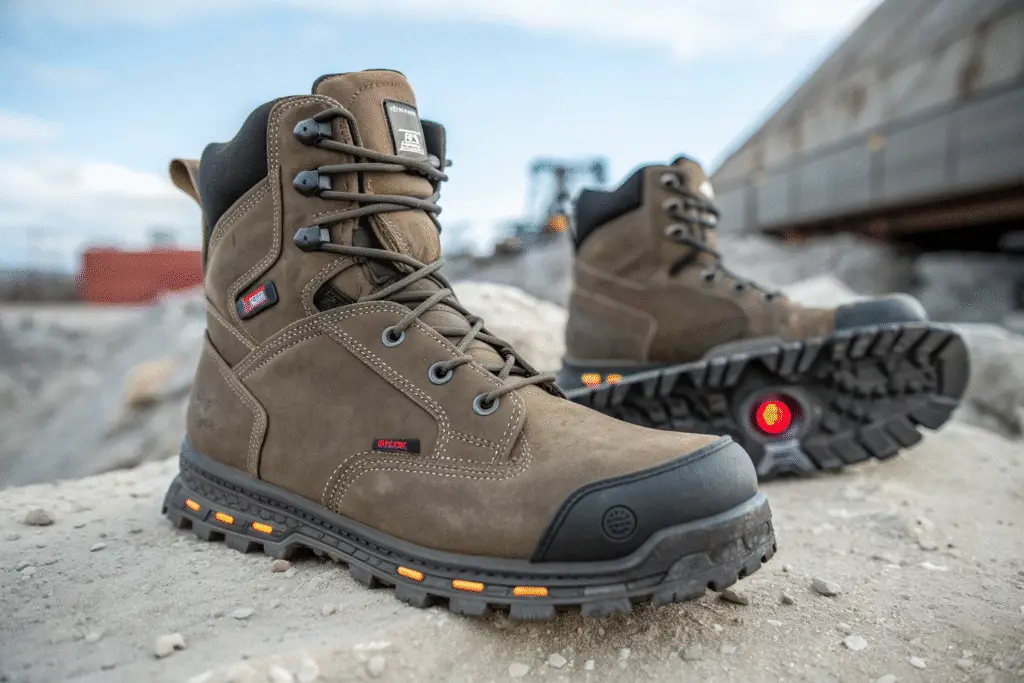
Landmine detection remains one of the most difficult challenges in dangerous environments. Traditional devices often require handheld scanners, which slow down work and increase risks. Today, landmine-detection work boots with built-in sensors offer a safer and faster way to detect threats. These boots let workers spot danger as they move, giving both protection and efficiency.
The right sourcing approach means checking certifications, reviewing the sensor technology, comparing reliable makers, and confirming customization options for different terrains.
From my own work in safety and textile production, I’ve seen how combining clothing with smart technology improves results in the field. Let’s break down what to consider when sourcing these boots.
What technology makes these boots effective?
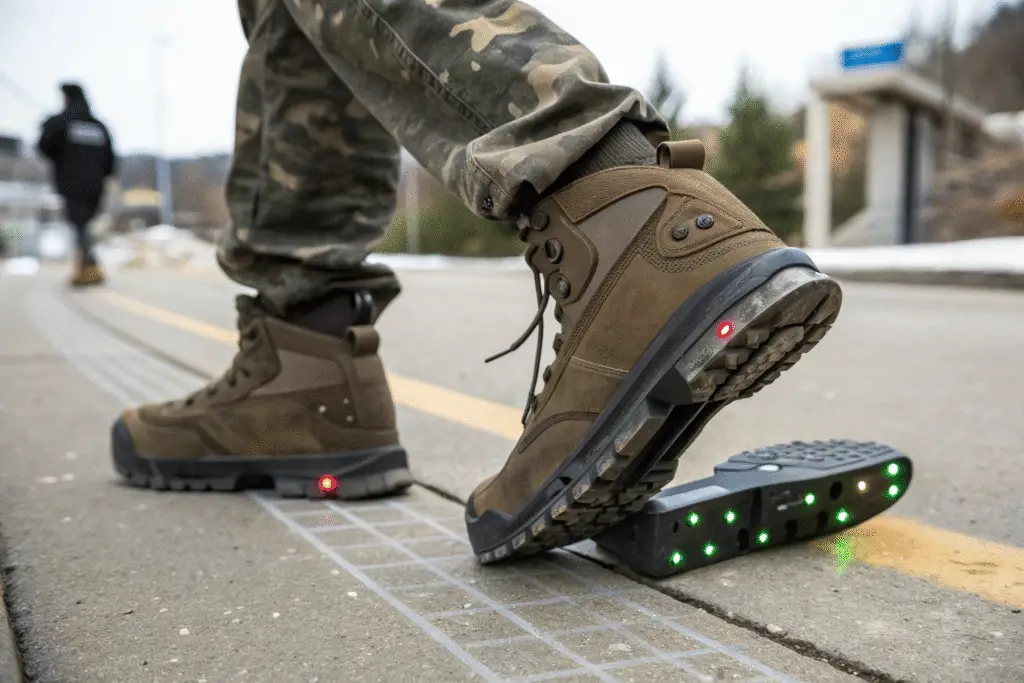
These boots use sensors hidden in the soles. As the wearer walks, the system scans for metallic signals or underground explosives.
The main technologies are ground-penetrating radar (GPR), electromagnetic sensors, or a mix of both.
How does ground-penetrating radar help?
GPR sends waves into the soil and reads the reflections. Geophysical Survey Systems explains how GPR is widely used in underground mapping and detection.
What about electromagnetic sensors?
These pick up metal parts inside mines. ScienceDirect reports that electromagnetic induction works well in shallow soils and rough ground.
Which certifications confirm safety and reliability?
Certifications are the clearest way to prove that boots meet international standards. They confirm both durability and sensor accuracy.
The most important ones include EN ISO 20345 for footwear safety, MIL-STD testing for military use, and ATEX/IECEx for explosive-risk zones.
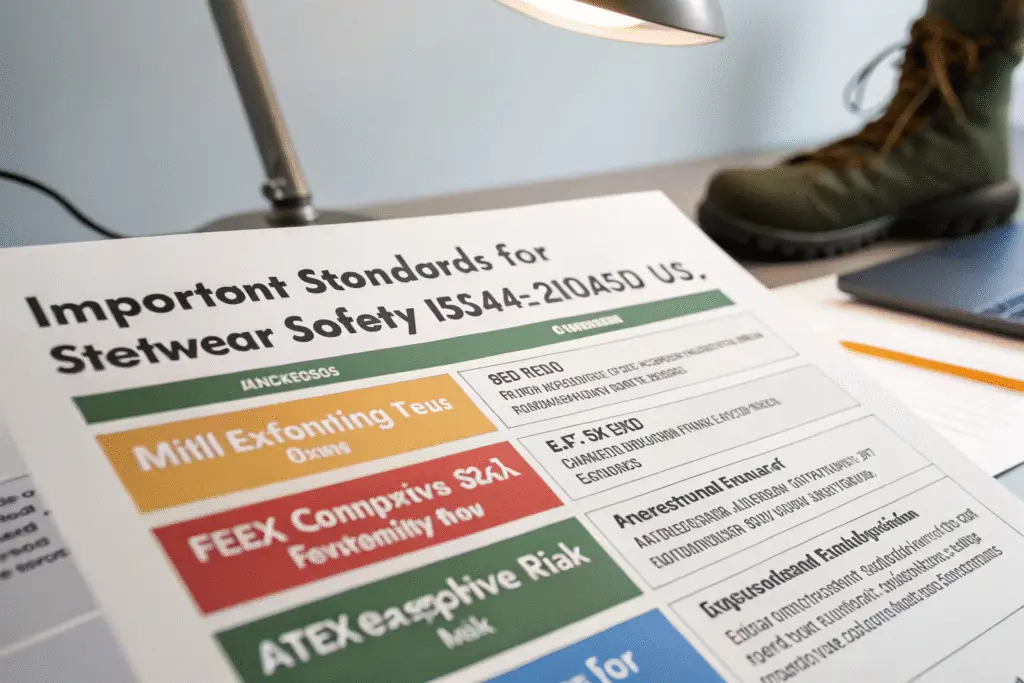
What footwear standards apply?
EN ISO 20345 covers resistance to slipping, punctures, and impacts. The European Safety Federation provides detailed guidance.
Why do explosive-area standards matter?
ATEX and IECEx make sure electronic systems can run safely where explosions are possible. Intertek explains how ATEX certification protects workers in Europe.
Where can buyers find trusted suppliers?
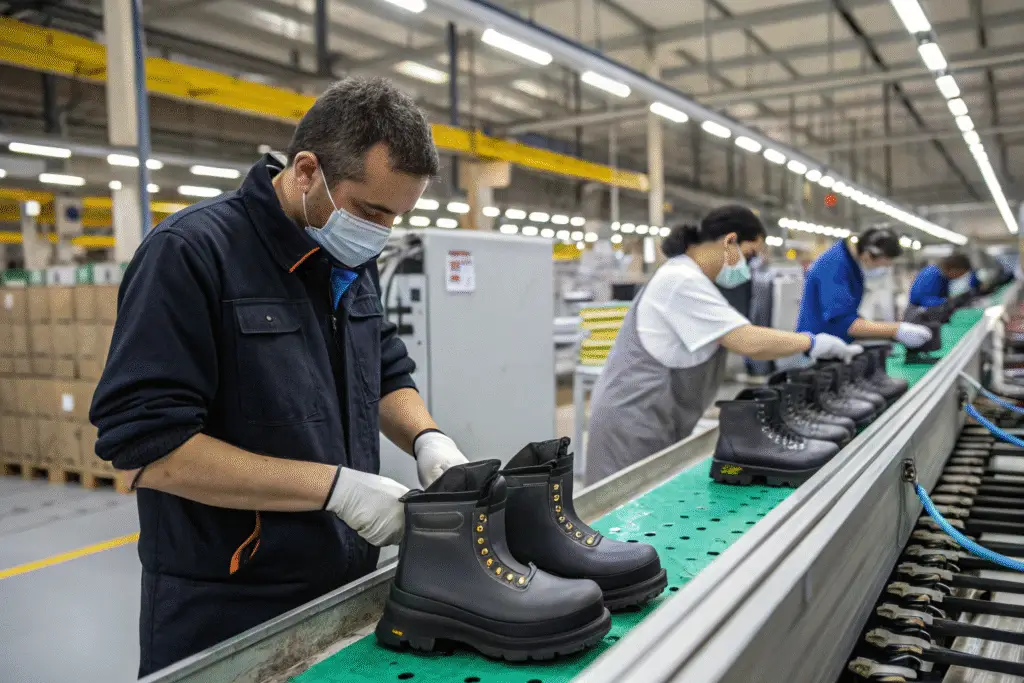
Not many factories have the skill to make boots with advanced detection. Finding them means looking in the right places.
Defense expos, PPE directories, and global B2B platforms are the best starting points.
Are defense expos worth visiting?
Yes. Events like Eurosatory showcase companies that focus on defense and safety gear, including footwear with sensors.
Can buyers rely on B2B platforms?
Sites like Alibaba and Global Sources can connect you with suppliers. But it’s critical to check certifications and ask for samples before placing an order.
How should cost and customization be balanced?
These boots cost more than regular safety footwear, but their value lies in saving lives and reducing accidents.
Buyers need to weigh upfront price against detection accuracy, durability, and the long-term savings from fewer incidents.

Do customization features add expense?
Yes, but they also make the boots adaptable. ResearchGate notes that modular detection systems let users adjust to different soils and environments.
How do buyers measure value?
Procurement teams often compare lifespan, maintenance costs, and safety improvements. Beckers Hospital Review points out that prevention-focused gear always reduces long-term expenses.
Conclusion
Customizable landmine-detection boots are more than protective footwear—they are critical tools for safety. By focusing on proven sensor systems, certified safety, trusted suppliers, and tailored features, buyers can source products that protect lives and improve field operations.
At Shanghai Fumao, we combine protective design with advanced technology. From industrial wear to specialized safety gear, we help organizations create solutions that perform under pressure. If you want to explore custom-made safety boots or protective apparel, reach out to our Business Director Elaine at elaine@fumaoclothing.com. Together, we can build gear that makes hazardous work safer.