Are you an emerging brand or an established business looking to test a new design? Sourcing custom apparel with small order quantities often feels like an impossible challenge. Many large factories turn away orders they consider too small, leaving brands with limited options and compromised quality. This struggle can delay your product launches and limit your growth.
The good news is that sourcing custom apparel with a small order quantity is entirely achievable with the right manufacturing partner. The key lies in finding a factory that specializes in and values small-batch production. These partners have systems in place to make low minimum order quantities (MOQs) cost-effective and efficient, without sacrificing the quality or customization you need.
This guide will walk you through the entire process. We will explore how to find the right factory, manage costs effectively, ensure top quality, and navigate the logistics for your small batch orders. Let's turn your limited quantity run into a successful market entry.
How to find a factory for small quantity custom apparel?
Finding a factory that welcomes small orders is the first critical step. Many manufacturers are set up for massive production runs and are not flexible. You need a partner built for agility.
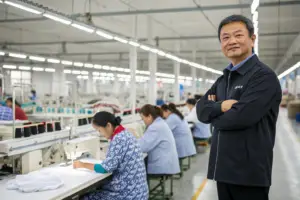
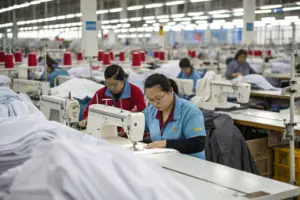
Look for factories that explicitly advertise "low MOQ" or "small batch" services on their website or B2B platforms like Alibaba. Their business model is designed for this. We have dedicated two of our five production lines exclusively for small orders. This allows us to give these projects the focus they deserve without disrupting larger production schedules.
A factory's experience with diverse product types is a major advantage. For instance, last year, a startup brand from Texas approached us with a 200-piece order for a technical woven shirt. Because we also produce high-volume orders for established brands, we had the expertise to guide them on fabric sourcing and construction, ensuring their small batch was produced to a high standard right from the start.
What are the key questions to ask a potential factory?
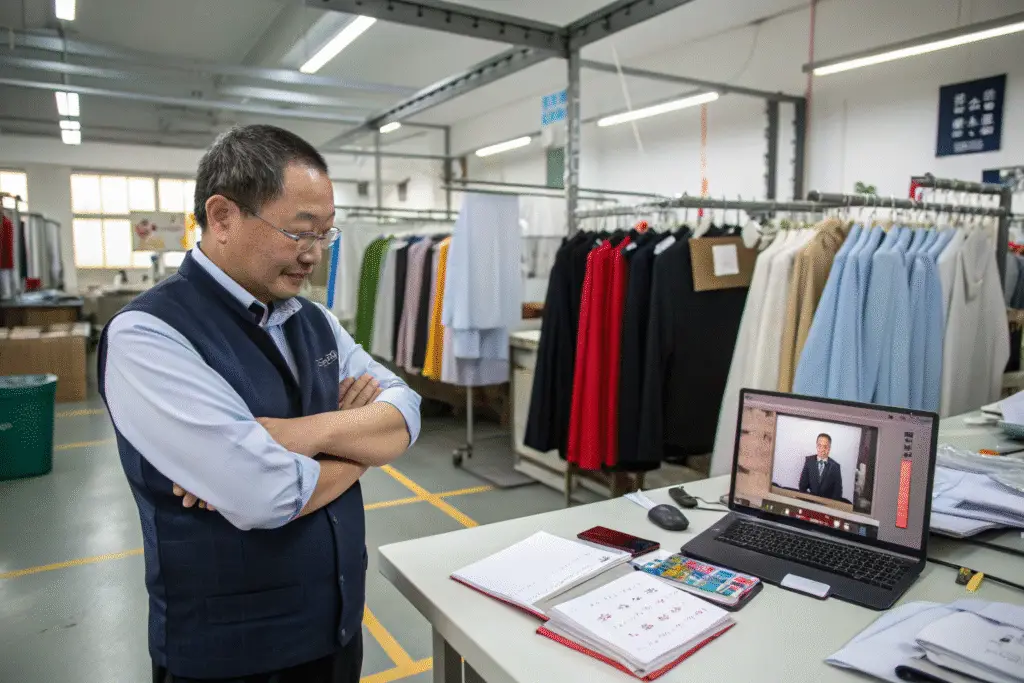
Never assume a factory's capabilities. Always ask direct questions. Start with their official MOQ policy. Is it by style, by color, or by fabric? Then, ask for examples of recent small batch orders they have completed. A confident factory will be transparent.
Inquire about their sample process. Will they create a prototype sample and a pre-production sample? This is crucial for avoiding costly mistakes in small runs. Also, ask about their quality control procedures specifically for small orders. How do they check each piece when the total quantity is low?
How does a factory's structure impact small orders?
The internal structure of a factory determines its flexibility. A factory with dedicated small-order lines, like ours, can pivot quickly. Larger factories without this focus may treat your order as a low priority.
Consider this comparison of factory types:
| Factory Type | Typical MOQ | Best For | Pros | Cons |
|---|---|---|---|---|
| Large-Scale Manufacturer | 5,000+ pieces per style | Global chains, massive orders | Lowest per-unit cost | Inflexible, high MOQs |
| Specialized Small-Batch Factory | 50 - 500 pieces | Startups, test runs, custom orders | Flexible, agile, expert guidance | Higher per-unit cost |
| Local Workshop | 10 - 100 pieces | Ultra-fast turnaround, local support | Fast communication, quick samples | Limited capacity, higher cost |
Our experience shows that the specialized model is best for brands that need both quality and flexibility. We invested in this structure after seeing many talented brands struggle in 2021.
What is the cost structure for small batch apparel production?
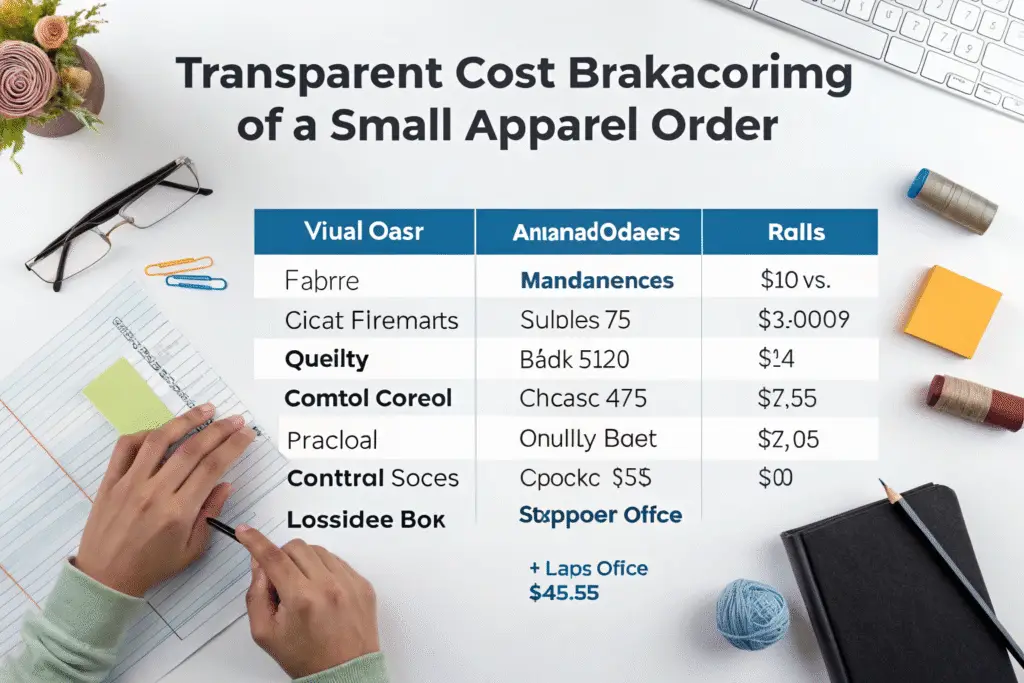
Understanding the cost breakdown for small quantities prevents surprises. The pricing model is different from large-scale production. The cost per piece is higher, but the total investment is lower and less risky.
The main cost drivers are fabric, labor, and trims. For small orders, fixed costs like sampling and pattern making are spread over fewer items. This increases the cost per unit. We provide our clients with a transparent cost sheet that itemizes every expense, from fabric sourcing to final packaging.
There are ways to manage these costs. Using existing fabric stocks can reduce material costs. Simplifying complex design elements can lower labor costs. Last quarter, we worked with a Chicago-based brand on a 300-unit polo shirt order. By using a premium pique cotton from our stock and simplifying the cuff embroidery, we kept the project within their budget without compromising the garment's luxury feel.
Why is the per-unit cost higher for small orders?
Economies of scale simply do not apply to small batches. The setup time for a production line is the same whether you are making 100 pieces or 10,000. This setup cost is a significant part of your final price.
For example, changing thread colors on sewing machines, calibrating machines for a specific fabric, and creating new cutting patterns all require time and skill. These are one-time costs that are divided by the total number of units. With a smaller denominator, the cost share for each unit is naturally higher.
How can you reduce costs without sacrificing quality?
Smart strategies can optimize your budget. Ordering multiple colorways of the same style can help you meet a factory's fabric MOQ and lower the material cost. We often guide our clients on combining SKUs to achieve this.
Another effective method is to plan production around the factory's schedule. If you have flexibility, producing during a slower period can sometimes lead to better pricing. The key is open communication with your factory about your budget constraints and quality non-negotiables.
How to ensure quality control for small quantity orders?
Quality is paramount, especially when each piece represents a larger portion of your total inventory. A single defect in a 100-piece order is more impactful than in a 10,000-piece order.
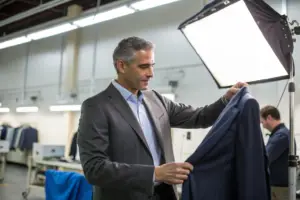
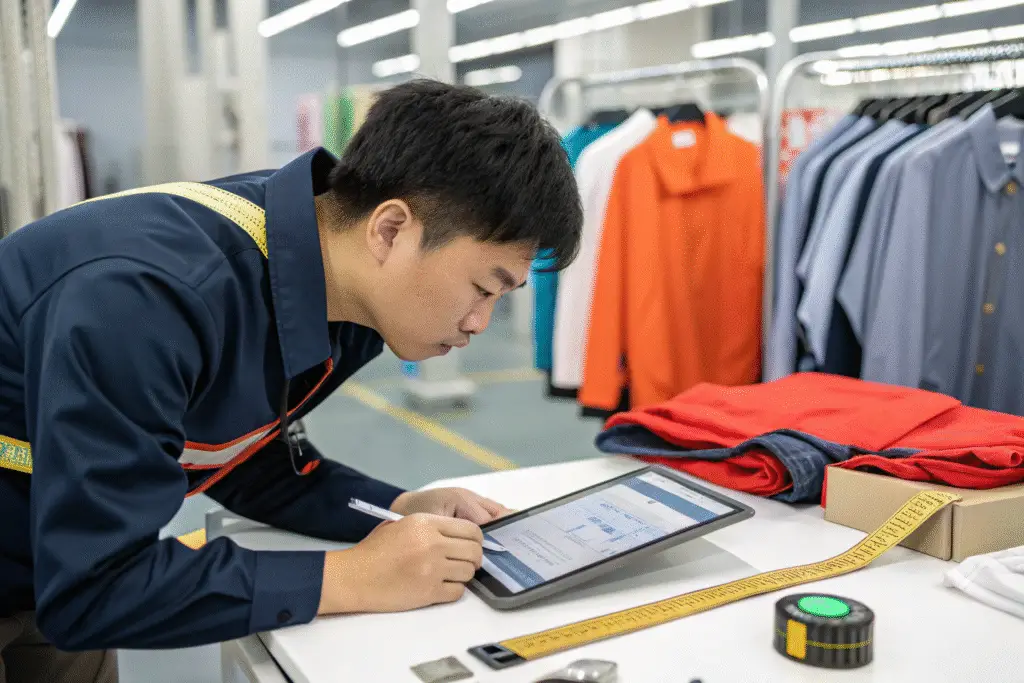
A rigorous quality control process is non-negotiable. This should include in-process checks during cutting and sewing, and a final random inspection of the finished goods. For very small batches, a 100% inspection is often feasible and recommended. We implement this for all orders under 500 units, checking each garment against the approved sample for stitching, fabric quality, and measurements.
Trust is built on verification. We encourage our clients to use third-party inspection services if they wish. In 2022, a brand from Florida was hesitant about overseas quality control. We facilitated a visit from their chosen inspector to our facility. The positive report not only confirmed our standards but also strengthened our partnership, leading to three subsequent orders.
What are the critical inspection points for small batches?
Focus on consistency. Since production runs are short, inconsistencies in dye lots or fabric shrinkage can be a major issue. Check that all garments match the approved pre-production sample in color, fit, and overall workmanship.
Pay close attention to branding elements like labels, tags, and logo prints or embroidery. A common mistake in small runs is inconsistency in label placement or logo quality. We have a checklist that includes measuring the exact placement of every label and comparing the DTP (Direct-to-Print) logo against the provided artwork proof.
Can you trust supplier-provided quality certificates?
Certificates are important, but they should be verified. We provide all relevant certificates, such as those for fabric composition and safety standards, to our clients. However, we also advise them to independently spot-check these certifications if they have any concerns.
We once had a client who was worried about the organic cotton certification we provided. We welcomed them to send a fabric swatch to an independent lab for verification. The test confirmed the certificate's authenticity, and this transparent action built immense trust. Always work with a factory that has nothing to hide.
What are the logistics options for small order shipping?
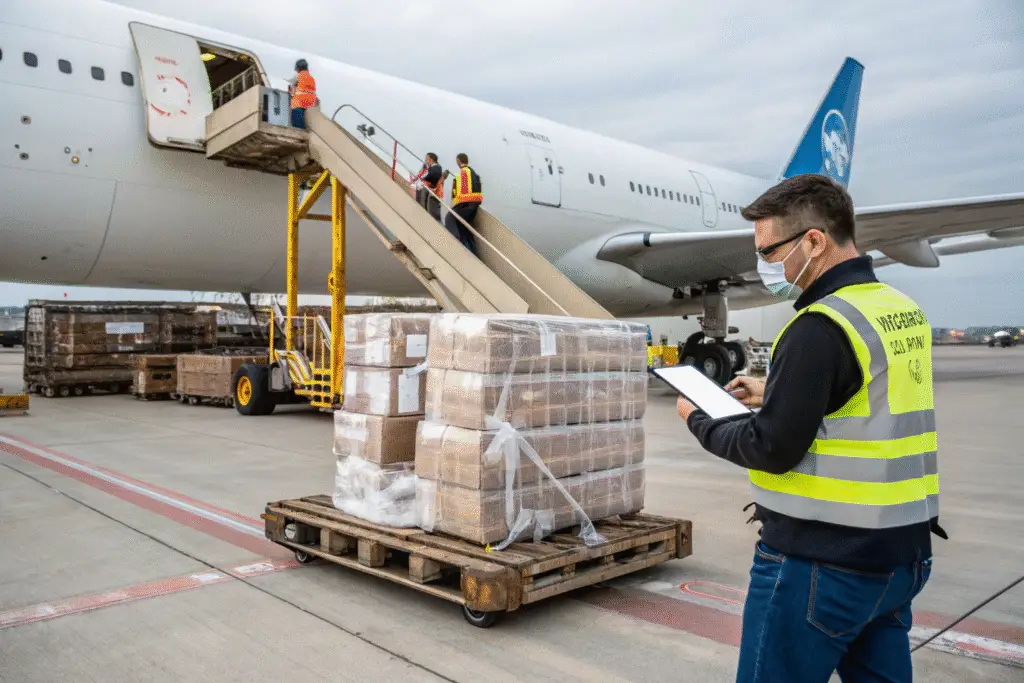
Efficient logistics are the final step to getting your products to market. For small orders, air freight is often the most practical choice, balancing cost and speed.
Air shipping is faster, which is crucial for catching selling seasons. While sea freight is cheaper for large volumes, its longer transit times and higher minimum container requirements make it unsuitable for most small batches. We handle all the logistics intricacies, offering DDP (Delivered Duty Paid) services. This means we manage the entire shipping process, and your goods arrive at your U.S. warehouse with all costs and import duties cleared.
We learned the importance of reliable logistics the hard way. In early 2023, a client's 400-piece order was delayed by a common carrier. To prevent them from missing their launch, we upgraded their shipping at our cost. Protecting our clients' timelines is part of our service promise, and we build buffer time into all our schedules to mitigate such risks.
Is DDP shipping better for small apparel orders?
For U.S. importers, DDP shipping simplifies the process significantly. It reduces your administrative burden. You get a single, all-inclusive price from the factory to your door. This makes budgeting easier and eliminates surprises with customs brokerage fees or duty calculations.
With DDP, the supplier takes on the risk and responsibility for the goods until they are delivered to you. This is a major advantage. It ensures that a complex international shipping process does not become a barrier for a brand focusing on a small, strategic order.
How can you prevent shipping delays for your first order?
Proactive communication is your best tool. Work with a factory that provides a clear production timeline and regular updates. Confirm shipping dates and tracking information as soon as they are available.
Choose a factory that understands the U.S. market and its timelines. We align our production schedules with key U.S. retail seasons and factor in potential delays from customs. We also advise clients on optimal order placement dates to ensure their products arrive with plenty of time before their launch.
Conclusion
Sourcing custom apparel with a small order quantity is a strategic process that requires the right partner. It involves finding a flexible factory, understanding the unique cost structure, implementing rigorous quality control, and choosing efficient logistics. By focusing on these key areas, you can successfully bring your designs to life, even in limited quantities. This approach allows you to test the market, manage inventory wisely, and build a solid foundation for your brand's growth without the risk and capital of a massive initial order.
If you are looking for a reliable manufacturing partner that specializes in small-batch, high-quality custom apparel, we are here to help. Let us discuss how we can bring your next collection to life. For a direct conversation about your production needs, please contact our Business Director, Elaine, at elaine@fumaoclothing.com. We are ready to become your trusted extension in China.