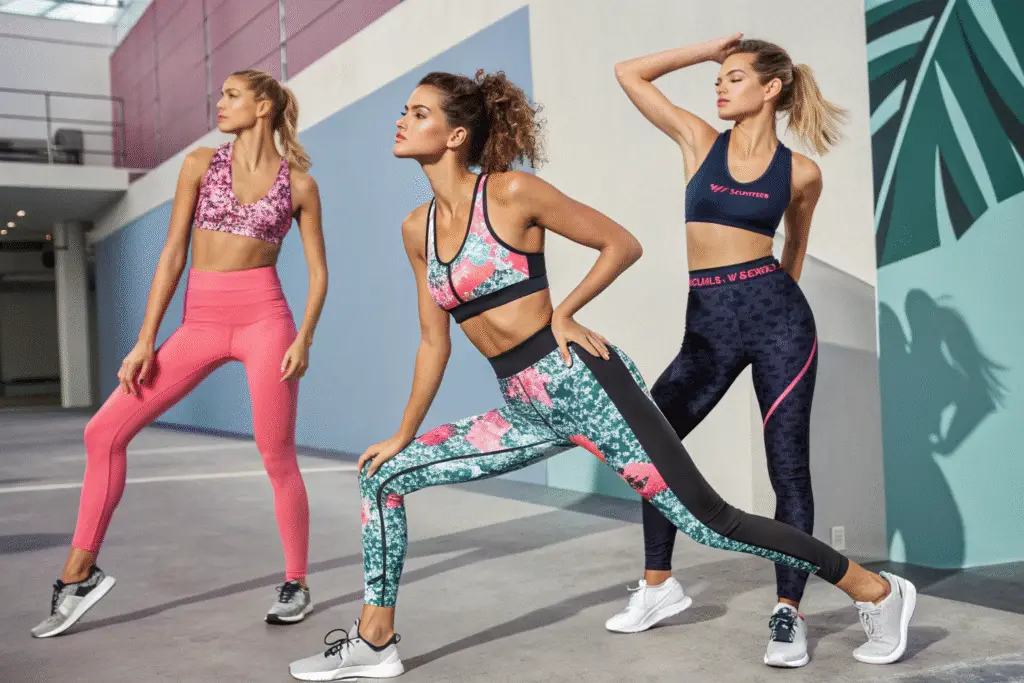
Activewear is no longer just for gyms—it has become a lifestyle category. From yoga studios to everyday streetwear, fitness apparel has grown into one of the fastest-rising segments in fashion. For fitness brands, the ability to offer custom activewear is now a powerful differentiator. Consumers want leggings, sports bras, and performance tops that reflect both function and identity.
Sourcing custom activewear means finding reliable suppliers, choosing the right fabrics, ensuring design flexibility, and balancing cost with quality. Fitness brands that succeed in sourcing gain an edge by offering products that are both stylish and durable.
As a clothing manufacturer and exporter, I have helped U.S. and European fitness brands create custom lines. Let’s dive into the essentials of sourcing activewear.
What Fabrics Work Best for Custom Activewear?
The performance of activewear depends largely on fabric selection.
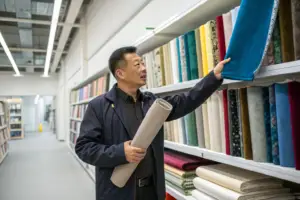
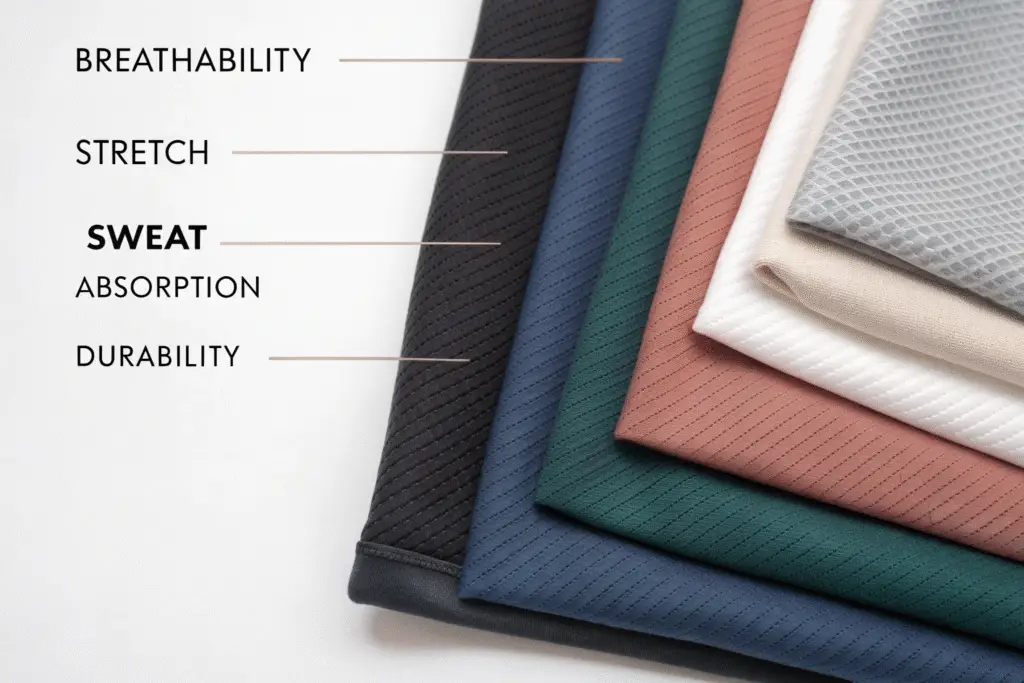
The right textiles must provide breathability, stretch, sweat absorption, and durability. Choosing the wrong fabric can damage a brand’s reputation quickly, especially in such a competitive market.
Why Is Polyester the Go-To Fabric for Activewear?
Polyester is durable, lightweight, and moisture-wicking. It is also versatile when blended with elastane for stretch. Many brands source polyester-spandex blends for leggings and compression tops. Recycled polyester, like REPREVE fabrics, is becoming popular for eco-conscious activewear.
What Role Do Natural Fabrics Play in Activewear?
While synthetics dominate, natural options like organic cotton or bamboo blends are trending for “athleisure” markets. For example, Boody uses bamboo-derived fabrics that combine softness with sustainable appeal. These are ideal for yoga and lifestyle wear, though less effective for high-intensity workouts.
How Important Is Customization in Activewear?
Customization is the heart of brand identity in fitness apparel.
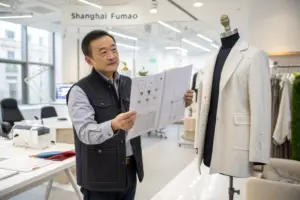
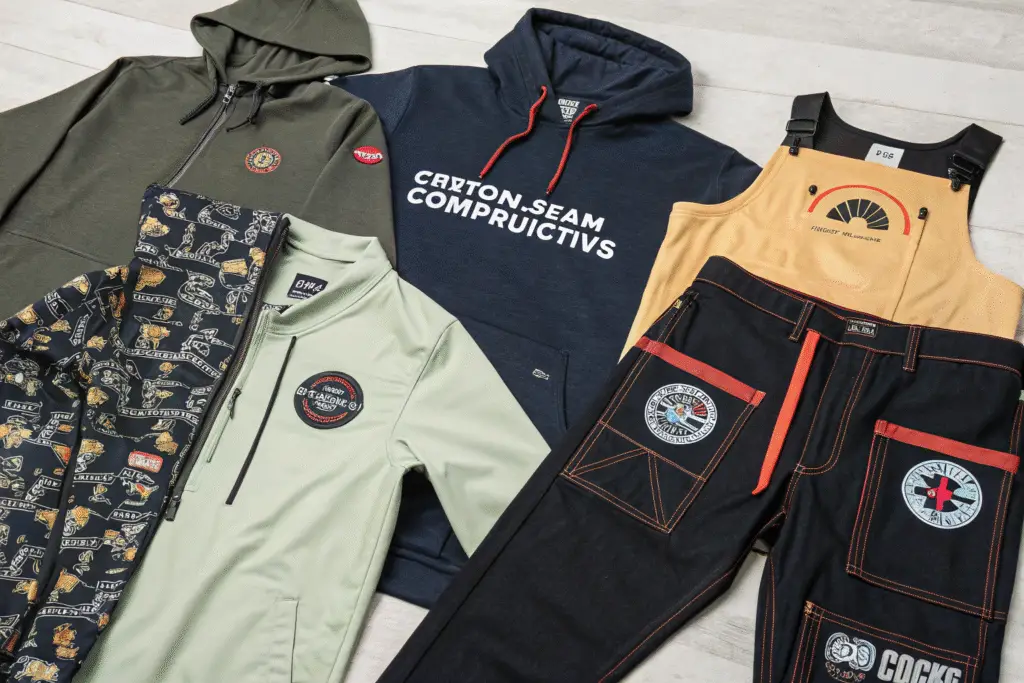
Brands that offer unique cuts, prints, and logo placements stand out. Customization also extends to technical features like pocket design, seam placement, and compression levels.
How Do Logos and Branding Add Value?
Fitness brands often place logos strategically on leggings, sports bras, and hoodies. Techniques like heat transfer printing or embroidery help ensure durability. Brands such as Gymshark built recognition through distinctive logo placements and bold designs.
Why Offer Limited-Edition Designs?
Limited runs of special colors or collaborations boost exclusivity and consumer excitement. On-demand digital printing services allow small-batch customization, reducing the risk of unsold inventory. Platforms like Printful support small brands testing unique concepts.
Where Can Fitness Brands Find Reliable Manufacturers?
Finding the right factory partner is critical.
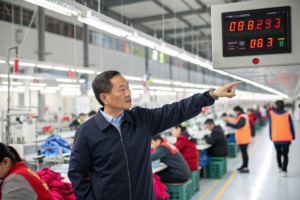
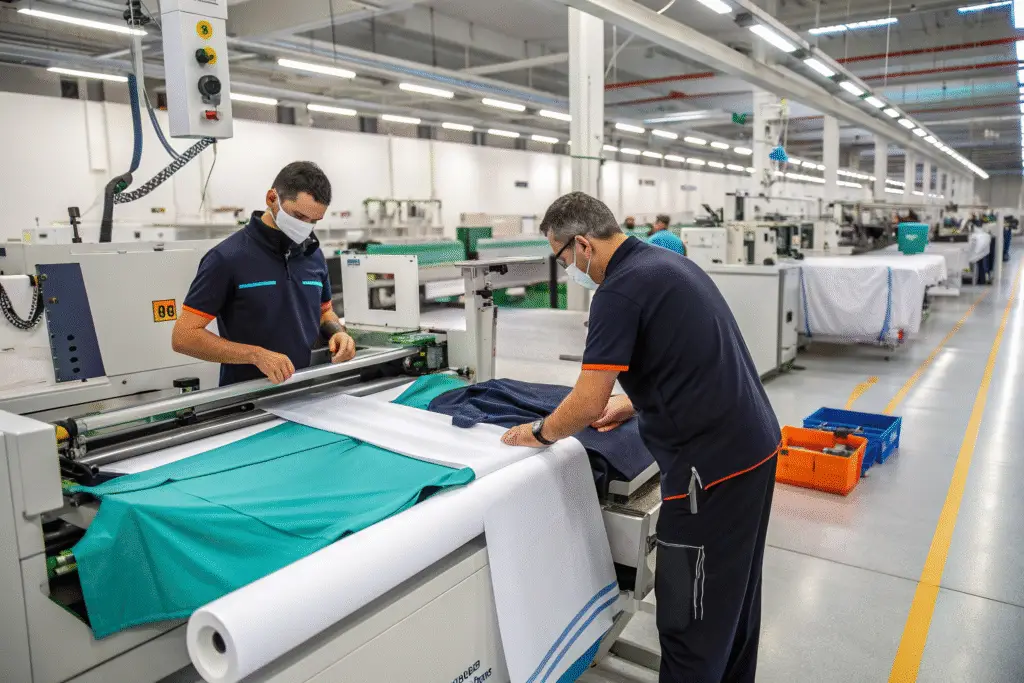
Manufacturers with expertise in sportswear know how to handle high-performance fabrics, flatlock seams, and moisture-wicking finishes. Not every apparel factory can meet these technical demands.
Should Brands Source From Asia?
Yes. Countries like China, Vietnam, and Bangladesh specialize in activewear production. Factories with certifications like OEKO-TEX and BSCI provide assurance of quality and compliance. For example, suppliers showcased at ISPO Munich are known for technical sportswear innovation.
How Do Trade Platforms Support Sourcing?
Platforms such as Alibaba or Global Sources connect buyers to verified manufacturers. However, fitness brands should always request samples and conduct quality checks before committing to bulk orders.
How to Balance Cost, Quality, and Minimum Orders?
Activewear sourcing must consider budgets and minimum order quantities (MOQs).
Custom pieces often cost more, but the payoff is higher brand loyalty and premium pricing. The challenge is finding factories that balance flexibility with affordability.
Are Higher Costs Justified in Activewear?
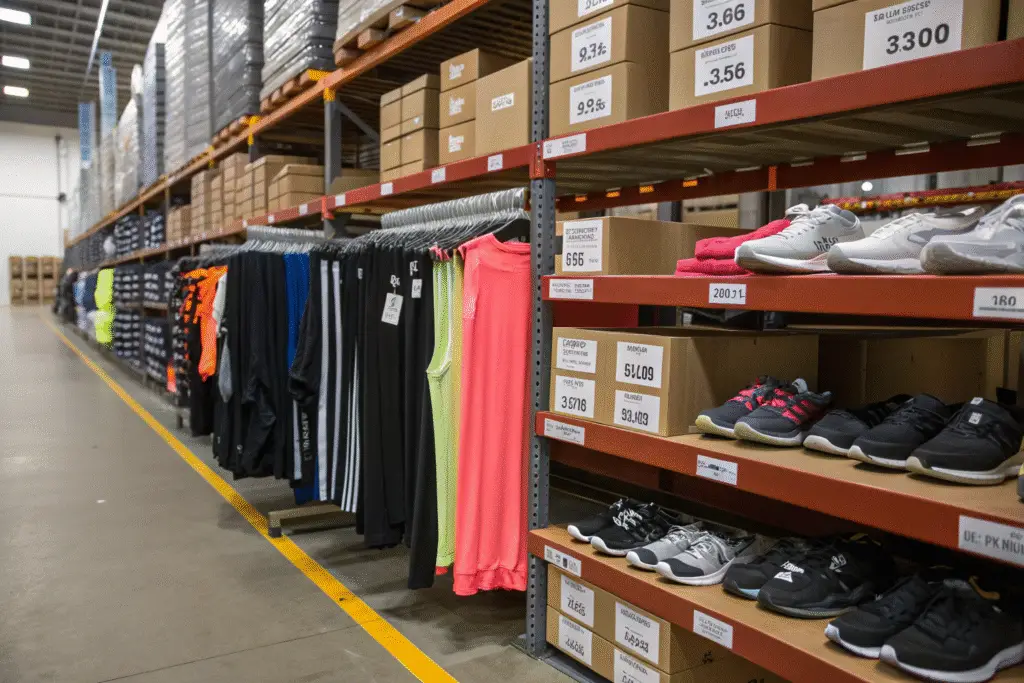
Yes. Consumers expect durability and comfort in fitness apparel. Cutting corners on fabric or stitching leads to negative reviews and returns. Brands that invest in quality—like Lululemon—build long-term customer loyalty despite premium prices.
How to Negotiate MOQs With Factories?
Large suppliers often require high MOQs, but boutique factories or custom manufacturers may allow smaller runs. This flexibility is crucial for startups. Clear communication, detailed tech packs, and long-term partnership goals can help in negotiations.
Conclusion
Sourcing custom activewear requires thoughtful choices in fabrics, design customization, manufacturer partnerships, and cost management. Fitness brands that succeed in these areas create products that perform well, look stylish, and resonate with their target audiences.
At Shanghai Fumao, we specialize in manufacturing custom activewear tailored for U.S. and European fitness brands. From fabric sourcing to logo customization and quality control, our factory ensures top performance at competitive pricing.
If you are looking to launch or expand your activewear line, contact our Business Director, Elaine, at elaine@fumaoclothing.com. Together, we can bring your brand’s fitness vision to life.