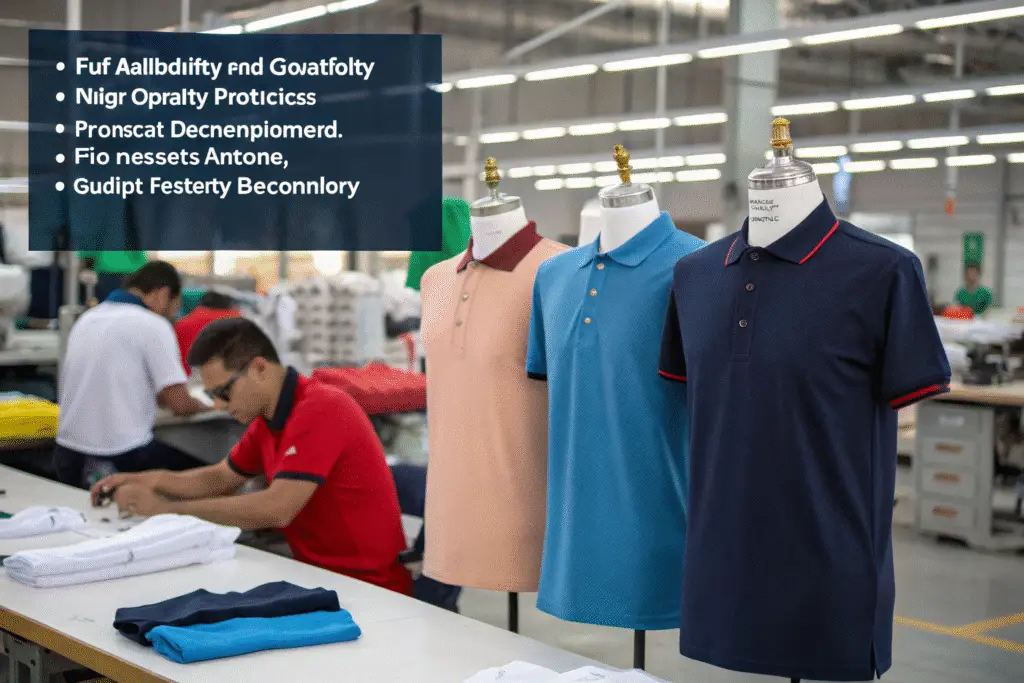
Finding the perfect men's polo shirt for your brand can feel like a huge challenge. You want a shirt that looks great, feels comfortable, and stands up to your customers' expectations. But how do you find a supplier who can deliver on all these points without causing you headaches?
Sourcing comfortable and stylish men's polo shirts involves identifying a manufacturer with expertise in high-quality fabrics, modern construction techniques, and reliable production processes. The key is to partner with a full-service apparel factory that offers end-to-end solutions, from material sourcing and product development to strict quality control and dependable logistics, ensuring you get a superior product that aligns with current market trends.
This process might seem complex, but it can be broken down into manageable steps. We will guide you through the entire journey, from understanding the core elements of a great polo to ensuring your shipment arrives on time. Keep reading to transform your sourcing strategy and secure polo shirts that will boost your brand's reputation and profits.
What Are The Key Features Of A High-Quality Men's Polo Shirt?
You know a great polo shirt when you see and feel one. But for your business, you need to know what to specify to your supplier. The difference often lies in the details of fabric and construction.
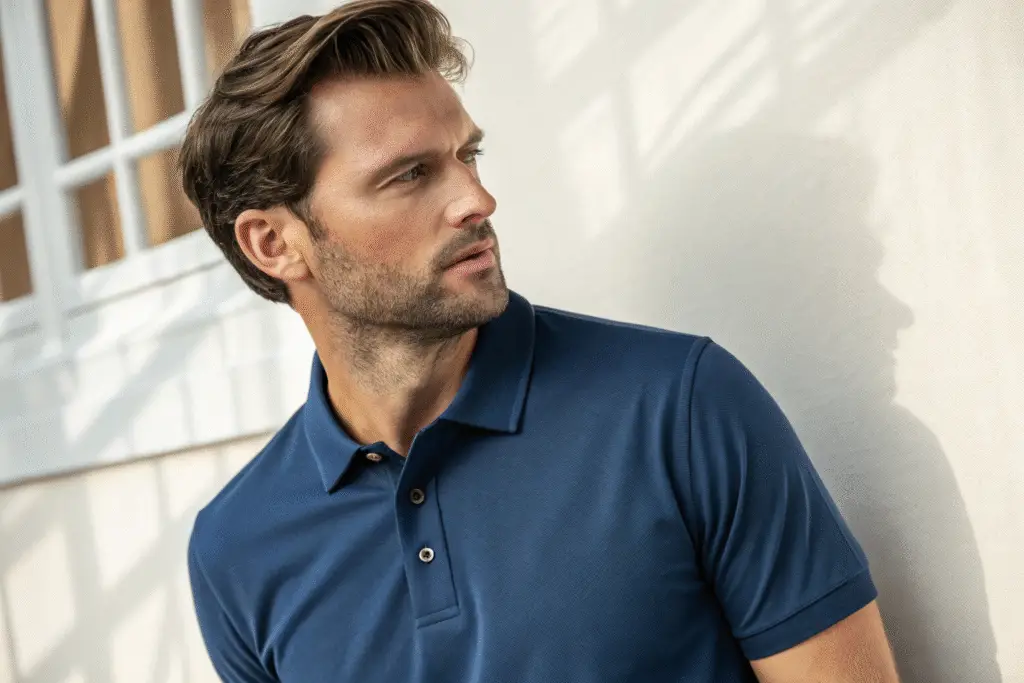
A high-quality men's polo shirt is defined by its premium fabric, durable construction, and thoughtful design details that enhance both comfort and longevity. It should retain its shape, resist pilling, and offer a flattering fit wash after wash, meeting the expectations of discerning consumers.
What fabric blends are best for comfort and durability?
The fabric is the heart of the polo shirt. The right blend determines how the shirt feels, breathes, and lasts. For years, we've seen that a high-grade 100% cotton, like combed or ring-spun cotton, offers exceptional softness and breathability. It's a classic choice for everyday comfort. However, for brands targeting an active lifestyle or seeking easier care, blending cotton with synthetic fibers is the answer. A common and excellent blend is cotton with polyester. This combination increases the shirt's durability, reduces wrinkling, and improves color retention. For performance-oriented polos, look for fabrics that include a small percentage of spandex. This adds stretch for better freedom of movement and helps the shirt maintain its shape over time. The choice of knit is also crucial. A well-made pique knit, with its textured pattern, is not only traditional but also highly durable and good at hiding minor stains.
How does construction impact the shirt's style and longevity?
Superior construction is what transforms good fabric into a great shirt. It's the difference between a polo that falls apart after a few washes and one that becomes a customer favorite. Pay close attention to the collar. A high-quality polo will have a collar with adequate interlining to prevent curling and sagging. It should look crisp, even after repeated washing. The placket (the part with the buttons) should be firmly stitched and lie flat against the body. Look for reinforced stitching at all major stress points, like the shoulders, armholes, and side seams. This prevents tearing and ensures the shirt can handle active wear. Another sign of quality is the hem. A taped neckline and a well-finished hem, often with a coverstitch, lay flat and resist twisting. These details might seem small, but they are critical for a polished appearance and long-term durability.
How To Find A Reliable Polo Shirt Manufacturer For Your Brand?
Finding a factory is easy. Finding a reliable partner who understands your quality and timeline needs is the real task. This step is where many brands face their biggest challenges, from communication breakdowns to shipment delays.
To find a reliable polo shirt manufacturer, you should vet potential partners based on their proven expertise, quality certifications, and communication transparency. Look for a factory with a strong track record in producing polo shirts and one that offers a full-package service, managing everything from material sourcing to final export, thus simplifying your supply chain.

What should you look for in a manufacturer's profile?
Your first filter should be the manufacturer's specific experience. Don't just choose a general apparel factory. Look for one that explicitly lists men's polo shirts in their product portfolio. Examine their website for case studies or client testimonials. A professional manufacturer will be transparent about their capabilities, such as their number of production lines and main export markets. For instance, our factory, Fumao, has 5 dedicated production lines and extensive experience shipping to North America. This specific experience means we understand the fabric, construction, and quality standards your market demands. Also, verify their business model. Since you are a brand owner, you need a true B2B partner that works with wholesalers and handles customization, not a retailer or a platform that sells single units. Certifications are also a key indicator.
Why is clear communication with your supplier critical?
Inefficient communication is a major pain point we often hear about from new clients. It leads to costly mistakes, delayed samples, and frustration. A reliable manufacturer assigns a dedicated point of contact, like a sales representative or a project manager, who understands your project inside and out. They should respond to your inquiries promptly and clearly. Before you commit, test their communication. Send an email with specific questions about polo shirt production. See how quickly and thoroughly they respond. Do they ask clarifying questions? Do they provide detailed information? This initial interaction is a preview of your future working relationship. A good partner will also proactively provide updates on your order's status without you having to chase them down. This transparency is essential for building trust and ensuring you never face the nightmare of a missed selling season due to a delayed shipment.
What Is The Process Of Developing And Producing Custom Polo Shirts?
The journey from a simple idea to a box of finished, custom-branded polo shirts at your warehouse is a multi-stage process. Understanding this process helps you set realistic timelines and manage your expectations.
The process of developing custom polo shirts typically follows these stages: design and prototyping, fabric and trim sourcing, sample creation and approval, bulk production with in-line quality checks, and final inspection before shipping. A professional manufacturer will guide you through each step, ensuring your specifications are met precisely.
How does the sampling process work?
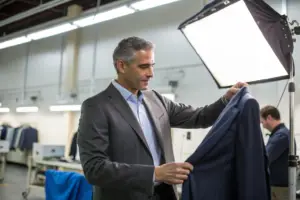
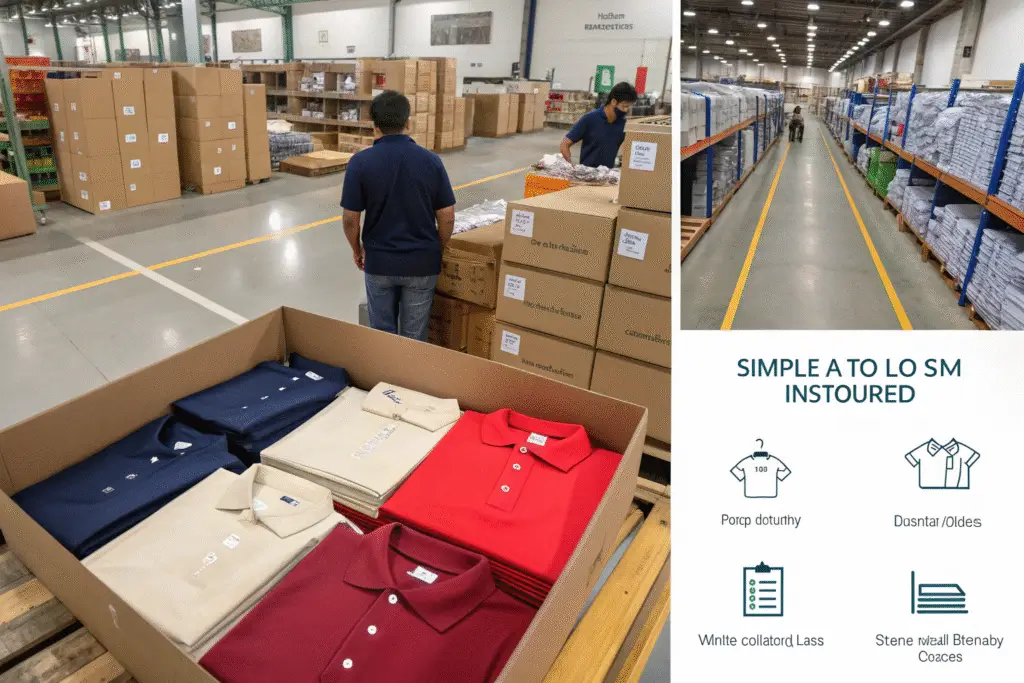
The sampling process is your opportunity to see and feel your design come to life before mass production begins. It usually starts with a tech pack review. You provide your designs, and the factory's technical team creates detailed specifications. Then, they create a prototype sample. This first sample checks the basic fit and style. Once you approve that, a fit sample is made in a size medium to perfect the measurements. The next critical stage is the pre-production sample (PPSS). This sample is made with the actual fabrics, trims, and colors you selected for bulk production. You must approve this sample before the factory starts cutting the fabric for your entire order. This step is crucial to avoid costly errors. A professional factory will not proceed without your signed approval on the PPSS, protecting both you and them.
What happens during bulk production and quality control?
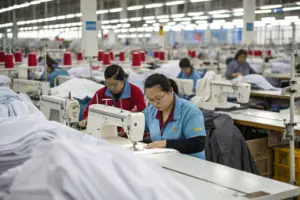
Once you approve the pre-production sample, the factory moves to bulk production. This involves fabric cutting, sewing, embroidery or printing, washing, and finishing. However, production is not just about speed. A key differentiator for a quality manufacturer is in-line quality control. This means quality checks are happening throughout the production process, not just at the end. An inspector might check the cut fabric panels for flaws, check the stitching on the first few sewn shirts, and monitor the application of your custom logo. This proactive approach catches issues early, saving time and money. Finally, when the entire order is complete, a final random inspection (FRI) is conducted. A certain percentage of the shirts are pulled from the packed cartons and thoroughly inspected against your approved sample and quality standards. This ensures the shipment you receive meets your expectations.
You've developed the perfect polo shirt. Now, you need it in your warehouse on time to hit your selling season. Navigating logistics and import rules is the final, critical hurdle.
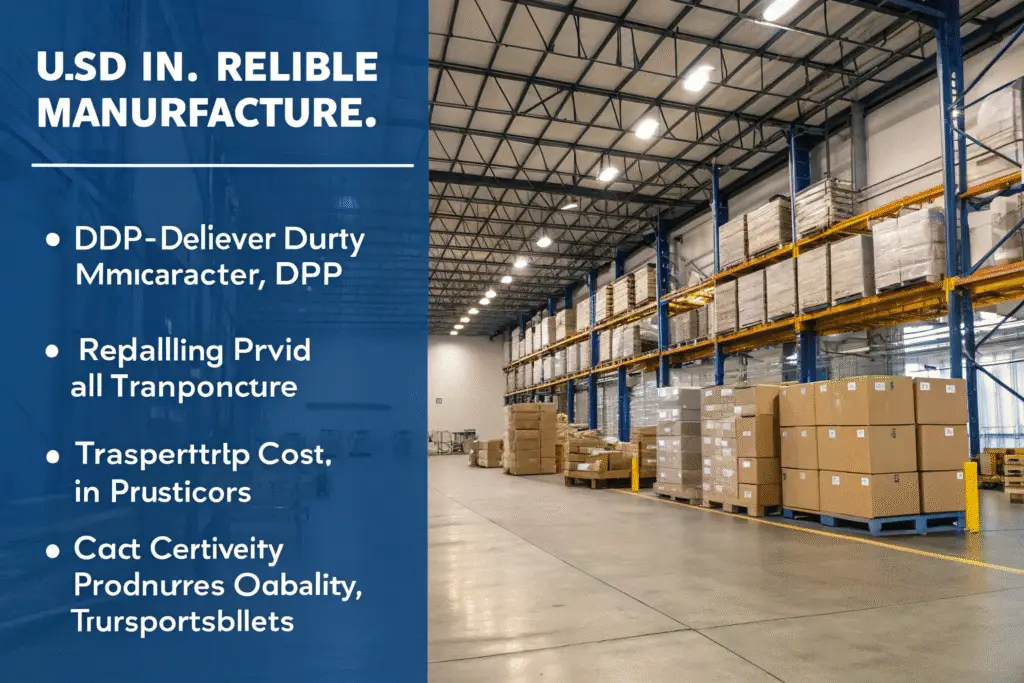
To ensure timely delivery, partner with a manufacturer that has established logistics expertise and offers comprehensive services like DDP (Delivered Duty Paid). This Incoterm means the supplier handles all transportation, duties, and risks until the goods arrive at your designated warehouse in the U.S., providing you with cost certainty and a simplified process.
What are the advantages of choosing a DDP supplier?
For U.S. importers, choosing a DDP (Delivered Duty Paid) supplier is one of the smartest decisions you can make. In a DDP agreement, the seller (us, the manufacturer) is responsible for all costs and risks associated with shipping the goods to your door in the United States. This includes the ocean freight, insurance, export and import clearance, and all applicable duties and taxes. The major advantage for you is cost predictability. You get one all-inclusive price, with no surprise fees when the shipment arrives. It also simplifies your work. You don't need to hire a customs broker or manage the complex import process yourself. Your focus can remain on marketing and selling your products, while we handle the logistics. This model directly addresses the pain point of logistical complexity and uncertainty.
How can you prevent common shipping delays?
Prevention is always better than cure. Many shipping delays can be avoided with proactive planning. First, confirm the factory's production lead time and build in a buffer for unexpected issues. Place your order well in advance of your actual deadline. Second, ensure all your documentation, such as the commercial invoice and packing list, is accurate and provided promptly. Errors in paperwork are a common cause of customs holds. Third, work with a manufacturer that has strong relationships with freight forwarders and shipping lines. This allows them to secure space on vessels quickly, even during peak seasons. Finally, choose a partner that provides you with real-time tracking information. Knowing the exact location of your shipment provides peace of mind and allows you to plan your warehouse receiving schedule efficiently.
Conclusion
Sourcing comfortable and stylish men's polo shirts is a detailed process that hinges on choosing the right manufacturing partner. It requires a deep focus on quality materials and construction, a transparent and communicative supplier relationship, a clear development and production workflow, and a robust logistics plan. By paying attention to these key areas, you can build a reliable supply chain that delivers products your customers will love and that drive your brand's growth.
Mastering this process allows you to offer superior value to your market. You can provide high-quality, stylish polo shirts that stand out, all while maintaining healthy profit margins through efficient sourcing. The goal is to turn the challenge of overseas manufacturing into your competitive advantage. If you are ready to streamline your sourcing and partner with a factory that prioritizes your success, we are here to help. Let's discuss how we can bring your next collection of men's polo shirts to life. For a direct conversation about your production needs, please contact our Business Director, Elaine, at elaine@fumaoclothing.com.