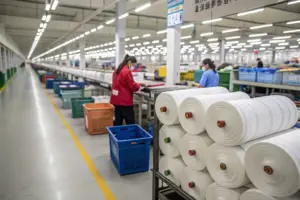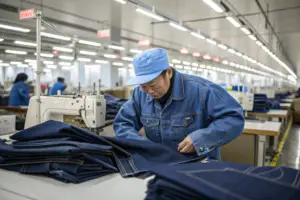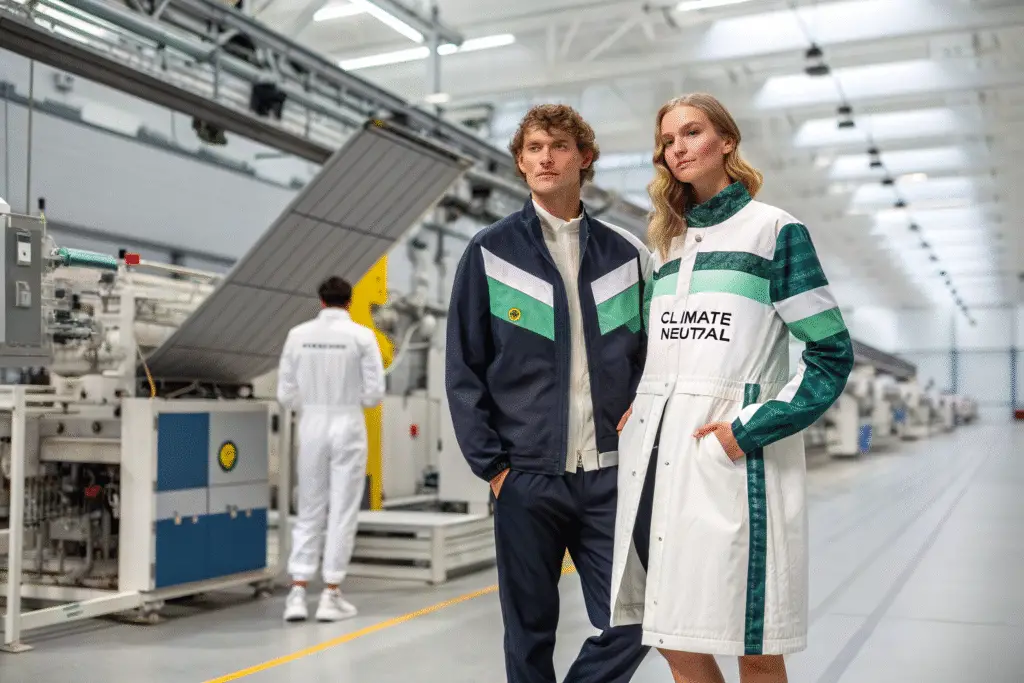
In recent years, I have noticed that U.S. apparel buyers are becoming more focused on sustainability. They want not just good-looking clothes, but garments that reflect climate responsibility. Many of them ask me: how do I source clothing lines that are truly climate-neutral? I understand this concern well, because sustainability is no longer just a marketing point—it is a business necessity.
Sourcing climate-neutral clothing lines means partnering with factories that reduce carbon emissions, use eco-friendly materials, and apply offsetting strategies to deliver apparel with zero net impact on the climate.
This is not just about following regulations; it is about winning consumer trust. More buyers now ask for transparency, certifications, and proof of climate action. Let me share how to achieve this.
Why Choose Climate-Neutral Apparel?
Climate-neutral apparel is not just a trend; it is the future of fashion. Brands that adopt it position themselves as leaders in sustainability while reducing business risks from changing regulations.
Climate-neutral apparel builds brand reputation, attracts eco-conscious consumers, and aligns with global climate goals.
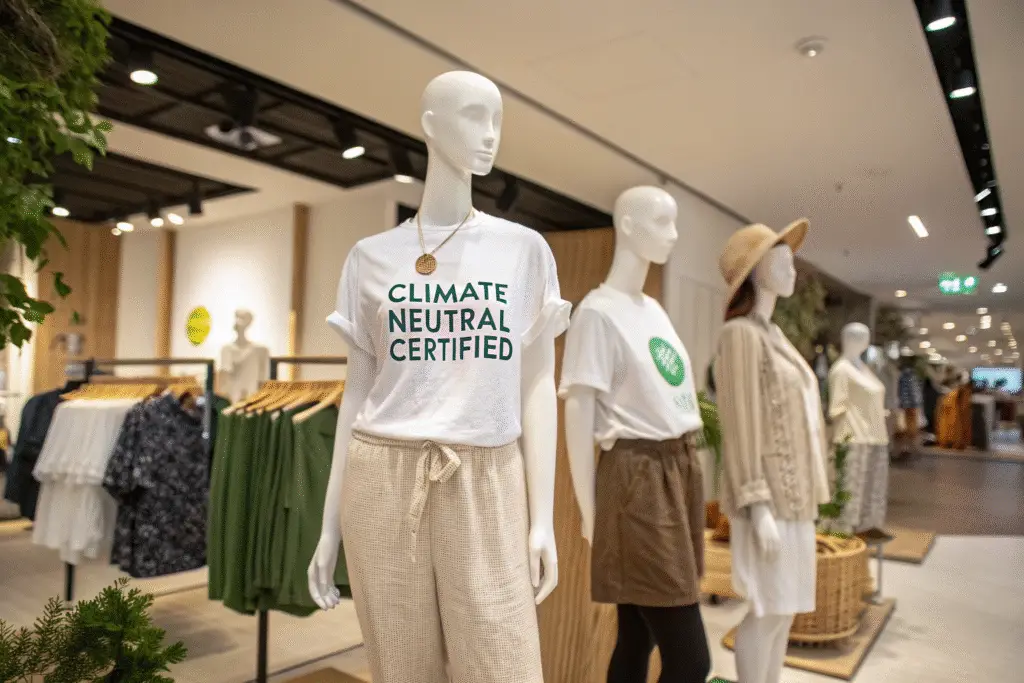
Does It Increase Brand Value?
Yes. According to Statista, over 60% of consumers worldwide prefer eco-friendly brands. Climate-neutral apparel helps businesses tap into this growing market.
How Does It Reduce Business Risk?
By preparing early for climate regulations, brands avoid penalties and gain long-term stability. For more insight, check UN Climate Action fashion initiative.
What Fabrics Are Suitable For Climate-Neutral Clothing?
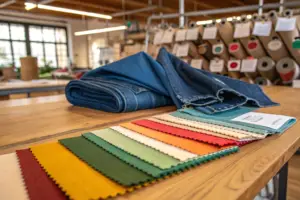
Material selection plays a key role in achieving climate neutrality. Fabrics must be both sustainable and durable to meet buyer expectations.
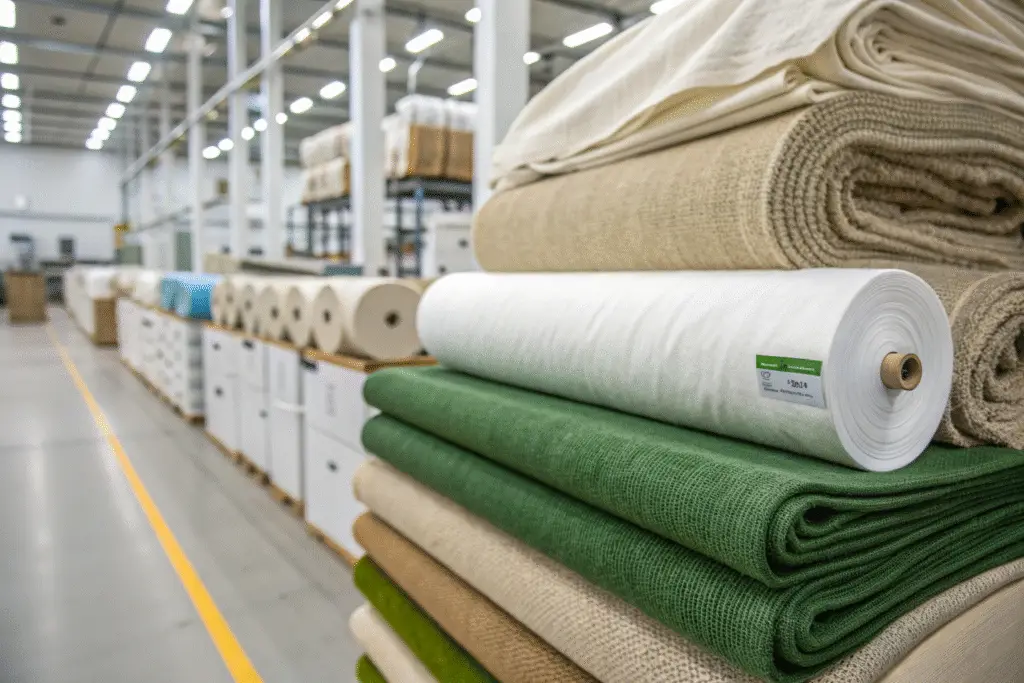
Popular fabrics include organic cotton, recycled polyester, hemp, bamboo, and Tencel.
Which Fabrics Have The Lowest Carbon Footprint?
Organic cotton and hemp are top choices due to their low water usage and biodegradability. Learn more at Textile Exchange.
Can Luxury Apparel Use Climate-Neutral Fabrics?
Yes. Recycled polyester with luxury finishes, or Tencel blends, create premium yet sustainable garments. More examples available at Fashion for Good.
How To Verify Factory Certifications?
The biggest worry for U.S. buyers is whether climate-neutral claims are real. This is why certifications are essential.
Verified certifications prove that garments meet international sustainability standards and climate-neutral benchmarks.

Which Certifications Should I Trust?
Key ones include Climate Neutral Certified, Global Recycled Standard (GRS), OEKO-TEX, and Bluesign. See Climate Neutral’s certification program.
How Do I Avoid Greenwashing?
Always request third-party audits, production reports, and supply chain transparency. A reliable guide is Sustainable Apparel Coalition.
What About Shipping And Logistics?
Even if fabrics and production are eco-friendly, long-distance shipping still creates emissions. This is where climate-neutral logistics comes in.
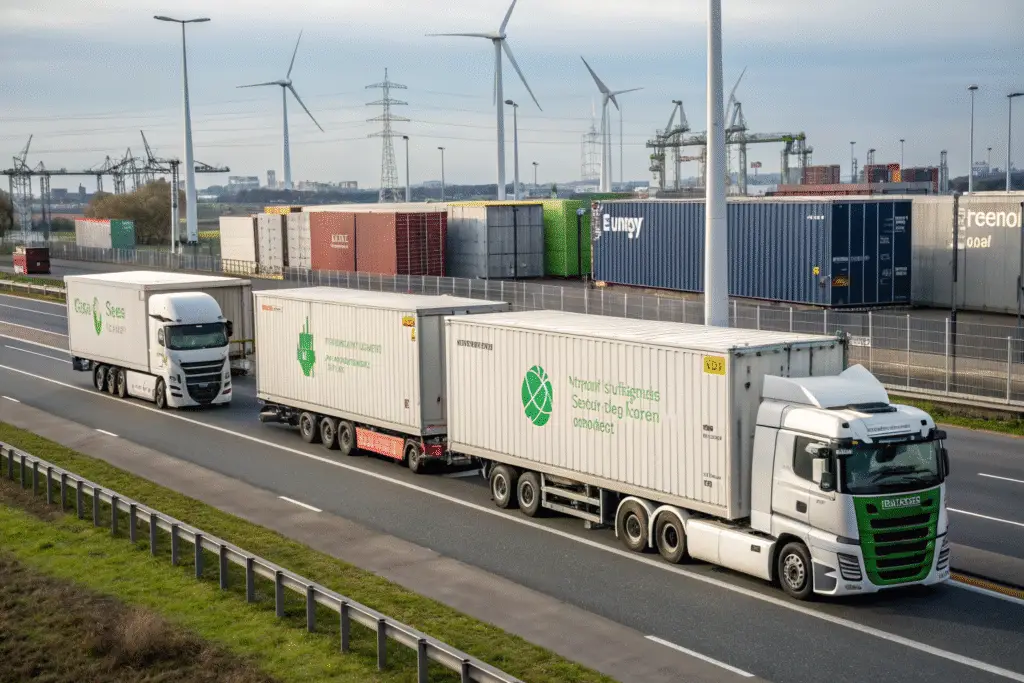
Climate-neutral shipping involves using low-emission transport and carbon offsetting programs.
Can International Shipping Be Climate-Neutral?
Yes. Many logistics companies now offer carbon-neutral shipping services. Check DHL’s GoGreen logistics.
How Do Offsetting Programs Work?
Factories and buyers can offset unavoidable emissions by investing in renewable energy or forest protection projects. Learn more from Gold Standard carbon offsetting.
Conclusion
Sourcing climate-neutral clothing lines is a step every forward-thinking apparel brand should take. It ensures compliance with future regulations, appeals to eco-conscious consumers, and helps fight climate change. From fabrics to certifications to logistics, every detail matters.
At Shanghai Fumao, we work with sustainable fabrics, certified processes, and climate-conscious logistics partners. If your brand wants to build a climate-neutral apparel line, contact our Business Director, Elaine, at strong>elaine@fumaoclothing.com</strong and let’s create a sustainable future together.