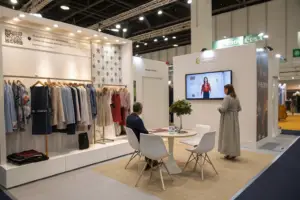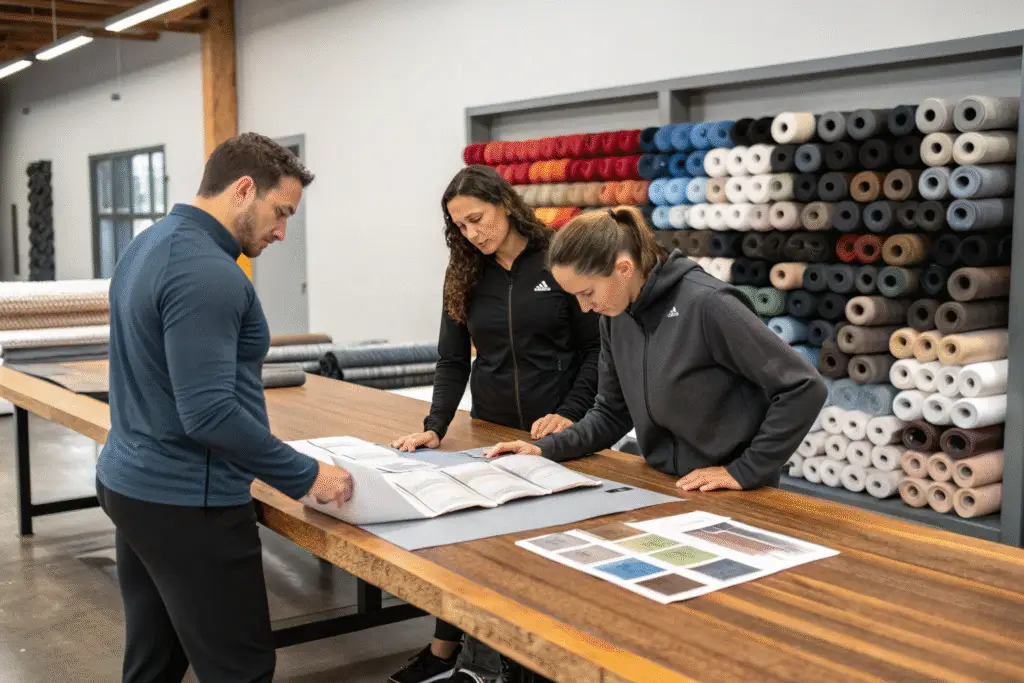
Athleisure wear has moved from a passing trend to a permanent category in the global fashion industry. Consumers expect comfort, style, and performance all in one garment. For brands, this means sourcing not just any fabric, but high-quality technical fabrics that deliver breathability, stretch, moisture-wicking, and durability.
As a manufacturer with years of experience supplying U.S. and European brands, I know that sourcing technical fabrics for athleisure requires a strategic approach. The right sourcing process can mean the difference between a best-selling collection and unsold inventory.
This article will guide you through the sourcing process, fabric selection, supplier partnerships, and quality control—key steps for ensuring your athleisure products meet market expectations.
What Defines a High-Quality Technical Fabric?
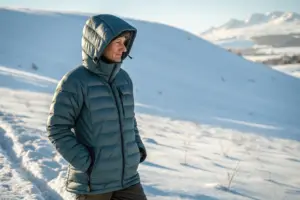
Technical fabrics are engineered to offer performance features such as moisture management, breathability, flexibility, and UV protection. These are essential for athleisure wear, which combines sportswear functionality with casual fashion appeal.
For buyers, knowing the fabric’s specifications is as important as knowing the garment’s design. This includes understanding fiber content, finishing processes, and performance test results.
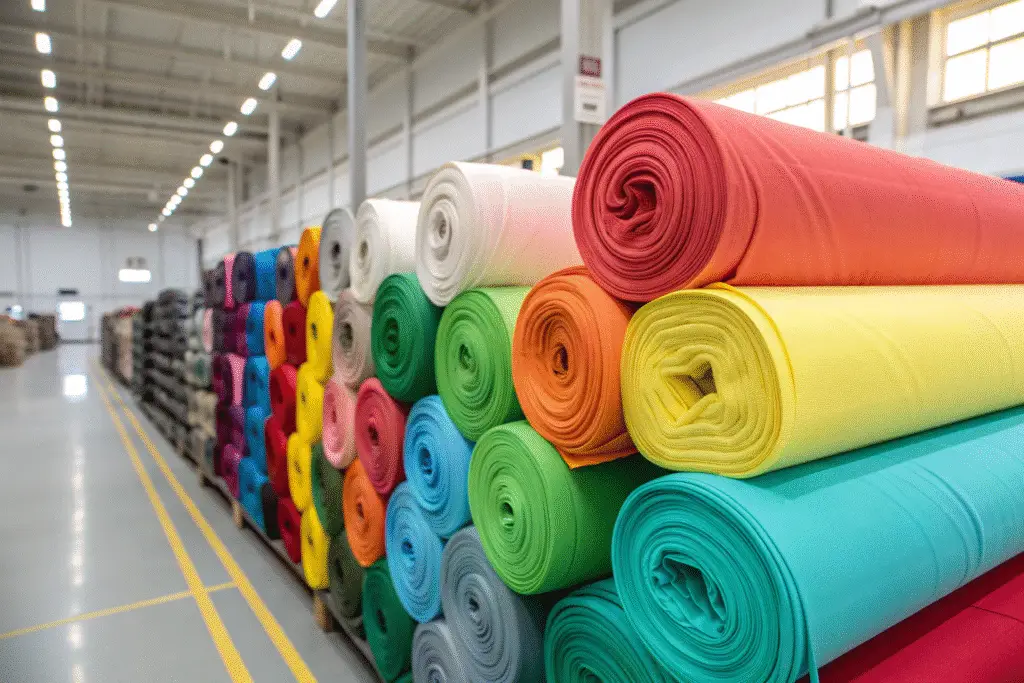
How do performance tests ensure fabric quality?
Performance fabrics undergo tests for stretch recovery, colorfastness, and moisture-wicking ability. Resources like SGS textile testing and Intertek quality services explain these testing protocols.
What fiber blends are common in athleisure wear?
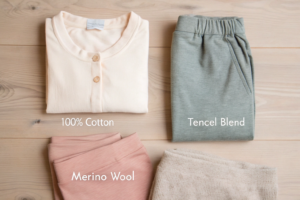
Popular blends include polyester-spandex for stretch, nylon for durability, and bamboo-viscose for softness. Check Textile Exchange fiber guidelines and FiberSource fabric knowledge for detailed breakdowns.
How to Choose the Right Fabric Supplier?
Selecting the right supplier goes beyond comparing price lists. It involves evaluating technical capabilities, sustainability practices, and consistency in quality.
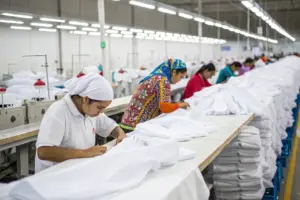
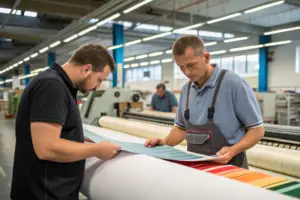
In our own sourcing process, we visit suppliers’ mills, inspect machinery, and request third-party certifications before placing any orders. This ensures we work only with reliable partners.
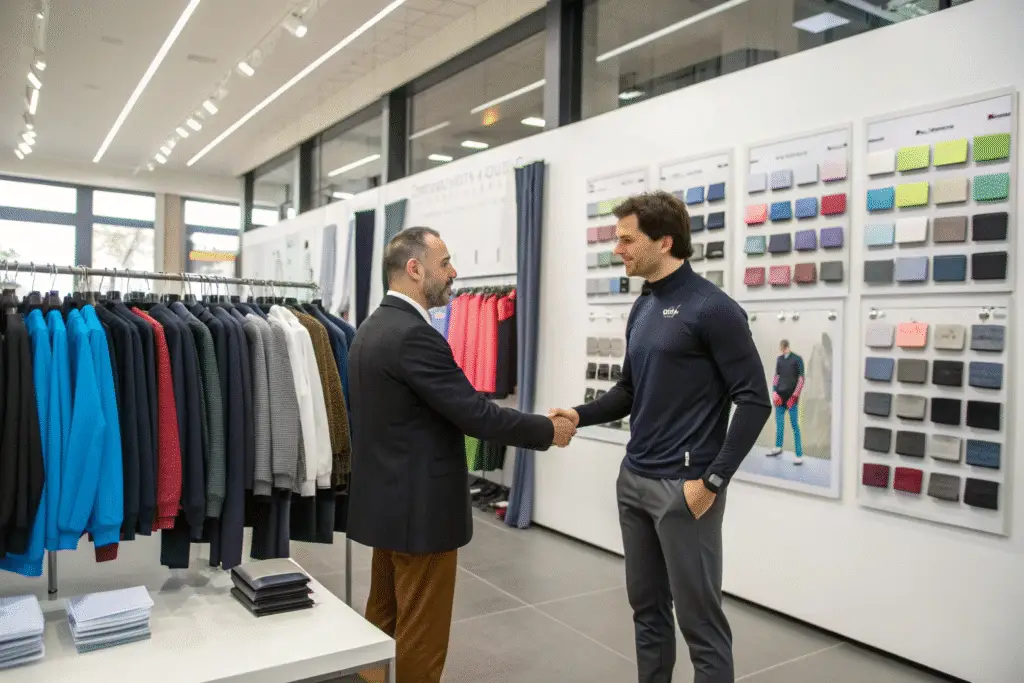
Which certifications matter for technical fabric sourcing?
Certifications like OEKO-TEX Standard 100 ensure fabrics are free from harmful chemicals, while Bluesign certifies sustainable and safe production processes.
How do supplier audits reduce sourcing risks?
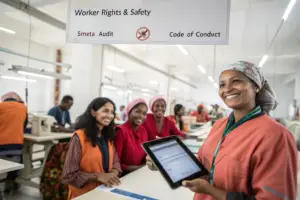
Audits verify production capacity, quality control systems, and compliance with labor laws. Platforms like Sedex and Bureau Veritas provide audit services for textile supply chains.
What Are the Key Considerations in Fabric Customization?
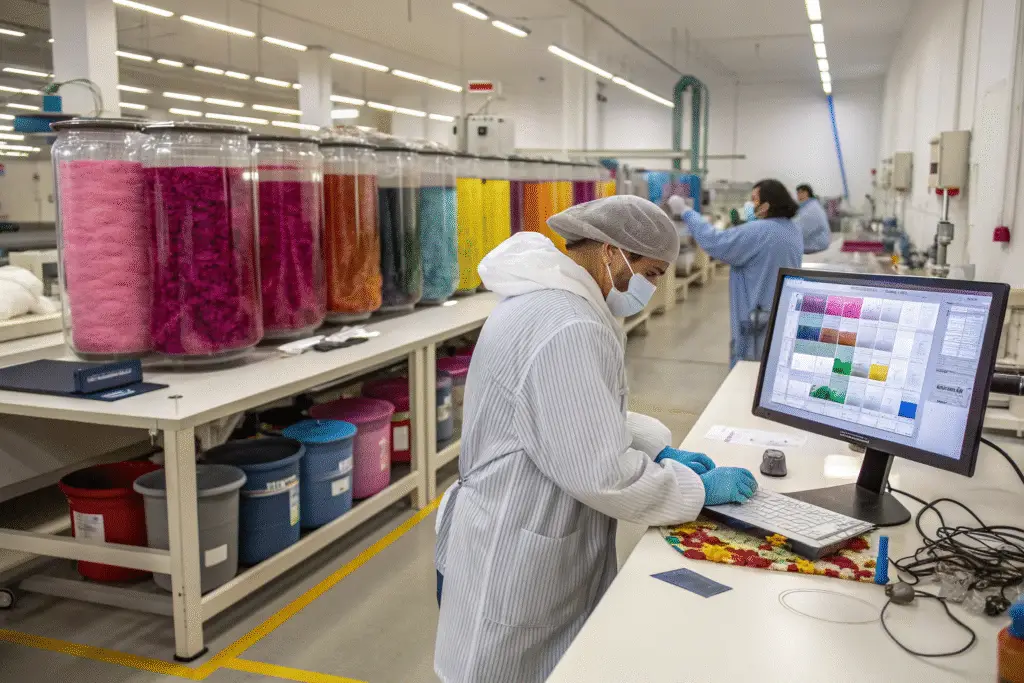
Customization allows brands to differentiate their athleisure products. This can mean custom dyeing, special prints, or proprietary fabric blends designed for specific performance goals.
We often collaborate with brands to develop unique fabric finishes—whether it’s anti-odor treatment or enhanced UV resistance. These add value and market appeal.
How to balance customization with lead time?
Custom fabrics require longer lead times, so aligning product launch calendars with fabric development is crucial. Read Fashion Business Manual timelines and Sourcing Journal production tips for planning guidance.
Can small brands afford fabric customization?
Yes, through low-MOQ programs offered by suppliers on platforms like Alibaba and Global Sources. These options help brands test the market without overcommitting.
How to Maintain Quality Control in Athleisure Fabric Sourcing?
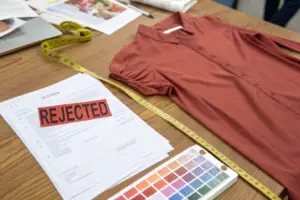
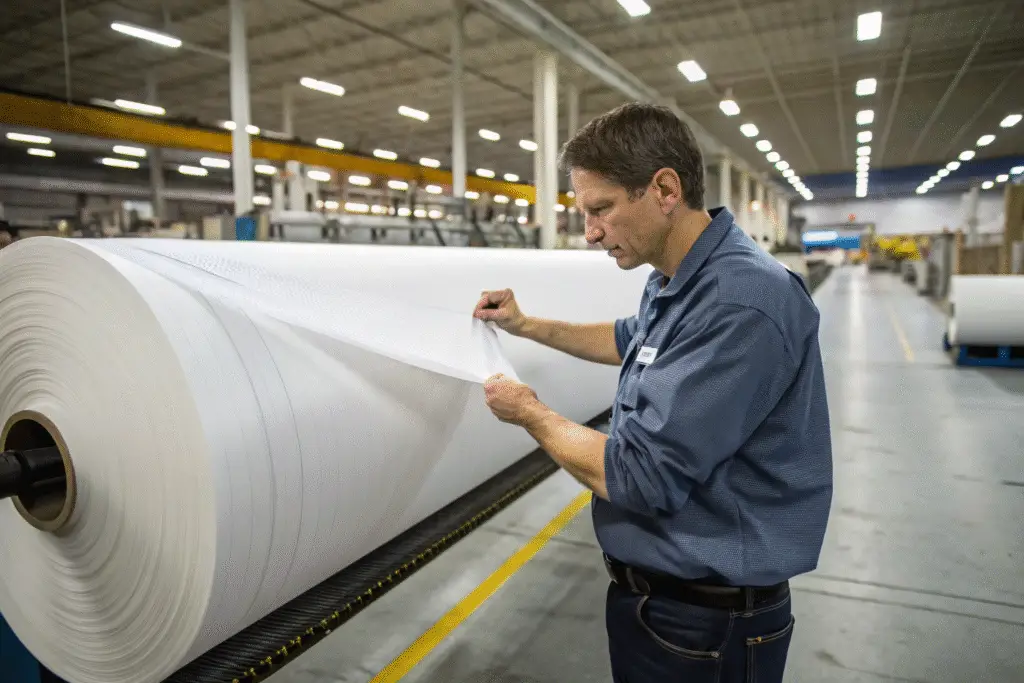
Quality control is critical in sourcing technical fabrics because performance failures can damage brand reputation. This means checking every batch for consistency in weight, stretch, and finish.
In our facility, we combine in-house inspection with third-party testing to ensure our clients receive exactly what they ordered.
What in-house tests should be performed?
Basic in-house tests include stretch and recovery, pilling resistance, and wash durability. Refer to AATCC testing standards and ASTM textile test methods for guidelines.
Why use third-party quality control?
Independent labs provide unbiased reports, which are valuable for resolving disputes with suppliers. Companies like QIMA and TÜV SÜD specialize in textile quality assurance.
Conclusion
Sourcing athleisure wear with technical fabrics is both an art and a science. It requires understanding performance textiles, building strong supplier relationships, customizing fabrics to your brand’s needs, and implementing rigorous quality control.
If your brand is ready to enter or expand in the athleisure market, Shanghai Fumao Clothing can guide you from fabric selection to final garment delivery. Our expertise ensures your products meet performance and style expectations. Contact our Business Director Elaine at elaine@fumaoclothing.com to start your sourcing journey.