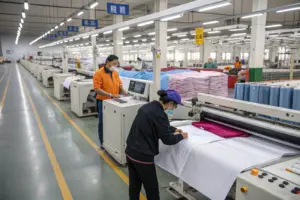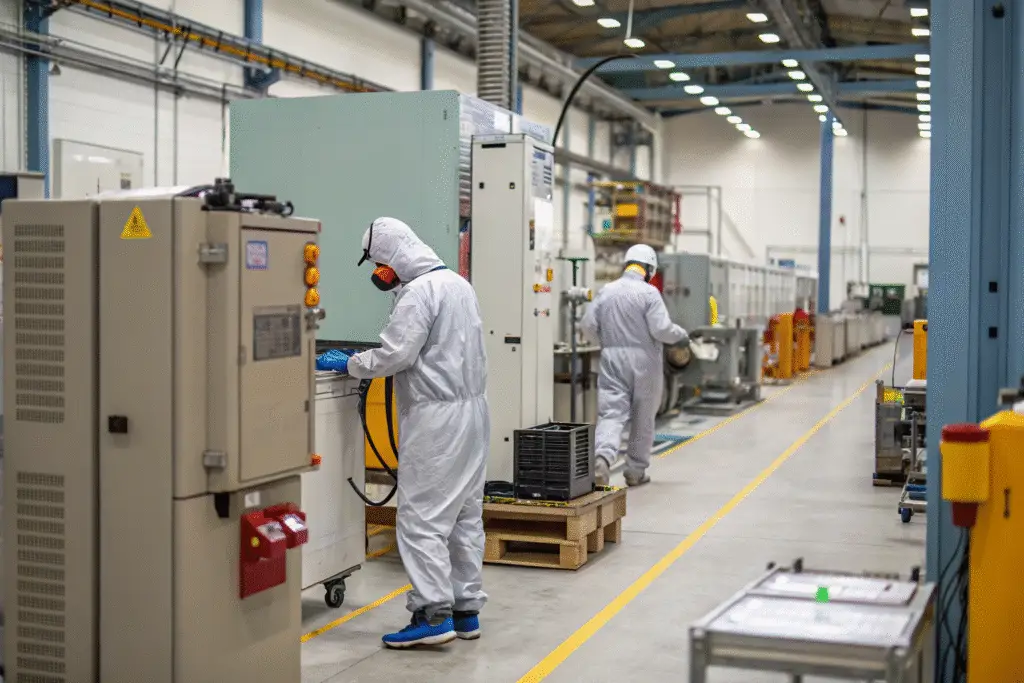
In many industries, the risk of static electricity is invisible but extremely dangerous. A small spark generated by friction between fabrics or movement of workers can be enough to ignite flammable vapors, cause explosions, or damage sensitive microelectronics worth thousands of dollars. That is why anti-static workwear is no longer optional—it has become an essential part of occupational safety programs worldwide.
Sourcing anti-static workwear requires a detailed approach: understanding the industries at risk, verifying fabric performance, demanding certified test reports, and working with manufacturers who specialize in protective clothing. This ensures that workers are protected while brands meet strict international compliance standards.
Over the years, I have seen U.S. and European buyers shift from purchasing generic uniforms to demanding high-performance garments specifically designed with anti-static, flame-retardant, or ESD-safe features. Their motivation is clear: one shipment of non-compliant uniforms can lead to failed audits, delayed contracts, or worse—serious accidents on site.
Why Is Anti-Static Workwear Essential?
Electrostatic discharge (ESD) occurs when electrical charges build up and suddenly release, creating sparks. While harmless in daily life, in industrial environments this can have catastrophic consequences.
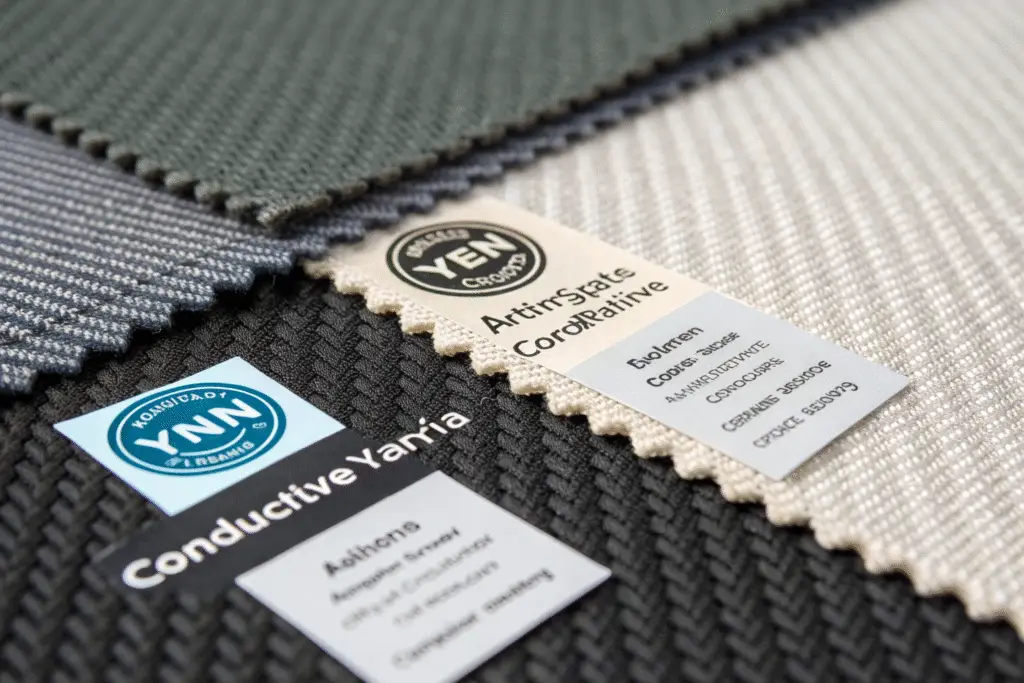
Anti-static clothing solves this by using conductive fibers—such as carbon or steel yarns—woven into the garment. These fibers allow charges to dissipate safely, preventing sudden sparks.
Does It Really Reduce Workplace Accidents?
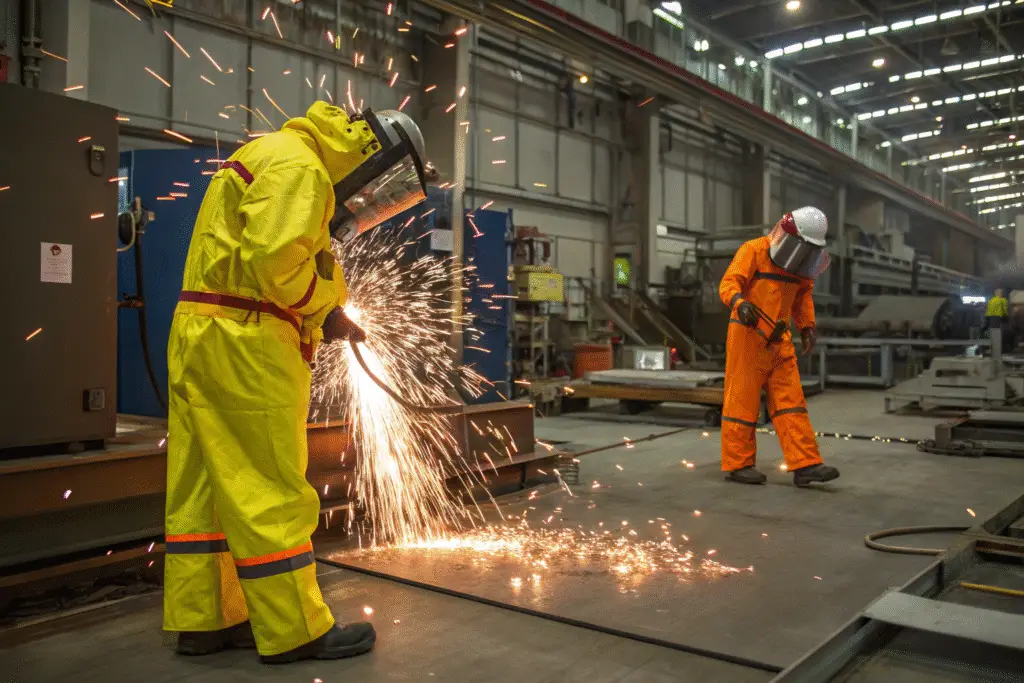
Yes. The Occupational Safety and Health Administration (OSHA) reports that static electricity is a contributing factor in industrial fires and explosions. In oil refineries, sparks can ignite volatile vapors, while in pharmaceutical labs, they can compromise sterile environments. Case studies show that facilities adopting certified anti-static workwear saw a 30% reduction in static-related incidents compared to those using standard cotton uniforms.
What About Electronic Manufacturing?
In the electronics industry, even a small static discharge—less than 100 volts—can damage microchips or printed circuit boards. To put this in perspective, the human body can generate static discharges of up to 25,000 volts just by walking across a carpet. That’s why cleanroom facilities require ESD-safe garments, as outlined in ESD Association standards. Without proper uniforms, companies risk scrapping entire production batches worth millions of dollars.
What Fabrics and Standards Should Buyers Look For?
The performance of anti-static workwear comes down to fabric composition and compliance with recognized safety standards.
The most widely accepted standards include EN 1149 (Europe), IEC 61340 (electronics), and NFPA 70E (United States). These certifications confirm that garments can safely dissipate static electricity under real-world conditions.
Which Fabrics Work Best?
Different industries require different fabrics. For petrochemical workers, poly-cotton blends reinforced with carbon grid fibers are popular because they combine comfort, durability, and anti-static protection. In electronics cleanrooms, lightweight polyester with embedded conductive yarns is used to prevent linting while maintaining ESD safety. For aviation fuel handlers, garments often combine flame-retardant and anti-static features to ensure dual protection.
How Important Are Certifications?
Certifications are critical. A garment may look protective, but without testing it is impossible to guarantee performance. For example, clothing certified under EN 1149-5 ensures compliance with European directives for electrostatic discharge protection. Importing uncertified garments can lead to customs issues, failed safety audits, and costly recalls. In one case I encountered, a European buyer had to dispose of an entire shipment of 2,000 uniforms because the supplier failed to provide valid EN certification.
How Can Buyers Ensure Product Quality?
Anti-static protection is only useful if it lasts through real-world use. That is why quality control is central to sourcing.
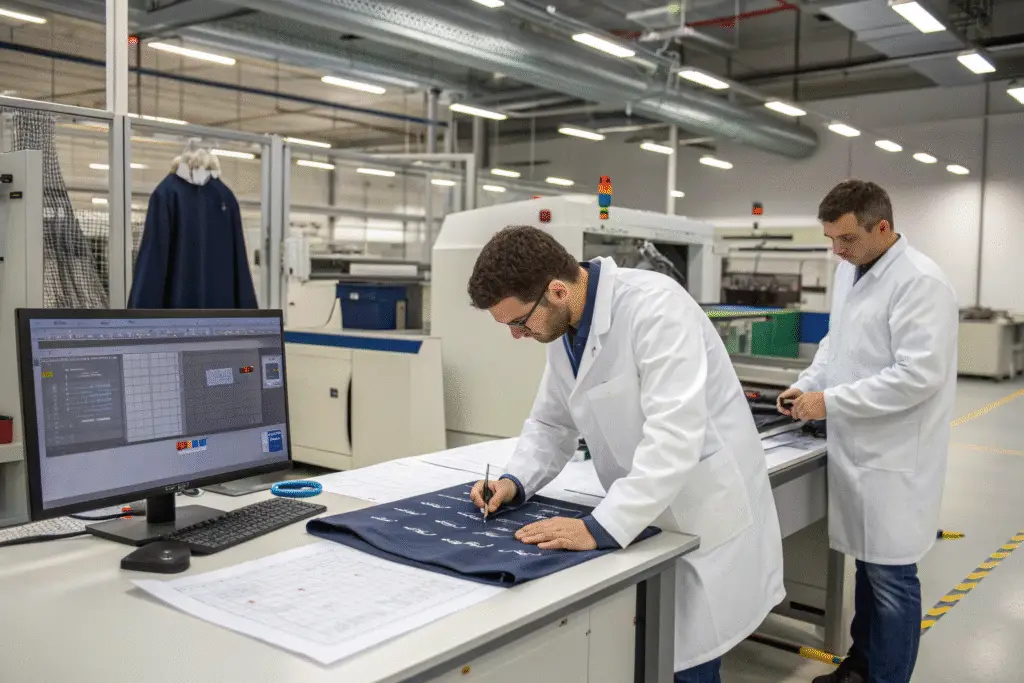
Reputable suppliers conduct rigorous testing, including surface resistivity, charge decay time, and wash durability. These tests simulate daily wear to confirm that the anti-static properties remain intact over time.
Are Washing Cycles a Concern?
Yes. Many low-cost garments lose their protective properties after just a few washes, leaving workers unprotected. High-quality fabrics retain anti-static performance for at least 50 washing cycles, as verified by international standards. Buyers should always request wash-test reports before approving bulk orders.
Should Buyers Request Independent Lab Tests?
Absolutely. To avoid bias, many buyers require third-party testing from accredited labs like SGS or Intertek. Independent certification provides impartial assurance that garments meet safety claims. In fact, several of our European clients will not finalize orders until they receive an SGS or Intertek report, which helps them pass corporate compliance checks.
How Can Manufacturers Support Buyers in Sourcing?
Manufacturers are essential partners in making sure buyers get protective garments that balance safety, comfort, and branding.
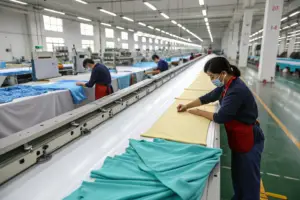
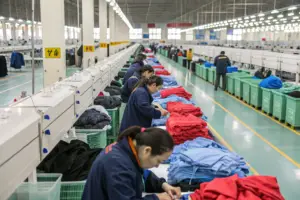
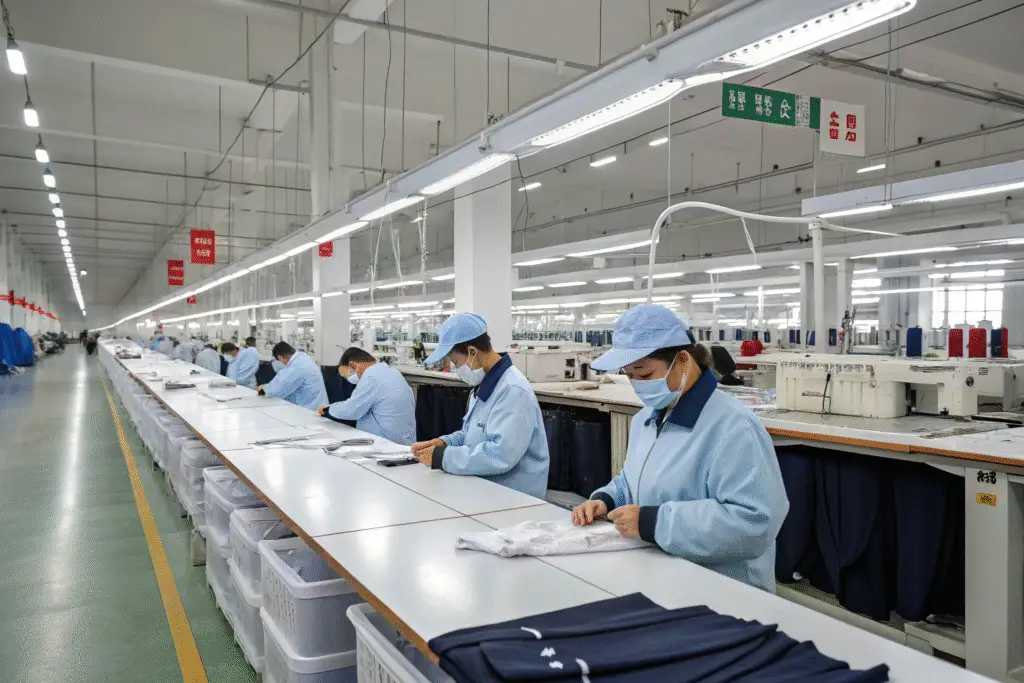
Factories specializing in protective clothing provide full-package solutions: sourcing certified fabrics, ensuring compliance with EN/IEC/NFPA standards, customizing designs for brand needs, and managing logistics to deliver on time.
Can Garments Be Customized for Branding?
Yes. Buyers frequently request customization such as embroidered company logos, reflective safety strips, or industry-specific color codes. These modifications can be added without compromising anti-static performance, as long as the conductive fiber grid remains uninterrupted. For example, one of our U.S. clients ordered 3,000 anti-static coveralls with reflective bands for night-shift refinery workers, combining both safety and visibility.
How Do Manufacturers Handle Global Logistics?
Experienced factories often provide Delivered Duty Paid (DDP) services, covering everything from export clearance to delivery at the buyer’s warehouse. This ensures compliance with customs regulations and safety standards like OSHA in the U.S. or CE marking in Europe. For one of our American buyers, using DDP saved weeks of customs delays and prevented potential fines for incomplete safety documentation.
Conclusion
Anti-static workwear is not just protective clothing—it is a frontline defense against costly accidents, failed audits, and damaged reputations. By sourcing garments made from certified fabrics, tested for long-term durability, and customized for industry-specific needs, buyers can safeguard their workforce and ensure compliance with strict safety regulations.
For apparel buyers in North America and Europe, working with experienced suppliers reduces risks and provides peace of mind that every uniform shipped is ready for real-world challenges.
At Shanghai Fumao Clothing, we specialize in producing certified protective garments, including anti-static uniforms tailored for industries such as electronics, petrochemicals, and pharmaceuticals. With end-to-end support—from design and fabric certification to global logistics—we help brands meet safety standards without sacrificing comfort or style. For sourcing inquiries, contact our Business Director Elaine at elaine@fumaoclothing.com to discuss your project.