Sportswear relies on more than design. The fabric determines performance and comfort. Athletes and consumers now demand clothing that stays fresh. Anti-odor textiles are the solution. Still, many buyers find sourcing difficult. Problems include late deliveries, fake certificates, and poor supplier communication.
Sourcing anti-odor fabrics is possible and profitable when done right. With the correct supplier strategy, brands can access durable, breathable, and odor-resistant fabrics. These materials satisfy customers and strengthen brand value.
This article explains what anti-odor textiles are, why they matter, and how to source them effectively. It also shares steps to avoid common risks and strategies to secure reliable suppliers.
Why Are Anti-Odor Fabrics Important In Sportswear?
Sportswear is not judged only by looks. Function is critical. Sweat and odor reduce comfort and harm user experience. Anti-odor fabrics change this problem. They stop the buildup of bacteria and keep garments fresh.
Anti-odor fabrics give athletes confidence and comfort. These textiles support longer wear and better performance.
Customers value freshness. They return to brands that deliver it. Brands that adopt these fabrics gain loyalty and enter premium markets. The result is higher revenue and stronger reputation.
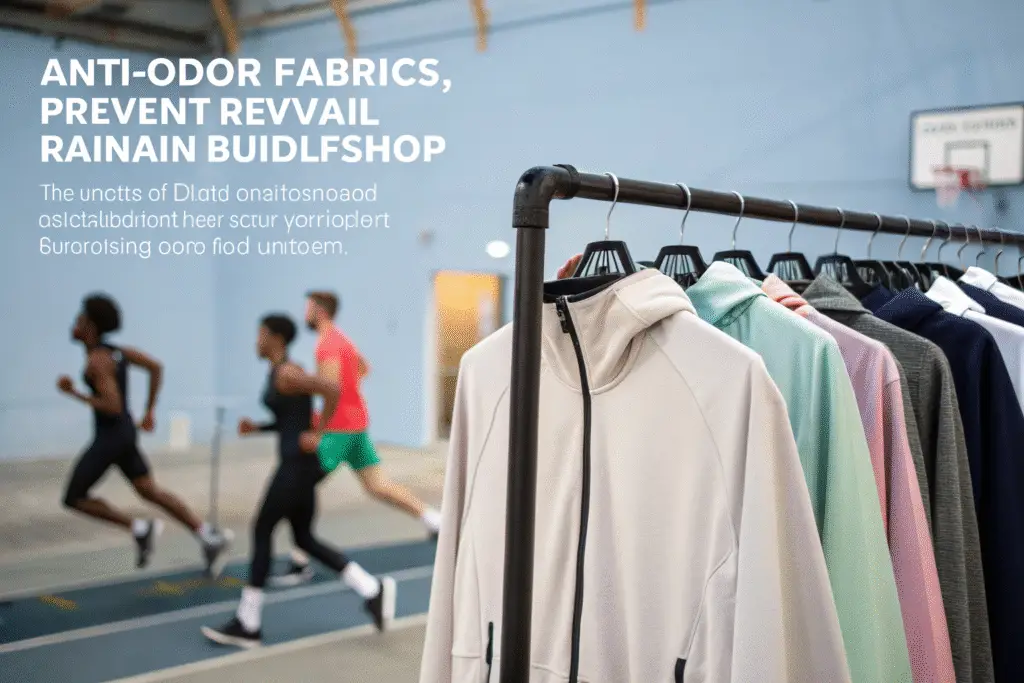
How Do Anti-Odor Technologies Work?
Anti-odor textiles use two approaches. The first is antimicrobial treatment. Fibers are coated with elements such as silver ions. These ions block bacteria growth, which prevents odor. For more detail, see Textile World.
The second method uses natural fibers. Fabrics like bamboo and merino wool resist bacteria on their own. They provide odor control without chemicals. This approach is popular in sustainable sportswear. Learn more at Sustainable Apparel Coalition.
What Fabrics Are Commonly Used For Anti-Odor Sportswear?
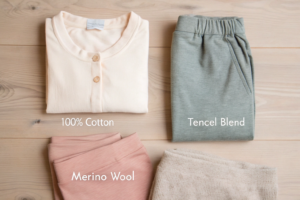
Most brands choose polyester and nylon. These fibers are light, durable, and easy to treat. Natural options like bamboo or merino wool are also used. Each choice balances freshness, breathability, and cost.
What Should You Check Before Buying Anti-Odor Textiles?
Sourcing is more than chasing low cost. Wrong choices can damage a brand. Buyers must protect themselves with a clear process.
The best method is to verify certificates, confirm fabric composition, and check production capacity. These steps reduce risk and help avoid false claims.
Which Certifications Guarantee Authenticity?
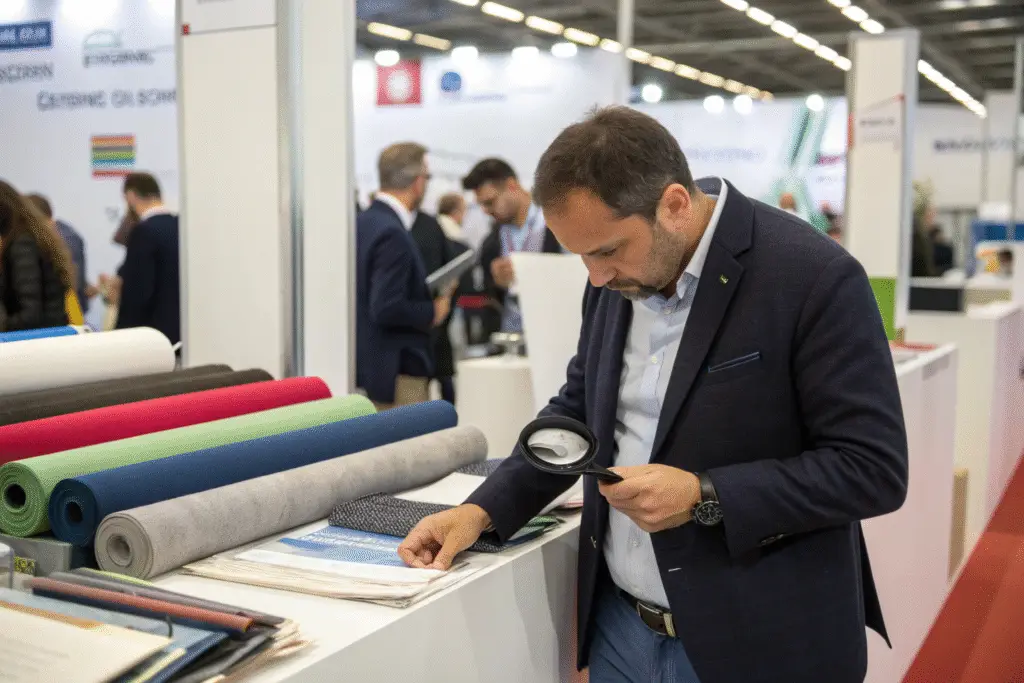
Reliable fabrics carry trusted certifications. OEKO-TEX Standard 100 ensures textiles are safe. You can read more at OEKO-TEX official site. Another key certification is Bluesign. It proves responsible and sustainable production. Details are available at Bluesign Technologies.
How Can You Test Fabric Quality Before Order?
Testing is essential before bulk purchase. Buyers should request swatches and wash them. This shows whether odor resistance lasts. Third-party labs provide stronger proof. SGS Group is one example of a trusted testing partner. Their reports confirm supplier claims.
Where To Find Reliable Suppliers For Anti-Odor Sportswear Fabrics?
Finding the right supplier can be overwhelming. Many platforms exist, but not all factories are reliable. Some exaggerate. Some deliver late. Careful selection avoids these risks.
Reliable suppliers show experience, proof of export, and strong logistics. They provide structured quality control and long-term cooperation.
What Are The Best Sourcing Channels?
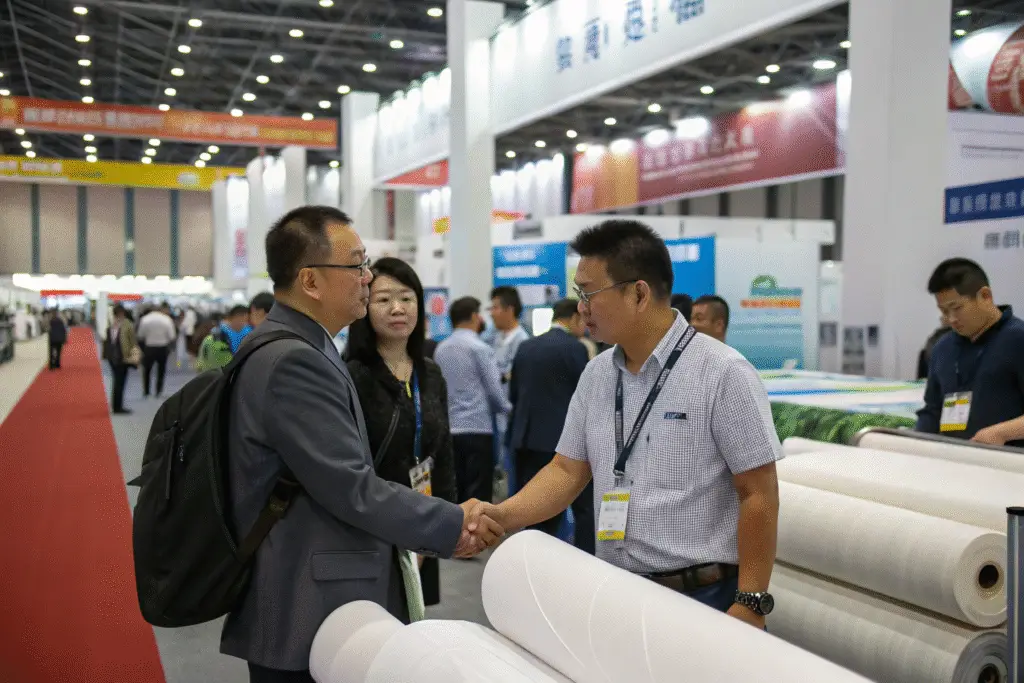
Most buyers use Alibaba, Global Sources, or international trade fairs. Canton Fair is a leading choice. See the Canton Fair Official Site for schedules. Online channels remain important as well. Alibaba is the largest global platform for fabric sourcing.
Why Choose Chinese Manufacturers For Anti-Odor Textiles?
China remains the global leader in textile production. Its factories combine cost control with advanced capabilities. At Fumao Clothing, we provide customized development, competitive prices, and strict quality checks. Learn more about the Chinese textile sector.
How To Negotiate With Suppliers Effectively?
Sourcing does not end with selection. It continues at the negotiation table. Poor communication leads to mistakes. Strong negotiation prevents them.
Effective negotiation ensures fair price, clear terms, and timely delivery. It creates trust between buyer and supplier.

What Points Should Be Included In Contracts?
A clear contract reduces risk. It should state delivery dates, penalties for delays, and product quality terms. Many buyers request inspections before shipment. Intertek is one well-known provider. Payment methods must also be secure. Many buyers use Payoneer or letters of credit.
How To Maintain Long-Term Supplier Relationships?
Suppliers respond to trust and respect. Long-term relationships need regular communication. Visits to factories help strengthen ties. Brands that work with fewer but better suppliers enjoy steady quality and reliable deliveries. The Harvard Business Review provides insights into supplier partnerships.
Conclusion
Sourcing anti-odor fabrics is not a simple price hunt. It is a careful process that includes testing, verification, and negotiation. Each step protects a brand from costly mistakes.
At Shanghai Fumao Clothing, we focus on supporting sportswear brands with proven expertise. We offer strict quality control, full customization, and fast delivery. If you plan to develop your own line of performance wear, contact our Business Director Elaine at elaine@fumaoclothing.com. We are ready to help you grow your brand with reliable anti-odor textiles.