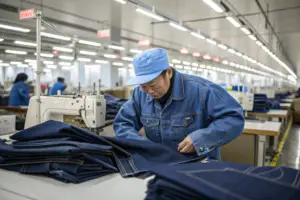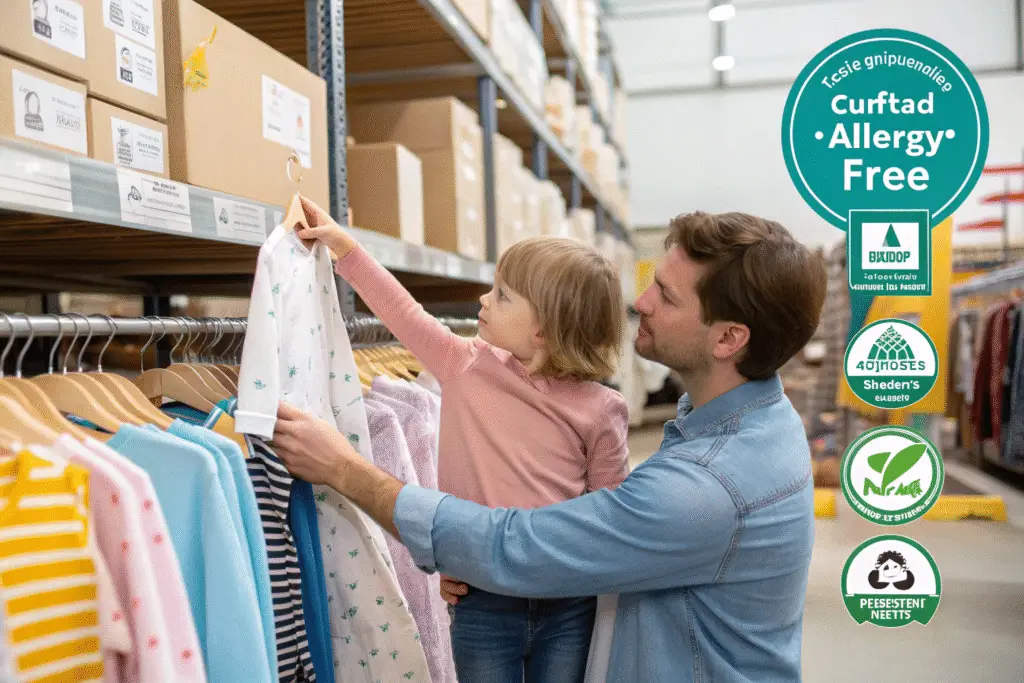
Parents across the U.S. and Europe are becoming increasingly careful about what their children wear. Many families face problems with skin allergies caused by poor-quality fabrics, chemical dyes, and careless finishing. For apparel buyers, brand owners, and distributors, the pressure is even higher: a single shipment of unsafe kids wear can lead to financial losses, reputational damage, and even legal consequences.
Sourcing allergy-free kids wear efficiently requires a strategic approach that balances fabric safety, trusted certifications, and reliable suppliers. By understanding material choices, verifying standards, and optimizing logistics, you can build a profitable and sustainable sourcing model that satisfies parents and protects children.
As a manufacturer, I have seen firsthand how careful planning transforms sourcing. Buyers who focus on quality fabrics, compliance documents, and smart supply chain practices not only avoid costly mistakes but also strengthen their brand value.
Best Fabrics for Allergy-Free Kids Wear
Parents often wonder which fabrics protect children’s skin the most. A poor choice can cause irritation and make customers lose trust.
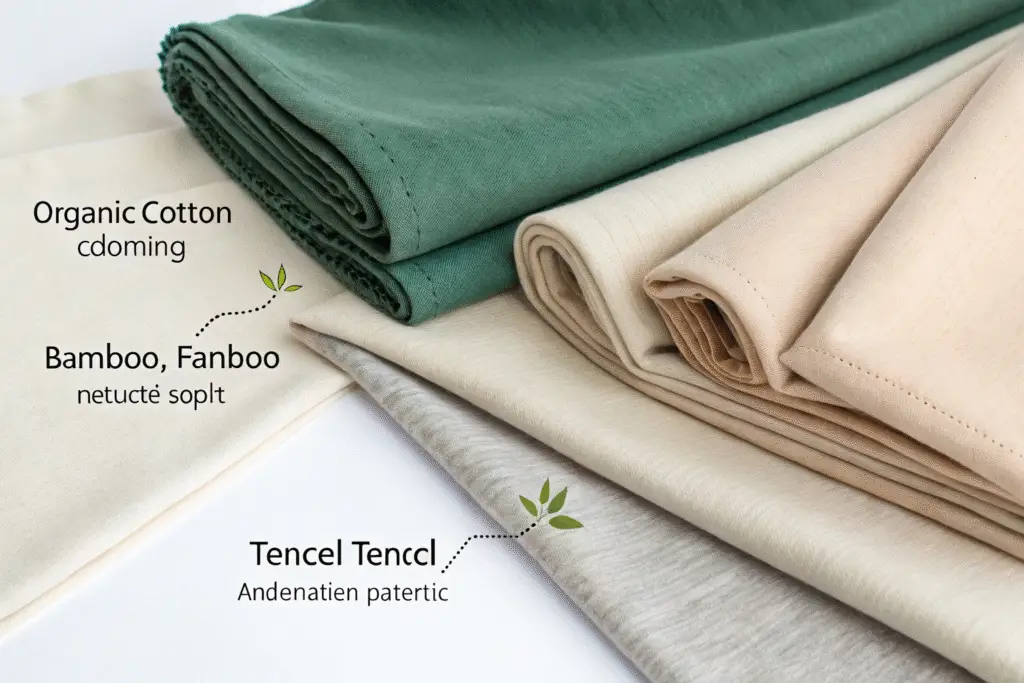
Organic cotton, bamboo, and Tencel are the most effective fabrics for allergy-free kids wear. These materials are naturally breathable, hypoallergenic, and safe for daily use.
When choosing fabrics, buyers should also think about strength, washing performance, and sustainability. Organic cotton reduces exposure to chemicals. Bamboo is soft, antibacterial, and odor-resistant. Tencel, made from wood pulp, offers a smooth feel and excellent moisture absorption.
Why is Organic Cotton Popular for Kids Wear?
Organic cotton is favored by brands because it is grown without toxic pesticides and is verified by Global Organic Textile Standard (GOTS). It is gentle on the skin, safe for kids with allergies, and helps brands support sustainable fashion. Buyers who source certified organic cotton garments can market products with confidence.
Is Bamboo a Reliable Alternative to Cotton?
Bamboo fabric is another strong choice. Its natural antibacterial qualities reduce the need for chemical finishes. Certified by Oeko-Tex Standard 100, bamboo textiles are safe for sensitive skin. Many eco-conscious brands now use bamboo as part of their sustainable clothing collections.
Certifications That Ensure Safety and Trust
In global sourcing, certificates are proof of safety. Parents expect guarantees, and buyers must protect themselves from customs issues or consumer complaints.
The most important certifications for kids wear include Oeko-Tex Standard 100, GOTS, and CPSIA. These prove that fabrics are free from harmful substances and meet international safety requirements.
Without certificates, brands face major risks. A shipment may be rejected, or worse, cause harm to children. Working only with certified suppliers builds long-term trust.
Which Certifications Are Critical for Kids Wear Safety?
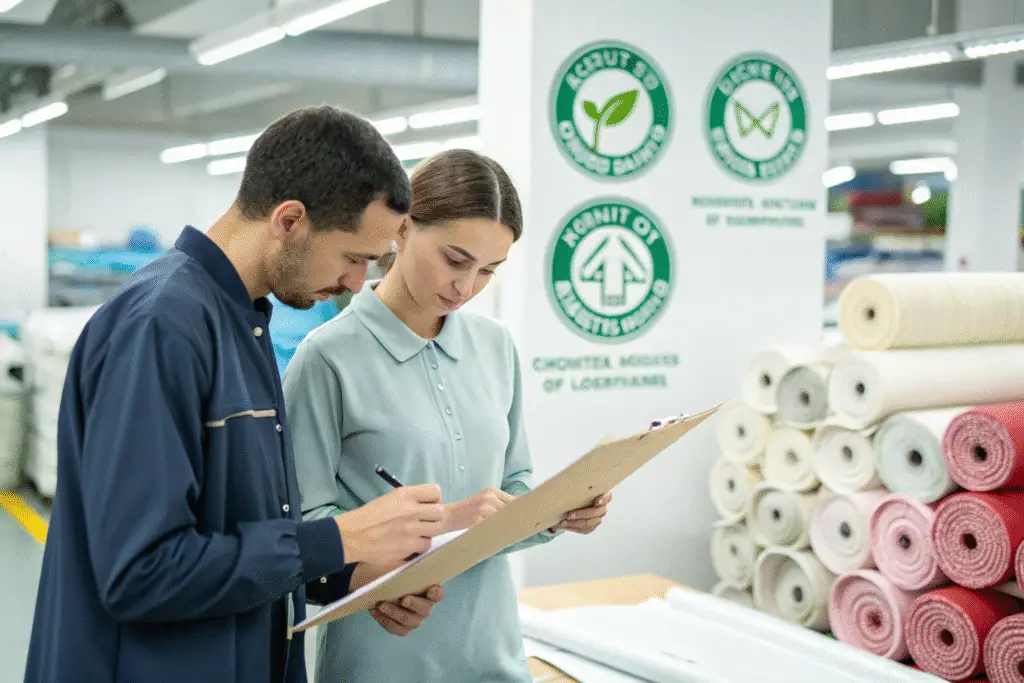
The Consumer Product Safety Improvement Act (CPSIA) is mandatory for kids wear entering the U.S. It ensures products meet strict safety standards. The Oeko-Tex Standard 100 confirms textiles are safe for direct skin contact. Buyers must always request certificates and lab reports to reduce risks.
How Can Buyers Verify Authentic Certificates?
Certificates should always be checked through official platforms. Oeko-Tex, for example, has a label check tool. Transparency is key. Reliable suppliers provide digital copies and clear verification paths. Brands must avoid suppliers engaged in greenwashing.
Sourcing Strategies to Save Time and Money
Choosing safe fabrics is just one step. Buyers also need smart strategies to balance costs, efficiency, and speed.
The most effective strategies include working with full-package manufacturers, negotiating large orders, and using digital sourcing platforms. These reduce risks and optimize sourcing.
Too often, brands lose profit due to delayed communication or missed shipping windows. A structured approach solves these problems.

Why Work with Full-Package Manufacturers?
Full-package suppliers handle everything from fabric sourcing to finished garment export. This saves buyers from coordinating multiple vendors. It also improves supply chain efficiency and reduces hidden costs. Large brands rely on such partnerships to keep operations smooth and control expenses.
Can Digital Platforms Improve Sourcing Efficiency?
Yes. Platforms such as Alibaba and Global Sources help buyers compare suppliers quickly. They provide transparency and speed up negotiations. Still, smart buyers verify actual production ability and avoid relying only on online ratings.
Logistics and Delivery Without Delays
Even the best fabrics and safest certifications mean little if products arrive late. On-time delivery is crucial to meet seasonal demand.
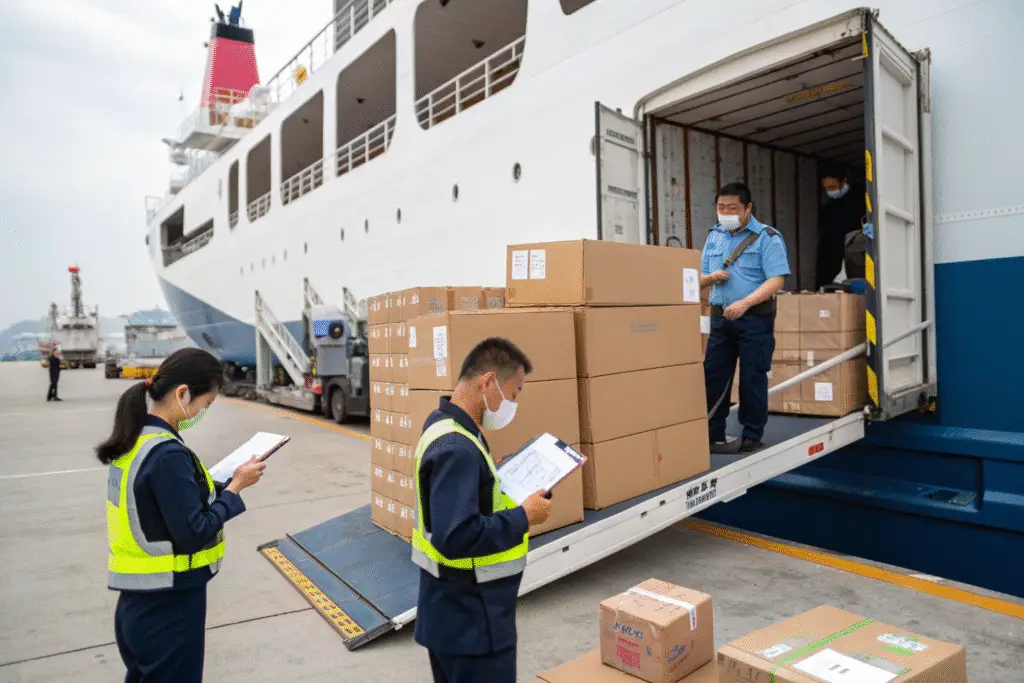
Efficient logistics depends on clear shipping terms, reliable freight partners, and accurate documentation. Buyers must secure predictable delivery schedules to avoid losses.
Every season missed means revenue lost. Reliable logistics make sourcing efficient and sustainable.
What Shipping Terms Reduce Buyer Risks?
Delivered Duty Paid (DDP) is one of the safest terms. The supplier takes care of customs clearance and taxes, while the buyer receives goods without hidden costs. DDP reduces logistics challenges for small and medium-sized importers.
How to Avoid Delayed Shipments?
Delays can be avoided by working with suppliers that use digital production tracking systems and reliable freight partners. Transparent supply chain visibility reports help anticipate risks. Strong partners communicate regularly and provide clear delivery forecasts.
Conclusion
To source allergy-free kids wear efficiently, buyers must combine safe fabrics, reliable certifications, efficient sourcing strategies, and dependable logistics. Organic cotton, bamboo, and Tencel offer skin-friendly choices. Certifications such as CPSIA and Oeko-Tex guarantee product safety. Working with full-package manufacturers saves time, and clear shipping terms ensure on-time delivery.
At Shanghai Fumao, we are dedicated to helping brands grow with safe and allergy-free kids wear. If you are looking for a trusted partner to produce your next collection, contact our Business Director Elaine at elaine@fumaoclothing.com. Together, we can build a supply chain that delivers quality, safety, and success.