Men’s dress shirts remain one of the most profitable resale items in the U.S. market, especially when sourced at competitive factory-direct pricing. But for resellers like Ron—who juggle multiple vendor quotes from China, India, and Vietnam—finding high-quality yet affordable options can feel overwhelming. It’s not just about the unit price; hidden costs like shipping, packaging, quality issues, and inconsistent sizing can kill your margin.
If you're reselling dress shirts, you need more than low prices. You need consistency, reliable fit, fast turnaround, and verified materials.
Over the past 15 years, I’ve helped dozens of U.S. apparel resellers and private label owners build successful men's dress shirt collections. Today, I’ll show you exactly what factors matter most when sourcing affordable men's shirts without compromising on profit or quality.
What Fabrics Offer the Best Value in Men’s Dress Shirts?
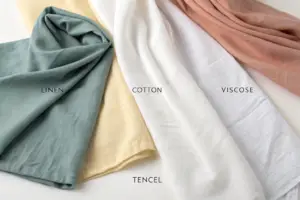
When sourcing affordable men's dress shirts, fabric selection is everything. It determines both cost and customer satisfaction. The most commonly used shirt fabrics include poplin, twill, and oxford—each with its pros and price points.
For affordable and breathable options, 60% cotton and 40% polyester blends offer the best mix of cost-efficiency and wash durability.

Is 100% Cotton Always the Best Choice?
While 100% cotton is traditionally considered premium, it’s not always the best for resale at scale. Cotton wrinkles easily and costs more per meter. For resellers focused on value-driven consumers, blended fabrics such as CVC (Chief Value Cotton) or T/C blends are more cost-effective and easier to maintain.
Many factories offer "wrinkle-free cotton blend" fabrics, which are especially attractive for professional wear. You can find more details on blended shirting materials at Textile School.
What GSM Range is Ideal for All-Season Dress Shirts?
Most men's dress shirts for the U.S. market perform best in the 110–135 GSM range. This gives the shirt enough structure without being too stiff or heavy. Lower GSM makes the shirt too thin for retail, while higher GSM adds unnecessary cost for daily wear collections.
Some brands use 95–105 GSM for short sleeve styles. For deeper insights on GSM vs. durability, visit Mood Fabrics' weight guide.
How to Evaluate Shirt Quality Without Visiting the Factory?
For buyers like Ron, who source remotely, evaluating shirt quality without visiting the factory is a major concern. But with the right processes, you can still ensure high-quality production while staying cost-effective.
Use clear QC benchmarks, lab testing, and high-resolution video inspections to control quality from abroad.

What Are the Most Common Quality Issues in Low-Cost Shirts?
Low-cost dress shirts often suffer from uneven stitching, collar warping, and thin button thread density. To avoid these, specify clear requirements:
- Stitch density: minimum 12 stitches per inch
- Collar fusing: at least 80 GSM interlining
- Buttons: minimum 14L resin with cross-stitching
Factories that avoid these standards often cut corners. Learn more about shirt QC standards at SGS Textile Testing.
Can I Use Third-Party Inspectors for Dress Shirts?
Yes. Many of our U.S. clients use services like QIMA or Bureau Veritas for final random inspection (FRI) before shipment. These inspections check for fabric consistency, stitching, labels, measurements, and packaging.
Even better—many suppliers like us now offer video QC sessions, where we walk clients through 50–100 pcs via livestream or Zoom. Read more about video inspection for apparel.
What Sizing and Fit Standards Should I Follow for the U.S. Market?
Incorrect fit leads to returns, especially in online resale. For U.S. markets, sizing needs to align with consumer expectations—not just factory tables.
Use U.S.-calibrated measurement specs, not generic Asian sizing, and confirm with pre-production samples.

Should I Use Standard or Slim Fit Templates?
Both fits are popular, but standard (classic) fit still dominates among older demographics, while slim fit appeals to younger urban consumers. We usually recommend offering both if your MOQ allows.
Your size chart should follow U.S. measurements such as:
| Label Size | Chest (Inches) | Collar | Sleeve |
|---|---|---|---|
| S | 38–40 | 14.5 | 32 |
| M | 40–42 | 15.5 | 33 |
| L | 42–44 | 16.5 | 34 |
| XL | 44–46 | 17.5 | 35 |
You can download templates from Techpacker or check guides at Apparel Entrepreneurship.
How Do I Prevent Sizing Errors in Bulk Orders?
Always confirm a full size set in pre-production samples—usually S to XL or up to 3XL if targeting wider U.S. markets. We also recommend signing off on a graded size spec chart and requesting 3D sample photos for digital verification.
Tools like CLO3D help simulate fit digitally, which speeds up approval cycles and prevents bulk mistakes.
What Is the Best Way to Negotiate Price Without Sacrificing Quality?
The biggest mistake U.S. buyers make is chasing rock-bottom pricing without understanding the fabric, labor, and compliance trade-offs. Instead of asking “How low can you go?”, ask “How can we optimize?”
Break pricing into components: fabric, labor, packaging, QC, and logistics—and negotiate based on usage and packaging tweaks.

What Drives Up the Price in Dress Shirt Production?
Key factors that increase cost include:
- High yarn count (e.g., 100s two-ply)
- Custom embroidery
- Individual polybag + cardboard collar stand
- Low MOQs under 300 pcs/style
If you’re reselling basics, skip extras like embroidery or branded hangtags. Focus on quality stitching, good buttons, and consistent sizing.
You can see real garment cost structures at Fibre2Fashion.
How Can I Lower Price Without Lowering Perceived Value?
- Use unbranded packaging in bulk cartons
- Choose standard colors (white, light blue) to skip dye surcharge
- Accept factory stock buttons instead of custom ones
- Scale up quantities of bestsellers
We often help clients save 12–15% per unit by batching colors, removing brand packaging, and switching to local buttons. This approach improves price-to-perceived-value ratio for resellers. More tips at Apparel Resources.
Conclusion
Sourcing affordable men's dress shirts for resale is about more than just finding a cheap price. You need reliable fabrics, correct fit, clear quality standards, and shipping terms that protect your profit. When done right, these shirts can deliver strong returns and repeat orders.
At Shanghai Fumao, we support growing U.S. resellers with full-package dress shirt manufacturing, including custom sizing, QC video review, and cost-efficient packaging. If you're ready to launch or scale your shirt collection, contact our Business Director Elaine at elaine@fumaoclothing.com for custom options tailored to your market.