Linen is the fabric of summer, loved by high-end brands and small boutiques alike. But many buyers struggle to source linen apparel at affordable prices without sacrificing quality. From fluctuating raw material costs to complex weaving processes, linen is notoriously tricky to produce cost-efficiently.
The key to sourcing affordable linen and linen-blend garments is understanding fabric construction, optimizing supplier selection, and leveraging blend options that maintain look and feel while lowering cost. At Fumao Clothing, we've helped dozens of U.S. and European brands build successful linen lines that balance premium aesthetics and price competitiveness.
This guide breaks down everything you need to know—from fabric specs to factory partnerships—to make your linen apparel line both stylish and profitable.
What Types of Linen Blends Help Cut Costs?
Linen alone is expensive. It requires intensive flax processing, skilled weaving, and careful handling due to its low elasticity. That’s why many suppliers recommend blends that reduce cost while improving function.
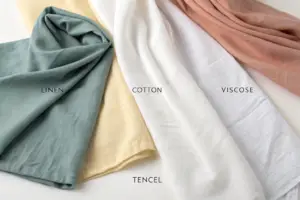
Linen blends like linen-cotton, linen-rayon, and linen-polyester offer better affordability, less wrinkling, and easier sewing—without losing the linen vibe.

How Do Linen-Cotton Blends Compare to 100% Linen?
Linen-cotton blends (commonly 55% linen / 45% cotton) offer a more affordable alternative with better softness and reduced wrinkling. They also require less ironing and hold color dyes better. According to CottonWorks, these blends are perfect for resortwear, shirts, and children’s garments.
Many of our U.S. clients choose this blend for entry-level linen styles because it offers linen’s texture at a much lower cost per meter—usually 20–30% cheaper than 100% linen.
Is Rayon a Viable Alternative in Linen-Look Fabrics?
Absolutely. Linen-rayon blends (typically 70% rayon / 30% linen) have become popular for mid-market brands. Rayon brings drape, affordability, and a soft sheen. It mimics linen visually but adds wearability.
We work with certified mills who use Lenzing™ Ecovero™ viscose for eco-conscious rayon, giving your linen-style items a sustainable edge. Visit Lenzing’s website for certifications and specs on these regenerated fibers.
Where to Find Cost-Effective Linen Fabric Mills?
Choosing the right mill makes all the difference. Price differences between mills can reach 40%, even for similar fiber content. The goal is to work with efficient, vertically integrated mills who specialize in flax processing.
The most affordable options are in China’s Jiangsu and Zhejiang provinces, where many reputable linen mills operate with low MOQ and strong export track records.

How to Evaluate a Linen Mill’s Capability?
Look for:
- Monthly production capacity (above 200,000m is ideal)
- In-house dyeing and finishing
- Certification like OEKO-TEX® and GOTS
- Flax sourcing regions (China, France, or Belgium)
We often visit suppliers who are GRS-certified and provide ZDHC compliant wet processing. This ensures chemical safety and worker protection without inflating prices.
Are Alibaba Mills Trustworthy for Linen?
Some are, but not all. While platforms like Alibaba offer access to linen mills, be cautious of resellers or trading companies posing as factories. Always request:
- Live video walkthroughs
- Business license
- Weaving and finishing machine photos
We help our clients vet these factories in person or via remote audits. If you’re not sourcing directly through trusted partners like Fumao, always do a double-check on credentials.
How to Reduce Linen Apparel Manufacturing Costs?
Even with affordable fabric, production costs can quickly rise due to fabric wastage, slow sewing speed, or rework caused by miscut panels or fraying edges.
Smart linen apparel manufacturing involves layout optimization, experienced handling, and bulk production strategies that reduce waste and improve throughput.

What Garment Designs Are Most Cost-Efficient in Linen?
Simple silhouettes = lower cost. Avoid overly structured patterns that require interfacing or multiple panel joins. Instead, go for:
- Boxy shirts
- Elastic waistband trousers
- Kimono-sleeve dresses
These designs reduce waste, speed up sewing, and are on-trend. Use free garment cost estimation tools like Maker’s Row to simulate your price range before sampling.
How Can You Improve Fabric Utilization?
Linen has low yield due to shrinkage and fraying. We optimize markers using CAD systems like Lectra to reduce fabric loss by 5–10%.
For small brands, combining styles with shared pattern blocks can drastically improve yield. For example, a dress and tunic from the same bodice base cuts waste and reduces grading workload.
What MOQ and Pricing Terms Should You Negotiate?
Minimum Order Quantity (MOQ) and pricing structure are deal-breakers—especially for small or mid-size U.S. brands.
Linen MOQ varies depending on fiber source and loom width, but factories like ours offer flexible options, such as 300–500 pcs per style, even for 100% linen.

What’s the Typical Price for Linen Apparel?
Average FOB unit price (bulk, 100% linen):
| Garment Type | Price Range (USD) |
|---|---|
| Women’s Blouse | $5.50 – $8.00 |
| Men’s Shirt | $6.00 – $9.50 |
| Drawstring Pants | $7.00 – $10.50 |
| Wrap Dress | $8.50 – $12.00 |
Linen blends cut prices by 20–40%, depending on the ratio and finishing. For clients ordering DDP to the U.S., we manage all customs and logistics at a flat per-unit uplift.
Should You Push for Lower MOQ or Lower Price?
It depends on your sales model. If you’re testing a new linen capsule, prioritize MOQ flexibility. For bestselling SKUs, scale up orders and request price breaks at 2K+ pieces. Tools like IncoDocs help clarify incoterms and unit breakdowns for better negotiation.
Conclusion
Sourcing affordable linen and linen-blend clothing requires more than browsing fabric options—it demands knowledge of blends, reliable mills, efficient garment designs, and strategic price negotiation. At Fumao Clothing, we help U.S. and European clients source stylish, sustainable linen apparel with clear, factory-direct pricing and consistent quality.
If you're planning to launch or expand your linen collection, we’d love to assist. Contact our Business Director Elaine at elaine@fumaoclothing.com and let’s co-create beautiful linen garments that meet your budget and brand goals.